
The hidden electrical costs of renovating an old bungalow in the East End
When you buy a charming East End bungalow the electrical system often hides behind the walls. You see the vintage light switches and the original push-button outlets and think the place has character. Then you start planning your renovation and the quotes roll in and you realize the wiring might cost more than the kitchen cabinets. This article breaks down the real electrical expenses you will face when updating a historic Houston home. Houston Rebuilding.
Why East End bungalows have expensive electrical surprises
East End homes built before 1960 used wiring methods that no longer meet modern safety codes. Knob-and-tube wiring runs through open air without a ground wire. Cloth-covered cables become brittle and crack. Fuse boxes rated for 60 amps cannot support today’s central air conditioning and electric vehicle chargers. These systems worked fine in 1950 but they fail under the load of a 2026 household. How to Get a Tesla Home Charger Installed in Katy Without the Stress.
Houston’s humid climate makes the problem worse. Moisture corrodes exposed connections. Rodents chew through old insulation. A system that works today can fail next month under summer heat. That is why inspectors flag these homes during the permitting process and why contractors often recommend a full rewire even if the lights still turn on. Electrical Houston.
Common electrical upgrades and their costs
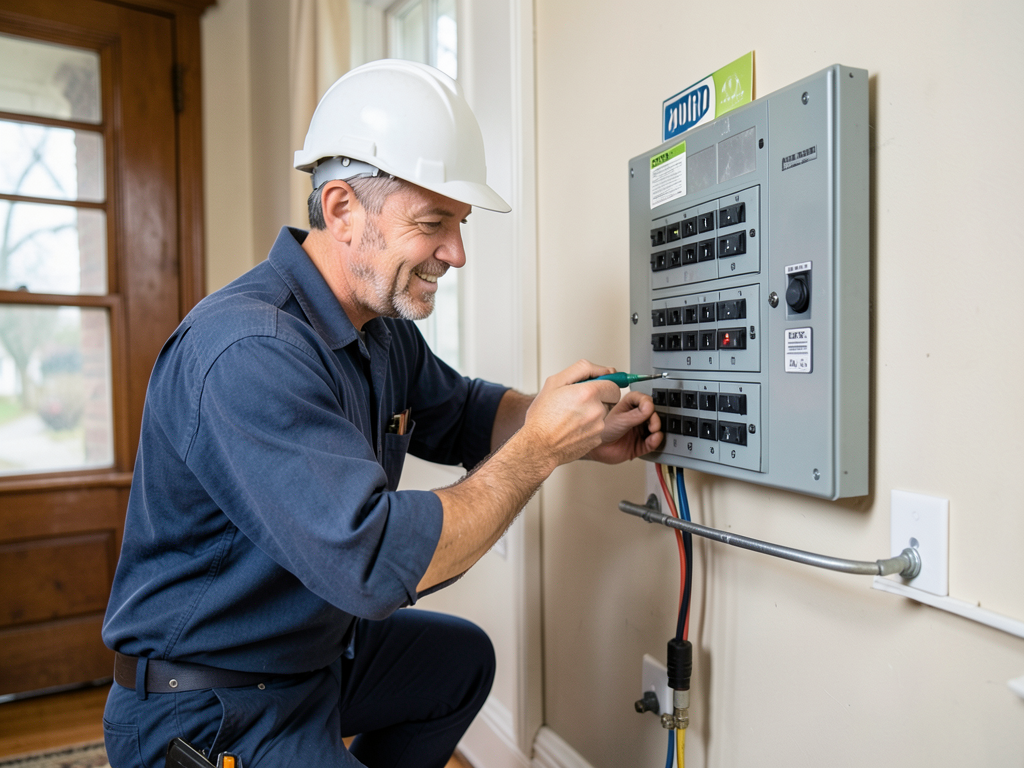
The biggest expense usually comes from the service panel upgrade. A 200-amp breaker panel costs between $1,200 and $2,500 installed. This allows you to run multiple high-draw appliances without tripping breakers. Next comes the wiring replacement. In a 1,200-square-foot bungalow expect to pay $8,000 to $15,000 to remove old cable and fish new Romex through the walls. This includes new outlets switches and smoke detectors.. Read more about Moving light switches to more convenient locations during your Pecan Grove remodel.
Recessed lighting adds another $3,000 to $5,000 depending on the number of fixtures and whether you choose LED trims. Smart home integration costs vary widely but a basic system with smart switches and a hub runs $1,500 to $3,000. If you plan to add a backup generator or an EV charger the total can climb another $3,000 to $7,000.. Read more about Installing an EV Charger in an Older Eastwood Garage With Limited Power.
Permit and inspection expenses
Houston requires a building permit for any major electrical work. The City of Houston charges $100 to $400 depending on the project scope. An electrical permit adds another $50 to $150. You will also need a final inspection which costs about $75. If your home is in a historic district like Eastwood or Magnolia Park you may need extra reviews from the Houston Archaeological and Historical Commission. Those reviews can add $200 to $500 and extend your timeline by two to four weeks.. Read more about Crucial electrical upgrades to help your Braeswood home sell faster.
Skipping permits is illegal and dangerous. Unpermitted work voids your homeowner’s insurance if a fire occurs. It also creates problems when you sell the home. Buyers and lenders require proof that all upgrades meet code. A single unpermitted outlet can derail a sale.
Hidden costs that catch homeowners off guard
Wall repairs after rewiring can cost $2,000 to $4,000. Contractors cut drywall to access wires then patch and repaint. If your bungalow has plaster walls the repair cost doubles. Asbestos testing is another surprise. Homes built before 1980 may contain asbestos around old wiring or in insulation. Testing costs $300 to $600. If asbestos is found abatement can add $2,000 to $5,000.
Outdated plumbing can also drive up electrical costs. If a bathroom remodel reveals corroded galvanized pipes you may need a plumber before the electrician can install new GFCI outlets near sinks. Coordinating multiple trades adds labor fees and project delays.. Read more about Stopping bathroom moisture damage in Shady Acres with a professional fan upgrade.
Timeline for a full electrical renovation
A complete rewire in a typical East End bungalow takes seven to ten business days. The first two days involve removing old wiring and preparing the panel. The next three days cover new cable installation and outlet placement. Final connections and device installation take two more days. Inspections happen on day six or seven. Repairs and touch-up work fill the last few days.
Delays happen when unexpected issues appear. Rotted wood behind walls can stop work until a carpenter repairs the framing. Missing or incorrect permits can add a week. Supply chain issues for specialty breakers or smart devices can push completion back another week. Always build a two-week buffer into your renovation schedule.
How to budget for electrical work
Start with a detailed scope from a licensed electrician. Ask for a line-item estimate that separates labor materials and permit fees. Add 15 to 20 percent for contingencies. If your budget is tight prioritize safety upgrades first. Replace the service panel and fix any exposed or damaged wiring before adding luxury items like smart lighting. The Top Rated Licensed Electricians Serving the River Oaks Area.
Consider phasing the work. You can upgrade the panel now and replace wiring room by room as you remodel each space. This spreads the cost over one to two years but requires careful planning to avoid duplicate labor. Always coordinate with your general contractor so electrical work aligns with demolition and construction schedules.
Energy efficiency and long-term savings
New wiring supports LED lighting which uses 75 percent less energy than incandescent bulbs. A modern 200-amp panel reduces voltage drop so appliances run more efficiently. Smart thermostats and automated lighting can cut your electric bill by 10 to 15 percent annually. Over ten years those savings can offset a portion of your upgrade cost.
Surge protection is another long-term investment. A whole-house surge protector installed at the panel guards against lightning strikes and grid spikes. Replacing a single damaged HVAC control board can cost $800. The surge protector costs $300 to $500 installed and protects every device in your home. Protect Your Tech With Professional Whole House Surge Protection in Cypress.
Choosing the right contractor
Look for a Texas-licensed electrician with experience in historic Houston homes. Ask for references from East End projects. Verify their Texas Electrical Contractor License number on the Texas Department of Licensing and Regulation website. Confirm they carry general liability and workers’ compensation insurance. A reputable contractor will provide a written contract that outlines the scope timeline payment schedule and warranty terms. Texas Department of Licensing and Regulation.
Avoid contractors who give verbal quotes or refuse to pull permits. If they cut corners on paperwork they may cut corners on safety. Always get at least three estimates and compare not just price but also proposed materials and warranty coverage.
Financing your electrical renovation
Some homeowners use home equity loans or lines of credit to fund electrical upgrades. These loans often have lower interest rates than credit cards. The interest may also be tax-deductible if the funds improve your primary residence. Another option is an FHA 203(k) loan which bundles renovation costs into your mortgage. This works well if you are buying a fixer-upper.
Utility rebates can offset part of the cost. CenterPoint Energy offers rebates for certain energy-efficient upgrades installed by participating contractors. Check the CenterPoint website for current programs. Some smart home devices also qualify for manufacturer rebates. CenterPoint Energy rebates.
Environmental impact of electrical upgrades
Replacing old wiring reduces the risk of electrical fires which can release toxic smoke and destroy homes. Modern panels and devices are more energy-efficient which lowers your carbon footprint. If you add solar panels later your upgraded system will be ready to integrate renewable energy. Even small changes like switching to LED bulbs keep tons of mercury and other pollutants out of landfills each year.
Recycling old fixtures and panels keeps heavy metals out of the waste stream. Ask your contractor if they partner with recycling facilities. Some will haul away old equipment at no extra charge.
Preparing your home for electrical work
Clear the work areas before contractors arrive. Move furniture away from walls and cover items that cannot be moved with drop cloths. If you work from home plan for power outages during the panel upgrade. A brief outage of four to eight hours is normal. Keep refrigerators and medical devices on a backup battery or generator if needed.
Communicate with your neighbors if the work requires a temporary power shutoff for the block. Most electrical contractors notify adjacent homes but a personal heads-up builds goodwill. Provide your contact information in case of emergency.
Final inspection and sign-off
After all work is complete the city inspector will check the installation against the National Electrical Code. They verify grounding bonding and proper wire sizing. If everything passes you receive a Certificate of Compliance. Keep this document with your home records. It proves the work was done legally and can speed up future permit applications.
Test all new devices before the contractor leaves. Check outlets with a receptacle tester. Verify that GFCI and AFCI breakers trip correctly. Test smart switches and any integrated systems. Report any issues within the warranty period typically one to two years.
Wrapping up your electrical renovation
Renovating an East End bungalow means dealing with outdated wiring that cannot support modern life. The hidden costs of electrical upgrades often surprise homeowners who focus only on finishes. By understanding the scope budgeting for contingencies and hiring a qualified contractor you can avoid budget blowouts and safety risks. The investment pays off in reliability efficiency and peace of mind for years to come.
Frequently Asked Questions
How much does it cost to rewire a 1,200-square-foot East End bungalow?
The cost typically ranges from $8,000 to $15,000 depending on the extent of the work and any repairs needed after installation.
Do I need a permit to upgrade my electrical panel in Houston?
Yes. Houston requires both a building permit and an electrical permit for panel upgrades. Skipping permits is illegal and can void your insurance.
How long does a full electrical renovation take?
A complete rewire usually takes seven to ten business days. Delays can occur if unexpected issues like asbestos or rotted wood are found.
Can I keep some of my old wiring to save money?
It is rarely cost-effective. Mixing old and new wiring creates compatibility issues and can hide future problems. A full replacement is safer and more reliable. Finding a Reliable Electrician for Your Sugar Land Kitchen Remodel.
What energy savings can I expect after an upgrade?
LED lighting and a modern panel can reduce your electric bill by 10 to 15 percent annually. Over ten years those savings can offset part of your upgrade cost.
{
“@context”: “https://schema.org”,
“@type”: “BlogPosting”,
“headline”: “The hidden electrical costs of renovating an old bungalow in the East End”,
“description”: “Discover the true costs of updating electrical systems in East End bungalows. Learn about permits, hidden repairs, and budgeting for safe renovations.”,
“wordCount”: 1738,
“datePublished”: “2026-05-17T06:30:00.000Z”,
“dateModified”: “2026-05-17T06:30:00.000Z”,
“inLanguage”: “en-US”,
“mainEntityOfPage”: {
“@type”: “WebPage”,
“@id”: “https://titanelectricianshouston.com”
},
“publisher”: {
“@type”: “LocalBusiness”,
“name”: “Titan Electricians Houston”,
“url”: “https://titanelectricianshouston.com”
},
“author”: {
“@type”: “Organization”,
“name”: “Titan Electricians Houston”,
“url”: “https://titanelectricianshouston.com”
},
“image”: {
“@type”: “ImageObject”,
“url”: “https://titanelectricianshouston.com/wp-content/uploads/2026/03/the-hidden-electrical-costs-of-renovating-an-old-b-1.png”
}
}
{
“@context”: “https://schema.org”,
“@type”: “Electrician”,
“name”: “Titan Electricians Houston”,
“url”: “https://titanelectricianshouston.com”,
“address”: {
“@type”: “PostalAddress”,
“addressLocality”: “Houston”
},
“areaServed”: {
“@type”: “City”,
“name”: “Houston”
}
}
{
“@context”: “https://schema.org”,
“@type”: “FAQPage”,
“mainEntity”: [
{
“@type”: “Question”,
“name”: “How much does it cost to rewire a 1,200-square-foot East End bungalow?”,
“acceptedAnswer”: {
“@type”: “Answer”,
“text”: “The cost typically ranges from $8,000 to $15,000 depending on the extent of the work and any repairs needed after installation.”
}
},
{
“@type”: “Question”,
“name”: “Do I need a permit to upgrade my electrical panel in Houston?”,
“acceptedAnswer”: {
“@type”: “Answer”,
“text”: “Yes. Houston requires both a building permit and an electrical permit for panel upgrades. Skipping permits is illegal and can void your insurance.”
}
},
{
“@type”: “Question”,
“name”: “How long does a full electrical renovation take?”,
“acceptedAnswer”: {
“@type”: “Answer”,
“text”: “A complete rewire usually takes seven to ten business days. Delays can occur if unexpected issues like asbestos or rotted wood are found.”
}
},
{
“@type”: “Question”,
“name”: “Can I keep some of my old wiring to save money?”,
“acceptedAnswer”: {
“@type”: “Answer”,
“text”: “It is rarely cost-effective. Mixing old and new wiring creates compatibility issues and can hide future problems. A full replacement is safer and more reliable. Finding a Reliable Electrician for Your Sugar Land Kitchen Remodel.”
}
},
{
“@type”: “Question”,
“name”: “What energy savings can I expect after an upgrade?”,
“acceptedAnswer”: {
“@type”: “Answer”,
“text”: “LED lighting and a modern panel can reduce your electric bill by 10 to 15 percent annually. Over ten years those savings can offset part of your upgrade cost.”
}
}
]
}
{
“@context”: “https://schema.org”,
“@type”: “BreadcrumbList”,
“itemListElement”: [
{
“@type”: “ListItem”,
“position”: 1,
“name”: “Home”,
“item”: “https://titanelectricianshouston.com”
},
{
“@type”: “ListItem”,
“position”: 2,
“name”: “Blog”,
“item”: “https://titanelectricianshouston.com/blog”
},
{
“@type”: “ListItem”,
“position”: 3,
“name”: “The hidden electrical costs of renovating an old bungalow in the East End”
}
]
}
{
“@context”: “https://schema.org”,
“@type”: “Service”,
“serviceType”: “Electricians”,
“provider”: {
“@type”: “LocalBusiness”,
“name”: “Titan Electricians Houston”,
“url”: “https://titanelectricianshouston.com”
},
“areaServed”: {
“@type”: “City”,
“name”: “Houston”
},
“description”: “Discover the true costs of updating electrical systems in East End bungalows. Learn about permits, hidden repairs, and budgeting for safe renovations.”
}