
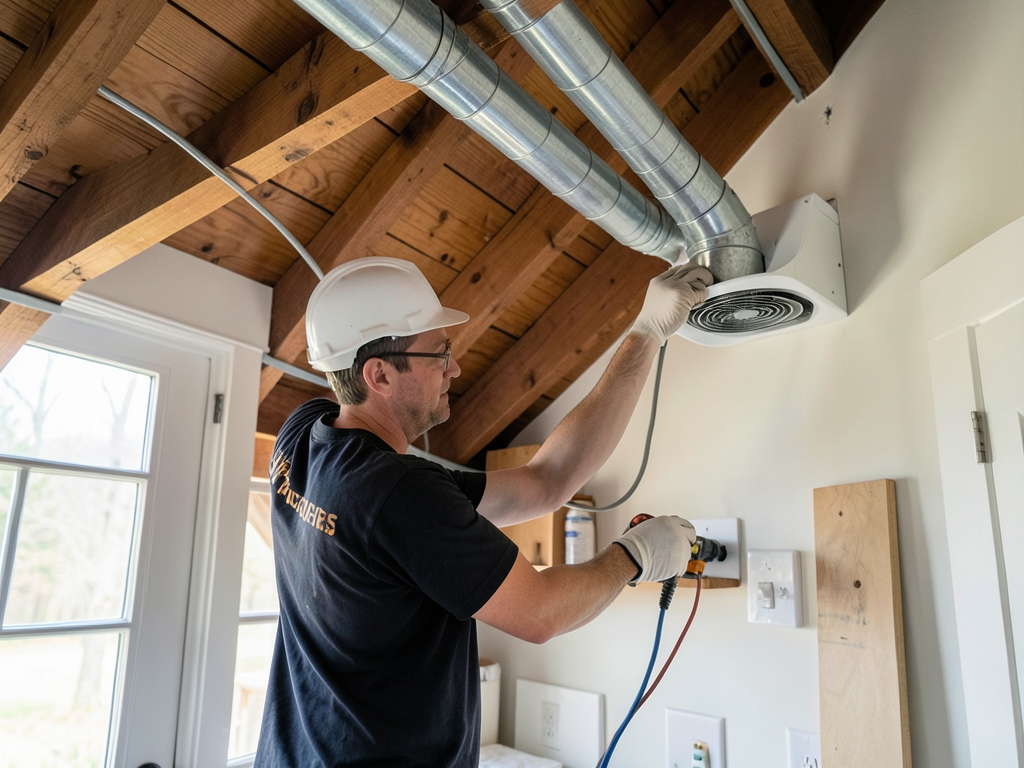
Stopping bathroom moisture damage in Shady Acres with a professional fan upgrade
Shady Acres homes face unique challenges from Houston’s relentless humidity. The moisture from daily showers and baths creates perfect conditions for mold growth and structural damage. Professional bathroom exhaust fan installation protects your home from these costly problems. Protect Your Tech With Professional Whole House Surge Protection in Cypress.
Why Houston humidity damages Shady Acres bathrooms
Houston averages 75% relative humidity year-round. This moisture constantly pushes against your bathroom walls and ceiling. Without proper ventilation, water vapor condenses on cool surfaces and seeps into drywall and framing. Over time this leads to: Electrical Houston.
- Mold and mildew growth on walls and ceilings
- Peeling paint and bubbling wallpaper
- Rotting wood framing in walls
- Damaged ceiling texture and drywall
- Musty odors that spread through your home
Shady Acres homes and moisture problems
Many Shady Acres homes built before 2010 have undersized bathroom fans. These older units move only 50-80 cubic feet per minute (CFM). Modern bathrooms need 1 CFM per square foot of floor space. A 60-square-foot bathroom needs a 60 CFM fan minimum.
The area’s historic bungalows and craftsman-style homes often have:
- Attic spaces with limited clearance for duct runs
- Shared walls that complicate venting
- Older wiring that may need upgrades
- Decorative ceilings that require careful patching
How a professional fan upgrade protects your home
A properly sized exhaust fan removes moisture before it damages your home. The system pulls humid air from your bathroom and vents it outside. This keeps surfaces dry and prevents mold growth.
Professional installation ensures:
- Correct fan sizing for your bathroom dimensions
- Proper duct routing to the exterior
- Sealed connections to prevent air leaks
- Code-compliant electrical wiring
- Quiet operation with low sone ratings
Choosing the right bathroom exhaust fan
Fan selection depends on your bathroom size and specific needs. Here are key factors to consider:
CFM requirements by bathroom size
| Bathroom Size (sq ft) | Minimum CFM Required | Recommended CFM |
|---|---|---|
| Up to 50 | 50 | 60-70 |
| 51-80 | 80 | 90-100 |
| 81-100 | 100 | 110-120 |
| 101-150 | 150 | 160-180 |
Noise levels: Understanding sones
Sones measure how loud a fan sounds to the human ear. Lower numbers mean quieter operation:
- 1.0 sone: Very quiet, barely noticeable
- 1.5 sones: Quiet, like a gentle breeze
- 2.0 sones: Soft hum, similar to a refrigerator
- 3.0 sones: Noticeable, like a quiet conversation
- 4.0+ sones: Loud, distracting during use
Smart features for modern bathrooms
Today’s exhaust fans offer features that make moisture control automatic:
- Humidity sensors that turn the fan on when moisture rises
- Motion sensors for automatic operation
- Timer controls for continued ventilation after use
- Integrated LED lighting for better visibility
- Night lights for safe nighttime bathroom visits
Venting options for Shady Acres homes
Proper venting is crucial for fan effectiveness. Your home’s structure determines the best approach:
Roof venting
Roof vents work well for homes with accessible attics. The fan duct runs through the attic and exits through the roof. This method:
- Keeps duct runs short and efficient
- Prevents moisture from entering the attic
- Works with most roof types
Wall venting
Wall vents exit through an exterior wall. This option suits homes without attics or with limited attic access. Benefits include:
- No roof penetrations needed
- Easier access for maintenance
- Works well for first-floor bathrooms
Soffit venting
Soffit vents exit under the roof overhang. While possible, this method has drawbacks:
- Moisture can re-enter the attic through soffit vents
- Less effective at removing humidity
- Not recommended by building codes in most areas
Electrical requirements for bathroom fans
Bathroom fans must meet specific electrical codes for safety:
GFCI protection
All bathroom outlets and fan switches need Ground Fault Circuit Interrupter (GFCI) protection. This prevents electrical shock in wet areas.
Dedicated circuits
Large fans with heaters often need dedicated 20-amp circuits. Standard fans typically work on existing bathroom circuits.
Switch locations
Fan switches must be:
- Located outside shower/tub areas
- Within 5 feet of the bathroom entrance
- Easy to reach from the doorway
Installation process for bathroom exhaust fans
- Assessment and Planning
The electrician evaluates your bathroom layout, attic access, and existing wiring. They determine the best fan location and venting path.
- Electrical Preparation
Existing wiring is tested. New circuits are installed if needed. GFCI protection is added to meet code requirements.
- Fan Mounting
The fan unit mounts between ceiling joists. The electrician cuts an opening and secures the housing with mounting brackets.
- Duct Installation
Flexible or rigid duct connects the fan to the exterior vent. All connections are sealed to prevent air leaks.
- Exterior Vent Installation
A roof jack or wall cap installs at the exit point. Backdraft dampers prevent outside air from entering.
- Testing and Adjustment
The system runs to check airflow, noise levels, and proper venting. Adjustments ensure optimal performance.
Cost factors for bathroom fan installation in Shady Acres
Installation costs vary based on several factors:
Fan selection
- Basic models: $50-150
- Mid-range with lights: $150-300
- Premium smart models: $300-600
Installation complexity
- Simple replacement: Lower cost
- New installation with wiring: Higher cost
- Attic access issues: Additional labor
Venting requirements
- Short duct runs: Standard pricing
- Long or complex runs: Additional materials
- Roof vs. wall venting: Different labor needs
Building code compliance in Houston
Houston follows the National Electrical Code with local amendments. Key requirements include: National Fire Protection Association codes.
Permits
Most bathroom fan installations require electrical permits. The electrician handles permit applications and inspections.
Ventilation standards
Houston building codes require:
- Minimum CFM ratings based on bathroom size
- Venting to the exterior (not attic)
- Backdraft prevention at vent exits
Fire safety
Fan installations must maintain fire-rated ceiling assemblies. Special fire-rated boxes may be required for installations near combustible materials. The Top Rated Licensed Electricians Serving the River Oaks Area.
Maintenance for long-lasting performance
Regular maintenance keeps your bathroom fan working efficiently:
Cleaning schedule
- Grill: Clean every 3-6 months
- Duct: Inspect annually
- Vent cap: Check for debris seasonally
Performance checks
- Test airflow by holding tissue near the grill
- Listen for unusual noises indicating bearing wear
- Check for moisture around the fan housing
Common mistakes to avoid
DIY installations often create problems:
Undersized fans
Installing a fan too small for your bathroom size won’t remove enough moisture.
Poor venting
Venting into the attic causes condensation problems and mold growth in your attic space.
Improper wiring
Missing GFCI protection creates shock hazards in wet bathroom environments.
Wrong duct size
Using duct that’s too small restricts airflow and reduces fan effectiveness.
Benefits of professional installation
Professional installation provides peace of mind and long-term protection:
Code compliance
Electricians ensure your installation meets all Houston building codes and passes inspections.
Warranty protection
Professional installation often maintains manufacturer warranties that DIY work might void.
Safety assurance
Proper wiring and GFCI installation prevent electrical hazards in your bathroom.
Optimal performance
Correct fan sizing and duct routing maximize moisture removal and energy efficiency.
Energy efficiency considerations
Modern bathroom fans use less energy while providing better performance:
Energy Star ratings
Energy Star certified fans use 70% less energy than standard models while maintaining airflow.
DC motor technology
DC motors are more efficient and often quieter than traditional AC motors.
Timer controls
Timers prevent fans from running longer than necessary, saving energy while ensuring proper ventilation.
Smart home integration
Many homeowners now integrate bathroom fans with smart home systems:
Voice control
Connect your fan to voice assistants for hands-free operation.
App control
Monitor and control fan operation from your smartphone.
Automation
Set fans to run based on humidity levels, time of day, or bathroom occupancy.
Frequently Asked Questions
How long does bathroom fan installation take?
Most installations take 2-4 hours. Complex installations with new wiring or difficult venting may take longer.
Do I need a permit for bathroom fan installation?
Yes, most bathroom fan installations require electrical permits in Houston. The electrician typically handles permit acquisition and inspections.
Can you vent through the soffit?
Soffit venting is not recommended because moisture can re-enter the attic through soffit vents. Building codes require venting to the exterior.
How do I know what size fan I need?
Calculate 1 CFM per square foot of bathroom floor space. For bathrooms with high ceilings or jetted tubs, add 50% to the total.
What’s the difference between CFM and sones?
CFM measures airflow volume. Sones measure noise level. Both are important for fan selection.
How often should I replace my bathroom fan?
Quality fans last 10-15 years. Replace sooner if you notice reduced airflow, unusual noises, or moisture problems.
Can I install a fan myself?
DIY installation is possible but risky. Improper wiring creates shock hazards. Poor venting causes moisture problems. Professional installation ensures safety and code compliance.
Do bathroom fans need to be on a GFCI circuit?
Yes, bathroom fans and switches must have GFCI protection to prevent electrical shock in wet areas. For more information, visit EPA bathroom exhaust fan guidelines.
{
“@context”: “https://schema.org”,
“@type”: “BlogPosting”,
“headline”: “Stopping bathroom moisture damage in Shady Acres with a professional fan upgrade”,
“description”: “Bathroom mold and humidity damage in Shady Acres homes? Learn how a professional exhaust fan installation protects your walls and ceilings from Houston’s relentless moisture.”,
“wordCount”: 1463,
“datePublished”: “2026-05-30T05:23:00.000Z”,
“dateModified”: “2026-05-30T05:23:00.000Z”,
“inLanguage”: “en-US”,
“mainEntityOfPage”: {
“@type”: “WebPage”,
“@id”: “https://titanelectricianshouston.com”
},
“publisher”: {
“@type”: “LocalBusiness”,
“name”: “Titan Electricians Houston”,
“url”: “https://titanelectricianshouston.com”
},
“author”: {
“@type”: “Organization”,
“name”: “Titan Electricians Houston”,
“url”: “https://titanelectricianshouston.com”
},
“image”: {
“@type”: “ImageObject”,
“url”: “https://titanelectricianshouston.com/wp-content/uploads/2026/03/stopping-bathroom-moisture-damage-in-shady-acres-w-1.png”
}
}
{
“@context”: “https://schema.org”,
“@type”: “Electrician”,
“name”: “Titan Electricians Houston”,
“url”: “https://titanelectricianshouston.com”,
“address”: {
“@type”: “PostalAddress”,
“addressLocality”: “Houston”
},
“areaServed”: {
“@type”: “City”,
“name”: “Houston”
}
}
{
“@context”: “https://schema.org”,
“@type”: “FAQPage”,
“mainEntity”: [
{
“@type”: “Question”,
“name”: “How long does bathroom fan installation take?”,
“acceptedAnswer”: {
“@type”: “Answer”,
“text”: “Most installations take 2-4 hours. Complex installations with new wiring or difficult venting may take longer.”
}
},
{
“@type”: “Question”,
“name”: “Do I need a permit for bathroom fan installation?”,
“acceptedAnswer”: {
“@type”: “Answer”,
“text”: “Yes, most bathroom fan installations require electrical permits in Houston. The electrician typically handles permit acquisition and inspections.”
}
},
{
“@type”: “Question”,
“name”: “Can you vent through the soffit?”,
“acceptedAnswer”: {
“@type”: “Answer”,
“text”: “Soffit venting is not recommended because moisture can re-enter the attic through soffit vents. Building codes require venting to the exterior.”
}
},
{
“@type”: “Question”,
“name”: “How do I know what size fan I need?”,
“acceptedAnswer”: {
“@type”: “Answer”,
“text”: “Calculate 1 CFM per square foot of bathroom floor space. For bathrooms with high ceilings or jetted tubs, add 50% to the total.”
}
},
{
“@type”: “Question”,
“name”: “What’s the difference between CFM and sones?”,
“acceptedAnswer”: {
“@type”: “Answer”,
“text”: “CFM measures airflow volume. Sones measure noise level. Both are important for fan selection.”
}
},
{
“@type”: “Question”,
“name”: “How often should I replace my bathroom fan?”,
“acceptedAnswer”: {
“@type”: “Answer”,
“text”: “Quality fans last 10-15 years. Replace sooner if you notice reduced airflow, unusual noises, or moisture problems.”
}
},
{
“@type”: “Question”,
“name”: “Can I install a fan myself?”,
“acceptedAnswer”: {
“@type”: “Answer”,
“text”: “DIY installation is possible but risky. Improper wiring creates shock hazards. Poor venting causes moisture problems. Professional installation ensures safety and code compliance.”
}
},
{
“@type”: “Question”,
“name”: “Do bathroom fans need to be on a GFCI circuit?”,
“acceptedAnswer”: {
“@type”: “Answer”,
“text”: “Yes, bathroom fans and switches must have GFCI protection to prevent electrical shock in wet areas. For more information, visit EPA bathroom exhaust fan guidelines.”
}
}
]
}
{
“@context”: “https://schema.org”,
“@type”: “HowTo”,
“name”: “How to Install a Bathroom Exhaust Fan”,
“step”: [
{
“@type”: “HowToStep”,
“position”: 1,
“name”: “Assessment and Planning”,
“text”: “The electrician evaluates your bathroom layout, attic access, and existing wiring. They determine the best fan location and venting path.”
},
{
“@type”: “HowToStep”,
“position”: 2,
“name”: “Electrical Preparation”,
“text”: “Existing wiring is tested. New circuits are installed if needed. GFCI protection is added to meet code requirements.”
},
{
“@type”: “HowToStep”,
“position”: 3,
“name”: “Fan Mounting”,
“text”: “The fan unit mounts between ceiling joists. The electrician cuts an opening and secures the housing with mounting brackets.”
},
{
“@type”: “HowToStep”,
“position”: 4,
“name”: “Duct Installation”,
“text”: “Flexible or rigid duct connects the fan to the exterior vent. All connections are sealed to prevent air leaks.”
},
{
“@type”: “HowToStep”,
“position”: 5,
“name”: “Exterior Vent Installation”,
“text”: “A roof jack or wall cap installs at the exit point. Backdraft dampers prevent outside air from entering.”
},
{
“@type”: “HowToStep”,
“position”: 6,
“name”: “Testing and Adjustment”,
“text”: “The system runs to check airflow, noise levels, and proper venting. Adjustments ensure optimal performance.”
}
],
“image”: “https://titanelectricianshouston.com/wp-content/uploads/2026/03/stopping-bathroom-moisture-damage-in-shady-acres-w-1.png”
}
{
“@context”: “https://schema.org”,
“@type”: “BreadcrumbList”,
“itemListElement”: [
{
“@type”: “ListItem”,
“position”: 1,
“name”: “Home”,
“item”: “https://titanelectricianshouston.com”
},
{
“@type”: “ListItem”,
“position”: 2,
“name”: “Blog”,
“item”: “https://titanelectricianshouston.com/blog”
},
{
“@type”: “ListItem”,
“position”: 3,
“name”: “Stopping bathroom moisture damage in Shady Acres with a professional fan upgrade”
}
]
}
{
“@context”: “https://schema.org”,
“@type”: “Service”,
“serviceType”: “Electricians”,
“provider”: {
“@type”: “LocalBusiness”,
“name”: “Titan Electricians Houston”,
“url”: “https://titanelectricianshouston.com”
},
“areaServed”: {
“@type”: “City”,
“name”: “Houston”
},
“description”: “Bathroom mold and humidity damage in Shady Acres homes? Learn how a professional exhaust fan installation protects your walls and ceilings from Houston’s relentless moisture.”
}