
Power outages hit Friendswood hard during hurricane season and summer storms. When the lights go out you need a plan. The question is whether to rely on a portable generator you can move around or invest in a permanent standby system that kicks on automatically. Both options have clear advantages and drawbacks that depend on your home’s size your budget and how much convenience you want during an outage. Three-Phase Power Services.
Quick Comparison: Standby vs Portable Generators at a Glance
| Feature | Standby Generator | Portable Generator |
|---|---|---|
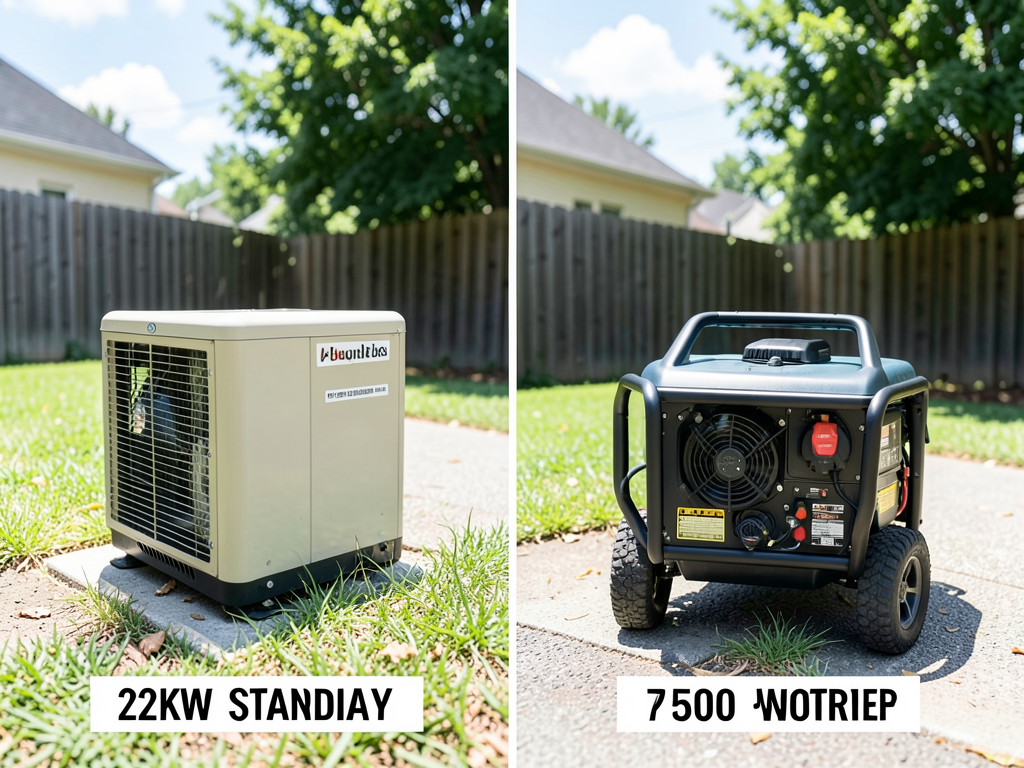
| Power Output | 7 to 22 kilowatts or more | 2 to 7.5 kilowatts |
| Fuel Source | Natural gas or propane | Gasoline or propane |
| Installation | Permanent with transfer switch | Manual setup required |
| Convenience | Automatic startup within seconds | Manual startup and fueling |
| Cost Range | $4,000 to $12,000 installed | $500 to $2,500 plus accessories |
| Maintenance | Annual professional service | Regular oil changes and testing |
Deep Dive: The Benefits of Standby Generators for Houston Weather
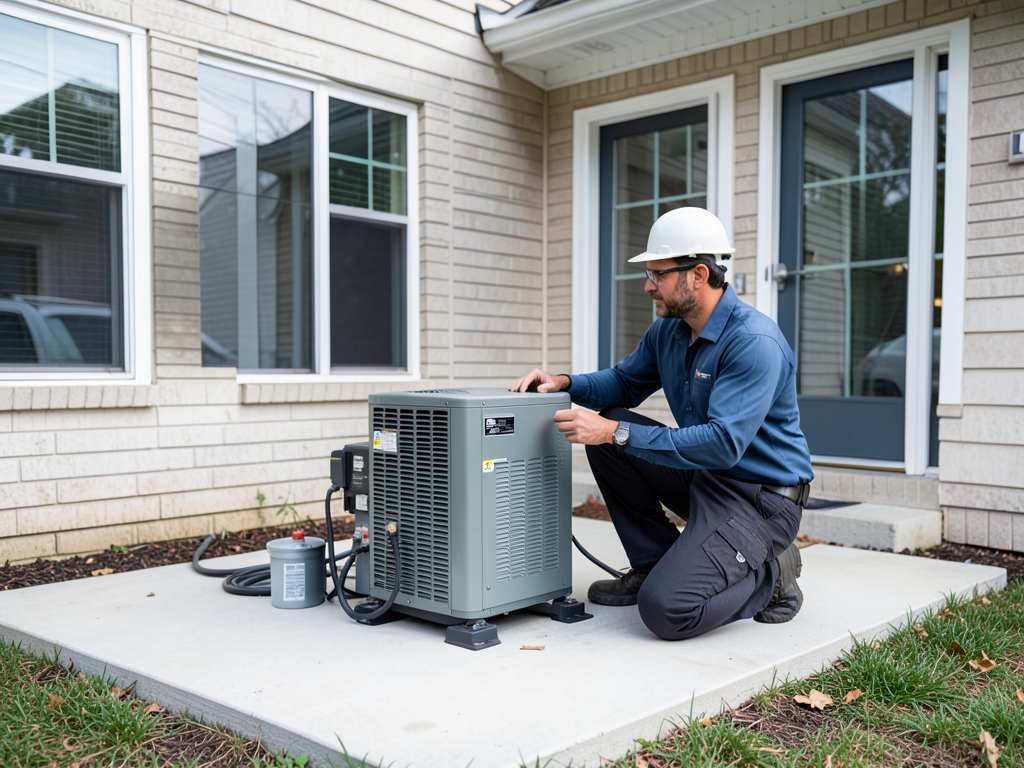
A standby generator connects directly to your home’s electrical system and natural gas line. When the power fails the automatic transfer switch senses the outage and starts the generator within seconds. This seamless operation means your air conditioning refrigerators and medical devices keep running without you lifting a finger. Electrical Houston.
Friendswood homes often need more power than smaller units can provide. A 22-kilowatt standby system can run multiple air conditioners lights and appliances at once. This matters during Houston’s brutal summer heat when losing AC for hours can make your home unsafe.
Natural gas lines run underground so they rarely fail during storms. This reliability beats storing gasoline which can run out at stations during emergencies. Standby units also include built-in surge protection that shields your electronics from power spikes when electricity returns. Protect Your Tech With Professional Whole House Surge Protection in Cypress.
The main drawback is upfront cost. Installation requires permits from Harris County and coordination with your gas utility. The unit needs a concrete pad and proper clearance from windows and doors for exhaust safety. Professional installation ensures code compliance and safe operation. Harris County permitting information.
Understanding Portable Generators: Flexibility vs Manual Effort
Portable generators offer lower initial costs and flexibility. You can use them for camping tailgating or powering tools at a job site. During a storm you wheel the unit outside connect it with extension cords or a manual transfer switch and start it yourself.
A 7500-watt portable can run essential circuits like your refrigerator microwave and a few lights. Some homeowners add a manual transfer switch to power hardwired items like your well pump or furnace. This setup costs less than a standby system but requires manual operation.. Read more about What Shoreacres Homeowners Need to Check After a Major Gulf Coast Storm.
Portables need regular maintenance. You must store fresh fuel test the unit monthly and change oil as recommended. During extended outages you will need to refuel every few hours. This hands-on approach works for people comfortable with equipment who want to save money.
Safety matters with portables. Never run them indoors or in attached garages due to carbon monoxide risks. Keep them at least 20 feet from your home with exhaust pointing away. Wet conditions require extra caution to prevent shocks.
Houston-Specific Factors: Hurricanes Humidity and HOAs
Friendswood sits in a high-risk hurricane zone. Recent storms like Hurricane Beryl showed how quickly power can fail across Galveston County. Standby generators prove valuable when outages last days rather than hours.
Houston’s humidity accelerates corrosion in outdoor equipment. Standby units need rust-resistant enclosures and proper ventilation. Portables stored outside require weatherproof covers and regular cleaning to prevent moisture damage. How to Plan Your Outdoor Landscape Lighting in The Woodlands Without Overspending.
Homeowners associations in Friendswood and nearby League City often regulate generator placement. Some require screening or specific setback distances. Check your HOA rules before choosing a location. Noise ordinances also apply especially for portables which run louder than standby units.
Flooding concerns affect installation. Harris County requires standby units in flood zones to sit on elevated pads at least 12 inches above the 100-year flood level. This adds to installation costs but protects your investment during heavy rains.
Cost Analysis: Installation and Maintenance in SE Texas
Standby generator costs break down into equipment and installation. A 16-kilowatt unit might cost $3,500 to $4,500. Installation including the transfer switch concrete pad electrical work and permits adds $2,000 to $4,000. Total investment ranges from $5,500 to $8,500 depending on complexity.. Read more about Electrical considerations for adding a home elevator in Piney Point Village.
Portable generators cost less upfront. A quality 7500-watt unit runs $800 to $1,200. Add a manual transfer switch for $400 to $600 plus installation. Extension cords and fuel storage bring total costs to $1,500 to $2,000.
Maintenance differs significantly. Standby units need annual professional service at $200 to $300. This includes oil changes battery testing and system checks. Portables require DIY maintenance with oil and filters costing $50 to $100 yearly.. Read more about Battery backup systems for life saving medical equipment in Medical Center homes.
Fuel costs vary by usage. Natural gas for standby units costs about $2 to $4 per hour depending on load. Portables burning gasoline at $3 per gallon use about 0.5 to 0.75 gallons per hour. Over a three-day outage this adds up quickly.
Permitting and Code Compliance in Harris County
Texas requires permits for both generator types but the process differs. Standby installations need electrical permits from Harris County and possibly gas permits from your utility. The work must follow National Electrical Code standards and local amendments. National Association of Certified Home Inspectors generator safety guide.
Transfer switches require a dedicated breaker in your main panel. Only licensed electricians can install these. The switch must match your generator’s capacity and include proper grounding. Interlock kits for portables also need permits and professional installation. The Top Rated Licensed Electricians Serving the River Oaks Area.
Noise regulations in Friendswood limit generator sound to 70 decibels at the property line during daytime hours. Standby units typically run 65 to 70 dB while portables can reach 75 to 85 dB. This difference matters for close neighbors.
Elevation requirements protect against flooding. Units must sit on stable pads with proper drainage. Electrical connections need weatherproof enclosures rated for outdoor use. These requirements ensure safe operation during Houston’s frequent storms.
Making Your Decision: Factors That Matter Most
Start by calculating your power needs. List essential items like your refrigerator HVAC system and medical equipment. A refrigerator needs about 800 watts while a central AC unit can require 3500 to 5000 watts. Add these up to determine minimum generator size.
Consider your outage patterns. If you lose power twice yearly for a few hours a portable might suffice. If outages last days or happen weekly a standby system pays off through convenience and reliability.
Think about your lifestyle. Do you work from home and need uninterrupted internet? Do you have elderly family members who need medical equipment? These factors push toward automatic backup.
Budget matters but so does long-term value. A standby generator can increase your home’s resale value by $5,000 to $10,000. It also prevents food spoilage and protects against heat-related health issues during summer outages.
Finally assess your comfort with equipment. Portables require manual effort during stressful situations. Standby systems handle everything automatically but cost more upfront. Choose based on what you want during the next big storm.
Installation Considerations for Your Friendswood Home
Location affects both performance and compliance. Standby units need 5 feet of clearance from windows doors and air intakes. They also require access for maintenance and proper exhaust routing away from your home.
Natural gas availability matters. Most Friendswood homes connect easily to gas lines but older properties might need line extensions. This adds $500 to $1,500 to installation costs. Propane works as an alternative but requires tank installation.
Electrical panel capacity limits your options. Older panels might need upgrades to handle generator loads. A typical upgrade costs $1,000 to $2,500 but ensures safe operation of both your home and backup power.
Consider future needs. A larger standby unit now might save money later if you add electric vehicles or expand your home. Oversizing slightly costs more upfront but provides flexibility.
Professional assessment helps avoid mistakes. Electricians calculate your actual load needs and recommend appropriate equipment. They also identify potential code issues before installation begins.
Maintenance Requirements for Houston’s Climate
Standby generators need regular exercise cycles to stay ready. Most units run self-tests weekly for 10 to 20 minutes. This keeps components lubricated and identifies problems early. Houston’s humidity means more frequent air filter changes than drier climates.
Oil changes matter more in hot weather. Standby units should get fresh oil every 100 hours of operation or annually whichever comes first. Portables need changes every 50 to 75 hours. Houston’s heat breaks down oil faster than cooler areas.
Battery maintenance prevents startup failures. Standby units include batteries that last 3 to 5 years. Test them annually and replace when they show weakness. Portables use the same batteries but you can swap them more easily.
Fuel system care prevents problems. Natural gas lines need periodic inspection for leaks or corrosion. Propane tanks require level checks and valve testing. Gasoline for portables needs stabilizers if stored more than 30 days.
Cleaning keeps units efficient. Remove debris from enclosures and check for rodent nests. Houston’s year-round warmth means pests can invade equipment anytime. Quarterly visual inspections catch issues early.
Safety Considerations You Cannot Ignore
Carbon monoxide kills when generators run incorrectly. Standby units exhaust outdoors automatically. Portables require strict outdoor placement with proper ventilation. Install CO detectors near bedrooms as backup protection.
Electrical safety prevents fires and shocks. Transfer switches isolate your home from the grid during outages. This protects utility workers and prevents backfeeding which can destroy your generator.
Fuel storage requires caution. Keep gasoline in approved containers away from living spaces. Propane tanks need stable foundations and protection from impacts. Never modify fuel systems yourself.
Weather protection extends equipment life. Standby units include weatherproof enclosures. Portables need covers during rain but never wrap them while running. Heat buildup can cause fires.
Children and pets need protection from moving parts and hot surfaces. Install barriers around portable units during operation. Teach family members about generator dangers.
Cost of Ownership Beyond Installation
Standby systems include ongoing costs most people overlook. Annual service contracts run $200 to $400. Parts like air filters and spark plugs cost $50 to $100 yearly. These expenses ensure reliability when you need power most.
Portable ownership costs vary by usage. Fuel represents the biggest expense during outages. A three-day storm might burn $100 to $200 in gasoline. Add oil changes and occasional repairs for a complete picture.
Insurance implications matter. Some carriers offer discounts for standby generators due to reduced claim risks. Others might increase premiums slightly for the added equipment value. Check with your agent before deciding.. Read more about Deciding between a Tesla Powerwall or a Kohler standby generator for your Fulshear home.
Property taxes can change. Standby generators often count as home improvements that increase assessed value. This might add $20 to $50 yearly in taxes. The increase usually pales compared to the system’s benefits.
Resale considerations affect long-term value. Buyers often pay premiums for homes with backup power in storm-prone areas. This can offset much of your initial investment when you sell.
Making the Final Choice for Your Family
Both generator types serve the same purpose but in different ways. Standby systems offer convenience and reliability at higher cost. Portables provide flexibility and lower initial investment with more hands-on operation.
Consider your specific situation. Do you work from home and need constant power? Do you have medical equipment that cannot fail? These needs push toward automatic backup. If you just want to keep a few lights on during occasional outages a portable might work fine.
Talk to local experts who understand Friendswood’s unique challenges. They know which equipment performs best in Houston’s humidity and which installation methods comply with local codes. Their experience prevents costly mistakes.
Remember that no choice is permanent. Many homeowners start with portables then upgrade to standby systems as budgets allow. The key is having some backup power rather than none.
Ready to protect your home from the next big storm? Call Titan Electricians Houston at (281) 552-7811 for a free assessment. We will help you choose the right generator and handle all permitting and installation. Don’t wait until the next outage leaves you in the dark.
Frequently Asked Questions
How long do standby generators typically last?
Quality standby generators last 15 to 20 years with proper maintenance. The engine often outlasts the electrical components. Houston’s humidity can reduce lifespan slightly without regular servicing and rust prevention.
Can I install a generator myself to save money?
Texas law requires licensed electricians for transfer switch installation. DIY work violates electrical codes and can create deadly backfeeding hazards. Professional installation also ensures warranty coverage and proper permitting.
What size generator do I need for my 2000 square foot home?
Size depends on what you want to power not just square footage. A 2000-square-foot home might need 12 to 16 kilowatts for whole-house coverage or 5 to 7 kilowatts for essentials only. An electrician calculates your specific load requirements.
How loud are generators during operation?
Standby units run 65 to 70 decibels about as loud as normal conversation. Portables reach 75 to 85 decibels similar to busy street traffic. Friendswood noise ordinances limit daytime operation to 70 decibels at property lines.
You may also find this helpful. Protecting your expensive Porter AC unit from power surges and brownouts.
{
“@context”: “https://schema.org”,
“@type”: “BlogPosting”,
“headline”: “Deciding between a portable generator or a standby system for your Friendswood home”,
“description”: “Choosing the right backup power solution for your Friendswood home? Compare portable vs standby generators with expert advice on costs, installation, and Houston weather resilience.”,
“wordCount”: 2204,
“datePublished”: “2026-05-21T15:32:00.000Z”,
“dateModified”: “2026-05-21T15:32:00.000Z”,
“inLanguage”: “en-US”,
“mainEntityOfPage”: {
“@type”: “WebPage”,
“@id”: “https://titanelectricianshouston.com”
},
“publisher”: {
“@type”: “LocalBusiness”,
“name”: “Titan Electricians Houston”,
“url”: “https://titanelectricianshouston.com”
},
“author”: {
“@type”: “Organization”,
“name”: “Titan Electricians Houston”,
“url”: “https://titanelectricianshouston.com”
},
“image”: {
“@type”: “ImageObject”,
“url”: “https://titanelectricianshouston.com/wp-content/uploads/2026/03/deciding-between-a-portable-generator-or-a-standby-1.png”
}
}
{
“@context”: “https://schema.org”,
“@type”: “Electrician”,
“name”: “Titan Electricians Houston”,
“url”: “https://titanelectricianshouston.com”,
“address”: {
“@type”: “PostalAddress”,
“addressLocality”: “Houston”
},
“areaServed”: {
“@type”: “City”,
“name”: “Houston”
}
}
{
“@context”: “https://schema.org”,
“@type”: “FAQPage”,
“mainEntity”: [
{
“@type”: “Question”,
“name”: “How long do standby generators typically last?”,
“acceptedAnswer”: {
“@type”: “Answer”,
“text”: “Quality standby generators last 15 to 20 years with proper maintenance. The engine often outlasts the electrical components. Houston’s humidity can reduce lifespan slightly without regular servicing and rust prevention.”
}
},
{
“@type”: “Question”,
“name”: “Can I install a generator myself to save money?”,
“acceptedAnswer”: {
“@type”: “Answer”,
“text”: “Texas law requires licensed electricians for transfer switch installation. DIY work violates electrical codes and can create deadly backfeeding hazards. Professional installation also ensures warranty coverage and proper permitting.”
}
},
{
“@type”: “Question”,
“name”: “What size generator do I need for my 2000 square foot home?”,
“acceptedAnswer”: {
“@type”: “Answer”,
“text”: “Size depends on what you want to power not just square footage. A 2000-square-foot home might need 12 to 16 kilowatts for whole-house coverage or 5 to 7 kilowatts for essentials only. An electrician calculates your specific load requirements.”
}
},
{
“@type”: “Question”,
“name”: “How loud are generators during operation?”,
“acceptedAnswer”: {
“@type”: “Answer”,
“text”: “Standby units run 65 to 70 decibels about as loud as normal conversation. Portables reach 75 to 85 decibels similar to busy street traffic. Friendswood noise ordinances limit daytime operation to 70 decibels at property lines.”
}
}
]
}
{
“@context”: “https://schema.org”,
“@type”: “BreadcrumbList”,
“itemListElement”: [
{
“@type”: “ListItem”,
“position”: 1,
“name”: “Home”,
“item”: “https://titanelectricianshouston.com”
},
{
“@type”: “ListItem”,
“position”: 2,
“name”: “Blog”,
“item”: “https://titanelectricianshouston.com/blog”
},
{
“@type”: “ListItem”,
“position”: 3,
“name”: “Deciding between a portable generator or a standby system for your Friendswood home”
}
]
}
{
“@context”: “https://schema.org”,
“@type”: “Service”,
“serviceType”: “Electricians”,
“provider”: {
“@type”: “LocalBusiness”,
“name”: “Titan Electricians Houston”,
“url”: “https://titanelectricianshouston.com”
},
“areaServed”: {
“@type”: “City”,
“name”: “Houston”
},
“description”: “Choosing the right backup power solution for your Friendswood home? Compare portable vs standby generators with expert advice on costs, installation, and Houston weather resilience.”
}