
Battery backup systems for life saving medical equipment in Medical Center homes
Living near Houston’s Texas Medical Center means many families have life-saving medical equipment at home. When the power goes out, that equipment stops working. A battery backup system keeps your CPAP machine, oxygen concentrator, or home dialysis unit running during blackouts. These systems give you peace of mind when storms hit or the grid fails. Electrical Houston.
Why Houston homeowners need dedicated medical power backups
Houston’s power grid faces unique challenges. The city sits in Hurricane Alley where tropical storms can knock out electricity for days. In 2021, Winter Storm Uri left thousands without power for over 72 hours. CenterPoint Energy’s service area experiences an average of 1.5 outages per customer each year, with medical device users facing the highest risk.. Read more about Upgrading your Medical Center condo with smart mirrors and touchless tech.
Medical equipment needs clean, stable power. A sudden outage can damage sensitive electronics or cause devices to reset improperly. For patients using oxygen concentrators, even a 30-second interruption can be dangerous. Home dialysis patients risk infection if treatments stop mid-cycle. Temperature-sensitive medications in refrigerators can spoil within hours without power.
The Texas Medical Center area homes often have older electrical systems not designed for modern medical loads. Many were built before the 1980s when home health equipment wasn’t common. These homes need dedicated circuits and proper grounding to safely run backup systems.
Types of backup systems for life-support equipment
Choosing the right backup system depends on your equipment’s power needs and how long outages typically last in your area. Here are the main options available to Houston residents.
Uninterruptible Power Supplies (UPS)
A UPS provides instant power when the grid fails. These units switch to battery power in less than 5 milliseconds, so your devices never notice the outage. They’re perfect for CPAP machines, oxygen concentrators, and other sensitive electronics that can’t tolerate even a brief interruption.
UPS units range from small desktop models under $200 to large rack-mounted systems costing several thousand dollars. The key is matching the UPS capacity to your equipment’s wattage. A typical CPAP machine uses 50-100 watts, while an oxygen concentrator might need 300-500 watts.
Battery Backup Systems
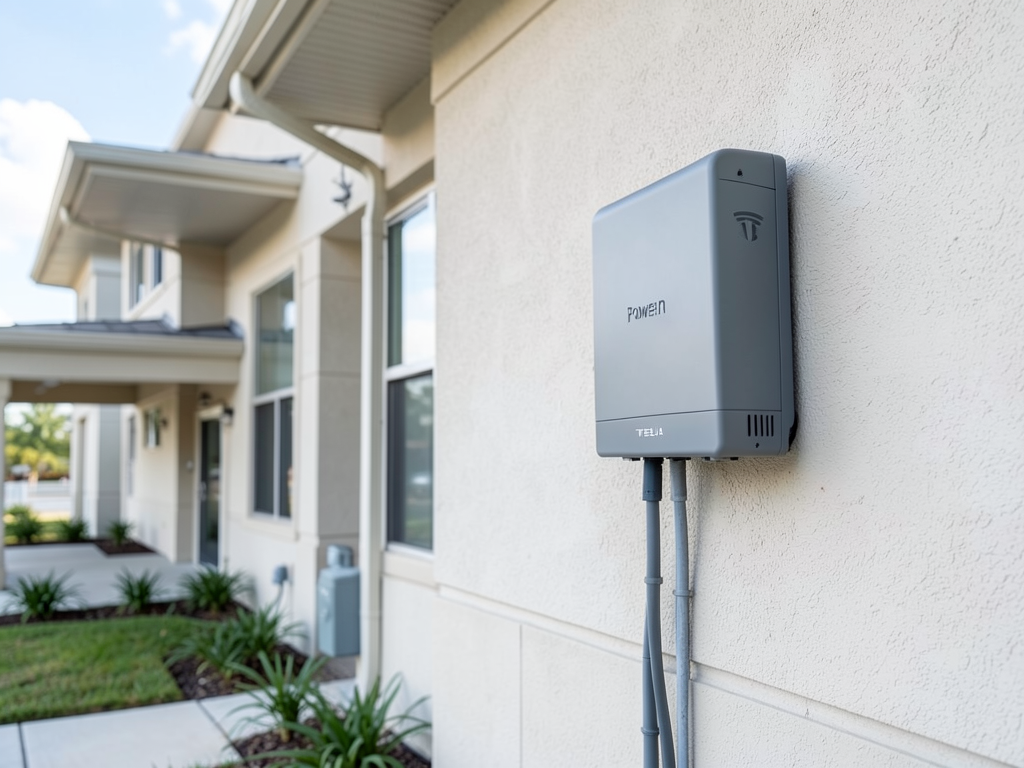
Modern lithium-ion battery systems like the Tesla Powerwall store enough energy to run medical equipment for hours or even days. These systems connect to your home’s electrical panel and automatically provide power when the grid fails. They’re silent, require no fuel, and can be mounted indoors or outdoors. How to Get a Tesla Home Charger Installed in Katy Without the Stress.
A single Powerwall stores about 13.5 kilowatt-hours of energy. This can run a 500-watt oxygen concentrator for about 27 hours. Multiple batteries can be linked together for longer runtimes. These systems also work with solar panels to recharge during extended outages.
Standby Generators
Whole-house generators run on natural gas or propane and can power your entire home for days. They start automatically within 10-30 seconds of a power outage. While excellent for whole-house coverage, they have a brief delay that makes them unsuitable as the sole backup for equipment needing instant power.
Generac and Kohler make popular models for Houston homes. A 10-kilowatt generator costs $3,000-$5,000 plus installation. These units need regular maintenance and proper permits from Harris County.
Compatibility with critical medical devices
Different medical devices have different power requirements. Here’s what you need to know about common home medical equipment.
| Medical Device | Typical Power Use | Backup Recommendation |
|---|---|---|
| CPAP/BiPAP Machine | 50-100 watts | UPS or small battery |
| Oxygen Concentrator | 300-500 watts | Battery backup or generator |
| Home Dialysis Unit | 500-1000 watts | Large battery or generator |
| Electric Wheelchair Charger | 200-400 watts | Battery backup |
| Refrigerated Medications | 100-200 watts | Any backup system |
CPAP machines need clean, stable power to function properly. A UPS prevents the brief interruption that could reset the machine or cause error codes. Most CPAP users need 2-4 hours of backup power for typical Houston outages.
Oxygen concentrators draw more power and often run continuously. A 500-watt unit needs a battery system with at least 1,000-watt capacity for 2 hours of runtime. For longer outages, a generator or multiple batteries become necessary.
Home dialysis units are the most power-hungry common medical device. These units need 1,000+ watts and often run for 4+ hours per treatment. A dedicated backup system is essential for dialysis patients.
The installation process: safety and compliance
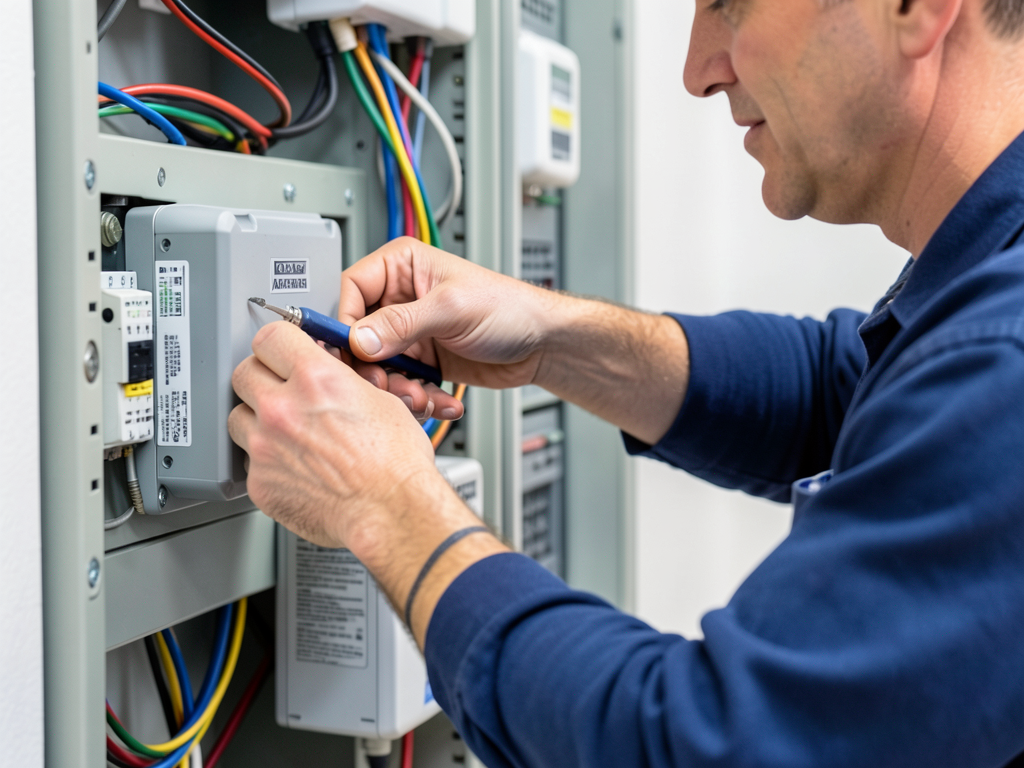
Installing medical-grade backup systems requires professional electrical work. The National Electrical Code has specific requirements for life-safety equipment. In Houston, you’ll need permits from Harris County and inspections to ensure everything meets local codes. National Association of Certified Home Inspectors electrical safety.
A licensed electrician must calculate your total power needs. This includes not just your medical devices but also essential home systems like refrigeration and lighting. The calculation determines what size backup system you need and whether your electrical panel can handle the load. The Top Rated Licensed Electricians Serving the River Oaks Area.
Automatic Transfer Switches (ATS) are crucial for seamless power transitions. These devices sense when utility power fails and switch your home to backup power automatically. For medical equipment, the switch must happen within seconds to prevent interruptions.
Houston’s building codes require specific safety features. Battery systems need proper ventilation and fire protection. Generators require correct fuel line installation and carbon monoxide detectors. All wiring must use proper gauge wire for the current load. Protect Your Tech With Professional Whole House Surge Protection in Cypress.
Permitting typically takes 1-2 weeks in Harris County. The process includes submitting electrical plans, paying fees, and scheduling inspections. Your electrician should handle all permitting to ensure compliance.
Maintenance and 24/7 emergency support
Backup systems need regular maintenance to work when you need them. Battery systems require annual checks of connections and capacity testing. Generators need oil changes, filter replacements, and load testing every 6 months.
Houston’s humidity causes corrosion in outdoor electrical equipment. Salt air from the Gulf accelerates this process. Professional maintenance includes cleaning corrosion, checking battery health, and testing all connections. How to Plan Your Outdoor Landscape Lighting in The Woodlands Without Overspending.
Many backup system providers offer 24/7 emergency support. This matters because equipment failures don’t follow business hours. Look for companies with local Houston offices that can respond quickly during storms or other emergencies.
Annual service plans typically cost $200-$500 depending on system complexity. These plans often include priority service, discounted repairs, and regular maintenance visits. Some providers offer medical alert monitoring that contacts you if your backup system fails.
Testing your backup system monthly ensures it will work during an actual outage. Most systems have a test mode that simulates a power failure. Run this test with your medical equipment connected to verify everything switches over properly.
Cost factors and insurance considerations
Backup system costs vary widely based on capacity and features. A small UPS for a CPAP machine costs $150-$400. A whole-house battery system runs $10,000-$20,000 installed. Generators range from $3,000 for portable units to $15,000+ for whole-house systems.
Several factors affect pricing. Installation complexity matters – homes with older electrical panels or difficult access cost more to upgrade. Fuel type impacts generator costs, with natural gas being cheaper than propane in most Houston areas. Battery capacity directly affects price, with larger systems costing more.
Insurance may cover some costs. Medicare and Medicaid sometimes reimburse for medically necessary backup power. Private insurance coverage varies by policy. Keep all receipts and documentation for insurance claims.
Tax credits may be available for energy storage systems. The federal Investment Tax Credit offers up to 30% credit for battery installations if certain conditions are met. Check current year eligibility requirements.
Choosing the right provider in Houston
Not all electricians understand medical equipment requirements. Look for companies with specific experience in medical backup installations. Ask about their experience with your particular devices and their familiarity with Houston’s permitting process.
Key questions to ask potential providers:
- How many medical backup systems have you installed in Houston?
- Are you licensed and insured in Harris County?
- Can you handle all permitting and inspections?
- What maintenance plans do you offer?
- Do you provide 24/7 emergency support?
Local companies understand Houston’s specific challenges. They know about CenterPoint Energy’s service patterns, local weather risks, and county permitting requirements. They can also recommend systems proven to work in Houston’s humid climate.
Ask for references from other medical device users. A reputable company will gladly provide local references. Check online reviews specifically mentioning medical installations.
Preparing for hurricane season
Houston’s hurricane season runs June through November. During this time, backup systems face their biggest test. Preparation starts before storm season begins.
Test your backup system in May each year. This ensures everything works before the first storms arrive. Check battery charge levels, test generator starts, and verify all connections are secure.
Keep emergency supplies ready. This includes extra batteries for portable medical devices, a supply of medications that don’t require refrigeration, and a battery-powered weather radio. Have a written emergency plan that includes your backup system’s operation.
Consider surge protection for your backup system. Lightning strikes are common during Houston thunderstorms. A whole-house surge protector can prevent damage to your expensive backup equipment.
Know your equipment’s runtime needs. Calculate how long your backup system can run your medical devices. This helps you plan for extended outages and decide if you need additional capacity.
Frequently Asked Questions
How long will a battery backup run my oxygen concentrator?
A typical 500-watt oxygen concentrator needs about 500 watts of backup capacity for each hour of runtime. A 10-kilowatt-hour battery system can run this concentrator for about 20 hours. Actual runtime depends on battery age, temperature, and other loads on the system.
Do I need permits to install a medical backup system?
Yes. Harris County requires permits for all permanent electrical installations including backup systems. The permitting process ensures your system meets safety codes and is properly inspected. Your electrician should handle all permitting requirements.
Can I install a backup system myself?
No. Texas law requires licensed electricians for permanent electrical installations. Medical backup systems involve high-voltage connections and require knowledge of local codes. Improper installation creates fire hazards and may void equipment warranties.
What happens if my backup system fails during a storm?
Quality backup systems include monitoring that alerts you to failures. Many providers offer 24/7 emergency support. Having a secondary backup plan, like a portable generator or extra batteries, provides additional security during critical times.
How much does a whole-house medical backup system cost?
Costs range from $8,000 to $25,000 depending on your home’s size and power needs. A basic system supporting essential medical equipment costs less than one powering your entire home. Installation complexity and local permitting fees also affect the final price.
Don’t wait until the next storm to protect your loved ones. Medical equipment power failures can be life-threatening. Contact Titan Electricians Houston today at (281) 552-7811 for a free consultation about your backup power needs. Our licensed electricians understand the unique challenges of Houston’s Medical Center area and can recommend the right solution for your specific medical equipment. Call now to schedule your assessment and ensure your family’s safety during the next power outage. For more information, visit CDC power outage guidelines for medical devices.
{
“@context”: “https://schema.org”,
“@type”: “BlogPosting”,
“headline”: “Battery backup systems for life saving medical equipment in Medical Center homes”,
“description”: “Ensure your life-saving medical devices never lose power. Learn about Houston’s best battery backup systems for home health equipment near the Texas Medical Center.”,
“wordCount”: 1864,
“datePublished”: “2026-05-10T13:11:00.000Z”,
“dateModified”: “2026-05-10T13:11:00.000Z”,
“inLanguage”: “en-US”,
“mainEntityOfPage”: {
“@type”: “WebPage”,
“@id”: “https://titanelectricianshouston.com”
},
“publisher”: {
“@type”: “LocalBusiness”,
“name”: “Titan Electricians Houston”,
“url”: “https://titanelectricianshouston.com”
},
“author”: {
“@type”: “Organization”,
“name”: “Titan Electricians Houston”,
“url”: “https://titanelectricianshouston.com”
},
“image”: {
“@type”: “ImageObject”,
“url”: “https://titanelectricianshouston.com/wp-content/uploads/2026/03/battery-backup-systems-for-life-saving-medical-equ-1.png”
}
}
{
“@context”: “https://schema.org”,
“@type”: “Electrician”,
“name”: “Titan Electricians Houston”,
“url”: “https://titanelectricianshouston.com”,
“address”: {
“@type”: “PostalAddress”,
“addressLocality”: “Houston”
},
“areaServed”: {
“@type”: “City”,
“name”: “Houston”
}
}
{
“@context”: “https://schema.org”,
“@type”: “FAQPage”,
“mainEntity”: [
{
“@type”: “Question”,
“name”: “How long will a battery backup run my oxygen concentrator?”,
“acceptedAnswer”: {
“@type”: “Answer”,
“text”: “A typical 500-watt oxygen concentrator needs about 500 watts of backup capacity for each hour of runtime. A 10-kilowatt-hour battery system can run this concentrator for about 20 hours. Actual runtime depends on battery age, temperature, and other loads on the system.”
}
},
{
“@type”: “Question”,
“name”: “Do I need permits to install a medical backup system?”,
“acceptedAnswer”: {
“@type”: “Answer”,
“text”: “Yes. Harris County requires permits for all permanent electrical installations including backup systems. The permitting process ensures your system meets safety codes and is properly inspected. Your electrician should handle all permitting requirements.”
}
},
{
“@type”: “Question”,
“name”: “Can I install a backup system myself?”,
“acceptedAnswer”: {
“@type”: “Answer”,
“text”: “No. Texas law requires licensed electricians for permanent electrical installations. Medical backup systems involve high-voltage connections and require knowledge of local codes. Improper installation creates fire hazards and may void equipment warranties.”
}
},
{
“@type”: “Question”,
“name”: “What happens if my backup system fails during a storm?”,
“acceptedAnswer”: {
“@type”: “Answer”,
“text”: “Quality backup systems include monitoring that alerts you to failures. Many providers offer 24/7 emergency support. Having a secondary backup plan, like a portable generator or extra batteries, provides additional security during critical times.”
}
},
{
“@type”: “Question”,
“name”: “How much does a whole-house medical backup system cost?”,
“acceptedAnswer”: {
“@type”: “Answer”,
“text”: “Costs range from $8,000 to $25,000 depending on your home’s size and power needs. A basic system supporting essential medical equipment costs less than one powering your entire home. Installation complexity and local permitting fees also affect the final price.”
}
}
]
}
{
“@context”: “https://schema.org”,
“@type”: “BreadcrumbList”,
“itemListElement”: [
{
“@type”: “ListItem”,
“position”: 1,
“name”: “Home”,
“item”: “https://titanelectricianshouston.com”
},
{
“@type”: “ListItem”,
“position”: 2,
“name”: “Blog”,
“item”: “https://titanelectricianshouston.com/blog”
},
{
“@type”: “ListItem”,
“position”: 3,
“name”: “Battery backup systems for life saving medical equipment in Medical Center homes”
}
]
}
{
“@context”: “https://schema.org”,
“@type”: “Service”,
“serviceType”: “Electricians”,
“provider”: {
“@type”: “LocalBusiness”,
“name”: “Titan Electricians Houston”,
“url”: “https://titanelectricianshouston.com”
},
“areaServed”: {
“@type”: “City”,
“name”: “Houston”
},
“description”: “Ensure your life-saving medical devices never lose power. Learn about Houston’s best battery backup systems for home health equipment near the Texas Medical Center.”
}