
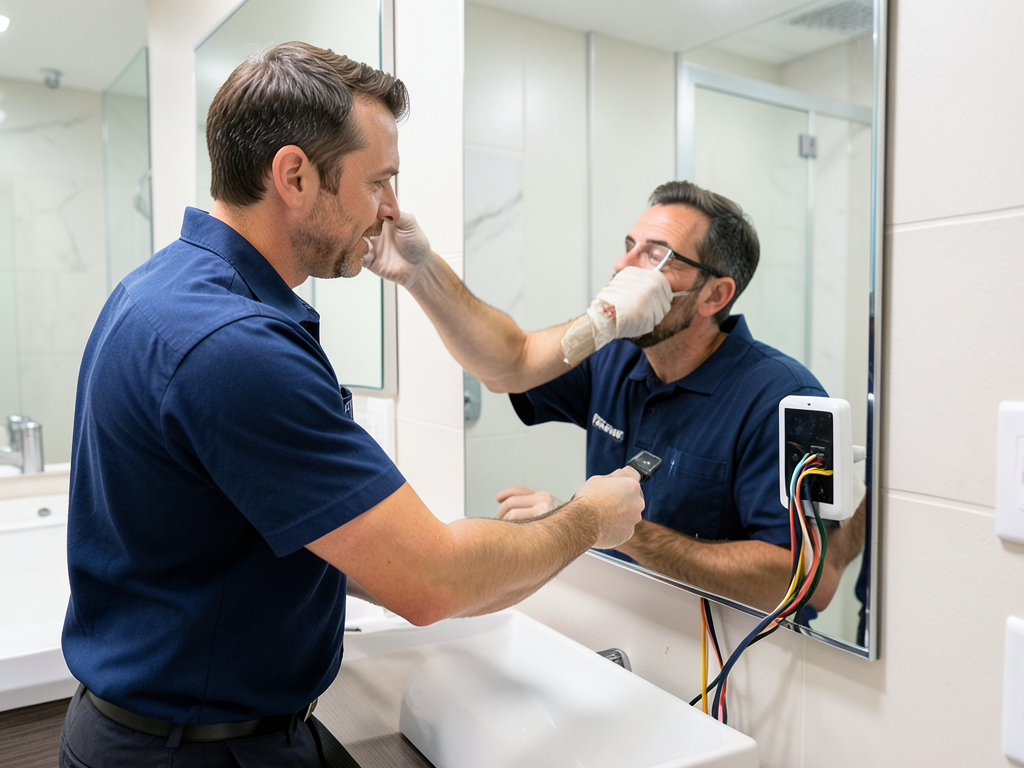
Upgrading your Medical Center condo with smart mirrors and touchless tech
Smart mirrors and touchless bathroom technology are transforming Medical Center condos into modern, efficient spaces. These upgrades add convenience and luxury but require proper electrical installation to work safely and reliably. Electrical Houston.
Medical Center high-rises have unique electrical requirements. Bathrooms need GFCI protection for all outlets. Smart mirrors often need dedicated circuits. The humid environment means you need moisture-rated components and proper ventilation planning. The Top Rated Licensed Electricians Serving the River Oaks Area.
Professional installation matters because smart mirrors are heavy and need secure mounting. Many require in-wall wiring for a clean look. The electrical work must meet Houston building codes and the National Electrical Code standards for wet locations. National Electrical Code.
This guide covers what you need to know about upgrading your Medical Center condo with smart mirrors and touchless technology. We will look at electrical requirements, installation steps, and local considerations that affect your project.
Smart mirror electrical requirements for Houston condos
Smart mirrors need specific electrical setups to function properly. Most require a standard 120-volt circuit but some larger models need dedicated 15 or 20-amp circuits. The bathroom location means all outlets must have GFCI protection to prevent shock hazards. Protect Your Tech With Professional Whole House Surge Protection in Cypress.
Many smart mirrors need constant power for features like anti-fog heating elements. These can draw 200-500 watts continuously. The heating elements help prevent condensation but increase your electrical load significantly. Three-Phase Power Services.
Wi-Fi connectivity is essential for smart features. Your mirror needs a strong signal in the bathroom. Concrete walls in high-rise buildings can block signals. You might need a Wi-Fi extender or mesh network for reliable performance. Finding a Reliable Electrician for Your Sugar Land Kitchen Remodel.
Touchless faucets and soap dispensers need low-voltage power supplies. Most use 12 or 24-volt DC power from a transformer. The transformer needs a nearby GFCI-protected outlet. Battery backup options exist but require regular maintenance.
Ventilation fans with humidity sensors need their own switches or smart controls. These fans help prevent moisture damage to your new technology. They should be on a separate circuit from your mirror to avoid overload.. Read more about Stopping bathroom moisture damage in Shady Acres with a professional fan upgrade.
Installation process for smart mirrors in Medical Center high-rises
Installing smart mirrors in condos requires careful planning. First, verify your building allows wall modifications. Many Medical Center high-rises have strict renovation rules. You need written approval before starting any work.
Measure your space carefully. Smart mirrors need proper clearance for doors and other fixtures. Most require at least 2 inches of wall depth for wiring and mounting hardware. Some need recessed boxes for a flush mount.
Turn off power at the breaker before starting. Test the circuit with a voltage tester to confirm it is dead. Remove the existing mirror or fixture. Patch any holes in the drywall if needed.
Install a new electrical box rated for wet locations. Use an in-wall rated power kit if your mirror needs hidden wiring. Run new cable from your breaker panel if you need a dedicated circuit. All bathroom wiring must be 12 or 14-gauge copper.
Mount the mirror according to manufacturer instructions. Most need at least two people for safe lifting. Use appropriate anchors for your wall type. Concrete walls need masonry anchors. Drywall needs toggle bolts or similar heavy-duty hardware.
Test all functions before finishing. Check the touch controls, lighting, and any smart features. Verify the Wi-Fi connection works. Make sure the anti-fog function operates correctly.
Touchless bathroom technology options
Touchless faucets save water and reduce germ spread. They use infrared sensors to detect hands. Most need 4 AA batteries or a low-voltage power supply. Battery life ranges from 6 to 12 months depending on usage.
Automatic soap dispensers mount next to your faucet. They dispense preset amounts of soap or sanitizer. Many have adjustable settings for volume and frequency. Some models include LED indicators for battery life and soap levels.
Toilet seat bidets with touchless controls are growing in popularity. These replace your existing seat and add heated water, air drying, and automatic flushing. They need a nearby GFCI outlet and water connection.
Motion-activated lighting adds convenience and energy savings. Lights turn on when you enter and off when you leave. These work well for nighttime bathroom visits. They install in place of standard light switches.
Smart exhaust fans monitor humidity levels and run automatically. They help prevent mold growth and protect your electronics. Many integrate with smart home systems for voice control and scheduling.
Building code requirements in Houston
Houston follows the National Electrical Code with local amendments. All bathroom outlets must be GFCI-protected. This includes outlets for smart mirrors, touchless faucets, and other bathroom tech.
Wet location ratings matter for bathroom installations. Electrical boxes, covers, and devices must be rated for damp or wet locations. This prevents corrosion and electrical failures in the humid environment.
Permits are required for most electrical work in Houston. Bathroom renovations usually need electrical, plumbing, and building permits. The permit process ensures your work meets safety standards.
Arc fault protection is required in many areas of the home. While not always required in bathrooms, it provides extra safety for bedroom circuits that might power bathroom tech.
Smoke detectors must be interconnected in new construction. If you add outlets near existing smoke detectors, you might need to upgrade to interconnected units for code compliance.
Cost factors for smart mirror installation
Smart mirror prices range from $300 to $3,000 depending on size and features. Basic LED mirrors cost less than models with touch controls, anti-fog, and smart displays.
Installation costs vary based on complexity. Simple replacements might cost $150 to $300. New installations with dedicated circuits can cost $500 to $1,000 or more.
Touchless faucet installation costs $200 to $500 including the fixture. High-end commercial models cost more but offer better durability and features.
Electrical upgrades add to the total cost. Running new circuits, installing GFCI protection, and upgrading panels can add $300 to $1,500 depending on your electrical system condition.
Smart home integration costs vary widely. Basic setup might cost $100 to $200. Complex systems with multiple devices and custom programming can cost $1,000 or more.
Smart home integration options
Smart mirrors work with most home automation systems. Amazon Alexa, Google Home, and Apple HomeKit all support mirror controls through third-party apps.
Voice control lets you adjust lighting, play music, or check the weather while using your mirror. This works best with mirrors that have built-in speakers and microphones.
Scheduling features help save energy. You can program lights to turn off automatically or set wake-up routines that gradually brighten the bathroom.
Remote monitoring lets you check mirror status from your phone. You can see if lights are on or get alerts about unusual power usage.
Integration with other bathroom devices creates a cohesive experience. Your mirror can communicate with your shower, lighting, and ventilation for optimal comfort and efficiency.
Maintenance and troubleshooting
Smart mirrors need regular cleaning with non-abrasive cleaners. Avoid spraying cleaners directly on the surface. Use a soft cloth to prevent scratches.
Check connections annually for loose wires or corrosion. The humid bathroom environment can cause connections to fail over time.
Update firmware when prompted by the manufacturer. Updates often include security patches and new features.
Replace batteries in touchless devices on schedule. Low batteries can cause inconsistent operation or complete failure.
Test GFCI outlets monthly by pressing the test button. This ensures your protection devices work correctly.
Energy efficiency considerations
LED lighting in smart mirrors uses 75% less energy than traditional bulbs. This saves money and reduces heat output in your bathroom.
Motion sensors prevent lights from staying on unnecessarily. This can save $20 to $50 per year depending on your usage patterns.
Low-flow touchless faucets reduce water heating costs. They can save 700+ gallons per year compared to standard faucets.
Smart scheduling optimizes energy use. You can program devices to operate only when needed, reducing standby power consumption.
Solar-powered options exist for some touchless devices. These eliminate wiring needs but work best with good natural light exposure.
Common problems and solutions
Wi-Fi connectivity issues are common in bathrooms. Concrete walls and metal fixtures can block signals. Use Wi-Fi extenders or mesh networks to improve coverage.
Moisture damage can affect electronic components. Use proper ventilation and choose devices rated for wet locations to prevent failures.
Power surges can damage sensitive electronics. Install whole-house surge protection to safeguard your investment.
Touch sensors can malfunction if dirty or wet. Clean regularly and ensure proper drainage around devices.
Software glitches may require resets. Keep manufacturer instructions handy for troubleshooting steps.
Future trends in bathroom technology
Voice-activated everything is becoming standard. Future bathrooms will respond to voice commands for lighting, temperature, and entertainment.
Health monitoring through mirrors is emerging. Some prototypes can check vital signs, skin condition, and even hydration levels.
Water conservation technology is advancing. Smart faucets can track usage and detect leaks automatically.
Augmented reality displays in mirrors will let you virtually try on clothes or see makeup applications before buying.
Biometric security is coming to bathrooms. Fingerprint or facial recognition could control access to medicine cabinets or adjust settings automatically.
Choosing the right products
Look for UL or ETL safety certifications on all electrical devices. This ensures they meet safety standards for your area.
Check warranty terms carefully. Smart mirrors often have 1-5 year warranties. Touchless devices may have shorter coverage periods.
Read reviews from other condo owners. Medical Center high-rises have specific challenges that general reviews might not address.
Consider compatibility with your existing smart home system. Some devices work better with certain platforms than others.
Factor in long-term support. Choose brands with good customer service and available replacement parts.
Preparing for installation
Clear the work area completely. Remove personal items, rugs, and any obstacles that could interfere with installation.
Have your building management information ready. You may need to provide proof of insurance or worker credentials.
Schedule work during convenient hours. Many buildings have restrictions on construction noise and hours of operation.
Plan for temporary bathroom closure. Installation might take several hours depending on complexity.
Keep pets and children away from the work area for safety reasons.
Professional vs. DIY considerations
Electrical work in bathrooms requires specific knowledge and tools. Licensed electricians understand code requirements and safety procedures.
DIY installation voids most warranties. Manufacturers require professional installation for full coverage.
Building management often requires licensed professionals for any electrical work. DIY could result in fines or required removal.
Professional installation includes proper permitting and inspections. This ensures your work meets all safety standards.
Time savings matter. Professionals complete installations faster and handle unexpected issues efficiently.
Safety considerations
Always turn off power before working on electrical devices. Use a voltage tester to confirm circuits are dead.
Wear safety glasses when working above your head. Small parts can fall and cause eye injuries.
Use proper lifting techniques for heavy mirrors. Many weigh 30-50 pounds and require two people to handle safely.
Keep water away from electrical work areas. Even small amounts of moisture can create shock hazards.
Test all devices thoroughly before considering the job complete. Verify proper operation of all safety features.
Getting started with your upgrade
Start by assessing your current bathroom setup. Note existing outlets, lighting, and any smart devices you already own.
Research products that fit your needs and budget. Consider both features and long-term reliability.
Consult with a licensed electrician about your plans. They can identify potential issues and suggest solutions.
Check your building rules and obtain necessary approvals before starting work.
Plan your budget including products, installation, and any required upgrades to your electrical system.
Frequently Asked Questions
Do I need a permit for smart mirror installation in my Medical Center condo?
Yes, most electrical work in Houston requires permits. Bathroom installations need permits for new circuits or modifications to existing wiring. Your building may have additional requirements.
How long does smart mirror installation take?
Simple replacements take 1-2 hours. New installations with dedicated circuits can take 4-6 hours. Complex integrations might require multiple visits.
Can I install a smart mirror myself?
DIY installation is not recommended for bathroom electrical work. It requires knowledge of codes, proper tools, and safety procedures. Most warranties require professional installation.
What happens if my Wi-Fi is weak in the bathroom?
Weak Wi-Fi causes smart features to malfunction. You may need a Wi-Fi extender, mesh network, or wired Ethernet connection for reliable performance.
Are smart mirrors safe in humid bathrooms?
Yes, when properly installed. Choose models rated for wet locations and ensure proper ventilation. All electrical components must be GFCI-protected and moisture-resistant.
Ready to upgrade your Medical Center condo?
Smart mirrors and touchless technology can transform your bathroom into a modern, efficient space. The right installation ensures safety, reliability, and years of trouble-free operation.
Professional installation matters for bathroom electrical work. Licensed electricians understand Houston codes, building requirements, and the unique challenges of Medical Center high-rises.
Call us today at (281) 552-7811 to schedule your smart mirror consultation. We will assess your space, explain your options, and provide a clear quote for professional installation that meets all safety standards.
Upgrade your Medical Center condo with confidence. Professional installation ensures your smart mirror and touchless technology work perfectly from day one. For more information, visit City of Houston Building Permits.
{
“@context”: “https://schema.org”,
“@type”: “BlogPosting”,
“headline”: “Upgrading your Medical Center condo with smart mirrors and touchless tech”,
“description”: “Professional smart mirror installation for Medical Center condos. Learn about GFCI outlets, recessed mounting, and Houston building code compliance.”,
“wordCount”: 2221,
“datePublished”: “2026-05-15T15:26:00.000Z”,
“dateModified”: “2026-05-15T15:26:00.000Z”,
“inLanguage”: “en-US”,
“mainEntityOfPage”: {
“@type”: “WebPage”,
“@id”: “https://titanelectricianshouston.com”
},
“publisher”: {
“@type”: “LocalBusiness”,
“name”: “Titan Electricians Houston”,
“url”: “https://titanelectricianshouston.com”
},
“author”: {
“@type”: “Organization”,
“name”: “Titan Electricians Houston”,
“url”: “https://titanelectricianshouston.com”
},
“image”: {
“@type”: “ImageObject”,
“url”: “https://titanelectricianshouston.com/wp-content/uploads/2026/03/upgrading-your-medical-center-condo-with-smart-mir-1.png”
}
}
{
“@context”: “https://schema.org”,
“@type”: “Electrician”,
“name”: “Titan Electricians Houston”,
“url”: “https://titanelectricianshouston.com”,
“address”: {
“@type”: “PostalAddress”,
“addressLocality”: “Houston”
},
“areaServed”: {
“@type”: “City”,
“name”: “Houston”
}
}
{
“@context”: “https://schema.org”,
“@type”: “FAQPage”,
“mainEntity”: [
{
“@type”: “Question”,
“name”: “Do I need a permit for smart mirror installation in my Medical Center condo?”,
“acceptedAnswer”: {
“@type”: “Answer”,
“text”: “Yes, most electrical work in Houston requires permits. Bathroom installations need permits for new circuits or modifications to existing wiring. Your building may have additional requirements.”
}
},
{
“@type”: “Question”,
“name”: “How long does smart mirror installation take?”,
“acceptedAnswer”: {
“@type”: “Answer”,
“text”: “Simple replacements take 1-2 hours. New installations with dedicated circuits can take 4-6 hours. Complex integrations might require multiple visits.”
}
},
{
“@type”: “Question”,
“name”: “Can I install a smart mirror myself?”,
“acceptedAnswer”: {
“@type”: “Answer”,
“text”: “DIY installation is not recommended for bathroom electrical work. It requires knowledge of codes, proper tools, and safety procedures. Most warranties require professional installation.”
}
},
{
“@type”: “Question”,
“name”: “What happens if my Wi-Fi is weak in the bathroom?”,
“acceptedAnswer”: {
“@type”: “Answer”,
“text”: “Weak Wi-Fi causes smart features to malfunction. You may need a Wi-Fi extender, mesh network, or wired Ethernet connection for reliable performance.”
}
},
{
“@type”: “Question”,
“name”: “Are smart mirrors safe in humid bathrooms?”,
“acceptedAnswer”: {
“@type”: “Answer”,
“text”: “Yes, when properly installed. Choose models rated for wet locations and ensure proper ventilation. All electrical components must be GFCI-protected and moisture-resistant.”
}
},
{
“@type”: “Question”,
“name”: “Ready to upgrade your Medical Center condo?”,
“acceptedAnswer”: {
“@type”: “Answer”,
“text”: “Smart mirrors and touchless technology can transform your bathroom into a modern, efficient space. The right installation ensures safety, reliability, and years of trouble-free operation.”
}
}
]
}
{
“@context”: “https://schema.org”,
“@type”: “BreadcrumbList”,
“itemListElement”: [
{
“@type”: “ListItem”,
“position”: 1,
“name”: “Home”,
“item”: “https://titanelectricianshouston.com”
},
{
“@type”: “ListItem”,
“position”: 2,
“name”: “Blog”,
“item”: “https://titanelectricianshouston.com/blog”
},
{
“@type”: “ListItem”,
“position”: 3,
“name”: “Upgrading your Medical Center condo with smart mirrors and touchless tech”
}
]
}
{
“@context”: “https://schema.org”,
“@type”: “Service”,
“serviceType”: “Electricians”,
“provider”: {
“@type”: “LocalBusiness”,
“name”: “Titan Electricians Houston”,
“url”: “https://titanelectricianshouston.com”
},
“areaServed”: {
“@type”: “City”,
“name”: “Houston”
},
“description”: “Professional smart mirror installation for Medical Center condos. Learn about GFCI outlets, recessed mounting, and Houston building code compliance.”
}