
Adding a home elevator in Piney Point Village requires more than just selecting the right model. The electrical system must meet strict safety codes and support the elevator’s power demands. Whether you live in a modern mansion off Memorial Drive or a classic estate near the Houston Country Club understanding the electrical requirements is the first step to a safe and compliant installation. Electrical Houston.
Core Electrical Specifications for Residential Elevators
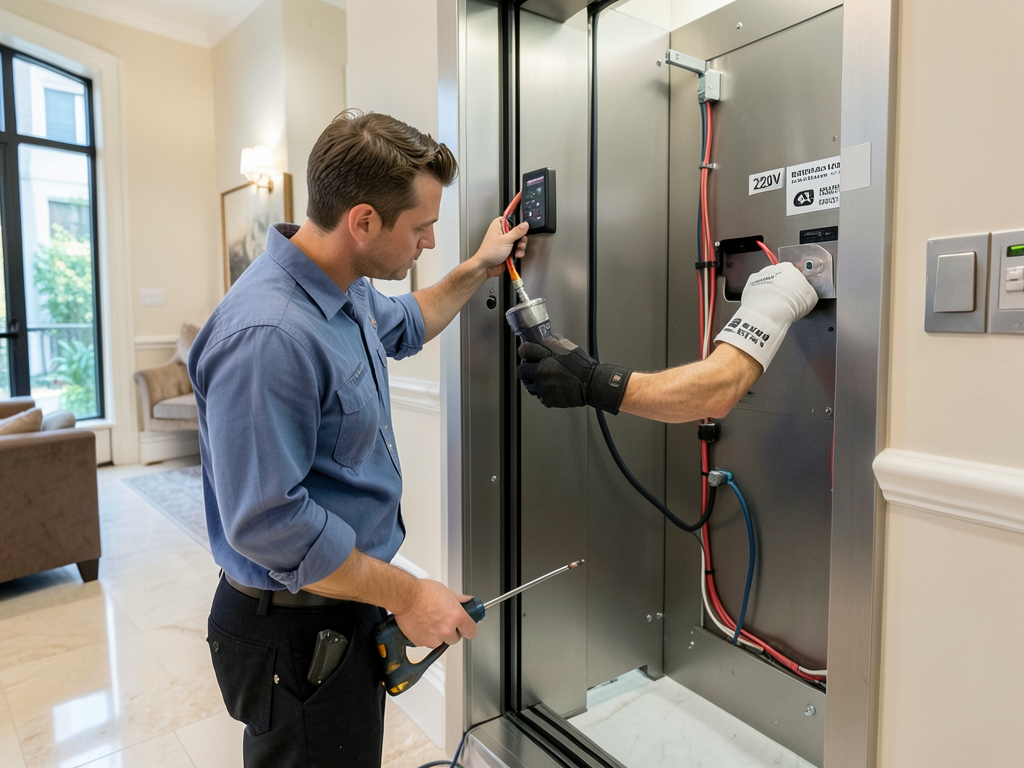
Residential elevators need dedicated electrical circuits to operate safely and efficiently. The main power supply typically requires a 220V-240V dedicated circuit with specific amperage based on the elevator motor type. Most hydraulic and traction drive systems need either a 30-amp or 50-amp disconnect switch located near the elevator machine room or controller. Three-Phase Power Services.
Standard residential elevators also need a separate 120V lighting circuit for the car interior and hoistway lighting. This circuit must include GFCI protection in the pit area to prevent shock hazards from moisture. The elevator controller itself may need climate control through a small HVAC circuit to maintain proper operating temperatures in Houston’s humid climate. Protect Your Tech With Professional Whole House Surge Protection in Cypress.
Machine Room-Less (MRL) elevators have different requirements. The compact controller mounts inside the hoistway but still needs proper ventilation and a dedicated power source. The pit lighting and GFCI requirements remain the same regardless of elevator type. Commercial Lighting Retrofits.
City of Houston Specific Codes and Permitting
Installing a home elevator in Houston requires permits from the City of Houston Public Works Department. The electrical permit process includes submitting detailed circuit diagrams and load calculations. Houston inspectors verify that all work meets both the National Electrical Code (NEC) Article 620 and local amendments. National Fire Protection Association elevator codes.
Harris County flood zone requirements affect elevator electrical placement. In flood-prone areas near Buffalo Bayou or other waterways electrical components must be elevated above the Base Flood Elevation (BFE). This often means mounting disconnect switches and controllers on higher walls or in secondary machine rooms.
The Texas Department of Licensing and Regulation (TDLR) requires elevator contractors to file Form ELV001 before installation begins. This notice triggers safety inspections and ensures compliance with Texas elevator safety standards. Only licensed Texas electricians can perform the electrical work and they must coordinate with the elevator contractor throughout the project. Texas Department of Licensing and Regulation elevator safety.
Machine Room vs. MRL (Machine Room-Less) Requirements
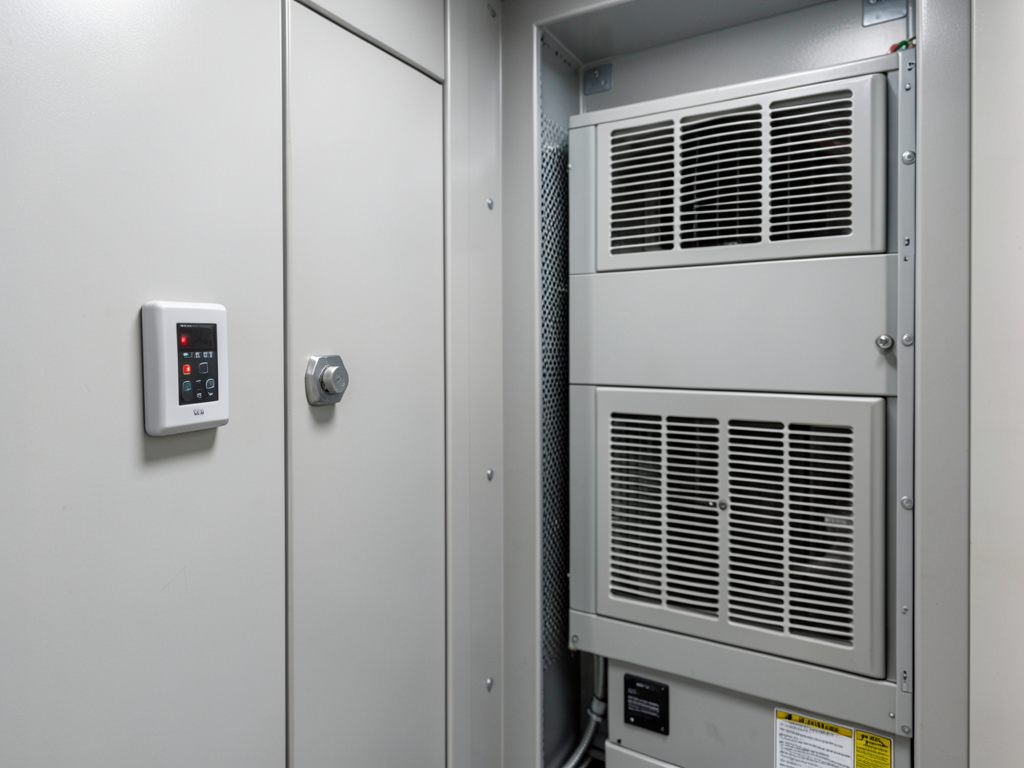
Traditional elevators with machine rooms need dedicated space for the controller disconnect switch and sometimes a small HVAC unit. The machine room must have proper lighting a GFCI-protected outlet and ventilation to prevent overheating. Access doors require specific hardware to meet emergency egress requirements.
MRL elevators eliminate the separate machine room but still need adequate space in the hoistway for the compact controller. The controller location must allow for proper airflow and easy access for maintenance. Both types require pit lighting with GFCI protection since the pit area can collect moisture from Houston’s humidity.
Climate control becomes critical in Houston’s heat and humidity. The elevator controller generates heat during operation and without proper ventilation or air conditioning components can fail prematurely. Most homeowners in Piney Point Village opt for small dedicated HVAC units in machine rooms or climate-controlled hoistway enclosures.
Emergency Systems and Backup Power
Emergency lowering systems require battery backup to safely return the elevator to the lowest level during power outages. The Uninterruptible Power Supply (UPS) must provide enough capacity for at least one complete descent and door operation. Houston’s frequent summer thunderstorms make this feature essential for resident safety. City of Houston Public Works permits.
Emergency communication systems need a dedicated phone line or approved VoIP connection. The phone must connect directly to emergency services or a monitoring center. Houston code requires the phone to be accessible from inside the car and clearly labeled for emergency use.
Smoke detectors in the elevator shaft and machine room integrate with the home’s fire alarm system. The elevator must automatically return to a safe floor and power down if smoke is detected. This integration requires coordination between the elevator electrical system and the home’s fire alarm panel.
Cost Factors and Installation Timeline
Electrical work for home elevators typically costs between $3000 and $8000 depending on the home’s existing infrastructure. Homes in Piney Point Village built before 2000 often need electrical panel upgrades to handle the new dedicated circuits. Newer homes may only need circuit installation and permit fees.
The timeline for electrical preparation usually takes 2-4 weeks from permit approval to final inspection. This includes running new conduit installing dedicated circuits and coordinating with the elevator contractor. Rush jobs may incur additional fees since electrical work must follow a specific sequence in the installation process.
Permitting delays can extend the timeline especially if the home is in a historic district or flood zone requiring additional reviews. Working with an electrician familiar with Houston’s permitting process helps avoid common delays and ensures code compliance from the start.
Frequently Asked Questions
Can I use a GFCI on the main power supply?
No. Standard GFCI breakers on the main elevator power supply cause nuisance tripping since elevator motors create normal ground leakage currents. Only the pit lighting and outlets need GFCI protection as required by NEC 620.
How much does elevator electrical work cost in Houston?
Costs range from $3000 to $8000 depending on your home’s electrical capacity and the elevator type. Older homes often need electrical panel upgrades adding $1500 to $3000 to the total. Most homeowners in Piney Point Village budget $5000 to $6000 for complete electrical preparation.
Do I need a separate permit for the electrical work?
Yes. The elevator contractor handles the elevator permit but you need a separate electrical permit from the City of Houston. Your electrician must pull this permit and schedule inspections with the city’s electrical inspector.
What happens if my home is in a flood zone?
Flood zone homes require elevated electrical components above the Base Flood Elevation. This may mean mounting disconnect switches higher on walls or creating secondary machine rooms on upper floors. Your electrician must coordinate with the elevator contractor to ensure all components meet elevation requirements.
Can I use my existing electrical panel?
Most homes built before 2000 need panel upgrades to handle the dedicated elevator circuits. The elevator requires a 220V-240V circuit plus a 120V lighting circuit which may exceed your panel’s available capacity. A licensed electrician can evaluate your panel during the planning phase. The Top Rated Licensed Electricians Serving the River Oaks Area.
How long does the electrical work take?
Electrical preparation typically takes 2-4 weeks including permit approval installation and final inspection. The timeline depends on your home’s existing infrastructure and whether you need panel upgrades. Coordinating with your elevator contractor helps ensure the electrical work finishes before elevator installation begins.
Working With Your Electrician and Elevator Contractor
Successful home elevator installation requires close coordination between your electrician and elevator contractor. The electrician must complete rough-in work before the elevator arrives but final connections happen after the elevator is in place. This phased approach prevents damage to finished surfaces and ensures proper alignment.
Your electrician should provide detailed circuit diagrams showing all dedicated circuits disconnect locations and grounding points. These diagrams help the elevator contractor plan their installation and assist inspectors during final review. Clear documentation also helps with future maintenance and troubleshooting.
Communication between contractors prevents costly mistakes. The elevator contractor needs to know your home’s electrical capacity panel location and any existing surge protection. Your electrician needs the elevator’s exact power requirements including startup surge amperage and continuous operating loads.
Safety and Maintenance Considerations
Regular electrical maintenance keeps your elevator operating safely. Annual inspections should check circuit breaker operation disconnect switch function and grounding system integrity. Houston’s humidity can cause corrosion in electrical connections making regular maintenance especially important in Piney Point Village’s climate.
Surge protection protects both the elevator and your home’s electrical system. Houston experiences frequent lightning strikes during summer storms and voltage spikes can damage sensitive elevator controllers. Whole-house surge protection combined with point-of-use protection at the elevator disconnect provides comprehensive coverage.
Emergency lighting in the hoistway and machine room ensures safe operation during power outages. Battery-powered emergency lights activate automatically when main power fails providing illumination for maintenance personnel and emergency responders.
Making Your Decision
Adding a home elevator represents a significant investment in your Piney Point Village home’s accessibility and value. The electrical requirements may seem complex but working with experienced professionals makes the process manageable. A licensed Texas electrician familiar with Houston codes can guide you through permitting installation and inspection requirements.
The right preparation prevents costly delays and ensures your elevator operates safely for years to come. Whether you’re planning for aging in place or adding luxury to your multi-story home proper electrical installation is the foundation of a successful elevator project.
Ready to start your home elevator project? Call Titan Electricians Houston at (281) 552-7811 for a comprehensive electrical evaluation. Our licensed electricians understand Houston’s specific requirements and can ensure your elevator installation passes inspection the first time.
{
“@context”: “https://schema.org”,
“@type”: “BlogPosting”,
“headline”: “Electrical considerations for adding a home elevator in Piney Point Village”,
“description”: “Complete guide to electrical requirements for home elevators in Piney Point Village including permits codes and installation costs”,
“wordCount”: 1521,
“datePublished”: “2026-05-11T14:40:00.000Z”,
“dateModified”: “2026-05-11T14:40:00.000Z”,
“inLanguage”: “en-US”,
“mainEntityOfPage”: {
“@type”: “WebPage”,
“@id”: “https://titanelectricianshouston.com”
},
“publisher”: {
“@type”: “LocalBusiness”,
“name”: “Titan Electricians Houston”,
“url”: “https://titanelectricianshouston.com”
},
“author”: {
“@type”: “Organization”,
“name”: “Titan Electricians Houston”,
“url”: “https://titanelectricianshouston.com”
},
“image”: {
“@type”: “ImageObject”,
“url”: “https://titanelectricianshouston.com/wp-content/uploads/2026/03/electrical-considerations-for-adding-a-home-elevat-1.png”
}
}
{
“@context”: “https://schema.org”,
“@type”: “Electrician”,
“name”: “Titan Electricians Houston”,
“url”: “https://titanelectricianshouston.com”,
“address”: {
“@type”: “PostalAddress”,
“addressLocality”: “Houston”
},
“areaServed”: {
“@type”: “City”,
“name”: “Houston”
}
}
{
“@context”: “https://schema.org”,
“@type”: “FAQPage”,
“mainEntity”: [
{
“@type”: “Question”,
“name”: “Can I use a GFCI on the main power supply?”,
“acceptedAnswer”: {
“@type”: “Answer”,
“text”: “No. Standard GFCI breakers on the main elevator power supply cause nuisance tripping since elevator motors create normal ground leakage currents. Only the pit lighting and outlets need GFCI protection as required by NEC 620.”
}
},
{
“@type”: “Question”,
“name”: “How much does elevator electrical work cost in Houston?”,
“acceptedAnswer”: {
“@type”: “Answer”,
“text”: “Costs range from $3000 to $8000 depending on your home’s electrical capacity and the elevator type. Older homes often need electrical panel upgrades adding $1500 to $3000 to the total. Most homeowners in Piney Point Village budget $5000 to $6000 for complete electrical preparation.”
}
},
{
“@type”: “Question”,
“name”: “Do I need a separate permit for the electrical work?”,
“acceptedAnswer”: {
“@type”: “Answer”,
“text”: “Yes. The elevator contractor handles the elevator permit but you need a separate electrical permit from the City of Houston. Your electrician must pull this permit and schedule inspections with the city’s electrical inspector.”
}
},
{
“@type”: “Question”,
“name”: “What happens if my home is in a flood zone?”,
“acceptedAnswer”: {
“@type”: “Answer”,
“text”: “Flood zone homes require elevated electrical components above the Base Flood Elevation. This may mean mounting disconnect switches higher on walls or creating secondary machine rooms on upper floors. Your electrician must coordinate with the elevator contractor to ensure all components meet elevation requirements.”
}
},
{
“@type”: “Question”,
“name”: “Can I use my existing electrical panel?”,
“acceptedAnswer”: {
“@type”: “Answer”,
“text”: “Most homes built before 2000 need panel upgrades to handle the dedicated elevator circuits. The elevator requires a 220V-240V circuit plus a 120V lighting circuit which may exceed your panel’s available capacity. A licensed electrician can evaluate your panel during the planning phase. The Top Rated Licensed Electricians Serving the River Oaks Area.”
}
},
{
“@type”: “Question”,
“name”: “How long does the electrical work take?”,
“acceptedAnswer”: {
“@type”: “Answer”,
“text”: “Electrical preparation typically takes 2-4 weeks including permit approval installation and final inspection. The timeline depends on your home’s existing infrastructure and whether you need panel upgrades. Coordinating with your elevator contractor helps ensure the electrical work finishes before elevator installation begins.”
}
}
]
}
{
“@context”: “https://schema.org”,
“@type”: “BreadcrumbList”,
“itemListElement”: [
{
“@type”: “ListItem”,
“position”: 1,
“name”: “Home”,
“item”: “https://titanelectricianshouston.com”
},
{
“@type”: “ListItem”,
“position”: 2,
“name”: “Blog”,
“item”: “https://titanelectricianshouston.com/blog”
},
{
“@type”: “ListItem”,
“position”: 3,
“name”: “Electrical considerations for adding a home elevator in Piney Point Village”
}
]
}
{
“@context”: “https://schema.org”,
“@type”: “Service”,
“serviceType”: “Electricians”,
“provider”: {
“@type”: “LocalBusiness”,
“name”: “Titan Electricians Houston”,
“url”: “https://titanelectricianshouston.com”
},
“areaServed”: {
“@type”: “City”,
“name”: “Houston”
},
“description”: “Complete guide to electrical requirements for home elevators in Piney Point Village including permits codes and installation costs”
}