
How to protect your home office equipment in The Woodlands from sudden voltage spikes
Remote work in The Woodlands has exploded over the past few years. Your home office now houses thousands of dollars in equipment. A single power surge from a lightning strike or grid fluctuation can destroy your computers, monitors, servers, and networking gear in seconds. Three-Phase Power Services.
The Woodlands experiences frequent summer thunderstorms and occasional hurricanes. These weather events send powerful voltage spikes through the electrical grid. Your standard power strips offer minimal protection against these surges. When a major surge hits your home office, those cheap strips fail immediately. UL 1449 safety certification standards.
Protecting your investment requires understanding how surges work and implementing proper defense layers. This guide covers everything you need to know about safeguarding your home office equipment from voltage spikes. Protect Your Tech With Professional Whole House Surge Protection in Cypress.
Understanding Power Surges in The Woodlands
Power surges happen when voltage suddenly increases above normal levels. In The Woodlands, these spikes typically reach 1,500 to 6,000 volts during storms. Your home office equipment operates at 120 volts. That difference matters.. Read more about What to expect during a professional generator maintenance visit in Shadow Creek Ranch.
Surges enter your home through two main paths. First, lightning strikes can send massive voltage spikes through power lines. Second, utility grid switching and equipment failures create smaller but still damaging surges.
The Woodlands sits in Montgomery County, where lightning activity ranks among the highest in Texas. Gulf Coast storms bring intense lightning strikes that can travel miles through power infrastructure. Even if lightning hits a mile away, the electrical pulse travels through the grid to your home. Electrical Houston.
Local power distribution adds another layer of risk. Entergy Texas and CenterPoint Energy serve The Woodlands area. Their aging infrastructure occasionally fails during peak demand or severe weather. These failures create voltage spikes that damage sensitive electronics.
Why Standard Power Strips Fail
Basic power strips provide minimal surge protection. They use simple metal oxide varistors (MOVs) that wear out after a few small surges. Once MOVs fail, the strip continues to function as a power distributor but offers no protection.
Most cheap strips handle only 300 to 600 joules of surge energy. A single lightning strike near your home can deliver 10,000 joules or more. Your $20 power strip cannot absorb that energy. It fails immediately, allowing the full surge to hit your equipment.
Another problem affects MOV-based protectors. Each small surge degrades the MOV slightly. Over months of normal operation, your power strip loses effectiveness. You cannot see this degradation. The strip continues to power your devices but cannot stop the next big surge.
Professional surge protectors use multiple protection technologies. They combine MOVs with gas discharge tubes and series mode filters. These systems handle larger surges and last years longer than basic strips.
Layered Protection Strategy
Effective surge protection uses multiple defense layers. This approach stops surges at different points before they reach your expensive equipment.
Layer one protects your entire home. A whole-house surge protector installs at your main electrical panel. This device stops large surges before they enter your home wiring. It handles the massive energy from lightning strikes and utility failures.
Layer two protects individual circuits. Dedicated surge protectors on critical circuits add another defense line. These devices handle smaller surges that bypass whole-house protection.
Layer three protects individual devices. Point-of-use surge protectors plug into wall outlets. They provide final protection for your most sensitive equipment. This layer catches any surge that makes it through the first two defenses.
This three-layer approach reduces surge voltage to safe levels. Even if one layer fails, the others continue protecting your equipment.
Choosing the Right Surge Protector
Surge protectors use several specifications to indicate protection quality. Understanding these numbers helps you choose the right device.
Joule rating measures total energy absorption capacity. Higher numbers mean better protection. For home office equipment, look for protectors rated at 2,000 joules or more. Gaming computers and servers need 3,000+ joules. The Top Rated Licensed Electricians Serving the River Oaks Area.
Clamping voltage indicates when protection activates. Lower numbers provide better protection. Quality protectors clamp at 330 volts or less. Basic strips often clamp at 400 volts or higher.
Response time measures how quickly protection activates. Faster response means less energy reaches your equipment. Look for protectors responding in nanoseconds. Anything slower allows damaging energy through.
UL 1449 certification ensures the protector meets safety standards. Only buy UL-listed devices. Unlisted protectors may fail catastrophically or catch fire.
Professional installation matters for whole-house protectors. These devices connect directly to your electrical panel. Incorrect installation creates fire hazards and voids warranties.
Cost Comparison: Protection vs. Replacement
Protecting your home office costs far less than replacing damaged equipment. Here is a comparison of typical costs:
| Equipment Type | Typical Replacement Cost | Surge Protection Cost |
|---|---|---|
| High-end Desktop Computer | $3,000 – $6,000 | $50 – $150 |
| 4K Monitor (27-inch) | $800 – $1,500 | $30 – $80 |
| Network Server | $2,000 – $10,000 | $100 – $300 |
| External Storage Array | $1,000 – $5,000 | $40 – $120 |
| Professional Printer/Scanner | $500 – $3,000 | $30 – $90 |
| Whole-House Protector | N/A | $300 – $800 |
| Installation Labor | N/A | $150 – $350 |
A complete protection system costs $500 to $1,500. Replacing just one high-end computer costs $3,000 to $6,000. Multiple damaged devices can cost $10,000 or more to replace.
Insurance deductibles often range from $500 to $2,000. Even with insurance, you pay the deductible plus experience downtime while waiting for replacements. Protection systems prevent these costs entirely.
Installation Process
Professional installation ensures your surge protection works correctly. The process involves several steps that require electrical expertise.
First, an electrician evaluates your electrical system. They check your panel capacity, grounding system, and existing wiring. This assessment identifies any issues that could affect protection performance.
Next, they select appropriate protection devices. Whole-house protectors come in different sizes based on your electrical service. A 200-amp service needs a different protector than a 400-amp service.
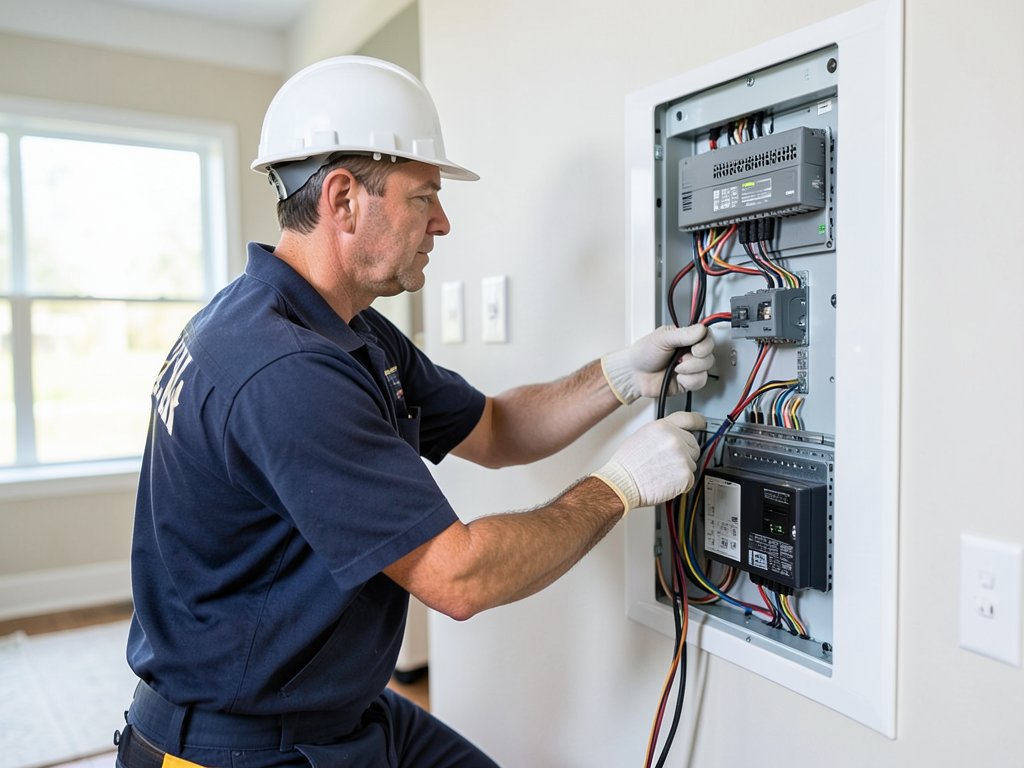
Installation begins with turning off power to your home. The electrician removes your main panel cover and installs the whole-house protector. This device connects to your main bus bars and requires proper grounding.
Point-of-use protectors install in your home office. These devices plug into dedicated circuits or install in wall boxes. Proper placement ensures maximum protection for your equipment.
Finally, the electrician tests the entire system. They verify proper operation and explain maintenance requirements. Most protectors include indicator lights showing protection status.
Installation typically takes 2 to 4 hours for a complete system. Costs vary based on your home’s electrical complexity and the protection devices chosen.
Local Building Codes and Requirements
The National Electrical Code (NEC) requires surge protection for new homes in many areas. While The Woodlands does not mandate whole-house protection, building codes increasingly recommend it. National Electrical Code (NEC) Article 230.67.
NEC 2020 Article 230.67 requires surge protection on service entrances for dwelling units. This code applies to new construction and major renovations. Many jurisdictions adopt these requirements even if not yet mandatory.
Montgomery County follows NEC standards with local amendments. Recent updates strengthen surge protection requirements for homes in lightning-prone areas. These changes reflect growing awareness of surge damage risks.
Insurance companies increasingly offer premium discounts for homes with certified surge protection. Some policies require surge protection for full coverage of expensive electronics. Check your policy for specific requirements.
Professional installation ensures code compliance. Licensed electricians know local requirements and install systems that meet or exceed standards. DIY installation may violate codes and void insurance coverage.
Maintenance and Replacement
Surge protectors wear out over time. MOVs degrade with each surge, eventually losing effectiveness. Most protectors last 3 to 5 years under normal conditions.
Indicator lights show protection status. Green lights indicate active protection. Red or missing lights signal the need for replacement. Never ignore warning indicators.
Severe storms may damage protectors even if they functioned correctly. After major lightning events, test your protection system. Replace any devices that show damage or malfunction.
Annual inspections catch problems early. An electrician can test protector functionality and identify worn components. This service costs $75 to $150 but prevents equipment damage.
Keep documentation of installation and maintenance. Warranty claims require proof of professional installation and regular maintenance. Many manufacturers void warranties for DIY installation.
Common Surge Protection Myths
Several misconceptions prevent homeowners from protecting their equipment properly.
Myth: Power strips and surge protectors are the same thing. Reality: Most power strips offer no surge protection. Only UL-listed devices with joule ratings provide protection.
Myth: Surge protectors last forever. Reality: MOVs degrade over time and with use. Replace protectors every 3 to 5 years.
Myth: Unplugging devices during storms provides enough protection. Reality: Nearby lightning can induce surges through wiring even when devices are unplugged. Only proper protection stops these surges.
Myth: Whole-house protection makes point-of-use protectors unnecessary. Reality: Layered protection provides the best defense. Each layer catches surges the others miss.
Myth: Surge damage is always obvious. Reality: Small surges cause gradual degradation. Your computer may fail months after surge exposure, making the connection unclear.
Special Considerations for Home Offices
Home offices have unique power requirements. Professional equipment needs specific protection strategies.
Computers and servers require clean, stable power. Voltage fluctuations cause data corruption and hardware failures. Look for protectors with noise filtering capabilities.
Network equipment needs protection for both power and data lines. Ethernet surge protectors prevent damage to routers, switches, and modems. Phone line protectors protect fax machines and VoIP equipment.
Medical equipment and specialized instruments require hospital-grade protection. These devices have strict power quality requirements. Consult equipment manuals for specific protection needs.
Backup power systems benefit from surge protection. Uninterruptible power supplies (UPS) protect against both surges and outages. Choose UPS units with built-in surge protection for best results.
Consider future equipment purchases when sizing your protection system. Add 20% capacity for planned upgrades. This prevents needing system replacement as your office grows.
Local Service Areas in The Woodlands
We serve all areas of The Woodlands and surrounding communities. Our electricians understand local electrical systems and surge risks specific to each neighborhood.
Sterling Ridge residents face unique challenges due to older electrical infrastructure. Many homes need panel upgrades before adding surge protection. We handle these upgrades efficiently.
Grogan’s Mill area experiences frequent lightning strikes due to its tree coverage. Whole-house protection proves especially valuable here. We recommend higher-capacity protectors for these homes.
Town Center high-rise offices require specialized protection strategies. Building-wide surge protection may already exist, but individual office protection remains important. We coordinate with building management for seamless installation.
Cochran’s Crossing new construction often includes basic surge protection. However, these systems rarely protect expensive office equipment adequately. We upgrade existing protection to professional standards.
Indian Springs residents benefit from our knowledge of local utility grid patterns. We install protection systems that account for specific surge risks in this area.
Frequently Asked Questions
How long does surge protection installation take?
Most whole-house installations complete in 2 to 4 hours. Point-of-use protector installation adds 1 to 2 hours depending on your office setup.
Can I install surge protection myself?
Whole-house protectors require professional installation. These devices connect to high-voltage electrical systems. DIY installation creates fire hazards and voids warranties.
How do I know if my surge protectors are working?
Quality protectors include indicator lights. Green lights show active protection. Red or missing lights indicate problems. Annual professional testing provides additional verification.
Will surge protection prevent all damage?
No system provides 100% protection. However, layered protection reduces surge energy to safe levels. Even severe surges cause minimal damage to protected equipment.
How much does surge protection cost?
Complete systems range from $500 to $1,500 depending on your home size and protection level. This cost is far less than replacing damaged equipment.
Protect Your Home Office Today
Your home office equipment represents a significant investment. Protecting it from voltage spikes prevents costly damage and downtime. The thunderstorms and lightning common to The Woodlands make surge protection essential.
Don’t wait for a damaging surge to destroy your equipment. Professional installation provides immediate protection and peace of mind. Our licensed electricians understand The Woodlands’ specific electrical challenges.
Call us today at (281) 552-7811 to schedule your surge protection assessment. We will evaluate your current system, recommend appropriate protection, and install everything correctly the first time. Protect your home office before the next storm hits.
Visit our website to learn more about our electrical services and read reviews from satisfied The Woodlands customers. Your equipment deserves professional protection. Let us provide it.
You may also find this helpful. Checking if your Gulfton apartment building is properly grounded (And why it matters for your electronics).
{
“@context”: “https://schema.org”,
“@type”: “BlogPosting”,
“headline”: “How to protect your home office equipment in The Woodlands from sudden voltage spikes”,
“description”: “Learn how to safeguard your home office gear in The Woodlands from power surges. Discover layered protection strategies and local installation services.”,
“wordCount”: 2077,
“datePublished”: “2026-04-17T10:19:00.000Z”,
“dateModified”: “2026-04-17T10:19:00.000Z”,
“inLanguage”: “en-US”,
“mainEntityOfPage”: {
“@type”: “WebPage”,
“@id”: “https://titanelectricianshouston.com”
},
“publisher”: {
“@type”: “LocalBusiness”,
“name”: “Titan Electricians Houston”,
“url”: “https://titanelectricianshouston.com”
},
“author”: {
“@type”: “Organization”,
“name”: “Titan Electricians Houston”,
“url”: “https://titanelectricianshouston.com”
},
“image”: {
“@type”: “ImageObject”,
“url”: “https://titanelectricianshouston.com/wp-content/uploads/2026/03/how-to-protect-your-home-office-equipment-in-the-w-1.png”
}
}
{
“@context”: “https://schema.org”,
“@type”: “Electrician”,
“name”: “Titan Electricians Houston”,
“url”: “https://titanelectricianshouston.com”,
“address”: {
“@type”: “PostalAddress”,
“addressLocality”: “Houston”
},
“areaServed”: {
“@type”: “City”,
“name”: “Houston”
}
}
{
“@context”: “https://schema.org”,
“@type”: “FAQPage”,
“mainEntity”: [
{
“@type”: “Question”,
“name”: “How long does surge protection installation take?”,
“acceptedAnswer”: {
“@type”: “Answer”,
“text”: “Most whole-house installations complete in 2 to 4 hours. Point-of-use protector installation adds 1 to 2 hours depending on your office setup.”
}
},
{
“@type”: “Question”,
“name”: “Can I install surge protection myself?”,
“acceptedAnswer”: {
“@type”: “Answer”,
“text”: “Whole-house protectors require professional installation. These devices connect to high-voltage electrical systems. DIY installation creates fire hazards and voids warranties.”
}
},
{
“@type”: “Question”,
“name”: “How do I know if my surge protectors are working?”,
“acceptedAnswer”: {
“@type”: “Answer”,
“text”: “Quality protectors include indicator lights. Green lights show active protection. Red or missing lights indicate problems. Annual professional testing provides additional verification.”
}
},
{
“@type”: “Question”,
“name”: “Will surge protection prevent all damage?”,
“acceptedAnswer”: {
“@type”: “Answer”,
“text”: “No system provides 100% protection. However, layered protection reduces surge energy to safe levels. Even severe surges cause minimal damage to protected equipment.”
}
},
{
“@type”: “Question”,
“name”: “How much does surge protection cost?”,
“acceptedAnswer”: {
“@type”: “Answer”,
“text”: “Complete systems range from $500 to $1,500 depending on your home size and protection level. This cost is far less than replacing damaged equipment.”
}
}
]
}
{
“@context”: “https://schema.org”,
“@type”: “BreadcrumbList”,
“itemListElement”: [
{
“@type”: “ListItem”,
“position”: 1,
“name”: “Home”,
“item”: “https://titanelectricianshouston.com”
},
{
“@type”: “ListItem”,
“position”: 2,
“name”: “Blog”,
“item”: “https://titanelectricianshouston.com/blog”
},
{
“@type”: “ListItem”,
“position”: 3,
“name”: “How to protect your home office equipment in The Woodlands from sudden voltage spikes”
}
]
}
{
“@context”: “https://schema.org”,
“@type”: “Service”,
“serviceType”: “Electricians”,
“provider”: {
“@type”: “LocalBusiness”,
“name”: “Titan Electricians Houston”,
“url”: “https://titanelectricianshouston.com”
},
“areaServed”: {
“@type”: “City”,
“name”: “Houston”
},
“description”: “Learn how to safeguard your home office gear in The Woodlands from power surges. Discover layered protection strategies and local installation services.”
}