
Checking if your Gulfton apartment building is properly grounded (And why it matters for your electronics)
Living in a Gulfton apartment means dealing with Houston’s intense humidity and frequent electrical storms. Your apartment’s grounding system protects both your expensive electronics and your personal safety. Without proper grounding, you risk damaged devices, electrical shocks, and even fire hazards. Houston weather data.
Grounding creates a safe path for stray electrical current to flow into the earth instead of through your body or your devices. In Gulfton’s older apartment buildings, many units were built before modern grounding standards became mandatory. The clay soil in this area also creates unique challenges for grounding effectiveness. Electrical Houston.
Before you plug in that new gaming system or home office setup, you need to know if your apartment’s electrical system can handle it safely. This guide shows you how to check your grounding and understand why it matters for your electronics.
Why grounding matters for your Gulfton apartment
Houston experiences over 100 thunderstorms annually according to the National Weather Service. These storms create power surges that travel through electrical lines. A proper grounding system diverts this excess voltage safely into the earth. National Electrical Code.
Grounding also protects against ground faults. When electrical current escapes its intended path due to damaged wiring or faulty appliances, the grounding system provides an alternative route. Without it, current might travel through metal surfaces, creating shock hazards. Protect Your Tech With Professional Whole House Surge Protection in Cypress.
For electronics, grounding prevents static discharge damage. Your computers, TVs, and gaming consoles contain sensitive circuits that can fail from minor voltage spikes. A grounded outlet keeps these devices at the same electrical potential as the building’s electrical system.
Gulfton’s mix of mid-century and newer apartment buildings means grounding quality varies significantly. Some units have outdated two-prong outlets that lack proper grounding. Others may have three-prong outlets that appear grounded but actually lack proper connections.
How to check if your apartment is properly grounded
You can perform several simple tests to check your apartment’s grounding without specialized equipment. These tests help you identify potential problems before they damage your electronics.
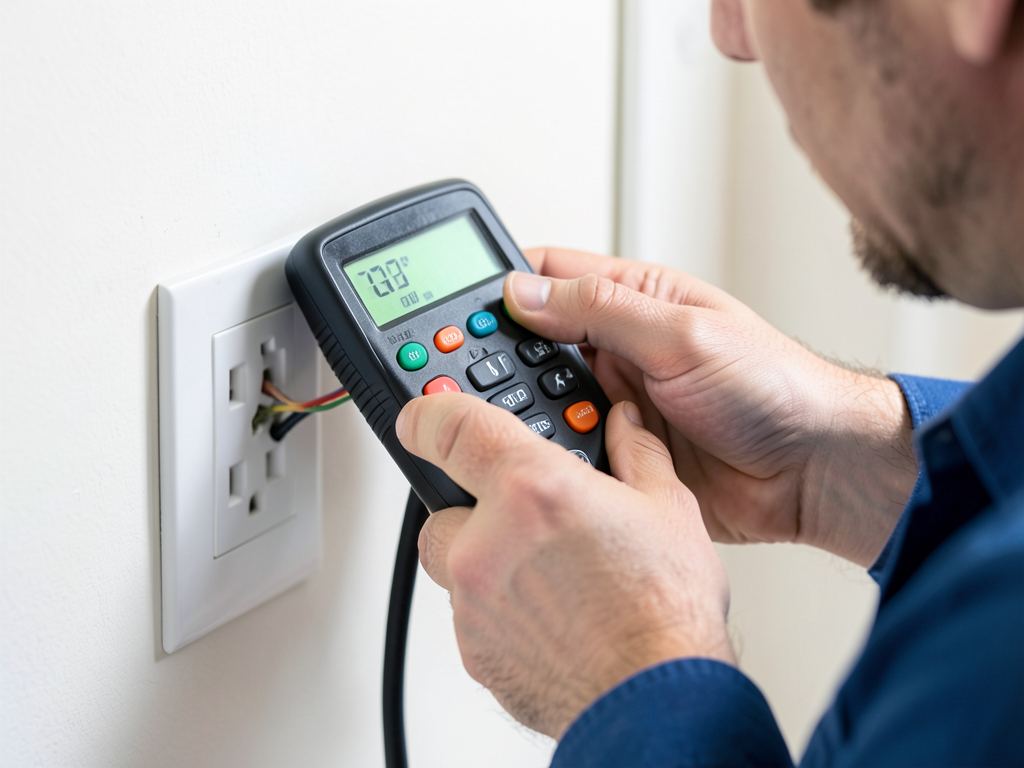
Test your outlets with a multimeter
Set your multimeter to measure AC voltage. Insert one probe into the hot slot (shorter slot) and the other into the neutral slot (longer slot). You should read between 110-120 volts.
Next, test between the hot slot and the ground slot (round hole). You should get the same voltage reading. If you get zero or a very low reading, your outlet lacks proper grounding.
Test multiple outlets throughout your apartment. Grounding problems often affect entire circuits rather than individual outlets.
Use a plug-in circuit tester
Plug-in testers cost around $10-15 and provide instant readings. These devices have three lights that indicate different wiring conditions.
A properly grounded outlet shows a specific light pattern. Common indicators include “Open Ground” for missing grounding or “Hot/Ground Reversed” for dangerous wiring conditions.
Test outlets in different rooms. Kitchen and bathroom outlets should have ground fault circuit interrupters (GFCI) which provide additional shock protection.
Look for physical grounding indicators
Check your electrical panel if accessible. Modern panels have a copper ground wire connected to a metal rod driven into the earth. This rod should be at least 8 feet long and made of copper or galvanized steel.
Inspect visible wiring in utility areas. Grounding wires are typically bare copper or green insulated wires. They connect to metal boxes, water pipes, and the main service panel.
Listen for buzzing or humming sounds from outlets or switches. These noises often indicate loose connections or grounding problems.
Common grounding problems in Gulfton apartments
Gulfton’s apartment buildings face specific grounding challenges due to their age and construction. Understanding these issues helps you identify problems quickly.
Many Gulfton apartments were built between the 1960s and 1980s when electrical codes were less strict. These buildings often have two-wire systems without ground wires. Some landlords installed three-prong outlets without actually connecting them to ground, creating a false sense of safety.
Soil conditions in Gulfton affect grounding effectiveness. The area’s clay soil has high resistivity, meaning it resists electrical current flow. This requires longer or deeper ground rods for proper grounding. Some buildings use multiple ground rods connected together to overcome soil resistance.
Moisture from Houston’s humidity accelerates corrosion in grounding connections. Copper ground wires develop green corrosion that increases resistance. Ground rod connections can loosen over time due to thermal expansion and contraction.
Apartment renovations sometimes create grounding problems. When walls are opened for remodeling, ground connections can be accidentally disconnected or improperly reconnected. DIY electrical work by previous tenants often creates dangerous conditions.
Signs your apartment has grounding problems
Grounding issues often manifest through specific symptoms. Recognizing these signs helps you identify problems before they cause damage.
Electrical shocks from appliances or metal objects indicate grounding failure. If you feel a tingle when touching your refrigerator, washing machine, or even your kitchen sink, your apartment likely has grounding problems.
Frequent circuit breaker trips suggest grounding issues. When ground faults occur, breakers should trip to prevent hazards. If breakers trip randomly or won’t stay on, your grounding system may be compromised.
Electronic devices that fail prematurely often suffer from poor grounding. Computers that crash randomly, TVs with distorted images, or gaming consoles that won’t power on might be victims of electrical noise from inadequate grounding.
Dim or flickering lights can indicate grounding problems. When electrical current can’t find a proper ground path, it may cause voltage fluctuations that affect lighting.
Warm or discolored outlet faceplates suggest overheating from poor connections. This often accompanies grounding issues and creates fire hazards.
Grounding requirements for Houston apartments
Houston follows the National Electrical Code with local amendments. Current requirements specify that all residential electrical systems must have proper grounding.
Ground rods must be at least 8 feet long and driven to full depth. In areas with high soil resistivity like Gulfton, multiple rods may be required. These rods connect to the main service panel through a grounding electrode conductor.
Metal water pipes within 5 feet of the building entrance must be bonded to the grounding system. This prevents pipes from becoming energized if electrical faults occur.
GFCI protection is required for outlets in bathrooms, kitchens, garages, and outdoor areas. These devices detect ground faults and cut power within milliseconds. How to Plan Your Outdoor Landscape Lighting in The Woodlands Without Overspending.
Apartment buildings must have separate grounding systems for each unit. Shared neutral conductors require special grounding arrangements to prevent neutral currents from traveling through ground paths.
Local utility companies like CenterPoint Energy require specific grounding for their equipment connections. This ensures worker safety and system reliability.
How grounding protects your electronics
Grounding serves as your electronics’ first line of defense against electrical damage. Understanding this protection helps you appreciate proper grounding systems.
Voltage surges from lightning strikes or utility grid switching can reach thousands of volts. A proper grounding system diverts this excess voltage into the earth before it reaches your devices. Without grounding, surges travel through your electronics, destroying sensitive components.
Grounding prevents static electricity buildup. When you walk across carpet and touch a computer, static discharge can damage internal circuits. Grounded equipment and work surfaces prevent this static accumulation.
Ground loops create electrical noise that interferes with audio and video quality. These occur when different devices have slightly different ground potentials. Proper grounding eliminates these loops, improving your entertainment system’s performance.
Surge protectors require proper grounding to function. These devices can only divert excess voltage to ground if the grounding connection exists. A surge protector on an ungrounded outlet provides minimal protection.
Grounding also protects against data corruption. Voltage fluctuations can corrupt files during saving or transmission. Stable electrical systems prevent these errors.
Grounding solutions for Gulfton apartments
Several options exist for improving grounding in older Gulfton apartments. The best solution depends on your specific situation and building constraints.
Adding dedicated ground wires provides the most reliable fix. Electricians can run new ground wires from outlets back to the main panel. This works well in apartments where walls are already open for other renovations. Finding a Reliable Electrician for Your Sugar Land Kitchen Remodel.
Ground rod installation improves earth connection quality. Multiple rods connected with copper wire create a low-resistance path to ground. This helps overcome Gulfton’s clay soil challenges.
Whole-house surge protection requires proper grounding. These devices install at the main panel and protect all circuits. They need a solid ground connection to function correctly.
GFCI outlet replacement improves safety even without perfect grounding. These outlets detect ground faults and cut power, providing protection even when ground wires are absent or faulty.
Regular grounding system maintenance prevents problems. This includes checking connections for corrosion, tightening loose terminals, and testing ground resistance annually.
When to call a professional electrician
Some grounding issues require professional expertise. Knowing when to call an electrician prevents dangerous DIY attempts and ensures proper repairs.
Anytime you find exposed wiring or damaged electrical components, call a professional. These situations create immediate shock and fire hazards.
If your outlet tests show missing or reversed wiring, don’t attempt repairs yourself. Electrical work requires proper training and licensing in Houston.
Building-wide electrical problems affect multiple units. These often indicate utility service issues or main panel problems that require licensed electricians. The Top Rated Licensed Electricians Serving the River Oaks Area.
Insurance companies may require professional inspections for grounding systems, especially after electrical incidents or before selling property.
Commercial tenants with specialized equipment often need professional grounding assessments. Medical offices, computer centers, and audio studios have specific grounding requirements.
Cost factors for grounding repairs
Grounding repair costs vary based on several factors. Understanding these helps you budget appropriately for necessary improvements.
Apartment size affects total cost. Larger units require more materials and labor time. A one-bedroom apartment costs less to rewire than a three-bedroom unit.
Wall construction impacts repair difficulty. Apartments with drywall are easier to work in than those with plaster or concrete walls. Access through existing openings reduces costs.
Ground rod installation depth depends on soil conditions. Gulfton’s clay may require deeper driving or multiple rods, increasing material costs.
Permit requirements add administrative costs. Houston requires permits for electrical work, and some apartment buildings need additional approvals from property managers.
Emergency repairs cost more than scheduled work. Planning improvements during convenient times helps control expenses.
Quality materials cost more initially but provide better long-term protection. Copper grounding components resist corrosion better than cheaper alternatives.
Maintaining your apartment’s grounding system
Grounding systems require periodic maintenance to remain effective. Simple checks help you catch problems before they cause damage.
Test outlets annually with a plug-in tester. This quick check identifies developing problems before they affect your electronics.
Inspect visible grounding connections for corrosion. Green or white deposits on copper wires indicate corrosion that increases resistance.
Check that ground wires remain securely connected. Vibration from appliances or thermal cycling can loosen connections over time.
Replace damaged outlet covers and faceplates. Cracked or broken covers expose live parts and create shock hazards.
Keep electrical panels accessible and dry. Moisture in panels causes corrosion and creates short circuit risks.
Document any electrical work done by previous tenants or landlords. This history helps electricians diagnose current problems.
Grounding and Houston’s weather challenges
Houston’s climate creates unique grounding requirements. Understanding these helps you appreciate why proper grounding matters more here than in other regions.
Houston receives about 106 days of thunderstorms annually according to NOAA data. These storms generate lightning strikes that create massive voltage surges. Proper grounding diverts this energy safely into the earth.
High humidity accelerates corrosion in grounding connections. The salt air from the Gulf also contributes to corrosion, especially in buildings closer to the coast.
Flooding in low-lying areas like parts of Gulfton can submerge electrical equipment. Proper grounding and bonding prevent electrical hazards during flood conditions.
Temperature extremes cause expansion and contraction in grounding connections. Houston’s hot summers and occasional winter freezes stress these connections.
Soil moisture variations affect grounding resistance. Houston’s rainy seasons increase soil conductivity, while dry periods increase resistance. Good grounding systems handle these variations.
Legal requirements for landlords
Houston landlords must provide safe electrical systems including proper grounding. Understanding these requirements helps tenants know their rights.
Houston Housing Code requires all rental units to meet current electrical safety standards. This includes proper grounding for all outlets and circuits.
Landlords must repair known electrical hazards promptly. Failure to address grounding problems can result in code violations and fines.
Tenants can request electrical inspections through the city if they suspect safety problems. The city can require landlords to make necessary repairs.
Security deposits cannot be withheld for normal wear and electrical system problems. Landlords must maintain systems regardless of tenancy length.
Commercial leases often specify electrical system requirements. Tech companies and medical offices may require higher grounding standards than standard residential units.
Grounding for specific electronic devices
Different electronics have varying grounding requirements. Understanding these helps you prioritize improvements for your specific needs.
Computers need solid grounding for reliable operation. Grounding prevents static damage, reduces electrical noise that causes crashes, and allows proper surge protector function.
Home theater systems benefit from good grounding. Audio equipment is sensitive to ground loops that cause humming sounds. Video equipment needs stable power for clear images.
Medical equipment often requires special grounding. Devices that monitor vital signs or support life need extremely stable power and proper grounding to function safely.
Network equipment grounding prevents data errors. Ethernet switches, routers, and modems operate more reliably with proper grounding that prevents electrical interference.
Kitchen appliances need grounding for safety. Refrigerators, microwaves, and dishwashers can create ground faults that proper grounding safely directs away from users.
DIY grounding tests you can perform
Several simple tests help you assess your apartment’s grounding without professional tools. These provide valuable information before calling an electrician.
Visual inspection of outlets reveals basic information. Three-prong outlets should have the ground slot present. Two-prong outlets indicate missing grounding.
Appliance testing can reveal grounding problems. If your refrigerator’s exterior feels warm or you get shocks from metal surfaces, grounding issues likely exist.
Light dimming when large appliances start suggests voltage problems related to grounding. This often occurs when motors start and need stable power.
Electronic device behavior provides clues. Computers that reboot randomly or TVs with picture problems might suffer from electrical noise due to poor grounding.
Breaker behavior indicates system health. Breakers that trip frequently or won’t reset suggest grounding problems affecting circuit protection.
Grounding myths and misconceptions
Many people misunderstand grounding systems. Clearing up these misconceptions helps you make better decisions about electrical safety.
Grounding does not prevent all electrical problems. It protects against specific hazards but doesn’t fix overloaded circuits or damaged wiring.
Three-prong outlets don’t guarantee proper grounding. Some older installations have three-prong outlets without actual ground connections.
Grounding won’t eliminate the need for surge protectors. While grounding helps, surge protectors provide additional protection against voltage spikes.
DIY grounding repairs can create more hazards than they solve. Improper grounding connections can make problems worse and create shock risks.
All grounding systems need periodic testing. Even properly installed systems can develop problems over time due to corrosion or physical damage.
Future-proofing your apartment’s electrical system
As electronics become more advanced, grounding requirements increase. Planning for future needs helps you avoid repeated upgrades.
Home automation systems need reliable grounding. Smart devices, security systems, and connected appliances all require stable electrical environments.
Electric vehicle charging stations need dedicated circuits with proper grounding. These high-power devices can reveal existing grounding weaknesses.
Home office setups often include multiple computers, monitors, and networking equipment. These concentrated loads need good grounding to prevent interference.
Entertainment systems continue growing more complex. Multiple TVs, gaming consoles, and audio equipment benefit from robust grounding.
Energy-efficient appliances often have sensitive electronics. Proper grounding protects these investments and ensures reliable operation.
Resources for more information
Several organizations provide reliable information about electrical safety and grounding requirements.
The National Fire Protection Association publishes the National Electrical Code, which sets grounding standards nationwide. Their website offers resources for understanding code requirements.
The Occupational Safety and Health Administration provides guidelines for electrical safety in workplaces. These standards often apply to home offices and small businesses.
Underwriters Laboratories tests electrical products for safety. Their certification indicates products meet safety standards including proper grounding design.
Local building departments can provide information about specific requirements in your area. Houston’s permitting office can answer questions about grounding permits and inspections.
Consumer protection agencies offer resources about tenant rights regarding electrical safety. These can help you understand landlord responsibilities for grounding systems.
Frequently Asked Questions
How do I know if my apartment has proper grounding?
Use a plug-in circuit tester from a hardware store. These devices plug into outlets and indicate wiring conditions with light patterns. You can also use a multimeter to test voltage between hot and ground slots.
Can I install three-prong outlets in my two-prong apartment?
No, replacing two-prong with three-prong outlets without adding ground wires creates a false sense of safety. The outlets would appear grounded but provide no actual protection. You need either ground wire installation or GFCI protection for safety.
How much does it cost to ground an apartment?
Costs vary widely based on apartment size and construction. Simple grounding wire additions might cost $300-500, while complete rewiring could exceed $3,000. Most apartments fall between $800-2,000 for proper grounding upgrades.
Does grounding prevent all electrical problems?
No, grounding prevents specific hazards like shock and surge damage but doesn’t fix overloaded circuits, damaged wiring, or poor connections. You still need proper wiring, adequate circuit capacity, and quality devices for complete electrical safety.
Should I use a surge protector if my apartment has good grounding?
Yes, surge protectors provide additional protection beyond what grounding alone offers. They can handle larger surges and respond faster than grounding systems. Use surge protectors with high joule ratings for best protection.
{
“@context”: “https://schema.org”,
“@type”: “BlogPosting”,
“headline”: “Checking if your Gulfton apartment building is properly grounded (And why it matters for your electronics)”,
“description”: “Learn how to check your Gulfton apartment’s grounding system. Poor grounding can damage electronics and create safety hazards in Houston’s humid climate.”,
“wordCount”: 2990,
“datePublished”: “2026-04-21T14:44:00.000Z”,
“dateModified”: “2026-04-21T14:44:00.000Z”,
“inLanguage”: “en-US”,
“mainEntityOfPage”: {
“@type”: “WebPage”,
“@id”: “https://titanelectricianshouston.com”
},
“publisher”: {
“@type”: “LocalBusiness”,
“name”: “Titan Electricians Houston”,
“url”: “https://titanelectricianshouston.com”
},
“author”: {
“@type”: “Organization”,
“name”: “Titan Electricians Houston”,
“url”: “https://titanelectricianshouston.com”
},
“image”: {
“@type”: “ImageObject”,
“url”: “https://titanelectricianshouston.com/wp-content/uploads/2026/03/checking-if-your-gulfton-apartment-building-is-pro-1.png”
}
}
{
“@context”: “https://schema.org”,
“@type”: “Electrician”,
“name”: “Titan Electricians Houston”,
“url”: “https://titanelectricianshouston.com”,
“address”: {
“@type”: “PostalAddress”,
“addressLocality”: “Houston”
},
“areaServed”: {
“@type”: “City”,
“name”: “Houston”
}
}
{
“@context”: “https://schema.org”,
“@type”: “FAQPage”,
“mainEntity”: [
{
“@type”: “Question”,
“name”: “How do I know if my apartment has proper grounding?”,
“acceptedAnswer”: {
“@type”: “Answer”,
“text”: “Use a plug-in circuit tester from a hardware store. These devices plug into outlets and indicate wiring conditions with light patterns. You can also use a multimeter to test voltage between hot and ground slots.”
}
},
{
“@type”: “Question”,
“name”: “Can I install three-prong outlets in my two-prong apartment?”,
“acceptedAnswer”: {
“@type”: “Answer”,
“text”: “No, replacing two-prong with three-prong outlets without adding ground wires creates a false sense of safety. The outlets would appear grounded but provide no actual protection. You need either ground wire installation or GFCI protection for safety.”
}
},
{
“@type”: “Question”,
“name”: “How much does it cost to ground an apartment?”,
“acceptedAnswer”: {
“@type”: “Answer”,
“text”: “Costs vary widely based on apartment size and construction. Simple grounding wire additions might cost $300-500, while complete rewiring could exceed $3,000. Most apartments fall between $800-2,000 for proper grounding upgrades.”
}
},
{
“@type”: “Question”,
“name”: “Does grounding prevent all electrical problems?”,
“acceptedAnswer”: {
“@type”: “Answer”,
“text”: “No, grounding prevents specific hazards like shock and surge damage but doesn’t fix overloaded circuits, damaged wiring, or poor connections. You still need proper wiring, adequate circuit capacity, and quality devices for complete electrical safety.”
}
},
{
“@type”: “Question”,
“name”: “Should I use a surge protector if my apartment has good grounding?”,
“acceptedAnswer”: {
“@type”: “Answer”,
“text”: “Yes, surge protectors provide additional protection beyond what grounding alone offers. They can handle larger surges and respond faster than grounding systems. Use surge protectors with high joule ratings for best protection.”
}
}
]
}
{
“@context”: “https://schema.org”,
“@type”: “BreadcrumbList”,
“itemListElement”: [
{
“@type”: “ListItem”,
“position”: 1,
“name”: “Home”,
“item”: “https://titanelectricianshouston.com”
},
{
“@type”: “ListItem”,
“position”: 2,
“name”: “Blog”,
“item”: “https://titanelectricianshouston.com/blog”
},
{
“@type”: “ListItem”,
“position”: 3,
“name”: “Checking if your Gulfton apartment building is properly grounded (And why it matters for your electronics)”
}
]
}
{
“@context”: “https://schema.org”,
“@type”: “Service”,
“serviceType”: “Electricians”,
“provider”: {
“@type”: “LocalBusiness”,
“name”: “Titan Electricians Houston”,
“url”: “https://titanelectricianshouston.com”
},
“areaServed”: {
“@type”: “City”,
“name”: “Houston”
},
“description”: “Learn how to check your Gulfton apartment’s grounding system. Poor grounding can damage electronics and create safety hazards in Houston’s humid climate.”
}