
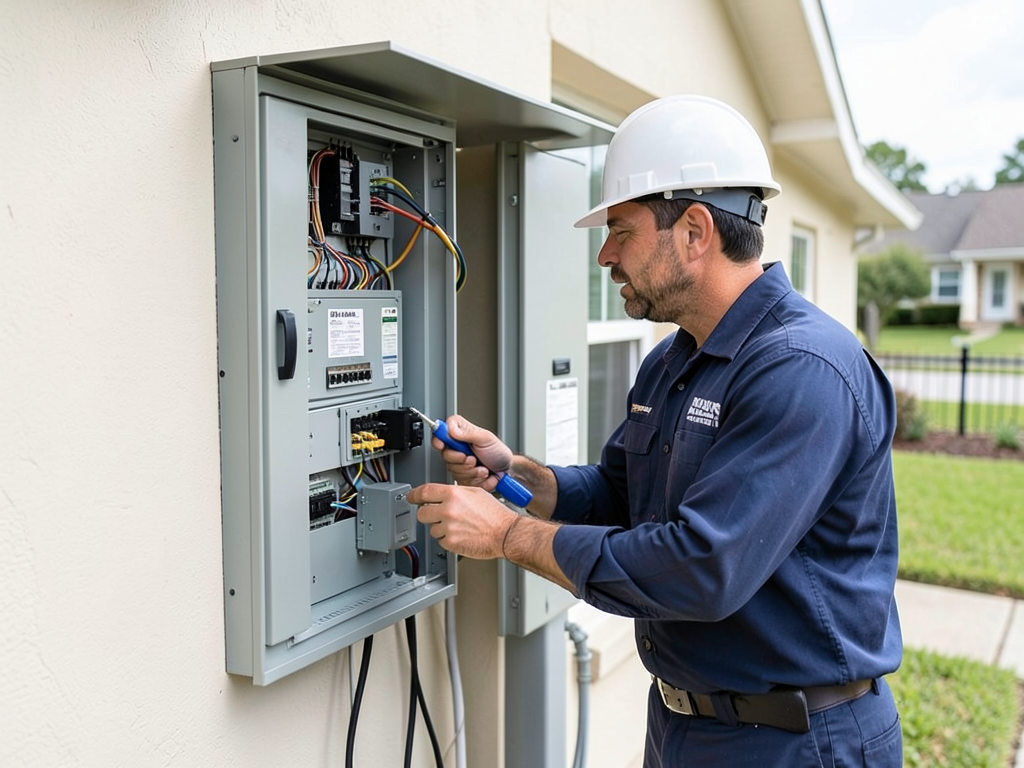
Essential electrical checks before you buy an electric vehicle in Meyerland
Thinking about buying an electric vehicle in Meyerland means thinking about more than just the car. Your home’s electrical system needs to handle the extra power demand from a charger. Many homes in Meyerland were built decades ago and their electrical panels may not support the amperage needed for Level 2 charging. Before you commit to an EV, you need a professional inspection to avoid costly surprises later. How to Get a Tesla Home Charger Installed in Katy Without the Stress.
Why your Meyerland home needs an electrical assessment before EV installation
Meyerland’s older homes often have 100-amp or 150-amp electrical panels. A Level 2 EV charger usually needs a dedicated 40-60 amp circuit. If your panel is already near capacity, adding a charger could trip breakers or create a fire hazard. Houston’s humid climate also means outdoor chargers need weatherproof installation and proper grounding to prevent corrosion. A licensed electrician can check your panel’s load capacity using National Electrical Code Article 220 calculations and recommend upgrades if needed. City of Houston Permitting Center.
Our comprehensive 10-point EV readiness inspection checklist
Before installing any EV charger, a thorough inspection covers these critical areas:. Read more about Installing an EV Charger in an Older Eastwood Garage With Limited Power.
Evaluating your electrical panel and service capacity
The main breaker box determines if your home can handle a charger. Older panels in Meyerland homes often lack the spare amperage for a 40-60 amp circuit. An electrician will measure your total load and compare it to your panel’s rating. If your panel is maxed out, you may need a service upgrade to 200 amps. This process involves CenterPoint Energy and requires a permit from the City of Houston.. Read more about Why your Atascocita solar panels might be losing efficiency due to wiring issues.
Assessing wiring infrastructure and dedicated circuit needs
EV chargers need a dedicated circuit with the correct wire gauge. For a 40-amp charger, you need at least 8-gauge copper wire. If your home’s wiring is undersized or damaged, it poses a fire risk. Outdoor installations also need weatherproof conduit and proper grounding to handle Houston’s frequent storms and humidity. How to Plan Your Outdoor Landscape Lighting in The Woodlands Without Overspending.
Navigating Houston building codes and permitting for EVSE
Installing an EV charger in Meyerland requires a permit from the City of Houston Permitting Center. The installation must meet the latest NEC and Houston Electrical Code standards. This includes proper GFCI protection, correct breaker sizing, and compliance with local zoning rules. Skipping permits can lead to fines or problems when selling your home later. Protect Your Tech With Professional Whole House Surge Protection in Cypress.
Level 1 vs. Level 2 charging: which setup fits your home?
Level 1 charging uses a standard 120-volt outlet and adds about 4-5 miles of range per hour. It works for plug-in hybrids but takes too long for most battery EVs. Level 2 charging uses a 240-volt outlet and can add 25-30 miles per hour. Most EV owners in Meyerland choose Level 2 for convenience, but it requires a dedicated 240-volt circuit and professional installation.. Read more about What Midtown residents need to know about charging an electric car while renting.
Request your Houston EV safety inspection today
Don’t wait until after you buy your EV to check your home’s electrical system. A pre-purchase inspection can save you from expensive panel upgrades or unsafe installations. Call Titan Electricians Houston at (281) 552-7811 to schedule your EV readiness assessment. We serve Meyerland and surrounding Houston neighborhoods with expert, code-compliant service.. Read more about How to navigate the City of Houston electrical permit process for your DIY home renovation.
EV charger installation costs and considerations in Meyerland
The cost of installing an EV charger varies based on your home’s electrical capacity. A basic Level 1 setup may only need a new outlet and costs less. A Level 2 installation often requires a new dedicated circuit, which can cost $500-$2,000 depending on panel capacity and wiring distance. If your panel needs an upgrade, expect to pay $1,500-$3,000 more. These are estimates; actual costs depend on your specific home and local code requirements.. Read more about Why your Fall Creek garage needs a dedicated circuit for that new smart opener.
Common electrical issues found during EV inspections in Meyerland
During inspections, electricians often find loose connections, undersized wiring, or overloaded panels. In Meyerland, many homes built before 1990 have aluminum wiring, which is not safe for EV chargers. Other issues include missing GFCI protection, corroded outdoor boxes, or outdated breaker types. Fixing these problems before installing a charger prevents safety hazards and ensures reliable charging. Finding a Reliable Electrician for Your Sugar Land Kitchen Remodel.
Why choose a licensed electrician for your EV installation
EV charger installation is not a DIY project. It involves high-voltage wiring, permits, and code compliance. A licensed electrician ensures your installation meets all safety standards and passes inspection. In Houston, only a master electrician can pull permits for electrical work. Choosing a professional also protects your home warranty and insurance coverage. The Top Rated Licensed Electricians Serving the River Oaks Area.
EV charging and Houston’s climate: special considerations
Houston’s hot, humid weather affects EV charger installations. Outdoor units need weatherproof enclosures to prevent moisture damage. High humidity can cause corrosion in electrical connections, so proper sealing and grounding are essential. During hurricane season, surge protection helps protect your charger and vehicle from power surges. A licensed electrician can recommend the best setup for Houston’s climate.
Understanding your home’s electrical load
Your home’s electrical load is the total power used by all devices and appliances. Adding an EV charger increases this load. If your panel is already near capacity, the extra demand can trip breakers or overheat wires. An electrician calculates your load using NEC Article 220 formulas, which consider square footage, appliances, and HVAC systems. This ensures your panel can safely handle the new charger.
EV charger brands and compatibility
Popular EV charger brands include Tesla Wall Connector, ChargePoint, and JuiceBox. Most Level 2 chargers use a NEMA 14-50 plug or are hardwired. Hardwired units are more permanent and often required by code for outdoor installations. Your electrician can help you choose a charger that works with your vehicle and meets local code requirements.
Permitting process for EV charger installation in Houston
Before installing an EV charger in Meyerland, you need a permit from the City of Houston. The process includes submitting plans, passing an inspection, and ensuring compliance with local codes. The permit fee varies by project scope. Working with a licensed electrician ensures all paperwork is handled correctly and your installation passes inspection the first time.
Safety first: why professional installation matters
Improper EV charger installation can cause electrical fires, shock hazards, or damage to your vehicle. Professional installation ensures correct wiring, proper grounding, and compliance with all safety codes. It also includes testing the circuit to verify it works safely under load. In Houston, where storms and humidity are common, professional installation protects your investment and your family.
EV charger maintenance and troubleshooting
After installation, your EV charger needs occasional maintenance. Check for loose connections, clean the unit to prevent dust buildup, and inspect weather seals annually. If you notice charging issues, such as slow charging or error lights, call a licensed electrician. Regular maintenance extends the life of your charger and ensures safe operation.
EV charging and home resale value
Having a professionally installed EV charger can increase your home’s appeal to buyers, especially in Houston where EV adoption is growing. A code-compliant installation with proper permits adds value and avoids red flags during home inspections. If you plan to sell your home, keeping records of your EV installation can help during the sales process.
Frequently Asked Questions
Do I need a permit to install an EV charger in Meyerland?
Yes. The City of Houston requires a permit for all EV charger installations. This ensures the work meets local codes and passes inspection. A licensed electrician can pull the permit for you.
How much does it cost to upgrade my electrical panel for an EV charger?
Panel upgrades typically cost $1,500-$3,000, depending on your home’s wiring and the new panel size. This does not include the charger itself or installation labor.
Can I install an EV charger myself?
No. EV charger installation involves high-voltage wiring and requires a permit. Only a licensed electrician can legally install and inspect the work in Houston.
What size breaker do I need for a Level 2 EV charger?
Most Level 2 chargers require a 40-60 amp breaker. The exact size depends on the charger’s power rating and your vehicle’s charging needs.
How long does it take to install an EV charger?
Installation usually takes 2-4 hours for a straightforward setup. If your panel needs an upgrade or new wiring is required, it may take a full day or more.
EV charger installation timeline and what to expect
Once you decide to install an EV charger, the process typically follows these steps:
- Initial inspection
A licensed electrician evaluates your home’s electrical system, panel capacity, and wiring. They check for code compliance and identify any needed upgrades.
- Permit application
The electrician submits plans to the City of Houston Permitting Center. Permit approval usually takes a few days to a week.
- Installation
The electrician installs the dedicated circuit, mounts the charger, and connects it to your home’s electrical system. This includes testing for safety.
- Inspection
A city inspector verifies the installation meets all codes. Once approved, you can start using your charger.
EV charger rebates and incentives in Texas
Texas offers several incentives for EV charger installation. The federal tax credit covers up to 30% of installation costs, up to $1,000. Some utility companies, including CenterPoint Energy, offer rebates for smart chargers or off-peak charging. Check with your electrician or local utility for current programs.. Read more about Identifying dangerous Federal Pacific or Zinsco electrical panels in older Oak Forest homes.
Choosing the right location for your EV charger
The best location for your charger is close to your parking space and electrical panel to minimize wiring costs. Outdoor installations need weatherproof enclosures and proper drainage. Indoor installations should be in a garage with adequate ventilation. Your electrician can help you choose the safest and most convenient spot.
EV charging and your home’s electrical system
Adding an EV charger increases your home’s electrical load. If your system is old or overloaded, you may notice flickering lights or tripped breakers. A professional load calculation ensures your system can handle the new demand. In some cases, a service upgrade is the safest and most cost-effective solution.
EV charger safety features
Modern EV chargers include several safety features. GFCI protection prevents shock hazards. Overcurrent protection stops the charger if it detects a fault. Many units also have automatic shutoff if they overheat. Professional installation ensures all these features work correctly.
EV charging and home insurance
Installing an EV charger may affect your home insurance. Some policies require professional installation for coverage. If you install a charger yourself or use an unlicensed contractor, your insurance may not cover damage from an electrical fire. Always check with your insurance provider before installation.
EV charger troubleshooting tips
If your charger stops working, check the breaker first. Make sure the unit is plugged in and the outlet has power. If the problem persists, call a licensed electrician. Never attempt to repair high-voltage equipment yourself.
EV charging and energy costs
Charging an EV at home adds to your electricity bill. The cost depends on your vehicle’s battery size and local electricity rates. On average, charging a typical EV costs $10-$15 for a full charge. Some utilities offer time-of-use rates, which can lower costs if you charge during off-peak hours.
EV charger installation and home value
A professionally installed EV charger can be a selling point for your home. Buyers increasingly look for EV-ready homes, especially in urban areas like Houston. A code-compliant installation with proper permits adds value and avoids issues during home inspections.
EV charging and Houston’s future
As more people switch to electric vehicles, the demand for home charging will grow. Houston is expanding its public charging network, but most EV owners still prefer the convenience of home charging. Preparing your home now ensures you’re ready for the future of transportation.
Final thoughts on EV charger installation in Meyerland
Installing an EV charger is a smart investment, but it requires careful planning. Start with a professional inspection to ensure your home’s electrical system can handle the load. Choose a licensed electrician to handle permits and installation. With the right preparation, you can enjoy safe, reliable charging for years to come.
Get started with your EV charger installation
Ready to install an EV charger in your Meyerland home? Call Titan Electricians Houston at (281) 552-7811 to schedule your inspection. Our licensed electricians will evaluate your home, handle permits, and install your charger safely and efficiently. Don’t wait until after you buy your EV—get your home ready today. For more information, visit National Electrical Contractors Association.
{
“@context”: “https://schema.org”,
“@type”: “BlogPosting”,
“headline”: “Essential electrical checks before you buy an electric vehicle in Meyerland”,
“description”: “Before buying an EV in Meyerland, ensure your home’s electrical system can handle the load. Learn about panel capacity, permits, and local code requirements.”,
“wordCount”: 2101,
“datePublished”: “2026-05-29T07:54:00.000Z”,
“dateModified”: “2026-05-29T07:54:00.000Z”,
“inLanguage”: “en-US”,
“mainEntityOfPage”: {
“@type”: “WebPage”,
“@id”: “https://titanelectricianshouston.com”
},
“publisher”: {
“@type”: “LocalBusiness”,
“name”: “Titan Electricians Houston”,
“url”: “https://titanelectricianshouston.com”
},
“author”: {
“@type”: “Organization”,
“name”: “Titan Electricians Houston”,
“url”: “https://titanelectricianshouston.com”
},
“image”: {
“@type”: “ImageObject”,
“url”: “https://titanelectricianshouston.com/wp-content/uploads/2026/03/essential-electrical-checks-before-you-buy-an-elec-1.png”
}
}
{
“@context”: “https://schema.org”,
“@type”: “Electrician”,
“name”: “Titan Electricians Houston”,
“url”: “https://titanelectricianshouston.com”,
“address”: {
“@type”: “PostalAddress”,
“addressLocality”: “Houston”
},
“areaServed”: {
“@type”: “City”,
“name”: “Houston”
}
}
{
“@context”: “https://schema.org”,
“@type”: “FAQPage”,
“mainEntity”: [
{
“@type”: “Question”,
“name”: “Level 1 vs. Level 2 charging: which setup fits your home?”,
“acceptedAnswer”: {
“@type”: “Answer”,
“text”: “Level 1 charging uses a standard 120-volt outlet and adds about 4-5 miles of range per hour. It works for plug-in hybrids but takes too long for most battery EVs. Level 2 charging uses a 240-volt outlet and can add 25-30 miles per hour. Most EV owners in Meyerland choose Level 2 for convenience, but it requires a dedicated 240-volt circuit and professional installation.”
}
},
{
“@type”: “Question”,
“name”: “Do I need a permit to install an EV charger in Meyerland?”,
“acceptedAnswer”: {
“@type”: “Answer”,
“text”: “Yes. The City of Houston requires a permit for all EV charger installations. This ensures the work meets local codes and passes inspection. A licensed electrician can pull the permit for you.”
}
},
{
“@type”: “Question”,
“name”: “How much does it cost to upgrade my electrical panel for an EV charger?”,
“acceptedAnswer”: {
“@type”: “Answer”,
“text”: “Panel upgrades typically cost $1,500-$3,000, depending on your home’s wiring and the new panel size. This does not include the charger itself or installation labor.”
}
},
{
“@type”: “Question”,
“name”: “Can I install an EV charger myself?”,
“acceptedAnswer”: {
“@type”: “Answer”,
“text”: “No. EV charger installation involves high-voltage wiring and requires a permit. Only a licensed electrician can legally install and inspect the work in Houston.”
}
},
{
“@type”: “Question”,
“name”: “What size breaker do I need for a Level 2 EV charger?”,
“acceptedAnswer”: {
“@type”: “Answer”,
“text”: “Most Level 2 chargers require a 40-60 amp breaker. The exact size depends on the charger’s power rating and your vehicle’s charging needs.”
}
},
{
“@type”: “Question”,
“name”: “How long does it take to install an EV charger?”,
“acceptedAnswer”: {
“@type”: “Answer”,
“text”: “Installation usually takes 2-4 hours for a straightforward setup. If your panel needs an upgrade or new wiring is required, it may take a full day or more.”
}
}
]
}
{
“@context”: “https://schema.org”,
“@type”: “HowTo”,
“name”: “EV Charger Installation Process”,
“step”: [
{
“@type”: “HowToStep”,
“position”: 1,
“name”: “Initial inspection”,
“text”: “A licensed electrician evaluates your home’s electrical system, panel capacity, and wiring. They check for code compliance and identify any needed upgrades.”
},
{
“@type”: “HowToStep”,
“position”: 2,
“name”: “Permit application”,
“text”: “The electrician submits plans to the City of Houston Permitting Center. Permit approval usually takes a few days to a week.”
},
{
“@type”: “HowToStep”,
“position”: 3,
“name”: “Installation”,
“text”: “The electrician installs the dedicated circuit, mounts the charger, and connects it to your home’s electrical system. This includes testing for safety.”
},
{
“@type”: “HowToStep”,
“position”: 4,
“name”: “Inspection”,
“text”: “A city inspector verifies the installation meets all codes. Once approved, you can start using your charger.”
}
],
“image”: “https://titanelectricianshouston.com/wp-content/uploads/2026/03/essential-electrical-checks-before-you-buy-an-elec-1.png”
}
{
“@context”: “https://schema.org”,
“@type”: “BreadcrumbList”,
“itemListElement”: [
{
“@type”: “ListItem”,
“position”: 1,
“name”: “Home”,
“item”: “https://titanelectricianshouston.com”
},
{
“@type”: “ListItem”,
“position”: 2,
“name”: “Blog”,
“item”: “https://titanelectricianshouston.com/blog”
},
{
“@type”: “ListItem”,
“position”: 3,
“name”: “Essential electrical checks before you buy an electric vehicle in Meyerland”
}
]
}
{
“@context”: “https://schema.org”,
“@type”: “Service”,
“serviceType”: “Electricians”,
“provider”: {
“@type”: “LocalBusiness”,
“name”: “Titan Electricians Houston”,
“url”: “https://titanelectricianshouston.com”
},
“areaServed”: {
“@type”: “City”,
“name”: “Houston”
},
“description”: “Before buying an EV in Meyerland, ensure your home’s electrical system can handle the load. Learn about panel capacity, permits, and local code requirements.”
}