




Menu

How to Reset a Breaker in Houston – Step-by-Step Instructions for Homeowners

Learn the safe, correct steps to reset a tripped circuit breaker in your Houston home without calling an electrician for minor trips caused by overload.

Slider Image 1
Slider Image 2
Slider Image 3
Slider Image 4
Slider Image 5
Slider Image 7
Slider Image 8
Slider Image 9
Slider Image 10
Slider Image 11

Why Circuit Breakers Trip in Houston Homes

Circuit breakers trip for a reason. They protect your home from electrical overload, short circuits, and ground faults. In Houston, our heavy reliance on air conditioning during brutal summer months puts extra stress on electrical panels. When your AC unit cycles on alongside other major appliances, you can easily exceed the amperage capacity of a single circuit.

Houston's older neighborhoods like the Heights, Montrose, and Oak Forest often have electrical panels that were not designed for modern electrical demands. A 1960s-era home was built for far fewer devices than we use today. Add window AC units, electric dryers, garage refrigerators, and home offices, and you create the perfect scenario for frequent breaker trips.

Knowing how to reset a tripped circuit breaker is basic homeowner knowledge, but understanding why it tripped matters more. A breaker that trips once after you plugged in a space heater is doing its job. A breaker that trips repeatedly signals a deeper problem that requires professional diagnosis.

The humidity in Houston also affects electrical connections over time. Moisture infiltration into junction boxes, especially in attics and crawlspaces, can create resistance that generates heat. This heat increases the likelihood of nuisance trips, particularly during our steamy summers when temperatures inside attics can exceed 140 degrees.

Before resetting a circuit breaker, you need to identify what caused the trip. Unplug devices on that circuit, inspect outlets for visible damage, and check for burning smells. Resetting a circuit breaker without addressing the underlying cause puts your home at risk for electrical fire.

Why Circuit Breakers Trip in Houston Homes
The Correct Method for Resetting a Circuit Breaker

The Correct Method for Resetting a Circuit Breaker

Most homeowners flip a breaker switch incorrectly. A tripped breaker does not simply sit in the off position. It moves to a middle position between on and off. If you try to push it directly to the on position, it will not reset properly. You must first push the breaker firmly to the full off position until you hear or feel a click, then push it to the on position.

Standard residential panels use single-pole breakers rated at 15 or 20 amps for general lighting and outlet circuits. Double-pole breakers, which control 240-volt circuits for appliances like electric dryers, water heaters, and HVAC systems, require the same reset procedure but affect two hot bus bars simultaneously.

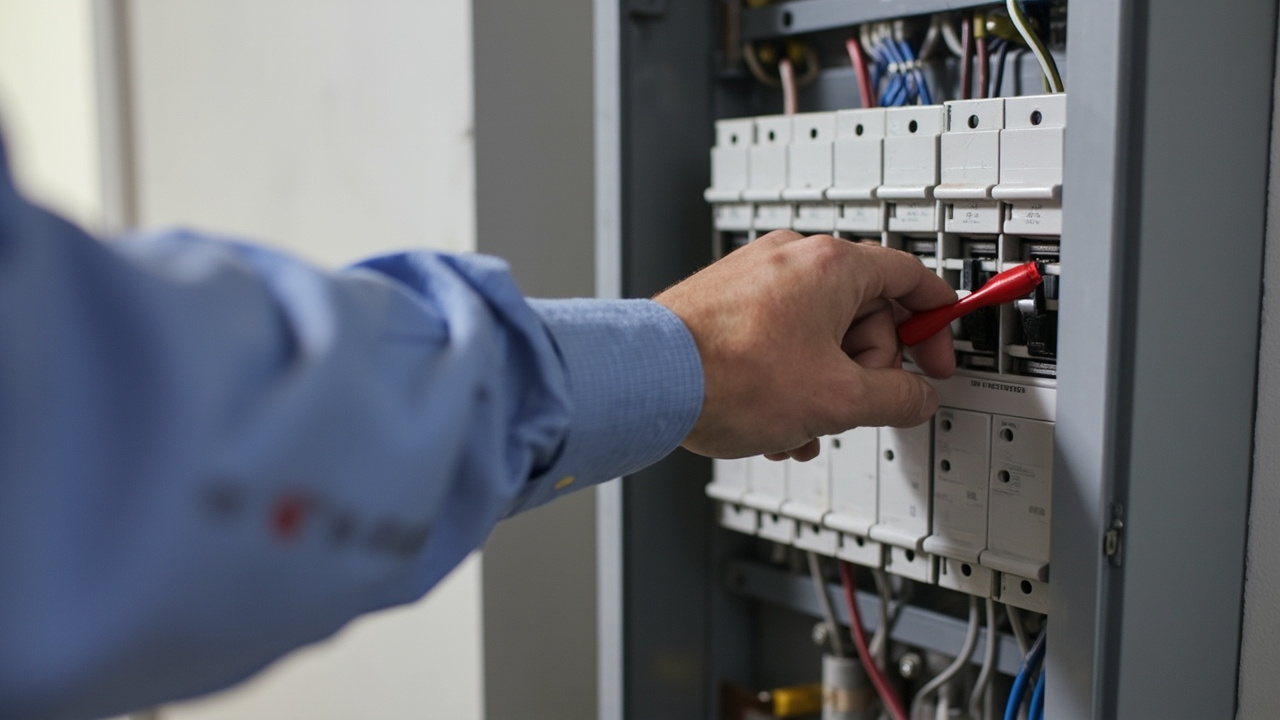
Here are the steps to reset a circuit breaker safely. First, turn off all lights and unplug all devices on the affected circuit. Second, open your electrical panel cover and locate the tripped breaker. It will be in the middle position or show a red indicator depending on the breaker brand. Third, push the breaker handle firmly to the full off position. Fourth, push the breaker handle to the on position. You should feel resistance and hear a solid click.

If the breaker trips immediately after resetting, you have a short circuit or ground fault. Do not attempt to reset it again. If the breaker holds for a few minutes or hours before tripping, you likely have an overload condition or a deteriorating connection. Both scenarios require professional evaluation.

Houston electrical codes follow the National Electrical Code with local amendments enforced by the city's Permitting Center. While resetting your own breaker is legal and safe when done correctly, any work beyond that point requires a licensed electrician. Tampering with breaker panel internals or attempting to replace breakers yourself violates code and voids your homeowner's insurance in the event of a fire.

What Happens When You Reset a Tripped Breaker

How to Reset a Breaker in Houston – Step-by-Step Instructions for Homeowners
01

Disconnect the Load

Before you touch the electrical panel, eliminate the electrical load on the tripped circuit. Turn off light switches and unplug every device connected to outlets on that circuit. This prevents the breaker from tripping again the instant you reset it. If you do not know which outlets are on the affected circuit, unplug major appliances and electronics throughout the area where you lost power. This step protects both you and your electrical system.
02

Reset the Breaker Properly

Open your panel cover and locate the breaker in the tripped position. Push the handle all the way to the off position until it stops. You must move it past the middle tripped position to fully disengage the internal mechanism. Then push the handle firmly to the on position. The handle should align with the other breakers and feel solid, not loose or spongy. A properly reset breaker clicks into place with noticeable resistance.
03

Test and Monitor

After resetting the breaker, restore power gradually. Turn on one light or plug in one device at a time, waiting 30 seconds between each addition. This method helps you identify which specific device or circuit area causes the trip if the problem recurs. If the breaker trips again without any load connected, you have a wiring fault that requires immediate professional repair. Monitor the reset breaker for 24 hours before considering the issue resolved.

When Breaker Trips Require Professional Electrical Service

A single breaker trip after obvious overload is normal. Repeated trips indicate problems that DIY fixes cannot solve. Electrical systems degrade over time, and Houston's climate accelerates that degradation. High humidity causes corrosion on bus bars and breaker contacts. Temperature extremes create thermal expansion and contraction that loosens terminal connections.

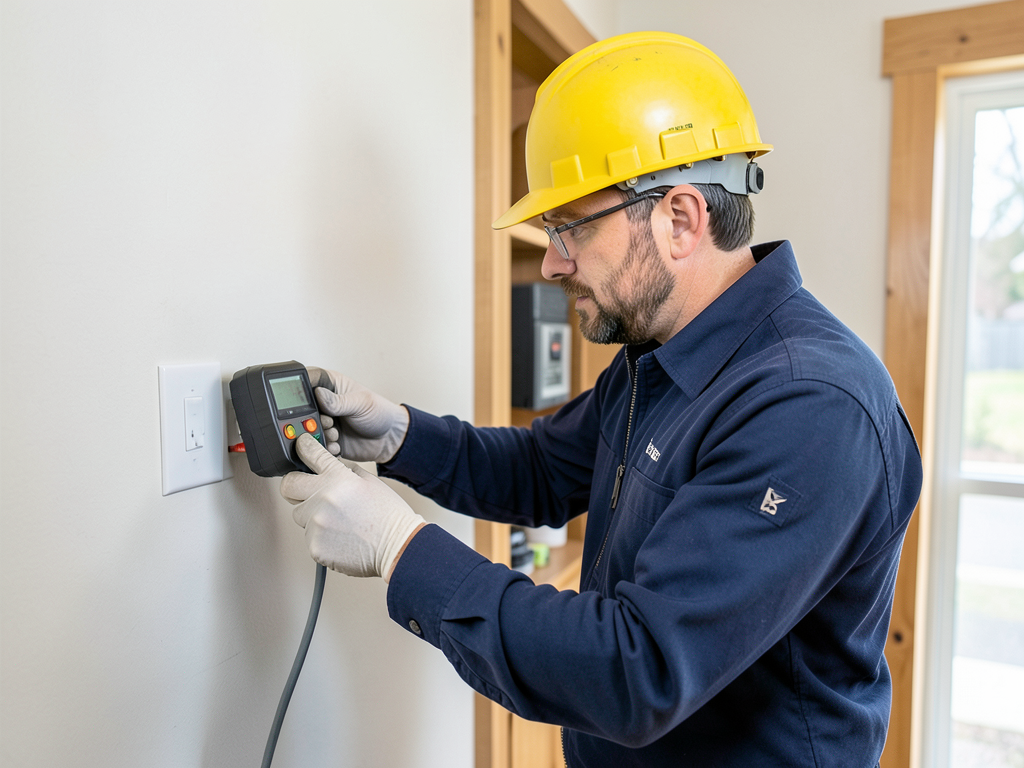
Titan Electricians Houston diagnoses breaker trip patterns that homeowners miss. We use thermal imaging cameras to identify hot spots in panels before they cause breaker failure. We measure voltage drop across circuits to find resistance from loose connections or damaged conductors. We test breakers with calibrated equipment to verify they trip at the correct amperage threshold, because breakers can fail in the closed position and not provide protection.

Houston's residential electrical codes require arc-fault circuit interrupter breakers in most living areas of homes built after 2008. AFCI breakers are more sensitive than standard breakers and trip when they detect arcing conditions that could start fires. These breakers sometimes trip from normal appliance operation, radio frequency interference, or internal component failure. Distinguishing between nuisance trips and legitimate safety trips requires diagnostic tools and experience.

We see common electrical problems in Houston's older neighborhoods that cause chronic breaker trips. Aluminum branch circuit wiring installed in the 1960s and 1970s expands and contracts differently than copper, creating loose connections at outlets and fixtures. Federal Pacific and Zinsco electrical panels, common in homes from that era, are known fire hazards with breakers that fail to trip properly. Knob and tube wiring in pre-1950 homes has degraded insulation that creates ground faults.

Our familiarity with Houston's housing stock means we can quickly identify the root cause of electrical problems based on your home's age, location, and construction type. A 1920s bungalow in the Heights has different electrical issues than a 1980s ranch in Katy or a 2010s townhome in Midtown. Local knowledge matters when diagnosing electrical systems.

What to Expect When You Call for Breaker Issues

Same-Day Service Availability

Electrical problems do not wait for convenient times. We dispatch electricians to Houston homes the same day you call for breaker issues that leave you without power in critical areas. Our service area covers all of Houston and surrounding communities within Harris County, Fort Bend County, and Montgomery County. We stock our trucks with common breakers, testing equipment, and repair materials to solve most problems in a single visit. You should not have to wait days for an electrician to diagnose why your breaker keeps tripping.

Comprehensive Electrical Panel Inspection

When you call us for a breaker problem, we inspect the entire electrical panel, not just the tripped breaker. We check for signs of overheating, corrosion, loose connections, and improper installations. We verify that your panel has adequate capacity for your home's electrical load and that all circuits are properly labeled. We test ground fault circuit interrupter outlets and AFCI breakers to confirm they function correctly. This thorough inspection often reveals problems you did not know existed, preventing future failures and potential fire hazards.

Detailed Explanation and Documentation

You receive a clear explanation of what caused your breaker to trip and what we recommend to prevent future occurrences. If we find safety hazards or code violations, we document them with photos and written descriptions. We provide written estimates for any repairs beyond simple breaker replacement. You will understand exactly what work needs to be done, why it matters for your safety, and what it involves. We do not use scare tactics or pressure you into unnecessary upgrades, but we will not ignore genuine safety concerns in your electrical system.

Follow-Up Support and Prevention

After we repair the cause of breaker trips, we provide guidance on how to prevent electrical overload in the future. This might include recommendations about redistributing appliances across different circuits, upgrading to a larger electrical panel, or installing dedicated circuits for high-draw equipment. We maintain service records for your home so future service calls build on our knowledge of your electrical system. If you experience any issues with work we performed, we respond quickly to address your concerns and ensure the repair holds up over time.

Frequently Asked Questions

You Have Questions,
We Have Answers

How do you reset a tripped circuit breaker? +

Locate your electrical panel, which is typically in a garage, utility room, or exterior wall in Houston homes. Look for the breaker that has shifted to the off position or sits between on and off. Firmly push the breaker fully to the off position first. Wait a few seconds, then push it back to the on position until you hear a click. The handle should align with other breakers. If the breaker trips again immediately, you have an overload or a short circuit that requires professional diagnosis.

How long do you leave a breaker off to reset it? +

Turn the breaker fully off and wait 15 to 30 seconds before resetting it. This brief pause allows the internal mechanism to cool down and reset properly. In Houston's heat, breakers can get warm quickly, so giving it a moment helps. If the breaker keeps tripping after you reset it, do not keep flipping it. Repeated tripping signals an electrical problem like an overloaded circuit, a failing breaker, or damaged wiring that needs an electrician's attention before causing further damage.

How to tell if a breaker needs to be reset? +

Check your electrical panel. A tripped breaker handle will be in the middle position between on and off, or completely in the off position. You may notice that certain outlets, lights, or appliances in one area of your home have lost power while others work fine. Some breakers have a small indicator window that shows red or orange when tripped. In older Houston homes with aging panels, the handle position may be subtle, so look carefully along the row of breakers.

Should I unplug everything before resetting the breaker? +

Yes, unplugging devices before resetting a breaker is smart. This reduces the electrical load when you restore power and helps prevent the breaker from tripping again immediately. If a faulty appliance caused the trip, unplugging everything lets you identify the culprit by plugging devices back in one at a time. In Houston's hot climate, air conditioners and refrigerators draw heavy loads. Wait a few minutes after unplugging before resetting to let compressors depressurize, which reduces startup surge.

Will a tripped breaker reset itself? +

No, a tripped breaker will not reset itself. You must manually reset it. Circuit breakers are mechanical safety devices designed to stay off once tripped to protect your home from electrical hazards like overloads or short circuits. Leaving a tripped breaker off is actually the safe state until you identify and fix the problem. If you find a breaker that seems to reset on its own or feels loose, the breaker itself may be failing and requires immediate replacement by a licensed electrician.

What should I do before resetting? +

Before resetting a tripped breaker, identify what caused the trip. Check for overloaded circuits by counting how many devices were running on that circuit. Look for signs of burning smells, scorch marks on outlets, or damaged cords. Unplug all devices on the affected circuit. In Houston, AC units and pool pumps are common culprits due to high power draw. If you see any physical damage to the panel, melted components, or smell burning plastic, do not touch it. Call an electrician immediately.

How do I flip a breaker back on? +

Open your electrical panel door and locate the tripped breaker. The handle will be in the middle or off position. Using firm pressure, push the handle all the way to the off position first. You should feel resistance. Pause for a few seconds, then push the handle to the on position until it clicks and aligns with the other breakers. The handle should feel solid and stay in place. If the handle feels loose, wobbly, or the breaker trips again right away, stop and contact an electrician.

What is the first thing you do when the power goes out? +

Check if the outage affects just your home or the whole neighborhood. Look outside to see if streetlights or neighbors have power. If only your home is dark, check your electrical panel for tripped breakers. In Houston, summer storms and high energy demand cause frequent outages. If breakers look normal but power is still out, contact your utility provider to report the outage. Avoid opening refrigerators and freezers to preserve food. Unplug sensitive electronics to protect them from power surges when electricity returns.

What is the 80% rule on breakers? +

The 80 percent rule means a circuit breaker should carry no more than 80 percent of its rated capacity for continuous loads lasting three hours or longer. For example, a 20-amp breaker should handle only 16 amps continuously. This prevents overheating and premature failure. Houston homes with central AC, which runs for extended periods during hot months, must follow this rule. Violating it leads to nuisance tripping, breaker damage, and potential fire hazards. Proper circuit design by a qualified electrician ensures safe capacity planning.

Should I call an electrician for a tripped breaker? +

Call an electrician if a breaker trips repeatedly, even after unplugging devices. Frequent tripping signals a serious issue like a short circuit, ground fault, or failing breaker that risks fire. Also call if you see burn marks, smell burning odors, hear buzzing sounds, or if the breaker feels hot. In Houston's older neighborhoods, outdated panels with Federal Pacific or Zinsco breakers are fire hazards and need immediate replacement. Do not ignore warning signs. A licensed electrician can diagnose the root cause and restore safe operation.

How Houston's Heat and Humidity Affect Electrical Panels and Breaker Performance

Houston's extreme summer heat and year-round humidity create harsh conditions for electrical equipment. Electrical panels installed in garages, on exterior walls, or in unconditioned spaces experience temperatures above 110 degrees during summer months. This heat accelerates the degradation of breaker components and wire insulation. Breakers have thermal trip mechanisms designed to protect against overload, but high ambient temperatures cause them to trip at lower currents than their rating. A 20-amp breaker in a 120-degree garage might trip at 18 amps, creating frustrating nuisance trips. Moisture infiltration through panel knockouts and conduit penetrations causes corrosion on bus bars and breaker contacts, increasing electrical resistance and heat generation. These Houston-specific conditions mean electrical panels require more frequent inspection and maintenance than in drier, cooler climates.

Titan Electricians Houston understands how local conditions affect residential electrical systems. We know which neighborhoods have older electrical infrastructure prone to specific problems. We stay current with Houston electrical code requirements and permitting procedures through the city's Permitting Center. Our electricians train on the unique challenges of working in Houston's climate, from dealing with moisture damage in coastal areas to addressing voltage fluctuations common in areas with older grid infrastructure. When you work with local electricians who have extensive experience in Houston homes, you get faster diagnosis, appropriate solutions, and repairs that account for the environmental stresses your electrical system faces every day.

Electrical Services in The Houston Area

Looking for reliable electricians near you? Titan Electricians Houston proudly serves homeowners and businesses across the greater Houston area with expert electrical repairs, panel upgrades, lighting installations, wiring services, and 24/7 emergency support. From The Woodlands to Pearland, our licensed electricians are ready to deliver safe, efficient, and code-compliant solutions. Use the map below to explore our service coverage and find fast, trusted electrical help in your neighborhood.

Address:
TitanElectriciansHouston, 2500 Summer St, Houston, TX, 77007

Additional Services We Offer

Our news updates

Latest Articles & News from The Blogs

Lorem ipsum dolor sit amet. Aut expedita quaerat quo eligendi numquam et laudantium perspiciatis qui minima expedita rem consequatur ducimus.…

Test Blog 4

Lorem ipsum dolor sit amet. Aut expedita quaerat quo eligendi numquam et laudantium perspiciatis qui minima expedita rem consequatur ducimus.…

Test Blog 3

Lorem ipsum dolor sit amet. Aut expedita quaerat quo eligendi numquam et laudantium perspiciatis qui minima expedita rem consequatur ducimus.…

Test Blog 2

Lorem ipsum dolor sit amet. Aut expedita quaerat quo eligendi numquam et laudantium perspiciatis qui minima expedita rem consequatur ducimus.…

Contact Us

If your breaker trips repeatedly or you need help diagnosing electrical problems in your Houston home, call Titan Electricians Houston at (281) 552-7811. We provide same-day service, thorough diagnostics, and permanent solutions to breaker issues that keep your home safe and powered reliably.