




Menu

Signs of Electrical Fire Hazards in Houston – Expert Detection Guides to Protect Your Home

Learn how to identify warning signs of electrical fires before disaster strikes. Titan Electricians Houston provides Houston homeowners with comprehensive resources to recognize electrical fire indicators and protect their families from preventable tragedies.

Slider Image 1
Slider Image 2
Slider Image 3
Slider Image 4
Slider Image 5
Slider Image 7
Slider Image 8
Slider Image 9
Slider Image 10
Slider Image 11

Houston Homes Face Elevated Electrical Fire Risks Year-Round

Your home's electrical system works harder in Houston than almost anywhere else in the country. The relentless heat cycles stretch conductors and degrade insulation. Air conditioning units run 9 months a year, pushing circuits to their design limits. Power surges spike during afternoon thunderstorms that roll in from the Gulf.

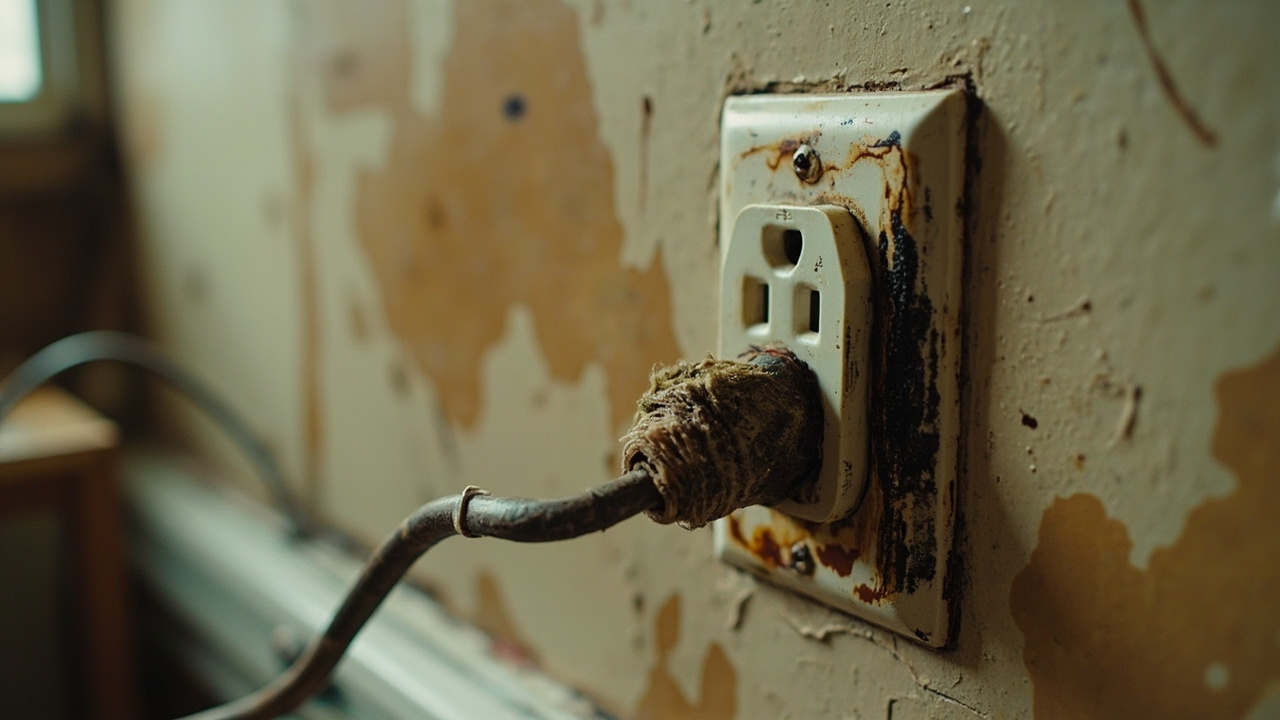
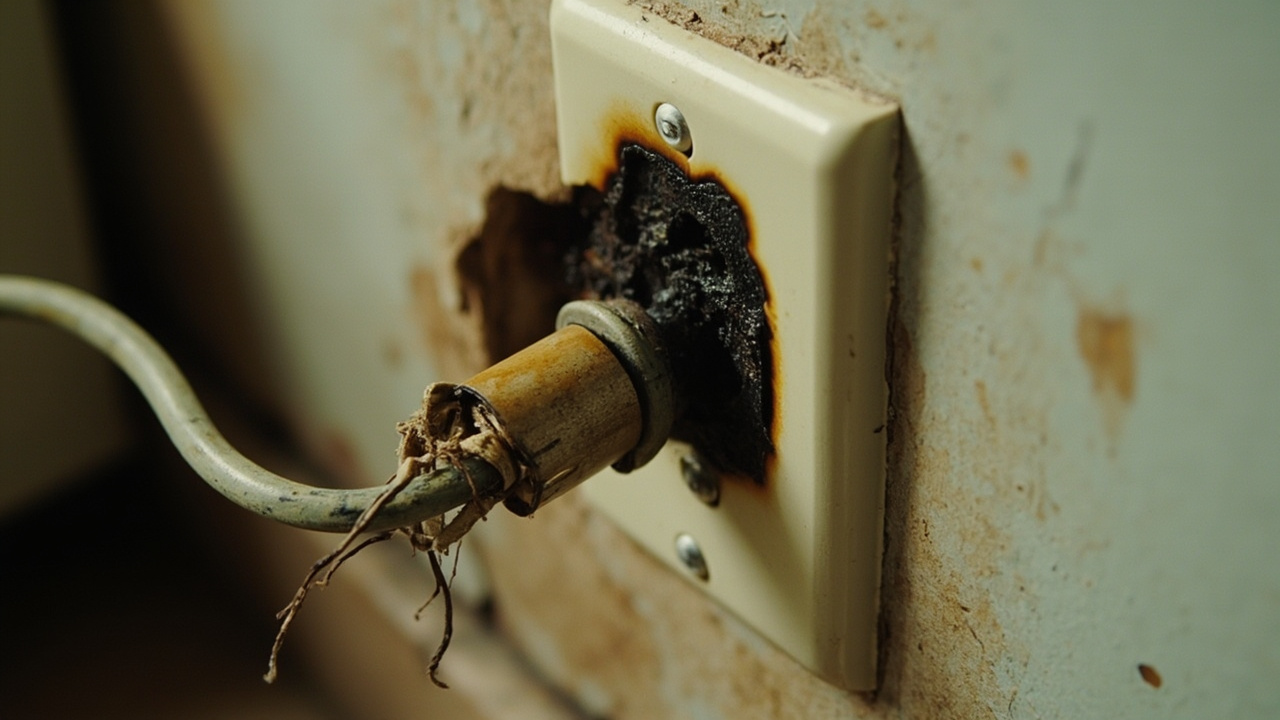
The warning signs of electrical fires start small. A faint burning smell near an outlet. A breaker that trips repeatedly. Discolored switch plates that feel warm to the touch. These electrical fire indicators tell you the system is struggling.

Houston's older neighborhoods like the Heights, Montrose, and Garden Oaks contain thousands of homes with original 1940s-1960s wiring. Cloth-insulated conductors deteriorate in the humidity. Undersized panels struggle with modern electrical loads. The symptoms of home electrical hazards multiply as these systems age.

You might notice flickering lights when the AC kicks on. Outlets that spark when you plug something in. Circuit breakers that feel hot. These faulty wiring warning signs mean degraded connections are creating resistance. Resistance generates heat. Heat starts fires.

Houston Fire Department data shows electrical failures rank among the top causes of residential structure fires. Most begin inside walls where you cannot see them. Identifying electrical fire risks early gives you time to act before smoke fills your hallway at 2 AM.

The good news is that most electrical fire hazards announce themselves before ignition. You just need to know what to look for and when to call a licensed electrician.

Houston Homes Face Elevated Electrical Fire Risks Year-Round
How Professional Electricians Assess Fire Risk in Your System

How Professional Electricians Assess Fire Risk in Your System

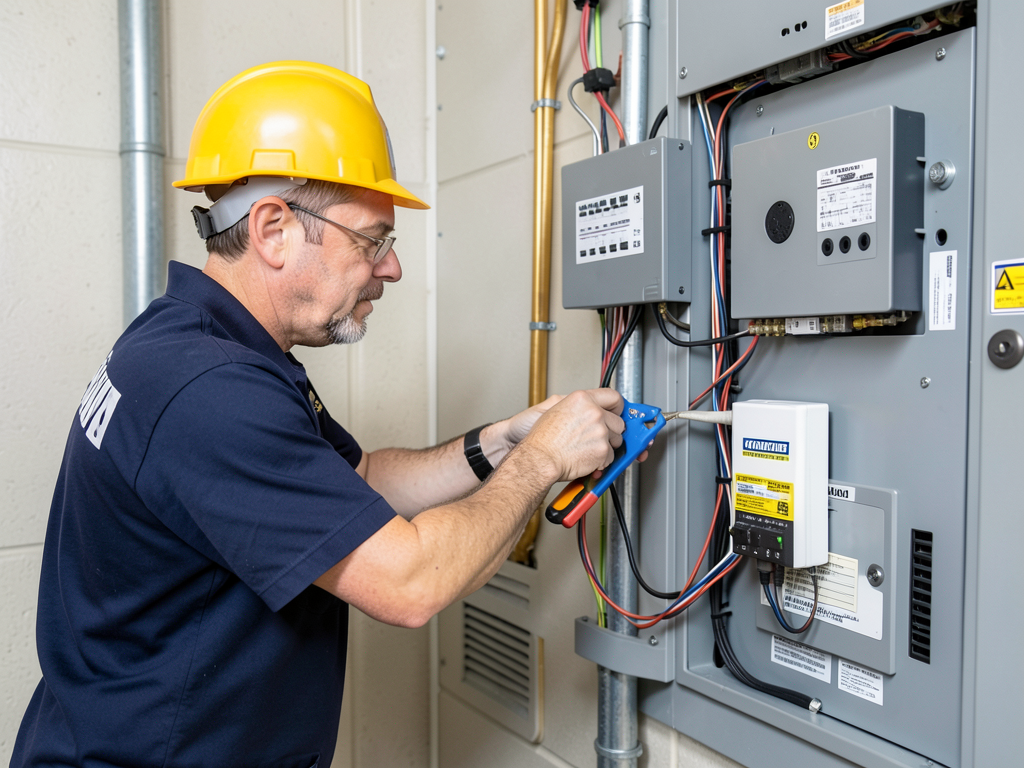
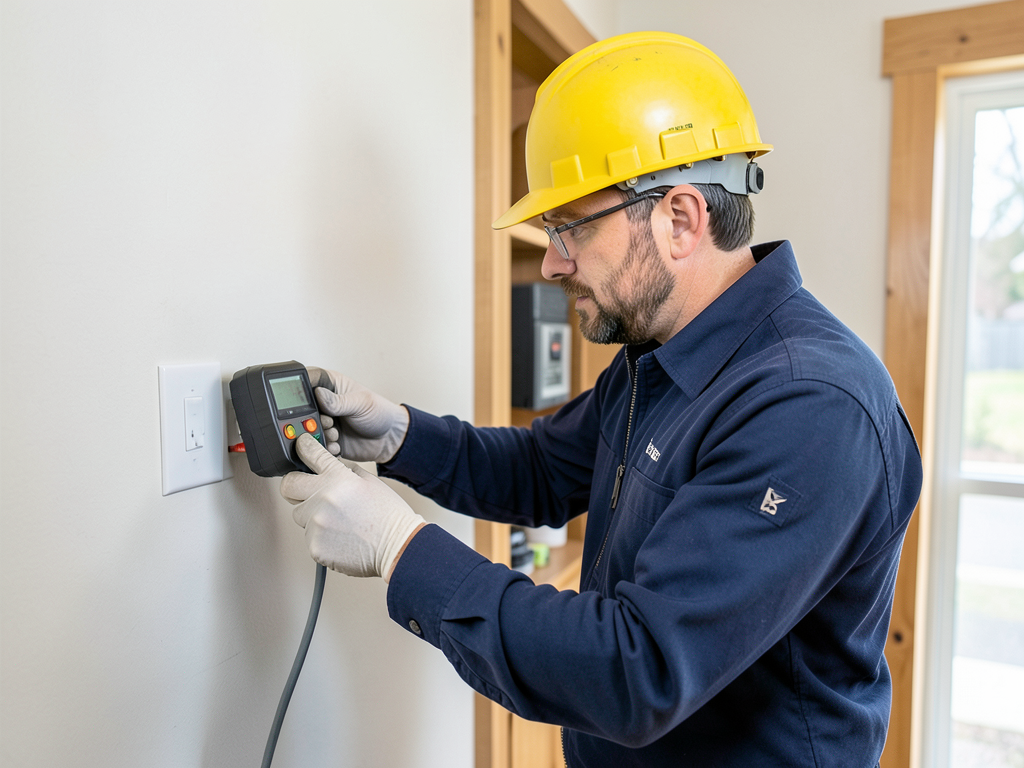
A comprehensive electrical safety inspection goes far beyond testing outlets with a plug tester. Licensed electricians use thermal imaging cameras to detect hot spots inside walls and panels. An infrared scan reveals overheating conductors, loose connections, and overloaded circuits before they ignite surrounding materials.

The inspection starts at your main service panel. We check for double-tapped breakers, aluminum wiring connections, and evidence of arcing. We measure voltage drop across branch circuits to identify resistance issues. We verify proper torque on all terminations, because loose connections are the number one cause of electrical fires.

We pull receptacles and switches to inspect backstab connections, which fail frequently in Houston's heat. We check for overlamping in fixtures, verify GFCI and AFCI protection where required by code, and test ground fault paths. We inspect the service entrance for weatherhead damage, masthead deterioration, and proper bonding.

Arc-fault circuit interrupters represent the single most effective technology for preventing electrical fires. These devices detect the distinctive electrical signature of arcing and shut down the circuit in milliseconds. Houston adopted the 2017 National Electrical Code, which requires AFCI protection in most living areas. If your panel lacks these breakers, you are missing critical protection.

We document every deficiency with photos and thermal images. You receive a written report that prioritizes hazards by severity. Critical issues like double-tapped breakers or exposed conductors get flagged for immediate correction. Lower-priority items like missing cover plates get scheduled for routine service.

This systematic approach identifies fire risks you cannot see and provides a clear action plan to eliminate them.

What to Inspect When Evaluating Your Home's Fire Safety

Signs of Electrical Fire Hazards in Houston – Expert Detection Guides to Protect Your Home
01

Visual Panel Assessment

Open your electrical panel and look for rust stains, which indicate water intrusion. Check for a burning smell or discolored breakers. Look for breakers that do not align properly or feel loose. Count how many circuits feed off tandem breakers, which can indicate an overloaded panel. Federal Pacific and Zinsco panels are known fire hazards that should be replaced immediately. Document anything that looks damaged or out of place.
02

Circuit Load Testing

Walk through your home and identify which outlets and fixtures connect to each circuit breaker. Add up the wattage of everything that runs simultaneously on each circuit. A standard 15-amp circuit safely handles 1,440 watts continuous load. If you exceed this regularly, the conductors heat up inside the walls. This sustained heat degrades insulation and increases fire risk. Kitchen and laundry circuits deserve special attention because they power high-draw appliances.
03

Connection Point Inspection

Check every outlet, switch, and junction box cover for warmth, discoloration, or a burning smell. These symptoms indicate loose connections or damaged conductors. Test GFCI outlets monthly using the test button. Verify that outdoor outlets have weatherproof covers. Look behind appliances for damaged cords or overloaded power strips. Pay attention to older homes where aluminum wiring connects to copper devices, because dissimilar metals create fire risks without proper connectors.

Why Houston Homeowners Trust Titan Electricians Houston for Safety Inspections

We have spent years working inside Houston homes built across eight decades. We know the difference between knob-and-tube wiring in a 1920s bungalow and the aluminum branch circuits common in 1970s construction. We understand how Houston's building codes evolved and what grandfathered systems need for safe operation.

Our electricians complete ongoing training in the latest National Electrical Code updates and fire prevention technologies. We invest in diagnostic equipment like thermal cameras and power quality analyzers that reveal problems invisible to standard testing. This technology-driven approach catches hazards that basic inspections miss.

We focus on education as much as service. When we identify a fire hazard, we explain exactly why it is dangerous and what failure mode could occur. You get clear answers about what needs immediate attention versus what can wait. No pressure tactics. No inflated risk assessments. Just honest evaluation based on code requirements and industry standards.

Houston's residential electrical systems face unique stresses. The constant air conditioning load, frequent thunderstorms, and high humidity all accelerate system degradation. We factor these local conditions into every inspection. A circuit that works fine in Denver might run dangerously hot in Houston's climate.

We have seen electrical fires start from problems that homeowners dismissed as minor annoyances. The outlet that sparked once. The breaker that tripped during a storm. The flickering light in the hallway. These symptoms matter. They tell you the system is failing. Acting on them early prevents catastrophic failures.

When you call Titan Electricians Houston, you get a thorough assessment from someone who understands both electrical theory and Houston-specific failure patterns. That combination keeps families safe.

What You Receive from a Professional Fire Hazard Assessment

Same-Day Inspection Availability

We schedule electrical safety inspections within 24 hours of your call. Most assessments take 90 minutes to two hours depending on home size and system complexity. We work around your schedule, including evening and weekend appointments. If you have noticed burning smells, sparking outlets, or frequent breaker trips, we prioritize your inspection as an urgent safety concern. You do not wait days wondering if your home is safe. We arrive prepared with all diagnostic equipment to complete a thorough evaluation in a single visit.

Comprehensive Multi-Point Inspection

Our fire hazard assessment examines every component from the service entrance to the final outlet. We use thermal imaging to scan all panels, subpanels, and high-load circuits. We test ground fault protection, verify proper circuit sizing, and inspect all visible wiring and connections. We check for code violations that create fire risks, including missing AFCI protection, improper grounding, and overloaded neutral conductors. You receive detailed documentation with photographs of every deficiency. We explain each finding in clear terms and answer all your questions on the spot.

Prioritized Correction Plan

Your written report categorizes every issue by urgency level. Critical hazards like exposed conductors or double-tapped breakers get flagged for immediate repair. Moderate risks like missing AFCI protection or undersized circuits get scheduled for near-term correction. Minor issues like missing cover plates get documented for routine service. We provide clear cost estimates for each repair so you can make informed decisions. The goal is safety, not selling you unnecessary work. We focus on what actually reduces fire risk in your specific home and electrical system.

Ongoing Safety Monitoring

After we address identified hazards, we recommend inspection intervals based on your home's age and electrical system condition. Homes built before 1980 benefit from annual thermal scans to catch developing problems early. Newer homes typically need inspection every three to five years. We maintain detailed records of your electrical system and track changes over time. If you add major appliances or experience storm damage, we reassess affected circuits. Our goal is preventing fires through proactive monitoring, not just reacting to emergencies after problems escalate.

Frequently Asked Questions

You Have Questions,
We Have Answers

What are the warning signs of an electrical fire? +

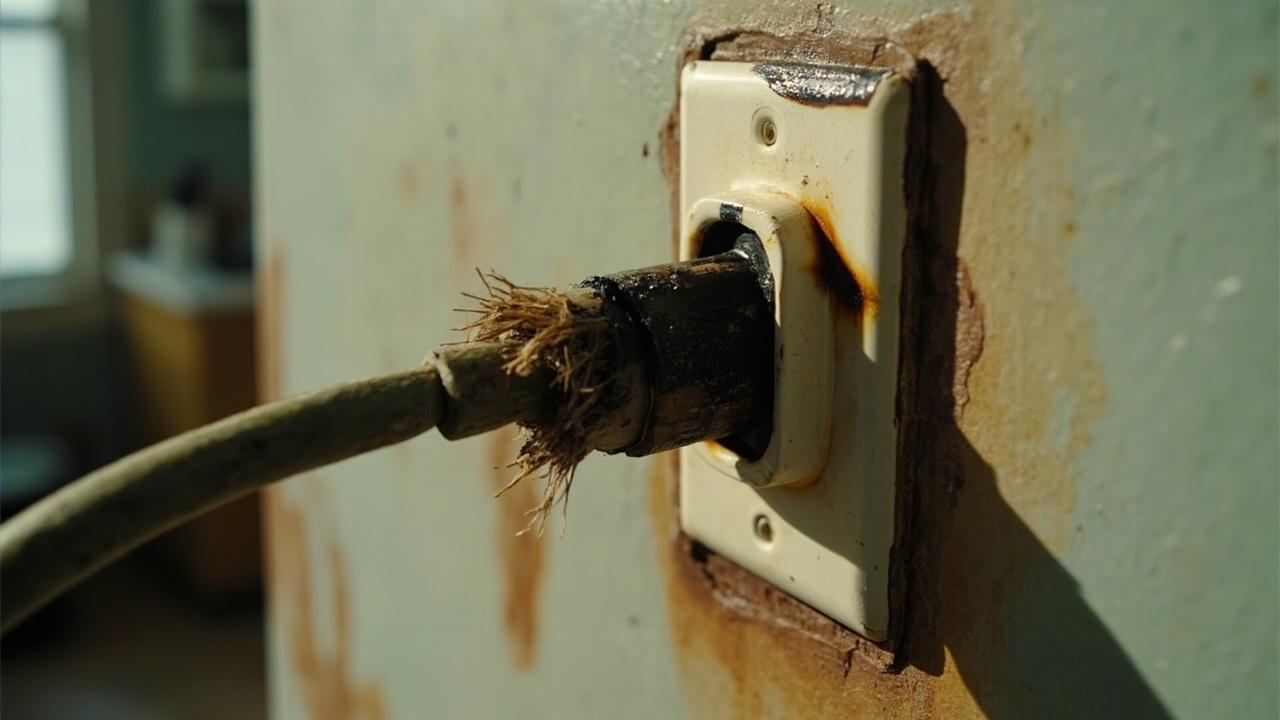
Watch for flickering or dimming lights, which signal loose connections or overloaded circuits. A persistent burning smell, even without visible smoke, indicates overheating wiring. Discolored or warm outlets suggest internal arcing. Circuit breakers that trip repeatedly point to serious overload issues. Sparking outlets or switches require immediate attention. In Houston's older homes, especially in historic neighborhoods like the Heights or Montrose, outdated aluminum wiring increases these risks. Buzzing sounds from outlets or panels indicate loose connections. Never ignore scorch marks on walls or outlets. These signs demand professional inspection before a fire starts.

What are the 5 main electrical hazards? +

Overloaded circuits top the list, especially in Houston homes where AC units strain aging systems during brutal summer months. Damaged or frayed wiring creates arcing and heat buildup. Improper grounding removes critical safety protection. Water exposure from humidity or plumbing leaks creates shock and fire risks. Outdated electrical panels, common in pre-1980s Houston construction, lack modern safety features like AFCI breakers. Many homes near Buffalo Bayou face moisture intrusion that corrodes connections. Each hazard compounds in Houston's climate, where heat and humidity accelerate wire insulation breakdown. Address these hazards before they escalate.

Will a breaker trip before a fire starts? +

Not always. Breakers trip when circuits exceed their amperage rating, but electrical fires often start from arcing faults that draw minimal current. A loose connection behind a wall can spark and ignite without tripping the breaker. AFCI breakers detect these arc faults, but many Houston homes built before 2002 lack this protection. Standard breakers only respond to overloads or direct shorts. Fires can smolder inside walls for hours before anyone notices. Relying solely on breakers creates false security. Install AFCI protection and address warning signs like burning smells immediately.

What are the three most common electrical hazards that can result in a fire? +

Faulty outlets and switches cause most residential fires through loose connections that arc and overheat. Extension cords, when overloaded or damaged, rank second. Houston's heat accelerates insulation breakdown on cords left outdoors or in garages. Outdated wiring, particularly aluminum wiring common in 1960s-70s Houston subdivisions, expands and contracts differently than modern copper, creating loose connections. Light fixtures with bulbs exceeding wattage ratings generate excessive heat. These three hazards share a common thread: heat buildup from poor connections or overloading. Each requires immediate correction by a licensed electrician familiar with Houston building codes.

Where do most electrical fires start in a house? +

Most electrical fires ignite in bedrooms, where overloaded outlets power multiple devices simultaneously. Houston homeowners often plug space heaters, phone chargers, and fans into single outlets. Kitchens rank second due to high-draw appliances like microwaves and toasters sharing circuits. Attics see fires from recessed lighting buried under insulation, especially problematic in Houston homes where insufficient ventilation traps heat. Electrical panels themselves can fail, particularly in older Houston neighborhoods with Federal Pacific or Zinsco panels known for defects. Laundry rooms with dryer connections also present risks. Focus inspections on these high-risk areas first.

What are the 5 critical fire behavior indicators? +

Volume and density of smoke indicate fire intensity and available oxygen. Color changes in smoke, from white to gray to black, show what materials are burning. Heat levels measured at ceiling height reveal flashover potential. Flame color indicates temperature and fuel source. Building movement or structural sounds warn of imminent collapse. While these indicators guide firefighters, homeowners should focus on prevention. Houston's wood-frame construction burns faster than masonry. High humidity can mask smoke odor temporarily. Never investigate electrical burning smells yourself. Evacuate and call 911. These indicators matter most to first responders, not occupants.

How do I identify electrical hazards? +

Start with a visual inspection of outlets and switches for discoloration, warmth, or loose faceplates. Touch your electrical panel; it should feel cool. Hot panels indicate serious problems. Check cords for fraying, especially on appliances in Houston garages where heat degrades insulation. Test GFCI outlets monthly using the test button. Look for rust or corrosion on panel connections, common in humid coastal areas. Count how many devices plug into each outlet. Hire a licensed electrician for thermal imaging scans that reveal hot spots invisible to the eye. Schedule professional inspections every three to five years.

What are the signs of an overloaded circuit? +

Dimming lights when you start appliances signal insufficient capacity. Warm or discolored outlets indicate excessive current flow. Breakers that trip repeatedly point to overload or short circuits. Buzzing sounds from outlets or switches reveal struggling connections. Burning smells, even faint ones, demand immediate action. In Houston homes, AC units drawing startup current often expose overloaded circuits. Flickering lights during summer months when cooling systems run constantly indicate circuits near capacity. Extension cords that feel warm signal dangerous overload. Never ignore these symptoms. Redistribute loads across circuits or upgrade your panel capacity through a qualified electrician.

Are extension cords a fire hazard? +

Yes, when misused. Extension cords carry temporary power, not permanent solutions. Houston homeowners often run cords under rugs or through doorways, damaging insulation and creating fire risks. Daisy-chaining multiple cords or power strips exceeds safe amperage. Outdoor cords left exposed to Houston's sun and rain degrade quickly. Using indoor-rated cords outside creates immediate hazards. Cords should never feel warm during use. Replace any cord with exposed wires or damaged plugs. For permanent power needs, install additional outlets. Extension cords cause hundreds of fires annually. Use them sparingly and inspect them regularly for damage.

What is the number one appliance that causes house fires? +

Ranges and cooktops cause the most house fires, but clothes dryers lead electrical fire statistics. Lint buildup in dryer vents creates highly flammable conditions. In Houston's humidity, moisture combines with lint to form dense blockages. Dryers draw 20-30 amps, stressing older circuits. Poor vent installation, common in Houston's quick-build subdivisions, restricts airflow and increases heat. Clean your lint trap after every load and deep-clean vents annually. Space heaters rank close behind dryers. Never run dryers when leaving home. Check that your dryer circuit uses proper 10-gauge wiring and a dedicated 30-amp breaker.

Why Houston's Climate and Housing Stock Create Elevated Fire Risks

Houston's combination of extreme heat, high humidity, and frequent electrical storms creates the perfect environment for electrical system degradation. Conductors expand and contract with temperature swings, loosening connections over time. Humidity accelerates corrosion on terminals and bus bars. Lightning-induced power surges damage surge protectors and stress circuit components. The city's explosive growth between 1950 and 1980 created hundreds of thousands of homes with aluminum wiring, undersized panels, and outdated safety technology. These aging systems now face electrical loads their designers never anticipated. Modern homes draw three to four times the amperage of homes built 50 years ago.

Titan Electricians Houston has worked throughout the greater Houston metro, from the historic districts inside the Loop to newer developments in Katy, Sugar Land, and The Woodlands. We understand how construction methods and electrical standards evolved across different decades. We know which neighborhoods have aluminum wiring issues and which subdivisions used Federal Pacific panels. This local knowledge helps us identify risks faster and recommend solutions that match your home's specific construction. When you work with electricians who understand Houston's housing patterns, you get assessments based on real experience with local failure modes, not generic checklists.

Electrical Services in The Houston Area

Looking for reliable electricians near you? Titan Electricians Houston proudly serves homeowners and businesses across the greater Houston area with expert electrical repairs, panel upgrades, lighting installations, wiring services, and 24/7 emergency support. From The Woodlands to Pearland, our licensed electricians are ready to deliver safe, efficient, and code-compliant solutions. Use the map below to explore our service coverage and find fast, trusted electrical help in your neighborhood.

Address:
TitanElectriciansHouston, 2500 Summer St, Houston, TX, 77007

Additional Services We Offer

Our news updates

Latest Articles & News from The Blogs

Lorem ipsum dolor sit amet. Aut expedita quaerat quo eligendi numquam et laudantium perspiciatis qui minima expedita rem consequatur ducimus.…

Test Blog 4

Lorem ipsum dolor sit amet. Aut expedita quaerat quo eligendi numquam et laudantium perspiciatis qui minima expedita rem consequatur ducimus.…

Test Blog 3

Lorem ipsum dolor sit amet. Aut expedita quaerat quo eligendi numquam et laudantium perspiciatis qui minima expedita rem consequatur ducimus.…

Test Blog 2

Lorem ipsum dolor sit amet. Aut expedita quaerat quo eligendi numquam et laudantium perspiciatis qui minima expedita rem consequatur ducimus.…

Contact Us

Do not wait for smoke or sparks to take action. Call Titan Electricians Houston at (281) 552-7811 to schedule a comprehensive safety inspection. We identify fire risks before they threaten your family and provide clear solutions to eliminate them. Protect your home today.