




Menu

EV Charger Levels Explained in Houston – Know Which Speed Fits Your Vehicle and Budget

Understanding electric vehicle charging levels helps Houston drivers choose the right home charging solution. Learn the difference between Level 1, Level 2, and Level 3 charging speeds and how each affects your daily range and installation requirements.

Slider Image 1
Slider Image 2
Slider Image 3
Slider Image 4
Slider Image 5
Slider Image 7
Slider Image 8
Slider Image 9
Slider Image 10
Slider Image 11

Why Houston EV Owners Need to Understand Charging Levels

You bought an electric vehicle to save money and reduce emissions. Now you need to understand how to charge it at home without overloading your electrical panel or wasting time on slow charging.

Houston's sprawling geography means residents drive more miles than most Americans. The average Houston commuter covers 30 miles daily, and many drive 50 or more. Your charging level determines whether you wake up with a full battery or a half-charged vehicle that limits your range.

The difference between ev charger levels comes down to voltage and amperage. Level 1 uses your standard 120-volt outlet. Level 2 requires a 240-volt circuit, the same voltage that powers your dryer. Level 3, also called DC fast charging, operates at 480 volts but is not designed for residential installation.

Understanding ev charging levels matters because your electrical service may not support your preferred charging speed. Many Houston homes built before 2010 have 100-amp or 150-amp service panels. A Level 2 charger draws 30 to 50 amps, which can max out older panels when combined with air conditioning, pool pumps, and other high-draw appliances.

Electric vehicle charging levels explained in simple terms means matching your vehicle's daily mileage needs with your home's electrical capacity. The wrong choice leads to slow charging, panel upgrades, or repeated circuit breaker trips. The right choice delivers a full charge overnight without electrical system strain.

Houston's hot climate adds another consideration. Your air conditioning runs hard from April through October, placing constant demand on your electrical service. This affects how much capacity remains for EV charging during peak evening hours when most residents plug in their vehicles.

Why Houston EV Owners Need to Understand Charging Levels
How Different Charging Levels Deliver Power to Your EV

How Different Charging Levels Deliver Power to Your EV

Level 1 charging uses a standard 120-volt outlet and delivers 3 to 5 miles of range per hour. You plug your vehicle into any grounded outlet using the portable charging cable that came with your EV. This method works for plug-in hybrids or drivers who cover fewer than 40 miles daily. Level 1 requires no electrical upgrades but takes 24 to 40 hours to fully charge a depleted battery.

Level 2 vs level 3 charging represents a major jump in speed and complexity. Level 2 operates at 240 volts and delivers 15 to 60 miles of range per hour, depending on the charger's amperage and your vehicle's onboard charger capacity. Most Level 2 home chargers run at 30 or 40 amps, fully charging an empty battery in 4 to 8 hours. This requires a dedicated circuit from your electrical panel and professional installation.

Level 3 charging, also called DC fast charging, bypasses your vehicle's onboard charger and feeds direct current into the battery at 480 volts. Public Level 3 stations deliver 100 to 250 miles of range in 20 to 30 minutes. These systems cost $50,000 or more and demand commercial-grade electrical service with 200 to 800 amps of capacity. Residential installations are not practical or permitted under most local codes.

Ev charging speeds explained through electrical load shows why amperage matters as much as voltage. A 240-volt circuit at 20 amps delivers 4.8 kilowatts. The same voltage at 40 amps delivers 9.6 kilowatts, doubling your charging speed. Your vehicle's onboard charger limits maximum charge rate. A vehicle with a 7.2-kilowatt onboard charger gains no benefit from a 9.6-kilowatt Level 2 station.

Titan Electricians Houston evaluates your electrical panel capacity, vehicle specifications, and daily driving needs to recommend the charging level that matches your situation without unnecessary upgrades.

How We Match Your Vehicle to the Right Charging Level

EV Charger Levels Explained in Houston – Know Which Speed Fits Your Vehicle and Budget
01

Panel Capacity Assessment

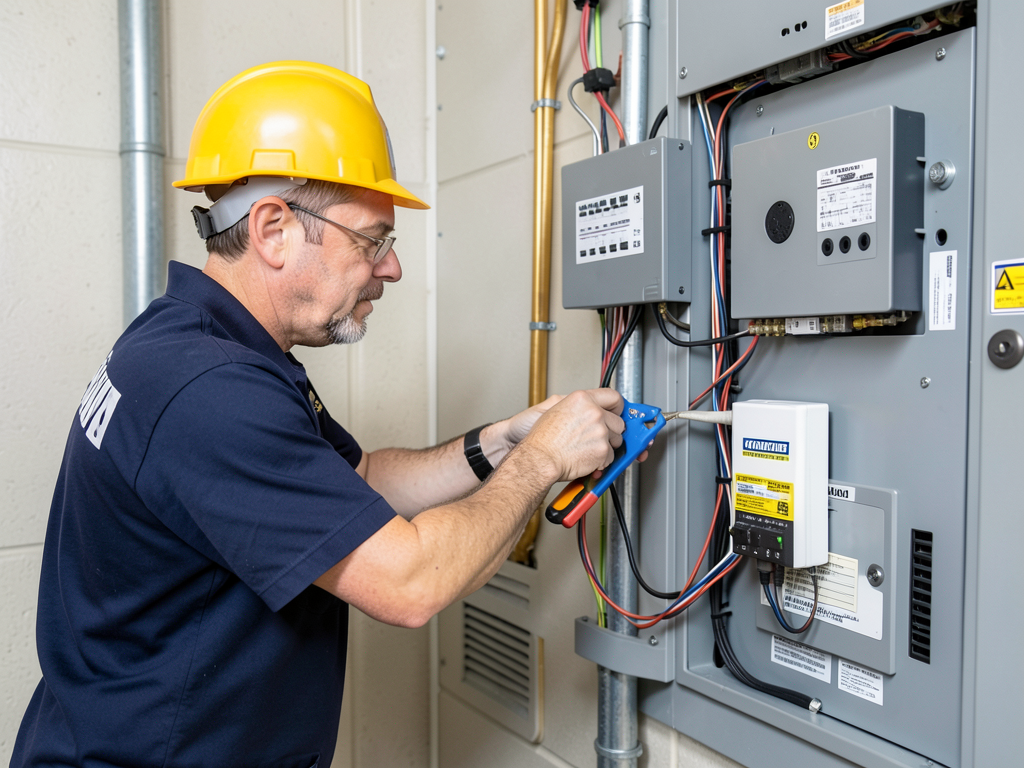
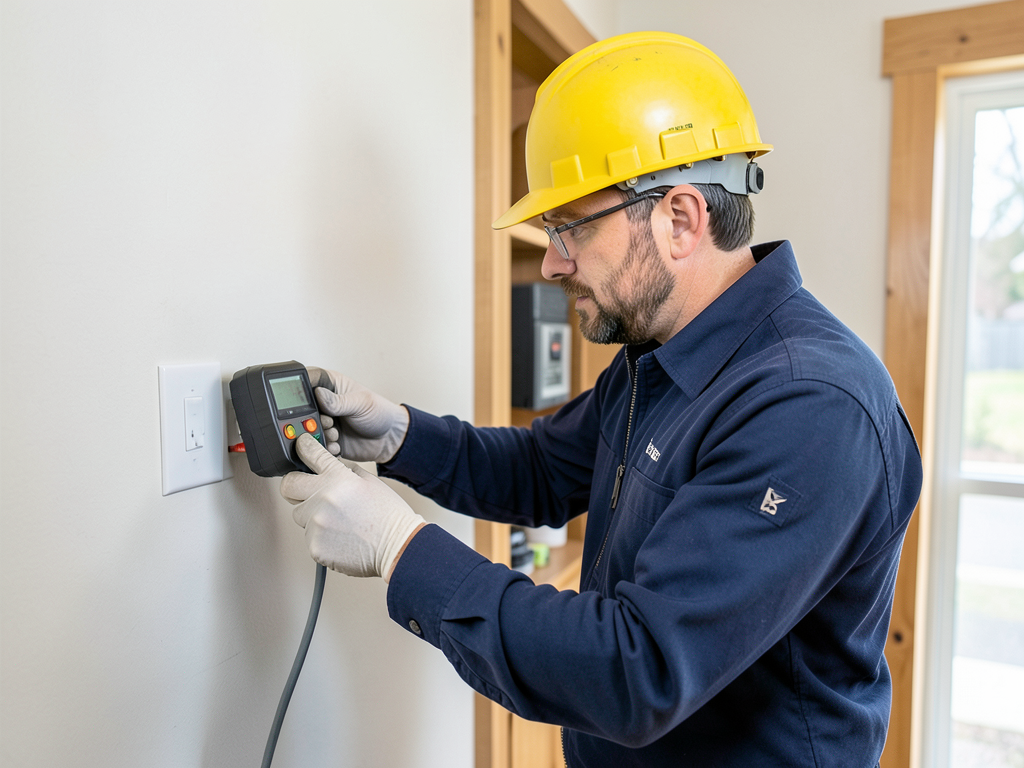
We calculate your panel's available amperage by measuring existing loads and identifying how much capacity remains for EV charging. This includes checking your main breaker rating, counting existing circuits, and using a clamp meter to measure actual current draw during peak usage. Houston homes with older 100-amp panels often need upgrades to support Level 2 charging without overloading the system during summer air conditioning demand.
02

Vehicle Compatibility Review

We verify your vehicle's onboard charger capacity and daily mileage requirements to determine which charging level provides the best value. A vehicle with a 3.3-kilowatt onboard charger gains no benefit from a 9.6-kilowatt Level 2 station. We calculate the kilowatt-hours needed to replace your daily driving consumption, then match that to the most cost-effective charging speed that replenishes your battery overnight without electrical system strain.
03

Installation and Load Balancing

We install the appropriate charging level with load management devices if needed to prevent panel overload. This includes running a dedicated circuit from your panel to the charging location, mounting the Level 2 station, and configuring smart chargers to reduce charging speed during peak household electrical demand. You receive clear documentation of your new circuit rating, charger specifications, and recommended charging schedules that keep your system within safe operating limits.

Why Houston EV Owners Trust Local Electrical Expertise

Houston's electrical code requires permits for any new 240-volt circuit installation. Many online charger retailers skip this requirement, leaving homeowners with unpermitted work that creates liability during home sales or insurance claims. Titan Electricians Houston pulls proper permits and schedules inspections to ensure your EV charging installation meets National Electrical Code standards and local amendments.

The difference between ev charger levels becomes critical when you factor in Houston's aging housing stock. Homes in neighborhoods like Montrose, the Heights, and Bellaire were built when 100-amp service was standard. Your panel may have physical space for new breakers but lack the amperage capacity to support them safely. We evaluate both before recommending a charging level.

Houston's climate also affects outdoor charger installations. Heat and humidity degrade electrical connections over time. We use weatherproof enclosures rated for Gulf Coast conditions and apply dielectric grease to all connections to prevent corrosion. This extends equipment life and prevents nuisance trips caused by moisture intrusion into the charging circuit.

Understanding ev charging levels requires knowledge of load calculations that most electricians learned in trade school but rarely apply. We calculate your dwelling unit load, existing loads, and permissible additional loads using Article 220 of the National Electrical Code. This determines whether your panel can support Level 2 charging or requires a service upgrade.

Many Houston subdivisions have deed restrictions that control where you can mount exterior charging equipment. We help navigate these requirements before starting work, preventing conflicts with homeowners associations and ensuring your charger location complies with both electrical code and community rules.

The choice between Level 1 and Level 2 charging often comes down to panel capacity and installation cost. We provide clear estimates for both options so you can make an informed decision based on your budget and charging needs.

What to Expect During Your EV Charging Consultation

Same-Day Consultation Scheduling

We schedule consultations within 24 to 48 hours of your call. The assessment takes 30 to 45 minutes and includes panel evaluation, circuit routing review, and charger location planning. You receive a written estimate before we leave that breaks down equipment costs, labor, permit fees, and any required panel upgrades. Most Houston homeowners receive same-week installation scheduling for straightforward Level 2 charger projects that require no service upgrades.

Panel Load Analysis and Code Review

We measure your panel's existing load using a clamp meter and calculate your total dwelling unit load based on square footage, installed appliances, and existing circuits. This determines available capacity for EV charging without exceeding your main breaker rating. We also verify that your panel has proper grounding and bonding, which affects your ability to install EV charging equipment safely. Houston's 2020 electrical code adoption requires specific grounding methods for circuits that serve outdoor equipment exposed to Gulf Coast weather conditions.

Properly Sized Circuit Installation

We install circuits sized at 125 percent of the charger's continuous load rating, as required by code. A 40-amp Level 2 charger requires a 50-amp circuit. This prevents nuisance breaker trips and keeps conductors within their temperature rating during extended charging sessions. You receive a dedicated circuit that serves only your EV charger, with no shared loads that could cause voltage drop or overheating. The installation includes proper wire sizing, conduit protection, and a disconnect within sight of the charger.

Post-Installation Support and Load Management

We provide guidance on optimal charging schedules that avoid peak electrical demand in your home. Many smart Level 2 chargers can delay charging until after 10 p.m., when air conditioning loads decrease and panel capacity increases. We configure these features during installation and show you how to adjust them as your usage patterns change. You receive our contact information for any questions about charger operation, circuit performance, or future electrical system upgrades as you add more EVs to your household.

Frequently Asked Questions

You Have Questions,
We Have Answers

What is level 1, level 2, and level 3 charging? +

Level 1 charging uses a standard 120-volt household outlet and adds 3 to 5 miles of range per hour. Level 2 charging requires a 240-volt circuit, the same voltage as your dryer, and delivers 12 to 80 miles per hour depending on amperage. Level 3 charging, also called DC fast charging, provides 100 to 200 miles in 20 to 30 minutes using specialized high-voltage equipment. Most Houston homeowners install Level 2 chargers because they balance speed with electrical system compatibility, especially important given our hot summers when air conditioning already taxes your panel.

What are level 1, 2, and 3 EV chargers? +

Level 1 chargers plug into any standard 120-volt outlet and work for overnight charging if you drive fewer than 40 miles daily. Level 2 chargers connect to 240-volt circuits and suit most residential needs, fully charging vehicles overnight. Level 3 chargers are commercial DC fast chargers found at highway rest stops and shopping centers. Houston drivers typically install Level 2 units at home because they handle daily commutes and weekend trips without the infrastructure cost of Level 3 equipment, which requires utility coordination and transformer upgrades most residential electrical systems cannot support.

How much faster is level 2 than level 1? +

Level 2 charging is 4 to 10 times faster than Level 1, depending on the amperage of your installation. A Level 1 charger adds roughly 40 miles during an 8-hour overnight charge. The same vehicle on a 40-amp Level 2 charger gains 200 to 250 miles in that timeframe. For Houston residents who commute to downtown or the Energy Corridor, Level 2 charging means you wake up with a full battery every morning, while Level 1 barely replaces what you used during the previous day's drive.

Is it better to charge level 1 or level 2? +

Level 2 charging is better for most Houston drivers. Level 1 works only if you drive under 30 miles daily and can charge for 10 to 12 hours overnight. Level 2 handles longer commutes, weekend trips to Galveston, and provides flexibility if you forget to plug in one night. The upfront cost of installing a 240-volt circuit and Level 2 charger pays off quickly in convenience. Houston's sprawling metro area means longer drives than compact cities, making the faster charging speed essential for practical daily use.

What is the 80/20 rule for charging? +

The 80/20 rule means charging your EV battery between 20 percent and 80 percent for daily driving to maximize battery lifespan. Lithium-ion batteries degrade faster when consistently charged to 100 percent or drained below 20 percent. Reserve full charges for road trips when you need maximum range. This practice matters in Houston's heat, which already stresses battery chemistry. Most EVs let you set charge limits in the vehicle settings, automatically stopping at 80 percent to protect the battery without requiring you to monitor the charge cycle manually.

Can I put a level 3 charger at home? +

You cannot install a true Level 3 charger at home. Level 3 equipment requires 480-volt three-phase power and costs $50,000 to $150,000, not counting utility infrastructure upgrades that most residential areas cannot support. Houston residential neighborhoods run on single-phase power unsuitable for DC fast charging. Some manufacturers offer high-power Level 2 chargers marketed as home DC chargers, but these still use 240-volt AC power and charge slower than commercial Level 3 stations. A properly installed Level 2 charger meets the needs of 99 percent of Houston homeowners.

Is a Tesla charger level 2 or 3? +

Tesla Wall Connectors are Level 2 chargers that use 240-volt AC power and deliver up to 44 miles of range per hour depending on your vehicle model and circuit amperage. Tesla Superchargers at public locations are Level 3 DC fast chargers. At home, all Tesla chargers operate as Level 2 equipment because residential electrical systems in Houston cannot provide the voltage and amperage required for DC fast charging. The Mobile Connector included with your Tesla can function as either Level 1 or Level 2, depending on the outlet adapter you use.

Is type 2 always AC? +

Type 2 connectors handle both AC and DC charging, though AC is more common for this plug standard. In North America, Type 2 typically refers to the J1772 connector used for Level 2 AC charging at homes and public stations. The same physical connector can deliver DC power when combined with additional pins in CCS (Combined Charging System) configurations. Most Level 2 chargers in Houston use AC because it integrates easily with residential electrical panels. DC charging requires different equipment and higher installation costs unsuitable for home use.

Why is level 3 charging so expensive? +

Level 3 charging costs more because stations require expensive high-voltage equipment, utility demand charges, and ongoing maintenance. A single DC fast charger costs $75,000 to $200,000 to install, not counting monthly utility fees that can reach thousands of dollars during peak usage. Operators pass these costs to drivers, charging 40 to 60 cents per kilowatt-hour compared to 12 to 15 cents for home charging in Houston. You also pay for speed and convenience. Most drivers use Level 3 charging only for road trips, relying on cheaper home charging for daily needs.

Is level 2 charging bad for EV? +

Level 2 charging does not harm your EV battery. The charging speed falls well within manufacturer specifications and generates less heat than DC fast charging. Modern battery management systems regulate temperature and current to prevent damage regardless of charging level. Level 2 charging is actually better for long-term battery health than repeated Level 3 sessions because slower charging produces less thermal stress. Houston's high ambient temperatures make heat management important, but Level 2 chargers cause no additional degradation beyond normal use when properly installed with adequate ventilation around the charging equipment.

How Houston's Electrical Infrastructure Affects EV Charging Decisions

Houston's suburban sprawl means longer daily commutes than most American cities. The average round-trip commute from Katy, Pearland, or The Woodlands to downtown Houston exceeds 50 miles. This makes Level 1 charging impractical for most Houston EV owners who need to replenish 15 to 20 kilowatt-hours daily. Level 2 charging at 240 volts delivers the overnight charging speed that matches Houston's driving patterns without requiring mid-day public charging stops. The city's relatively affordable electricity rates make home charging cost-effective compared to gasoline, but only if your charging level matches your daily consumption.

Houston's residential electrical systems were designed for lower loads than modern households demand. Adding central air conditioning, pool equipment, and now EV charging pushes many panels beyond their rated capacity. Titan Electricians Houston understands the load calculation requirements in the city's adopted 2020 National Electrical Code and knows which panel upgrades pass inspection on the first attempt. We work throughout Harris County, Fort Bend County, and Montgomery County, where permit requirements and inspection standards vary slightly. This local knowledge prevents installation delays and ensures your charging system meets the specific requirements of your jurisdiction.
Electrical Services in The Houston Area

Looking for reliable electricians near you? Titan Electricians Houston proudly serves homeowners and businesses across the greater Houston area with expert electrical repairs, panel upgrades, lighting installations, wiring services, and 24/7 emergency support. From The Woodlands to Pearland, our licensed electricians are ready to deliver safe, efficient, and code-compliant solutions. Use the map below to explore our service coverage and find fast, trusted electrical help in your neighborhood.

Address:
TitanElectriciansHouston, 2500 Summer St, Houston, TX, 77007

Additional Services We Offer

Our news updates

Latest Articles & News from The Blogs

Lorem ipsum dolor sit amet. Aut expedita quaerat quo eligendi numquam et laudantium perspiciatis qui minima expedita rem consequatur ducimus.…

Test Blog 4

Lorem ipsum dolor sit amet. Aut expedita quaerat quo eligendi numquam et laudantium perspiciatis qui minima expedita rem consequatur ducimus.…

Test Blog 3

Lorem ipsum dolor sit amet. Aut expedita quaerat quo eligendi numquam et laudantium perspiciatis qui minima expedita rem consequatur ducimus.…

Test Blog 2

Lorem ipsum dolor sit amet. Aut expedita quaerat quo eligendi numquam et laudantium perspiciatis qui minima expedita rem consequatur ducimus.…

Contact Us

Call (281) 552-7811 now to schedule your EV charging consultation. We will evaluate your panel capacity, explain which charging level fits your vehicle and driving patterns, and provide a clear estimate with no hidden costs. Most Houston installations complete in one day.