





Spring sits in the heart of Montgomery County's humid subtropical climate, where summer temperatures push HVAC systems to their limits and afternoon thunderstorms roll through with lightning strikes that surge through electrical panels. The soil composition in this part of Texas shifts with moisture changes, affecting ground rod connections and creating intermittent grounding issues that trip GFCI outlets without obvious cause.
Many homes in Spring were built during the 1980s and 1990s construction boom, which means original electrical panels are reaching the end of their service life just as families add electric vehicle chargers, home offices, and smart home systems that demand more amperage than these older systems can safely deliver. Federal Pacific and Zinsco panels, common in Spring neighborhoods from this era, are known fire hazards that insurance companies flag during home inspections.
The spring season brings severe weather with straight-line winds and hail that damage outdoor electrical equipment, meter bases, and weather heads. Summer heat causes attic temperatures to exceed 150 degrees, degrading wire insulation and creating fire risks in poorly ventilated junction boxes. Spring residents near the Woodlands or Klein areas often face voltage fluctuations from grid strain during peak cooling season, which damages sensitive electronics and appliances without proper surge protection at the service entrance.
Titan Electricians Houston built our reputation in Spring by showing up when we say we will and solving problems other electrical contractors miss. We started serving Spring neighborhoods over ten years ago, and our service area has grown because residents tell their neighbors about the electrician who actually diagnosed the real problem instead of selling unnecessary upgrades.
Our electricians carry master electrician licenses from the Texas Department of Licensing and Regulation, which means we can pull permits for major work and our installations pass Montgomery County inspections the first time. We invested in ongoing education about National Electrical Code updates and manufacturer certifications for the brands Spring residents actually own, from Generac generators to Tesla charging systems.
Every service truck carries a stocked inventory of panels, breakers, wire, and devices that match what we find in Spring homes, which means we complete most repairs in a single visit instead of leaving you waiting for parts. We schedule realistic appointment windows and call ahead when we're on the way, respecting that you took time off work to let us in.
Our diagnostic approach finds root causes instead of treating symptoms. When a breaker trips repeatedly, inexperienced electricians replace the breaker and leave. We measure actual load, check for loose connections, test for ground faults, and verify the circuit is properly sized for what it's powering. That's why our repairs last and why insurance companies accept our documentation for claims.
We serve Spring because we live here too. Our electricians recognize the street names when you call for service, we know which neighborhoods have which electrical issues, and we understand that a power outage in Texas summer heat is an actual emergency that requires urgent response.

Our team holds master electrician licenses from the Texas Department of Licensing and Regulation, not apprentice or journeyman credentials. We pull our own permits for panel changes, service upgrades, and major installations, ensuring your work meets Montgomery County code requirements and passes inspection. This protects your home's value and your family's safety with properly documented electrical work.

Electrical emergencies in Spring get same-day response because we staff enough crews to handle surge demand during storm season. When you call about sparking outlets, burning smells, or total power loss, we dispatch immediately and arrive within our quoted time window. Our trucks carry the panels, breakers, and wire to complete emergency repairs without parts delays.
We diagnose the problem first, then provide written pricing before starting any work. No hidden fees, no surprise charges, no inflated parts markups. You approve the cost and scope in writing, then we complete the work exactly as quoted. This eliminates the anxiety of not knowing what an electrical repair will cost until the electrician finishes and hands you a bill.
We know Spring electrical systems because we've worked in these neighborhoods for over a decade. Our electricians recognize the panel brands in your neighborhood, understand the load issues that affect homes near Old Town Spring versus properties closer to Cypresswood, and stock parts for the electrical equipment common to this area. Local knowledge means faster diagnosis and first-visit completion rates.
Titan Electricians Houston provides complete electrical services for Spring residential and commercial properties, from emergency repairs that restore power immediately to planned upgrades that add capacity for modern electrical demands. Licensed electricians handle everything from troubleshooting circuits that trip without obvious cause to installing whole-home generators that keep your family comfortable during extended outages.
Our service range covers three distinct areas of electrical work. Emergency electrical repair services respond to immediate problems that threaten safety or leave you without power. Electrical system upgrades and installations add capacity and capability for EV chargers, home additions, kitchen remodels, and technology that requires dedicated circuits. Preventive electrical services identify problems before they cause failures, verify your system meets current safety standards, and document conditions for insurance and real estate transactions.
Professional electricians from Titan bring the diagnostic equipment to find problems other electrical companies miss, from thermal imaging cameras that spot hot connections behind walls to digital multimeters that measure voltage drop and ground resistance. We don't guess about electrical problems. We test, measure, verify, then fix the actual issue causing your symptoms.
When electrical problems create immediate safety hazards or leave you without power, emergency repair services from licensed electricians restore safety and function fast. We respond same-day to sparking outlets, smoking panels, burning smells, total power loss, and circuits that trip repeatedly. Our service trucks carry the parts to complete emergency repairs without waiting for special orders, from replacement panels to weather heads damaged by storms. Emergency electrical work includes temporary power solutions when needed and permanent repairs that meet code requirements and pass inspection.
Panel upgrades, service entrance replacements, and whole-home rewiring bring older Spring electrical systems up to modern safety standards and capacity requirements. Professional electricians replace undersized 100-amp panels with 200-amp services that support EV chargers, add circuits for kitchen remodels and home additions, and eliminate dangerous Federal Pacific or Zinsco panels that insurance companies refuse to cover. System upgrade work includes permit acquisition, Montgomery County inspection coordination, and utility company liaison for meter base changes and service wire upgrades.
Installation services add electrical capability for generators, EV charging stations, ceiling fans, landscape lighting, pool equipment, and smart home devices. Electrical contractors design circuits that meet manufacturer specifications and code requirements, pull permits for work that requires inspection, and coordinate with other trades for new construction and remodel projects. Installation work includes load calculations to verify your panel can support new devices, proper wire sizing for distance and load, and testing to confirm safe operation before we leave your property.
Spring's climate and housing stock create predictable electrical problems that licensed electricians diagnose daily. High humidity accelerates corrosion in outdoor electrical equipment, meter bases, and weatherproof outlet covers, creating intermittent connections that cause flickering lights or partial power loss. Afternoon thunderstorms bring lightning strikes that surge through electrical panels and damage appliances, electronics, and HVAC equipment when surge protection is inadequate or improperly installed.
Many Spring homes still operate with original electrical panels from 1980s and 1990s construction, which means circuit breakers are reaching end-of-life just as families add electrical load from home offices, EV chargers, and upgraded HVAC systems. Breakers that trip frequently often indicate undersized circuits or panels that lack capacity for modern electrical demands. Attic heat in Texas summers degrades wire insulation in junction boxes and fixture connections, creating fire risks that only thermal imaging reveals. The specific electrical issues below represent the most common service calls electrical repair services handle in Spring neighborhoods throughout the year.
When the same circuit breaker trips multiple times, the problem is either overload, short circuit, or ground fault. Overload happens when too many devices run on one circuit. Short circuits occur when hot and neutral wires touch due to damaged insulation or loose connections. Ground faults trip GFCI breakers when current leaks to ground through damaged equipment or moisture intrusion. Professional diagnosis with amp meters and insulation testers identifies which condition is causing trips.
Lights that flicker in multiple rooms indicate problems at the service entrance, not individual fixtures. Loose connections at the weather head, meter base, or main panel create resistance that causes voltage fluctuations affecting the whole house. Corroded aluminum wire connections common in 1970s construction also cause flickering as resistance increases. These conditions generate heat that damages panels and creates fire risk, requiring immediate attention from electrical companies.
Dead outlets result from tripped GFCI devices, failed outlets, or loose wire connections in junction boxes. Sparking when you plug devices in indicates loose terminal screws, damaged outlet contacts, or reversed polarity. Outlets that feel warm to the touch show dangerous resistance from loose connections or undersized wire for the load. Electrical repair services use voltage testers and outlet analyzers to diagnose these issues and replace failed devices or repair connections.
Older Spring homes with 100-amp service lack capacity for EV chargers, upgraded HVAC systems, and expanded living spaces. Adding these loads without panel upgrades causes nuisance tripping, voltage sag that damages electronics, and potential fire hazards from overloaded wiring. Load calculations by licensed electricians determine if your service entrance and panel can support planned additions or if upgrades are required before installing new equipment.
From your first phone call to project completion, Titan Electricians Houston delivers a service experience designed around your schedule, budget, and need for clear communication. When you call about electrical problems, you speak with a person who takes detailed notes about symptoms, asks diagnostic questions that help us send the right equipment, and schedules a specific appointment window instead of vague all-day ranges.
Our electricians call ahead when they're on the way, arrive in clearly marked trucks, and present identification before entering your property. We protect your floors with shoe covers, set up work areas to contain dust and debris, and explain what we're about to do in plain language without unnecessary technical jargon. You're never left wondering what's happening or why a repair is taking longer than expected.
After diagnosing the problem, we provide written estimates that break down labor and materials with clear pricing before starting any work. You approve the scope and cost, then we complete the repair or installation exactly as quoted. No surprise charges, no hidden fees, no pressure to add services you don't need. When we finish, we test everything to verify proper operation, clean up completely, and walk you through what we did and why it solves your problem.
You'll know what's happening at every step. When you call, we explain what information we need and why. When we schedule service, you get a specific time window, not an all-day wait. Our electricians call ahead when they're on the way and explain findings in clear language after diagnosis. We provide written estimates before starting work, answer questions about why repairs are necessary, and explain your options when multiple approaches could solve the problem.
We treat your home or business like it's our own. Electricians wear shoe covers on finished floors, use drop cloths under work areas, and contain drywall dust when accessing junction boxes. We arrive within scheduled windows because we value your time. If diagnosis reveals more extensive problems than initially expected, we explain why and provide options before expanding the scope. Clean-up is thorough, removing all debris and packaging materials before we consider the job complete.
Every repair and installation comes with written warranty coverage on labor and materials. If problems occur with our work, we return and make it right at no additional charge. We provide documentation of all work performed, including photos of conditions found and repairs completed for your records and insurance claims. After project completion, you get follow-up contact information for questions or concerns. We're available when you need support, not just when you need service.
We built our service process around speed, transparency, and first-visit resolution. Most electrical problems get diagnosed and repaired in a single visit because our trucks carry the parts and our electricians have the experience to troubleshoot efficiently.
The electrician arrives within your scheduled window, reviews the symptoms you reported, and begins systematic diagnosis using voltage testers, amp meters, and thermal imaging when needed. We test circuits, verify ground continuity, measure voltage drop, and check connections at panels, outlets, and junction boxes. This diagnostic phase identifies the root cause of your electrical problem, not just obvious symptoms. You receive a clear explanation of findings and what's required to solve the problem permanently.
After diagnosis, we provide a written estimate that breaks down labor and materials required for the repair or installation. The pricing is final, not an estimate that changes when work is complete. We explain exactly what we'll do, why it's necessary, and how long it will take. If multiple approaches could solve your problem, we present options with pros and cons of each. You approve the work in writing before we start, eliminating surprise charges.
We complete the approved work, test all circuits and devices to verify proper operation, and conduct final safety checks including ground continuity and voltage verification. You receive documentation of work performed, including before and after photos when relevant. The electrician walks you through what was done, answers questions, and provides maintenance recommendations. We clean the work area completely, removing all debris and packaging. Your service includes warranty information and direct contact numbers for follow-up support.
Electrical work in Spring must comply with the National Electrical Code as adopted by Montgomery County, which references the 2020 NEC with local amendments that address specific regional concerns. These code requirements aren't arbitrary rules. They represent minimum safety standards developed from decades of electrical fire investigation, electrocution analysis, and equipment failure studies.
Montgomery County requires permits for panel changes, service upgrades, circuits added to existing systems, and permanent equipment installation including generators and EV chargers. Permit requirements ensure that a licensed electrician designs the work, a municipal inspector verifies code compliance, and documentation exists for future property owners. Work performed without proper permits creates liability issues during home sales and insurance claims for electrical fires.
The 2020 NEC introduced significant changes affecting Spring homeowners, including arc-fault circuit interrupter requirements for most 120-volt circuits, expanded GFCI protection for outdoor outlets and unfinished basements, and tamper-resistant receptacle requirements in areas accessible to children. Panel installations must include proper working clearance dimensions, correct wire sizing based on ambient temperature corrections for hot Texas attics, and appropriate overcurrent protection matched to wire ampacity.
Professional electricians calculate voltage drop for long wire runs common in Spring properties with detached garages or pool equipment, ensuring devices receive proper operating voltage. We verify ground electrode systems meet code requirements for resistance to earth, which protects equipment from lightning damage and ensures proper ground-fault current paths that trip breakers during faults. Proper grounding and bonding separate electrical current paths from water pipes, gas lines, and structural metal that could become energized during fault conditions.
Wire sizing isn't just about ampacity. Temperature derating factors apply in Texas attics where ambient temperatures exceed 140 degrees, requiring larger wire than basic ampacity tables indicate. Conduit fill calculations prevent overheating when multiple circuits share raceways. These technical requirements separate professional electrical work from handyman repairs that create fire hazards and code violations.
Montgomery County requires electrical permits for panel changes, service upgrades, new circuits, and permanent equipment installations. Permitted work includes plan review by county inspectors and field verification that installations meet NEC requirements. Unpermitted electrical work creates serious liability during home sales, insurance claims, and future renovation projects. Licensed electricians pull permits, coordinate inspections, and provide documentation that protects property owners from future complications related to undocumented electrical modifications.
Electrical project costs depend on material quality, labor complexity, permit fees, and whether existing systems meet code for modification. Panel upgrades require utility coordination, possible service wire replacement, and meter base changes that vary by installation specifics. Circuit additions may require panel upgrades if existing capacity is insufficient. Distance affects wire costs and installation labor. Material choices between standard and premium devices, surge protection levels, and warranty coverage create price ranges for similar scope.
Emergency repairs typically complete same-day when parts are available. Panel upgrades require utility coordination for power disconnection and reconnection, which adds scheduling lead time. Permit acquisition takes 3-5 business days in Montgomery County. Inspection scheduling depends on county workload but typically occurs within one week of completion. Complex projects involving structural access or coordination with other trades extend timelines. Weather affects outdoor electrical work including service entrance modifications and generator installations.
Licensed electricians maintain Texas Department of Licensing and Regulation credentials requiring continuing education on code updates and safety practices. Equipment installations follow manufacturer specifications and UL listing requirements for safe operation. Proper installations include correct overcurrent protection sizing, appropriate wire types for environment and application, and testing to verify ground continuity and proper voltage. These standards prevent electrical fires, equipment damage, and electrocution hazards that result from improper electrical work.
Licensed electricians explain common electrical problems affecting Spring, TX homes including panel issues, circuit overloads, and storm damage. Covers safety warning signs, when to call professional electrical contractors, and how Spring's climate creates unique challenges for electrical systems. Includes guidance on panel upgrades, emergency repairs, and code compliance for Montgomery County properties. Practical advice for homeowners about electrical safety and system maintenance.
Titan Electricians Houston serves the entire Spring area, from established neighborhoods near Old Town Spring where historic homes require careful electrical upgrades that respect original architecture, to newer developments around Augusta Pines and Gleannloch Farms where modern homes need EV charger installations and smart home system integration. Our service area extends throughout the 77373, 77379, 77386, and 77389 zip codes, covering properties from the dense residential areas near Spring High School to the larger lots along Cypress Creek and Lake Houston.
Electrical challenges vary across Spring's diverse neighborhoods. Homes in the older sections near Spring Cypress Road often need panel upgrades from 100-amp to 200-amp service to support modern electrical loads, while properties built during the 2000s construction boom face different issues like failing GFCI outlets from moisture exposure and undersized circuits for kitchen remodels. The neighborhoods between Louetta Road and FM 2920 include a mix of 1980s construction with aluminum wiring concerns and newer builds where builders installed minimum code-compliant systems that homeowners want to upgrade.
We know the areas around Klein and the neighborhoods stretching toward The Woodlands, where homes back up to wooded lots that lose power during storms when trees fall on service lines. Properties near Cypresswood have different grounding challenges than homes in Gleannloch Farms due to soil composition variations across Spring's geography. Our electricians recognize these location-specific patterns because we've worked throughout Spring for over a decade, learning which neighborhoods have which electrical infrastructure and common issues.
The commercial corridor along Kuykendahl Road and the business districts near Spring Stuebner Road require electrical contractors who understand commercial code requirements, three-phase power systems, and coordination with property managers who need work completed outside business hours. We serve both residential and commercial properties throughout Spring, from troubleshooting lighting circuits in retail spaces to installing backup generators at medical offices where power continuity is critical.
Our Spring service area includes properties in Montgomery County and southern portions of Harris County, which means we navigate permit requirements for both jurisdictions and maintain relationships with inspectors in multiple municipal offices. This local knowledge speeds permit acquisition and inspection scheduling, reducing project timelines compared to electrical companies based outside the area who face learning curves with local requirements.
Whether you're in Spring proper, Klein ISD, or the Spring Branch area extending south toward Houston, Titan Electricians Houston provides the same responsive service, expert diagnosis, and quality workmanship that built our reputation throughout the greater Spring community.
In mechanical terms, the four main spring types are compression springs, extension springs, torsion springs, and flat springs. Compression springs resist pushing forces and are commonly found in garage door systems throughout Spring neighborhoods. Extension springs stretch under load, like those in trampoline frames. Torsion springs twist to store rotational energy, frequently used in overhead doors. Flat springs, including leaf springs, bend to absorb force. In electrical work across Spring, TX, you will encounter spring-loaded terminals in circuit breakers and wire connectors that rely on compression spring principles to maintain secure electrical connections in your home or business.
A wiring spring, also called a push-in connector or spring terminal, creates a secure electrical connection without screws. The spring mechanism grips the wire when you insert it into the terminal, maintaining constant pressure for reliable contact. These connectors appear in modern electrical devices, light fixtures, and junction boxes throughout Spring homes. The spring tension prevents wires from loosening due to vibration or thermal expansion, which matters in Texas heat. Electricians use these for faster installations, though some prefer traditional screw terminals for heavy-load circuits. Spring-loaded terminals work best with solid copper wire in residential applications where quick, tool-free connections are needed.
In electrical systems, an inductor serves as the spring equivalent. Just as a mechanical spring stores energy when compressed and releases it when relaxed, an inductor stores energy in a magnetic field when current flows through it. The inductor resists changes in current flow, similar to how a spring resists compression or extension. This property makes inductors valuable in power supplies, filters, and electrical circuits throughout commercial buildings in Spring. The mathematical relationship between inductance and mechanical springs shows parallel behavior in their response to applied force or voltage. Both components temporarily store energy and release it back into their respective systems.
In mechanical terms, the four main spring types are compression springs, extension springs, torsion springs, and flat springs. Compression springs resist pushing forces and are commonly found in garage door systems throughout Spring neighborhoods. Extension springs stretch under load, like those in trampoline frames. Torsion springs twist to store rotational energy, frequently used in overhead doors. Flat springs, including leaf springs, bend to absorb force. In electrical work across Spring, TX, you will encounter spring-loaded terminals in circuit breakers and wire connectors that rely on compression spring principles to maintain secure electrical connections in your home or business.
A wiring spring, also called a push-in connector or spring terminal, creates a secure electrical connection without screws. The spring mechanism grips the wire when you insert it into the terminal, maintaining constant pressure for reliable contact. These connectors appear in modern electrical devices, light fixtures, and junction boxes throughout Spring homes. The spring tension prevents wires from loosening due to vibration or thermal expansion, which matters in Texas heat. Electricians use these for faster installations, though some prefer traditional screw terminals for heavy-load circuits. Spring-loaded terminals work best with solid copper wire in residential applications where quick, tool-free connections are needed.
In electrical systems, an inductor serves as the spring equivalent. Just as a mechanical spring stores energy when compressed and releases it when relaxed, an inductor stores energy in a magnetic field when current flows through it. The inductor resists changes in current flow, similar to how a spring resists compression or extension. This property makes inductors valuable in power supplies, filters, and electrical circuits throughout commercial buildings in Spring. The mathematical relationship between inductance and mechanical springs shows parallel behavior in their response to applied force or voltage. Both components temporarily store energy and release it back into their respective systems.
Power springs, also called clock springs or motor springs, store mechanical energy through tightly coiled flat metal strips. When you wind the spring, it stores potential energy that releases gradually as it unwinds. This controlled release provides constant rotational force. You find power springs in retractable extension cords, window shades, and older mechanical timers in Spring homes. The spring material and number of coils determine how much energy it stores. In electrical applications, power springs keep tension on cable reels and cord management systems. The predictable unwinding rate makes them useful where steady mechanical force is needed without external power sources.
Wire springs include compression, extension, torsion, and specialty types like conical and barrel springs. Compression springs push back when squeezed, used in electrical panel door latches and device housings. Extension springs pull back when stretched, found in cord retractors and tension applications. Torsion springs twist to provide rotational force, common in cable management arms and adjustable fixtures. Conical springs provide variable spring rates and fit in tight spaces. Barrel springs offer consistent force over longer compression ranges. In Spring electrical installations, you encounter these springs in everything from breaker panels to lighting fixtures, where they maintain mechanical function and protect electrical components.
Shocks and springs are different suspension components that work together. Springs support vehicle weight and absorb bumps by compressing and extending. They store and release energy, which can cause bouncing. Shock absorbers control spring movement by dampening oscillations, converting kinetic energy into heat. In Spring, TX, where summer heat affects roads and winter moisture causes pavement shifts, both components wear differently. While this is automotive terminology, electricians working on garage door openers and overhead systems throughout the greater Spring metro area deal with similar spring and dampening principles in mechanical-electrical systems that require proper tension and controlled movement.
The spring on your wire serves as strain relief, protecting the electrical connection from damage. This flexible spring covering, often found where cords enter appliances or chargers, prevents the wire from bending sharply at the connection point. Sharp bends cause wire fatigue and internal conductor breakage, creating fire hazards in Spring homes. The spring distributes bending stress over a longer section, extending cord life. You see these on phone chargers, appliance cords, and power tools. The spring does not carry current but acts as mechanical protection. If your cord spring splits or becomes loose, replace the entire cord to prevent electrical hazards.
A broken torsion spring on your garage door creates a dangerous situation requiring immediate professional attention. The door becomes extremely heavy and may slam shut unexpectedly, risking injury or property damage. Most garage doors in Spring neighborhoods use torsion springs mounted above the door opening. These springs are under extreme tension and store enough energy to cause serious harm if mishandled. Never attempt DIY torsion spring replacement. The broken spring prevents your automatic opener from functioning properly, and manually operating the door can damage the opener motor. Contact a qualified garage door technician who understands the mechanical-electrical integration of modern door systems.
Spring wiring refers to push-in wire connectors that use internal springs to grip conductors without screws. You push the stripped wire end into the terminal opening, and the spring clamp secures it. This connection method appears in modern light switches, outlets, and junction boxes across Spring residential installations. Some electricians call these backstab connections. While faster than screw terminals, spring wiring works best for 15-amp circuits with solid copper wire. The spring maintains contact pressure, though vibration or aluminum wire can cause loosening over time. Many commercial applications in Spring still prefer screw terminals for reliability on high-load circuits where connection integrity is critical.
Springs and capacitors share energy storage functions but operate differently. A capacitor stores electrical energy in an electric field, while a spring stores mechanical energy through physical deformation. Both resist rapid changes in their systems. Capacitors resist voltage changes just as springs resist force changes. The mathematical equations governing capacitors and springs show structural similarities, making springs a useful mechanical analogy for understanding capacitor behavior. In Spring electrical systems, capacitors smooth power fluctuations and provide motor starting torque, similar to how springs absorb mechanical shocks. Both release stored energy when needed, making them temporary energy reservoirs in their respective electrical and mechanical domains.
Power springs, also called clock springs or motor springs, store mechanical energy through tightly coiled flat metal strips. When you wind the spring, it stores potential energy that releases gradually as it unwinds. This controlled release provides constant rotational force. You find power springs in retractable extension cords, window shades, and older mechanical timers in Spring homes. The spring material and number of coils determine how much energy it stores. In electrical applications, power springs keep tension on cable reels and cord management systems. The predictable unwinding rate makes them useful where steady mechanical force is needed without external power sources.
Wire springs include compression, extension, torsion, and specialty types like conical and barrel springs. Compression springs push back when squeezed, used in electrical panel door latches and device housings. Extension springs pull back when stretched, found in cord retractors and tension applications. Torsion springs twist to provide rotational force, common in cable management arms and adjustable fixtures. Conical springs provide variable spring rates and fit in tight spaces. Barrel springs offer consistent force over longer compression ranges. In Spring electrical installations, you encounter these springs in everything from breaker panels to lighting fixtures, where they maintain mechanical function and protect electrical components.
Shocks and springs are different suspension components that work together. Springs support vehicle weight and absorb bumps by compressing and extending. They store and release energy, which can cause bouncing. Shock absorbers control spring movement by dampening oscillations, converting kinetic energy into heat. In Spring, TX, where summer heat affects roads and winter moisture causes pavement shifts, both components wear differently. While this is automotive terminology, electricians working on garage door openers and overhead systems throughout the greater Spring metro area deal with similar spring and dampening principles in mechanical-electrical systems that require proper tension and controlled movement.
The spring on your wire serves as strain relief, protecting the electrical connection from damage. This flexible spring covering, often found where cords enter appliances or chargers, prevents the wire from bending sharply at the connection point. Sharp bends cause wire fatigue and internal conductor breakage, creating fire hazards in Spring homes. The spring distributes bending stress over a longer section, extending cord life. You see these on phone chargers, appliance cords, and power tools. The spring does not carry current but acts as mechanical protection. If your cord spring splits or becomes loose, replace the entire cord to prevent electrical hazards.
A broken torsion spring on your garage door creates a dangerous situation requiring immediate professional attention. The door becomes extremely heavy and may slam shut unexpectedly, risking injury or property damage. Most garage doors in Spring neighborhoods use torsion springs mounted above the door opening. These springs are under extreme tension and store enough energy to cause serious harm if mishandled. Never attempt DIY torsion spring replacement. The broken spring prevents your automatic opener from functioning properly, and manually operating the door can damage the opener motor. Contact a qualified garage door technician who understands the mechanical-electrical integration of modern door systems.
Spring wiring refers to push-in wire connectors that use internal springs to grip conductors without screws. You push the stripped wire end into the terminal opening, and the spring clamp secures it. This connection method appears in modern light switches, outlets, and junction boxes across Spring residential installations. Some electricians call these backstab connections. While faster than screw terminals, spring wiring works best for 15-amp circuits with solid copper wire. The spring maintains contact pressure, though vibration or aluminum wire can cause loosening over time. Many commercial applications in Spring still prefer screw terminals for reliability on high-load circuits where connection integrity is critical.
Springs and capacitors share energy storage functions but operate differently. A capacitor stores electrical energy in an electric field, while a spring stores mechanical energy through physical deformation. Both resist rapid changes in their systems. Capacitors resist voltage changes just as springs resist force changes. The mathematical equations governing capacitors and springs show structural similarities, making springs a useful mechanical analogy for understanding capacitor behavior. In Spring electrical systems, capacitors smooth power fluctuations and provide motor starting torque, similar to how springs absorb mechanical shocks. Both release stored energy when needed, making them temporary energy reservoirs in their respective electrical and mechanical domains.
Looking for reliable electricians near you? Titan Electricians Houston proudly serves homeowners and businesses across the greater Houston area with expert electrical repairs, panel upgrades, lighting installations, wiring services, and 24/7 emergency support. From The Woodlands to Pearland, our licensed electricians are ready to deliver safe, efficient, and code-compliant solutions. Use the map below to explore our service coverage and find fast, trusted electrical help in your neighborhood.
Address:
Spring, TX, 77373
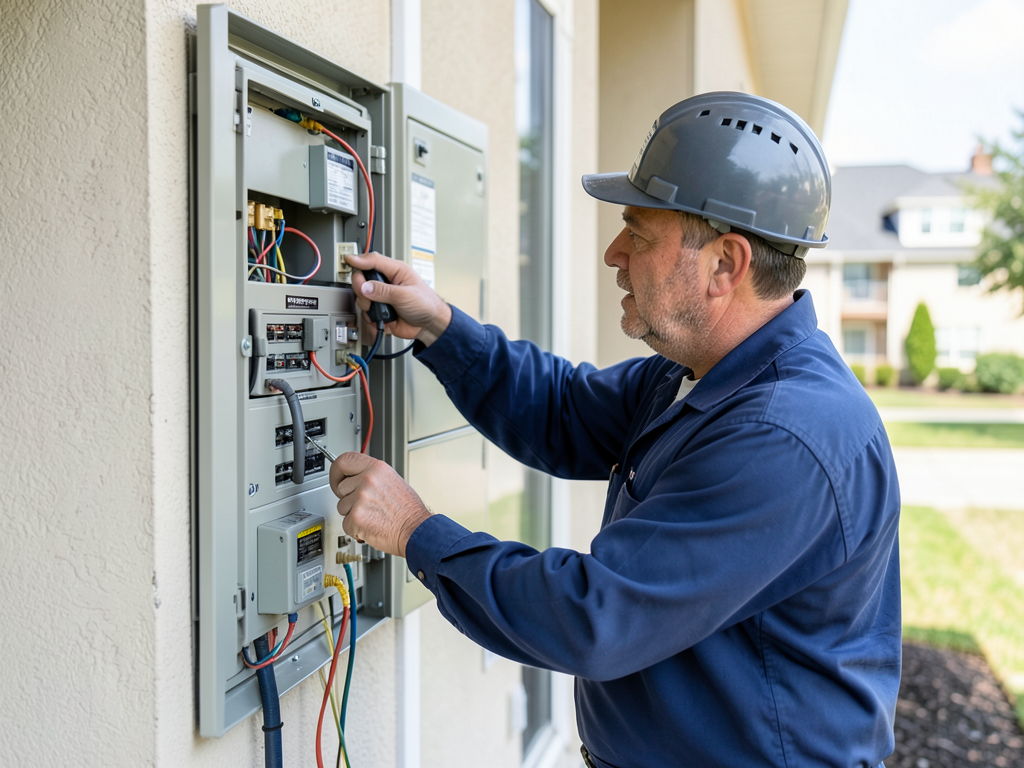
The Essential Electrical Safety Checklist for New Renters in Rice Military Moving into a new rental in Rice Military means you need to check more than just the floor plan. Electrical safety affects your comfort…
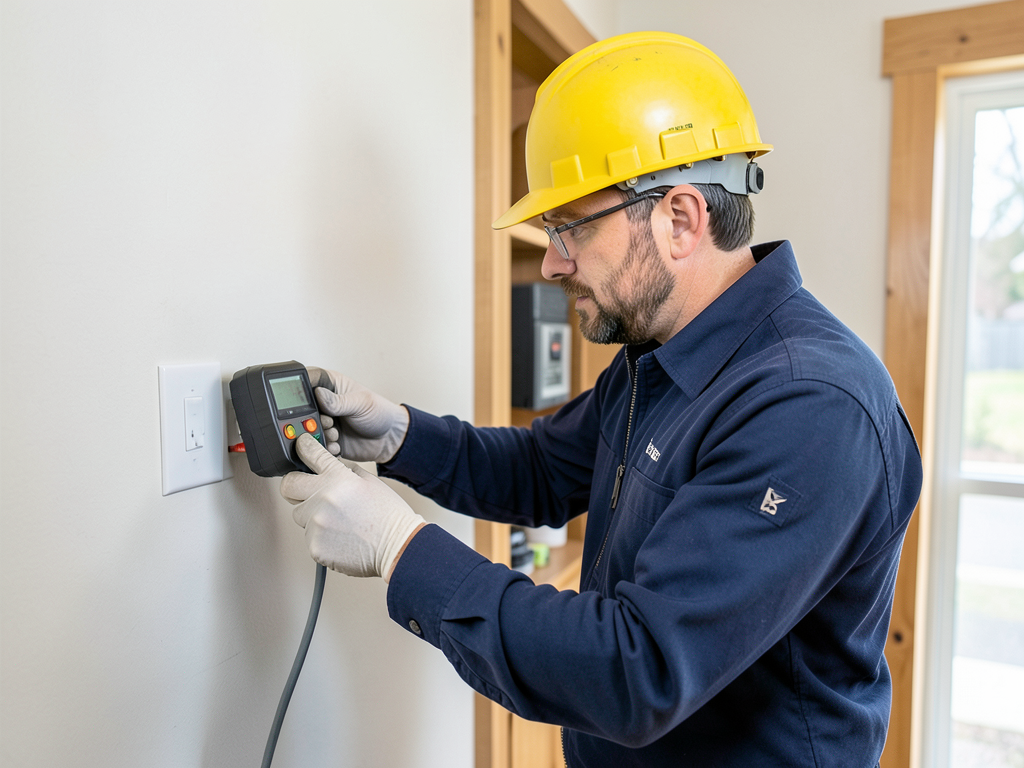
Why You Keep Getting Small Shocks From Your Light Switches in South Park You reach…

Using Strategic Lighting to Boost the Curb Appeal of Your Nottingham Forest Property Your Nottingham…
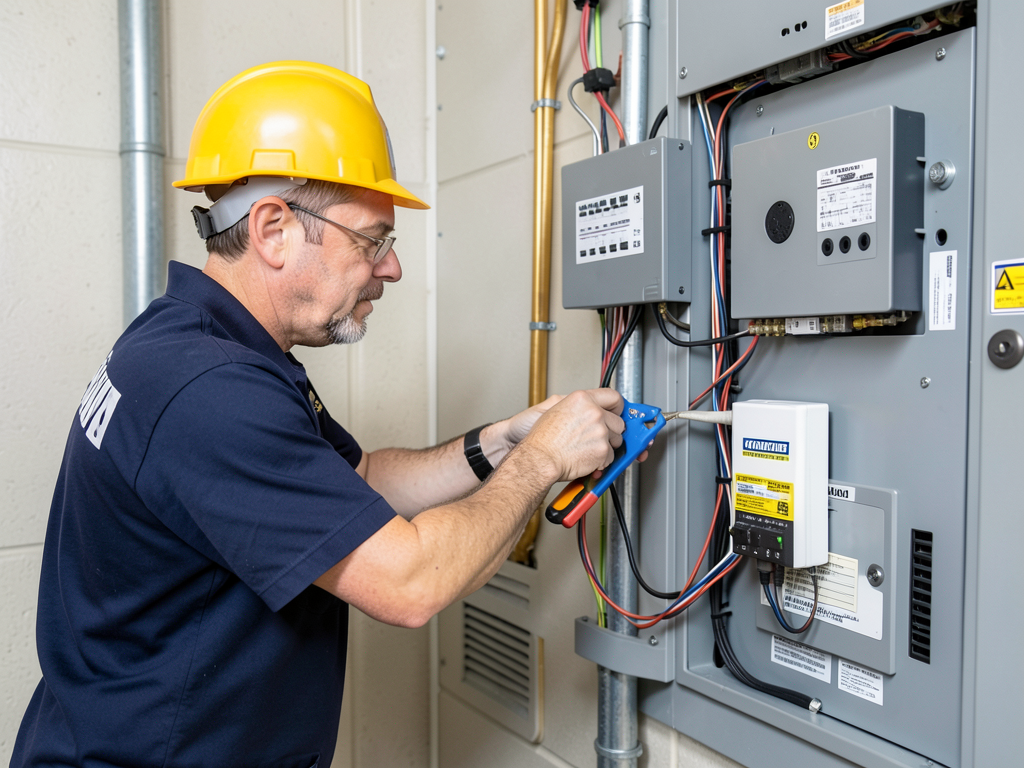
Introduction: The Hidden Threat to Houston Electronics Power surges strike without warning and can destroy…
Don't wait for electrical problems to get worse. Call Titan Electricians Houston now at (281) 552-7811 for same-day service in Spring. Our licensed electricians are ready to diagnose your issue, provide upfront pricing, and fix it right the first time.