
Why your Houston outdoor outlets keep tripping after a heavy rain
Your outdoor outlet just tripped again after last night’s storm. You press the reset button but it trips right back. This is not just annoying—it’s a warning sign. In Houston’s humid subtropical climate, this is one of the most common electrical headaches homeowners face. Here’s what’s really going on and when you need to stop troubleshooting and call in a professional. How to Plan Your Outdoor Landscape Lighting in The Woodlands Without Overspending.
Why Houston weather makes outdoor outlets fail
Houston averages 49 inches of rain per year—nearly double the national average. Combine that with 75% average humidity and frequent Gulf Coast storms, and you get conditions where water finds its way into places it shouldn’t. Outdoor electrical boxes are designed to resist moisture, but Houston’s combination of heat, humidity, and sudden downpours pushes those designs to their limits. National Fire Protection Association.
Water can enter through tiny gaps around conduit, degrade rubber gaskets over time, or cause condensation inside sealed boxes. When moisture reaches the live contacts, the outlet’s GFCI (Ground Fault Circuit Interrupter) senses the imbalance and trips to prevent electric shock. That’s the safety feature working—but if it’s happening repeatedly, something needs fixing.
Common causes of tripped outdoor outlets in Houston
Most tripped outdoor outlets fall into a few predictable categories. Understanding which one you’re dealing with helps you decide whether it’s a quick fix or a sign of bigger trouble.
Faulty GFCI sensitivity. Houston’s older homes often have standard GFCIs that weren’t designed for today’s weather extremes. These can trip at the slightest hint of moisture, even from morning dew or high humidity.
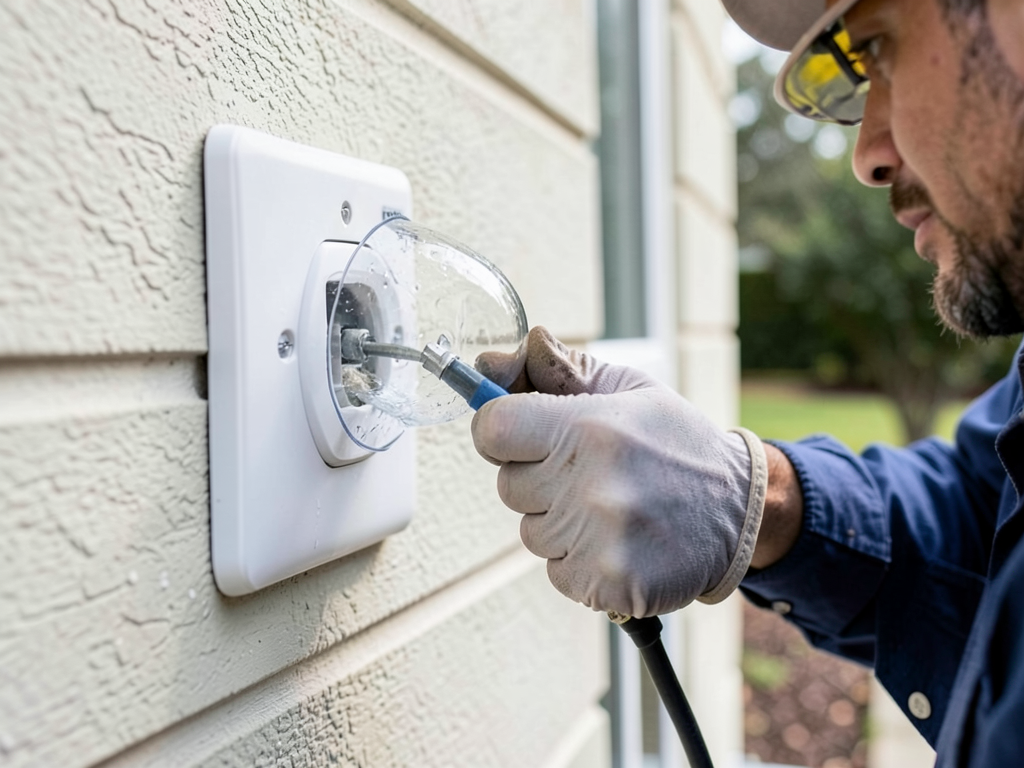
Failed weatherproof covers. The flat covers common on homes built before 2011 don’t protect when a cord is plugged in. Heavy rain can easily reach the outlet face. Modern “in-use” bubble covers seal around cords and prevent this.
Corroded wiring. Salt from the Gulf air and constant moisture exposure corrode wire terminals over time. This creates resistance and heat, which triggers the GFCI.
Underground conduit water. Homes in neighborhoods like Clear Lake or League City often have underground wiring runs. If conduit seals fail, water accumulates and travels back to the outlet box.
Pest intrusion. Houston’s warm climate attracts ants, wasps, and even geckos that nest in outdoor boxes. Their debris can create shorts that trip the breaker when wet.
Safety first: What to do immediately
Before you touch anything, remember that water and electricity are a dangerous mix. If you see sparks, smoke, or smell burning plastic, stop. Unplug any devices, keep everyone away, and call a licensed electrician. Don’t try to dry the outlet with a hair dryer or heat gun—that can cause more damage. The Top Rated Licensed Electricians Serving the River Oaks Area.
If the outlet looks normal but keeps tripping, go to your breaker panel and turn off the circuit. This prevents accidental shock while you inspect the outlet. Never assume an outlet is safe just because it’s not working.
Quick troubleshooting steps you can try
Once the power is off, you can check a few things that might resolve the problem without a service call. These steps work for minor issues but won’t fix underlying damage.
First, open the outlet cover and look for visible moisture or corrosion. If the box is wet, let it dry completely—this can take 24-48 hours in Houston’s humidity. Use a dry cloth to wipe visible water, but don’t use compressed air, which can force water deeper into components. Electrical Houston.
Next, press the GFCI’s “reset” button firmly. If it clicks but trips again immediately, the GFCI itself may be failing. Houston’s heat cycles cause these devices to wear out faster than in cooler climates.
Check the weatherproof gasket around the outlet. If it’s cracked, brittle, or missing, replace it. A $5 gasket can prevent hundreds in water damage repairs.
Finally, inspect any connected cords or devices. A damaged extension cord can cause a ground fault that makes the outlet appear faulty. Try plugging a different device into the outlet after it dries.
When to call a professional
Some problems go beyond what a homeowner should handle. If your outlet trips repeatedly even after drying and resetting, you likely have a deeper issue that needs professional diagnosis. Protect Your Tech With Professional Whole House Surge Protection in Cypress.
Cracked or melted outlet faces indicate overheating from corrosion or loose connections. This creates fire risk and requires immediate replacement.
Outlets that trip during light rain or high humidity—even without direct water contact—often have failing internal components. Houston’s heat accelerates this wear.
If multiple outdoor outlets on the same circuit trip together, you may have a problem in the main wiring or junction box. This requires tracing the circuit and testing connections.
Outlets in flood-prone areas like Meyerland or parts of Clear Lake need special attention. If your home has experienced foundation movement or flooding, the grounding system may be compromised.
Commercial properties or homes with heavy outdoor power needs (workshops, RV hookups, landscape lighting) often require dedicated circuits. A professional can assess whether your current setup meets demand.
Houston-specific solutions that work
Houston’s climate demands upgrades that might not be necessary elsewhere. Here’s what actually works in our conditions.
Upgrade to WR (Weather Resistant) rated outlets. These have improved UV and moisture resistance and meet current NEC requirements for wet locations. They cost about $5 more than standard outlets but last years longer in Houston.
Install “extra-duty” in-use covers. These bubble covers seal around cords and protect against wind-driven rain. They’re required by code for new installations but many older homes still have inadequate flat covers.
Use silicone sealant around conduit entries. Even small gaps let moisture wick inside. A bead of outdoor-rated silicone prevents this and costs under $10.
Consider GFCI breakers instead of outlet GFCIs. These protect the entire circuit from the breaker panel, eliminating individual outlet failures. They’re more reliable in Houston’s heat but require professional installation. Finding a Reliable Electrician for Your Sugar Land Kitchen Remodel.
For homes in areas with clay soil like Cypress or Katy, ensure proper conduit sealing. Expansive soil shifts can crack seals over time, allowing water infiltration.
Cost considerations for Houston homeowners
DIY fixes like replacing gaskets or covers cost $10-$30 and take under an hour. These are worth trying first if you’re comfortable with basic electrical work and the outlet isn’t damaged.
Professional outlet replacement runs $150-$300 including parts and labor. This covers proper sealing, testing, and code compliance. If your home is over 15 years old, replacement often makes sense even if the outlet still works.
Full circuit upgrades for older homes can cost $500-$1,500. This includes replacing old wiring, upgrading to dedicated circuits, and installing weatherproof boxes. It’s worth it if you have frequent tripping across multiple outlets.
Emergency service calls during storms or after-hours typically add $100-$200 to standard rates. Many Houston electricians offer priority service for safety issues.
Prevention tips for Houston’s climate
Prevention costs less than repairs. Here’s how to extend the life of your outdoor outlets.
Inspect outlets quarterly. Houston’s heat and humidity accelerate wear, so quarterly checks catch problems early. Look for discoloration, cracking, or loose covers.
Keep vegetation trimmed back. Overgrown plants trap moisture against boxes and can damage seals. Maintain at least 12 inches of clearance.
Clean outlets annually with a dry brush. Remove dirt and debris that can hold moisture. Never use water or cleaning solutions.
Test GFCI outlets monthly by pressing the “test” button. This ensures the safety feature works when you need it. Replace any outlet that won’t reset properly.
Consider whole-house surge protection. Houston’s frequent lightning strikes can damage outdoor outlets and connected devices. A whole-house protector costs $300-$500 installed but prevents costly replacements.
Understanding Houston’s electrical code requirements
Houston follows the National Electrical Code with local amendments. For outdoor outlets, this means specific requirements that many older homes don’t meet.
Since 2011, all outdoor receptacles must have “extra-duty” weatherproof covers, even when nothing is plugged in. This protects against wind-driven rain and condensation.
GFCI protection is required for all outdoor outlets. This can be at the outlet or at the breaker, but every outdoor receptacle must have it.
Weather-resistant (WR) rated outlets are required in wet locations. Standard outlets can be used in covered areas that stay dry, but Houston’s humidity often makes WR outlets the better choice everywhere.
Conduit seals must prevent moisture migration. This is especially important for underground runs common in Houston’s newer developments.
Local permitting may be required for outlet replacement or circuit upgrades. A licensed electrician knows when permits are needed and can handle the paperwork.
Frequently Asked Questions
Can I just tape over a tripped outdoor outlet?
No. Taping an outlet that keeps tripping creates fire and shock hazards. The underlying problem needs fixing first.
How long should I wait for an outdoor outlet to dry?
In Houston’s humidity, 24-48 hours is typical. Even if the surface looks dry, moisture can remain inside the box.
Will a tripped outlet fix itself?
Sometimes minor moisture issues resolve when the weather dries, but repeated tripping indicates a problem that won’t go away on its own.
Is it safe to use outdoor outlets during rain?
Properly installed GFCI-protected outlets are designed for outdoor use, but avoid using them during heavy rain or standing water conditions.
How often should outdoor outlets be replaced?
In Houston, every 10-15 years is typical. The heat and humidity accelerate wear on all electrical components.
Ready to stop the tripping for good?
Don’t let a tripped outdoor outlet become a safety hazard or interrupt your outdoor plans. If your outlet keeps tripping after rain, you need more than a quick reset—you need a lasting solution that works in Houston’s climate.
Our licensed electricians have served Houston homeowners for over 15 years. We understand the unique challenges of our Gulf Coast weather and know exactly how to fix outdoor outlet problems for good.
We’ll inspect your entire outdoor electrical system, identify the root cause, and provide options that fit your budget. Whether you need a simple outlet replacement or a complete weatherproofing upgrade, we stand behind our work with a satisfaction guarantee.
Don’t wait until a minor annoyance becomes a major problem. Call us today at (281) 552-7811 for fast, reliable service throughout Houston, including Clear Lake, League City, and Cypress. We offer same-day service for safety issues and can often complete most repairs in a single visit.
Your outdoor outlets should work when you need them, not just when the weather cooperates. Let us make that happen.
- Turn off power
Locate your breaker panel and switch off the circuit controlling the outdoor outlet. This prevents shock while inspecting.
- Inspect for moisture
Remove the outlet cover and check for visible water, corrosion, or damage. If wet, allow 24-48 hours to dry completely.
- Check GFCI function
Press the reset button firmly. If it clicks but trips again immediately, the GFCI likely needs replacement.
- Test connected devices
Try a different device or cord to rule out equipment problems. Damaged cords can cause ground faults.
- Replace weatherproofing
Install new gaskets and covers if the old ones are cracked or missing. This prevents future moisture intrusion. For more information, visit Houston/Galveston National Weather Service.
{
“@context”: “https://schema.org”,
“@type”: “BlogPosting”,
“headline”: “Why your Houston outdoor outlets keep tripping after a heavy rain”,
“description”: “Houston’s humidity and storms make outdoor outlets prone to tripping. Learn why this happens and when to call a pro before it becomes a safety hazard.”,
“wordCount”: 1890,
“datePublished”: “2026-05-07T14:39:00.000Z”,
“dateModified”: “2026-05-07T14:39:00.000Z”,
“inLanguage”: “en-US”,
“mainEntityOfPage”: {
“@type”: “WebPage”,
“@id”: “https://titanelectricianshouston.com”
},
“publisher”: {
“@type”: “LocalBusiness”,
“name”: “Titan Electricians Houston”,
“url”: “https://titanelectricianshouston.com”
},
“author”: {
“@type”: “Organization”,
“name”: “Titan Electricians Houston”,
“url”: “https://titanelectricianshouston.com”
},
“image”: {
“@type”: “ImageObject”,
“url”: “https://titanelectricianshouston.com/wp-content/uploads/2026/03/why-your-houston-outdoor-outlets-keep-tripping-aft-1.png”
}
}
{
“@context”: “https://schema.org”,
“@type”: “Electrician”,
“name”: “Titan Electricians Houston”,
“url”: “https://titanelectricianshouston.com”,
“address”: {
“@type”: “PostalAddress”,
“addressLocality”: “Houston”
},
“areaServed”: {
“@type”: “City”,
“name”: “Houston”
}
}
{
“@context”: “https://schema.org”,
“@type”: “FAQPage”,
“mainEntity”: [
{
“@type”: “Question”,
“name”: “Can I just tape over a tripped outdoor outlet?”,
“acceptedAnswer”: {
“@type”: “Answer”,
“text”: “No. Taping an outlet that keeps tripping creates fire and shock hazards. The underlying problem needs fixing first.”
}
},
{
“@type”: “Question”,
“name”: “How long should I wait for an outdoor outlet to dry?”,
“acceptedAnswer”: {
“@type”: “Answer”,
“text”: “In Houston’s humidity, 24-48 hours is typical. Even if the surface looks dry, moisture can remain inside the box.”
}
},
{
“@type”: “Question”,
“name”: “Will a tripped outlet fix itself?”,
“acceptedAnswer”: {
“@type”: “Answer”,
“text”: “Sometimes minor moisture issues resolve when the weather dries, but repeated tripping indicates a problem that won’t go away on its own.”
}
},
{
“@type”: “Question”,
“name”: “Is it safe to use outdoor outlets during rain?”,
“acceptedAnswer”: {
“@type”: “Answer”,
“text”: “Properly installed GFCI-protected outlets are designed for outdoor use, but avoid using them during heavy rain or standing water conditions.”
}
},
{
“@type”: “Question”,
“name”: “How often should outdoor outlets be replaced?”,
“acceptedAnswer”: {
“@type”: “Answer”,
“text”: “In Houston, every 10-15 years is typical. The heat and humidity accelerate wear on all electrical components.”
}
},
{
“@type”: “Question”,
“name”: “Ready to stop the tripping for good?”,
“acceptedAnswer”: {
“@type”: “Answer”,
“text”: “Don’t let a tripped outdoor outlet become a safety hazard or interrupt your outdoor plans. If your outlet keeps tripping after rain, you need more than a quick reset—you need a lasting solution that works in Houston’s climate.”
}
}
]
}
{
“@context”: “https://schema.org”,
“@type”: “HowTo”,
“name”: “How to troubleshoot a tripped outdoor outlet”,
“step”: [
{
“@type”: “HowToStep”,
“position”: 1,
“name”: “Turn off power”,
“text”: “Locate your breaker panel and switch off the circuit controlling the outdoor outlet. This prevents shock while inspecting.”
},
{
“@type”: “HowToStep”,
“position”: 2,
“name”: “Inspect for moisture”,
“text”: “Remove the outlet cover and check for visible water, corrosion, or damage. If wet, allow 24-48 hours to dry completely.”
},
{
“@type”: “HowToStep”,
“position”: 3,
“name”: “Check GFCI function”,
“text”: “Press the reset button firmly. If it clicks but trips again immediately, the GFCI likely needs replacement.”
},
{
“@type”: “HowToStep”,
“position”: 4,
“name”: “Test connected devices”,
“text”: “Try a different device or cord to rule out equipment problems. Damaged cords can cause ground faults.”
},
{
“@type”: “HowToStep”,
“position”: 5,
“name”: “Replace weatherproofing”,
“text”: “Install new gaskets and covers if the old ones are cracked or missing. This prevents future moisture intrusion. For more information, visit Houston/Galveston National Weather Service.”
}
],
“image”: “https://titanelectricianshouston.com/wp-content/uploads/2026/03/why-your-houston-outdoor-outlets-keep-tripping-aft-1.png”
}
{
“@context”: “https://schema.org”,
“@type”: “BreadcrumbList”,
“itemListElement”: [
{
“@type”: “ListItem”,
“position”: 1,
“name”: “Home”,
“item”: “https://titanelectricianshouston.com”
},
{
“@type”: “ListItem”,
“position”: 2,
“name”: “Blog”,
“item”: “https://titanelectricianshouston.com/blog”
},
{
“@type”: “ListItem”,
“position”: 3,
“name”: “Why your Houston outdoor outlets keep tripping after a heavy rain”
}
]
}
{
“@context”: “https://schema.org”,
“@type”: “Service”,
“serviceType”: “Electricians”,
“provider”: {
“@type”: “LocalBusiness”,
“name”: “Titan Electricians Houston”,
“url”: “https://titanelectricianshouston.com”
},
“areaServed”: {
“@type”: “City”,
“name”: “Houston”
},
“description”: “Houston’s humidity and storms make outdoor outlets prone to tripping. Learn why this happens and when to call a pro before it becomes a safety hazard.”
}