
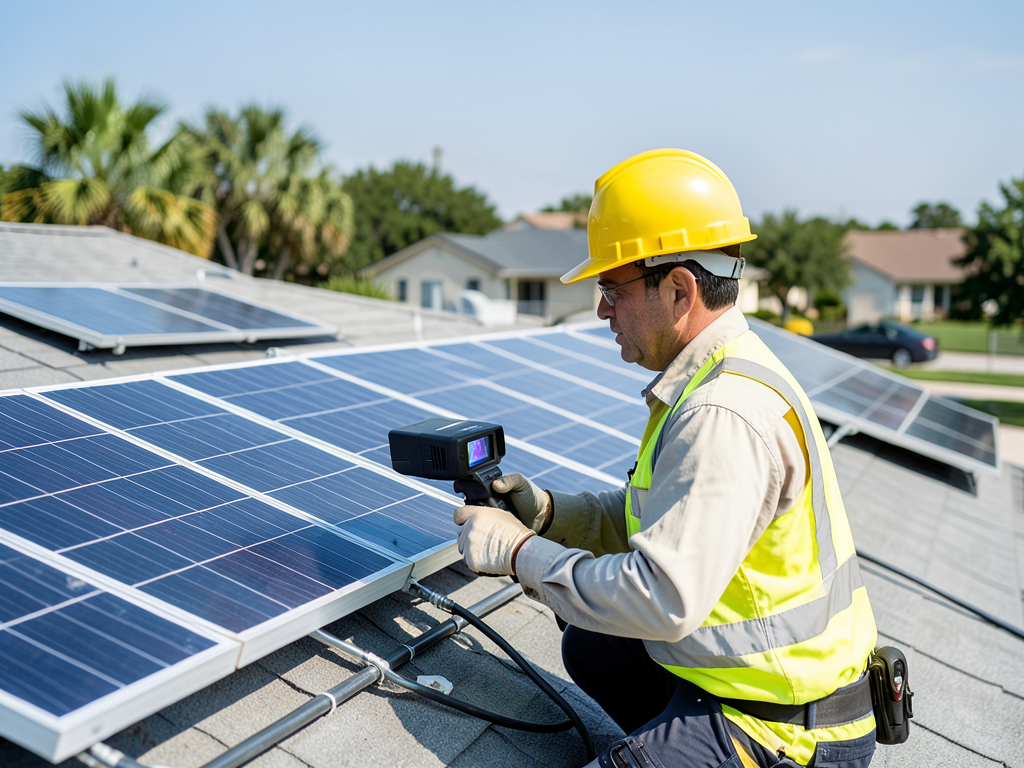
Why your Atascocita solar panels might be losing efficiency due to wiring issues
Your solar panels in Atascocita should be generating clean energy for your home. But if you have noticed a drop in performance you might be dealing with wiring problems that many local homeowners overlook. Houston’s intense heat and humidity can accelerate wear on electrical connections causing energy loss that goes unnoticed until your utility bills climb. Electrical Houston.
Many Atascocita residents assume their solar system is working fine because the lights stay on. But efficiency losses from corroded connections loose terminals or damaged wiring can silently rob you of the energy your system should be producing. This guide explains the common wiring issues that affect solar panels in our area and what you can do about them.
Common wiring problems that affect solar panel efficiency
Solar panel systems rely on a network of electrical connections to deliver power from your roof to your home. When any part of this network fails your system loses efficiency. Here are the most frequent wiring issues we see in Atascocita. Three-Phase Power Services.
Corroded connections from Houston humidity
The Gulf Coast climate creates a perfect storm for electrical corrosion. Atascocita’s average humidity often exceeds seventy percent which means moisture constantly attacks metal connections. Over time this causes resistance that reduces power flow and generates heat that can damage components.
You might notice black or green deposits around connection points or see melted plastic near terminals. These are signs that corrosion has compromised your system’s efficiency. The problem often starts at the combiner box where multiple panel strings connect or at the inverter terminals where high current flows.
Rodent damage to PV wiring
Rodents love the warm sheltered space under solar panels. In Atascocita neighborhoods like Eagle Springs and Walden on Lake Houston we frequently find squirrels and rats chewing through PV wiring. The damage might not be obvious from the ground but can cause entire strings of panels to stop producing power.
Chewed wires create short circuits that trigger safety shutdowns or cause intermittent power loss. The damage often occurs at the junction between the roof and the racking system where animals can easily access the wiring. You might notice partial system failure where some panels work but others do not.
Loose terminal connections
Solar systems experience constant thermal cycling as temperatures swing from hot Houston days to cooler nights. This expansion and contraction can loosen terminal connections over time. A connection that was tight during installation might develop resistance months or years later.
Loose connections create hot spots that can melt insulation or even start fires. You might notice a burning smell near your inverter or see discolored wires. These issues often develop gradually so your system might lose ten to twenty percent efficiency before you realize something is wrong.
Undersized or damaged conductors
Many Atascocita homes were not designed with solar in mind. The original wiring might not handle the current from a full solar array. Undersized conductors create voltage drop that reduces the energy reaching your home.
Physical damage from roof repairs or severe weather can also compromise wiring. Hail storms common in our area can crack insulation allowing moisture to reach conductors. You might notice erratic system behavior during wet weather or after temperature extremes.
How Houston weather impacts solar wiring longevity
Atascocita’s climate creates unique challenges for solar electrical systems. Understanding these factors helps you spot potential problems before they cause major efficiency losses.
Heat and UV degradation
Summer temperatures in Atascocita regularly exceed ninety five degrees. Solar panels and their wiring sit directly in the sun absorbing this heat. High temperatures accelerate the breakdown of wire insulation and connection materials.
UV radiation also degrades plastic components. Wire jackets that appear fine from a distance might be brittle and cracked upon close inspection. This damage allows moisture intrusion that speeds corrosion and creates short circuit risks.
Lightning strike vulnerability
Houston ranks among the most lightning prone areas in the United States. A nearby strike can induce voltage surges that damage solar system components. While surge protection helps the best defense is proper grounding and bonding. Protect Your Tech With Professional Whole House Surge Protection in Cypress.
Many Atascocita homes lack adequate grounding for solar systems. This creates a path for lightning energy to travel through your expensive equipment rather than safely into the earth. You might notice system failures after thunderstorms or see burn marks on components.
Flooding concerns
Parts of Atascocita sit in flood prone areas near Lake Houston. While your solar panels sit high on the roof the inverter and electrical equipment often mount at ground level. Flooding can submerge this equipment causing immediate failure and long term corrosion.
Even minor flooding that does not reach your equipment can cause problems. Water vapor from saturated ground can condense inside electrical enclosures damaging sensitive electronics. You might notice error codes or complete system shutdowns after heavy rains. The Top Rated Licensed Electricians Serving the River Oaks Area.
Diagnosing solar panel wiring issues
Identifying wiring problems requires specific testing procedures that go beyond simple visual inspection. Here is what a thorough diagnostic should include.
Visual inspection protocols
A trained technician starts with a comprehensive visual examination. They look for signs of corrosion overheating and physical damage. This includes checking all accessible wiring connections junction boxes and the inverter.
Key warning signs include discolored or melted insulation corroded terminals and evidence of animal activity. The technician also checks for proper wire securing and clearance from heat sources. Many problems hide in plain sight once you know what to look for.
Electrical testing procedures
Voltmeters and clamp meters reveal problems that visual inspection misses. Technicians measure voltage at various points to identify where power loss occurs. They also check current flow to ensure each panel string produces expected output.
Insulation resistance testing can detect moisture intrusion or insulation breakdown. This test applies a high voltage to measure how well the wiring resists current flow. Low readings indicate compromised insulation that needs replacement.
Thermal imaging benefits
Thermal cameras detect hot spots that indicate high resistance connections. These problems often appear days or weeks before they cause complete failure. A connection that runs ten to fifteen degrees hotter than surrounding components needs immediate attention.
Thermal imaging also reveals uneven panel heating which can indicate internal cell damage or bypass diode failures. This technology lets technicians pinpoint problems without disconnecting the system or climbing on the roof.
Performance monitoring analysis
Your solar monitoring system provides valuable diagnostic data. Sudden drops in production or inconsistent performance between similar days often point to wiring issues rather than weather variations.
Technicians analyze this data looking for patterns. A gradual decline might indicate corrosion while sudden failures often point to physical damage or connection problems. This analysis helps prioritize repairs and estimate potential energy recovery.
Repair versus replacement considerations
Not every wiring issue requires complete system replacement. Understanding when to repair versus replace saves money while ensuring system reliability.
Cost effective repair scenarios
Simple connection tightening or terminal replacement often restores full efficiency at minimal cost. These repairs work when corrosion is limited to accessible connection points and the underlying wiring remains intact.
Rodent damage confined to specific wires might justify repair if the affected section is short and easily accessible. The key is catching these problems early before they cascade into larger failures.
When replacement makes sense
Widespread corrosion or physical damage across multiple system components often justifies replacement. The cost of tracking down and repairing numerous small problems usually exceeds the price of installing new properly sized wiring.
Older systems using outdated wiring types might benefit from complete replacement. Modern solar wiring offers better UV resistance and higher temperature ratings than materials available even five years ago.
Warranty implications
Unauthorized repairs can void manufacturer warranties. Always verify that technicians are qualified to work on your specific equipment. Some manufacturers require certified installers for warranty work.
Electrical work on your solar system might also affect your home insurance coverage. Document all repairs and keep receipts showing work was performed by licensed professionals.
Preventing future wiring problems
Proactive maintenance prevents many common wiring issues. Here is how to protect your solar investment.
Scheduled maintenance benefits
Annual inspections catch problems while they remain minor. A technician can tighten connections clean corrosion and identify wear patterns before they cause system failure. This preventive approach typically costs far less than emergency repairs.
Maintenance also includes checking the mounting hardware and evaluating the overall system condition. Loose racking can stress wiring connections while tree growth might create new debris risks.
Upgrading vulnerable components
Some components deserve early replacement based on their failure risk. Combiner box terminals often fail before other system parts due to their high connection density. Replacing these with marine grade or stainless steel hardware increases longevity.
Conduit systems benefit from upgrades in areas with extreme weather. UV resistant or metal conduit protects wiring from environmental damage better than standard plastic options.
Monitoring system improvements
Basic solar monitors only show total system output. Advanced monitoring can track individual panel performance and alert you to developing problems. These systems help you spot efficiency losses before they impact your utility bills.
Some modern systems include automated alerts for performance anomalies. These notifications let you address problems during normal business hours rather than discovering failures on weekends or holidays.
Choosing the right professional for repairs
Solar wiring repairs require specific expertise. Not every electrician understands the unique requirements of photovoltaic systems.
Qualifications to verify
Look for electricians with specific solar experience and proper licensing. In Texas this means a Master Electrician license and preferably NABCEP certification for solar work. Ask about their experience with your specific inverter brand and system type.
Verify insurance coverage including liability and workers compensation. Solar work involves heights and electrical hazards that create unique risks. Professional contractors carry insurance to protect you from liability.
Questions to ask
Ask about their diagnostic process and what testing they perform. A thorough technician should explain their findings with specific measurements rather than vague statements about system health. Finding a Reliable Electrician for Your Sugar Land Kitchen Remodel.
Request references from other Atascocita homeowners with similar systems. Local experience matters because it includes familiarity with area specific challenges like our climate and building practices.
Red flags to avoid
Beware of contractors who cannot provide license numbers or proof of insurance. Also avoid those who give estimates without seeing your system or who promise unrealistic performance improvements.
Be cautious of technicians who find extensive problems without showing specific evidence. While some issues hide from view a reputable professional should be able to explain their diagnostic findings clearly.
Impact on system efficiency and energy savings
Wiring problems directly affect your solar investment returns. Understanding the efficiency impact helps prioritize repairs.
Typical efficiency losses
Minor corrosion or loose connections might reduce system output by five to ten percent. This level of loss often goes unnoticed but still costs you money over time. More severe problems can cut production by thirty percent or more.
The actual impact depends on when the problem developed. A connection that degrades over years might cost you thousands in lost energy production before you notice the issue.
Recovery expectations
Professional repairs typically restore systems to ninety five percent or better of their original capacity. The remaining five percent accounts for normal degradation and minor losses that are not worth addressing.
Some homeowners see surprisingly large improvements after repairs. A system that lost twenty percent to wiring issues might gain fifteen to eighteen percent from fixing the problems. This immediate improvement often pays for the repair work within one to two years.
Long term benefits
Beyond immediate energy production improvements quality repairs prevent cascading failures. Fixing a loose connection today prevents the heat damage that would have destroyed the inverter next year.
Proper repairs also extend system life. Wiring that operates at correct temperatures lasts years longer than connections constantly stressed by resistance heating.
Local regulations and permitting
Solar electrical work in Atascocita must comply with specific regulations. Understanding these requirements helps ensure your repairs meet code.
Houston area electrical codes
The City of Houston and surrounding areas follow the National Electrical Code with local amendments. Solar systems must comply with Article 690 which covers photovoltaic installations. National Association of Certified Home Inspectors.
Key requirements include proper grounding rapid shutdown capabilities and arc fault protection. These rules exist to prevent fires and ensure first responder safety.
Permit requirements
Most solar electrical repairs require permits from Harris County or the appropriate municipality. The permitting process ensures work meets current safety standards and passes inspection.
Simple repairs like tightening connections might qualify for minor permits while major rewiring requires full permits. Your contractor should handle this process and ensure all work passes inspection.
Utility company considerations
CenterPoint Energy and other local utilities must approve solar system modifications. This approval ensures your system remains safe to operate on their grid and maintains proper net metering functionality.
Some repairs might require utility notification or inspection. Your electrician should coordinate with the utility to minimize service interruptions.
Cost factors for solar wiring repairs
Repair costs vary based on problem complexity and system design. Understanding typical cost ranges helps you budget appropriately.
Diagnostic service fees
Professional diagnostics typically cost two hundred to five hundred dollars. This includes visual inspection electrical testing and a written report of findings. Some companies waive this fee if you proceed with recommended repairs.
Complex diagnostics using thermal imaging or advanced testing might cost more but often identify problems that simpler tests miss. The additional cost usually pays for itself by preventing unnecessary repairs.
Common repair costs
Simple repairs like tightening connections or replacing terminals typically cost one hundred fifty to three hundred dollars. These quick fixes often solve minor efficiency problems.
Replacing damaged wiring sections costs five hundred to fifteen hundred dollars depending on length and accessibility. The most expensive repairs involve replacing main conductors or upgrading the service panel.
Emergency repair premiums
Emergency calls during nights weekends or holidays often include premium charges. These rates typically add fifty to one hundred percent to standard labor rates.
Some problems justify the extra cost. Complete system failures during heat waves or before vacations might warrant immediate repair despite the premium.
Case studies from Atascocita homes
Real examples illustrate how wiring problems affect local solar systems and the solutions that work.
Eagle Springs efficiency recovery
A homeowner in Eagle Springs noticed his summer bills remained high despite having solar panels. Thermal imaging revealed several hot connections at the inverter terminals. The corrosion had increased resistance enough to reduce system output by eighteen percent.
Replacing the corroded terminals and applying antioxidant compound restored full efficiency. The repair cost three hundred seventy five dollars and saved the homeowner approximately four hundred dollars annually in energy costs.
Walden on Lake Houston rodent damage
A family in Walden on Lake Houston experienced intermittent system failures that technicians traced to rodent damage. Squirrels had chewed through several DC cables creating short circuits that triggered safety shutdowns.
The repair involved replacing damaged cables installing protective conduit and adding deterrent devices. Total cost was twelve hundred dollars but prevented further damage and restored reliable operation.
Pinehurst heat related failures
A Pinehurst homeowner noticed his system performed well in spring but lost significant output during summer months. Investigation revealed undersized conductors causing voltage drop when temperatures rose.
Upgrading to properly sized wiring and improving ventilation around the inverter cost eighteen hundred dollars. The system now maintains consistent output year round and the homeowner reports satisfaction with the investment.
Frequently Asked Questions
How can I tell if my solar panels have wiring problems?
Look for warning signs like reduced energy production unexpected utility bill increases burning smells near equipment or visible corrosion on connections. Monitoring system alerts about individual panel performance also indicate potential wiring issues.
Are solar wiring repairs covered by warranty?
Manufacturing defects in wiring might be covered but most warranties exclude damage from environmental factors or improper installation. Labor warranties from your installer might cover repairs for a limited time. Check your specific warranty documents for details.
How long do solar wiring repairs typically take?
Simple repairs often complete in two to four hours. More complex work like replacing main conductors or upgrading the service panel might require a full day or two. Your electrician should provide specific timelines after diagnosing the problem.
Can I repair solar wiring myself?
Solar electrical work requires specific knowledge and licensing in Texas. DIY repairs risk personal injury system damage and code violations. Improper repairs can also void warranties and create fire hazards. Professional repair ensures safety and compliance.
How often should solar wiring be inspected?
Annual inspections help catch problems early. Systems in harsh environments like Atascocita might benefit from inspections every six months. Also schedule inspection after severe weather events or if you notice performance changes. For more information, visit U.S. Department of Energy.
{
“@context”: “https://schema.org”,
“@type”: “BlogPosting”,
“headline”: “Why your Atascocita solar panels might be losing efficiency due to wiring issues”,
“description”: “Discover why your Atascocita solar panels may be underperforming. Learn about common wiring issues, inverter problems, and how Houston’s climate affects system efficiency.”,
“wordCount”: 2831,
“datePublished”: “2026-05-01T07:58:00.000Z”,
“dateModified”: “2026-05-01T07:58:00.000Z”,
“inLanguage”: “en-US”,
“mainEntityOfPage”: {
“@type”: “WebPage”,
“@id”: “https://titanelectricianshouston.com”
},
“publisher”: {
“@type”: “LocalBusiness”,
“name”: “Titan Electricians Houston”,
“url”: “https://titanelectricianshouston.com”
},
“author”: {
“@type”: “Organization”,
“name”: “Titan Electricians Houston”,
“url”: “https://titanelectricianshouston.com”
},
“image”: {
“@type”: “ImageObject”,
“url”: “https://titanelectricianshouston.com/wp-content/uploads/2026/03/why-your-atascocita-solar-panels-might-be-losing-e-1.png”
}
}
{
“@context”: “https://schema.org”,
“@type”: “Electrician”,
“name”: “Titan Electricians Houston”,
“url”: “https://titanelectricianshouston.com”,
“address”: {
“@type”: “PostalAddress”,
“addressLocality”: “Houston”
},
“areaServed”: {
“@type”: “City”,
“name”: “Houston”
}
}
{
“@context”: “https://schema.org”,
“@type”: “FAQPage”,
“mainEntity”: [
{
“@type”: “Question”,
“name”: “How can I tell if my solar panels have wiring problems?”,
“acceptedAnswer”: {
“@type”: “Answer”,
“text”: “Look for warning signs like reduced energy production unexpected utility bill increases burning smells near equipment or visible corrosion on connections. Monitoring system alerts about individual panel performance also indicate potential wiring issues.”
}
},
{
“@type”: “Question”,
“name”: “Are solar wiring repairs covered by warranty?”,
“acceptedAnswer”: {
“@type”: “Answer”,
“text”: “Manufacturing defects in wiring might be covered but most warranties exclude damage from environmental factors or improper installation. Labor warranties from your installer might cover repairs for a limited time. Check your specific warranty documents for details.”
}
},
{
“@type”: “Question”,
“name”: “How long do solar wiring repairs typically take?”,
“acceptedAnswer”: {
“@type”: “Answer”,
“text”: “Simple repairs often complete in two to four hours. More complex work like replacing main conductors or upgrading the service panel might require a full day or two. Your electrician should provide specific timelines after diagnosing the problem.”
}
},
{
“@type”: “Question”,
“name”: “Can I repair solar wiring myself?”,
“acceptedAnswer”: {
“@type”: “Answer”,
“text”: “Solar electrical work requires specific knowledge and licensing in Texas. DIY repairs risk personal injury system damage and code violations. Improper repairs can also void warranties and create fire hazards. Professional repair ensures safety and compliance.”
}
},
{
“@type”: “Question”,
“name”: “How often should solar wiring be inspected?”,
“acceptedAnswer”: {
“@type”: “Answer”,
“text”: “Annual inspections help catch problems early. Systems in harsh environments like Atascocita might benefit from inspections every six months. Also schedule inspection after severe weather events or if you notice performance changes. For more information, visit U.S. Department of Energy.”
}
}
]
}
{
“@context”: “https://schema.org”,
“@type”: “BreadcrumbList”,
“itemListElement”: [
{
“@type”: “ListItem”,
“position”: 1,
“name”: “Home”,
“item”: “https://titanelectricianshouston.com”
},
{
“@type”: “ListItem”,
“position”: 2,
“name”: “Blog”,
“item”: “https://titanelectricianshouston.com/blog”
},
{
“@type”: “ListItem”,
“position”: 3,
“name”: “Why your Atascocita solar panels might be losing efficiency due to wiring issues”
}
]
}
{
“@context”: “https://schema.org”,
“@type”: “Service”,
“serviceType”: “Electricians”,
“provider”: {
“@type”: “LocalBusiness”,
“name”: “Titan Electricians Houston”,
“url”: “https://titanelectricianshouston.com”
},
“areaServed”: {
“@type”: “City”,
“name”: “Houston”
},
“description”: “Discover why your Atascocita solar panels may be underperforming. Learn about common wiring issues, inverter problems, and how Houston’s climate affects system efficiency.”
}