
What Midtown residents need to know about charging an electric car while renting
Living in Midtown Houston without a personal garage doesn’t mean you have to give up the convenience of electric vehicle ownership. As EV adoption accelerates across Houston’s urban core, renters face unique challenges when it comes to charging infrastructure. The good news is that Texas law provides specific protections for renters who want to install charging equipment, and Midtown’s dense urban environment offers several practical solutions. Texas Department of Licensing and Regulation.
The first thing to understand is that Texas Property Code Section 202.151 gives you the right to install an EV charging station in a designated parking space if you meet certain requirements. This law applies to apartments, condominiums, and other multi-family properties throughout Midtown and the greater Houston area. However, this right comes with responsibilities and specific processes you must follow to protect both your interests and your landlord’s property. Protect Your Tech With Professional Whole House Surge Protection in Cypress.
Before you start shopping for charging equipment, you need to assess your building’s electrical capacity. Many older Midtown buildings were constructed before EVs became mainstream, and their electrical systems may not support additional charging loads. A professional electrical assessment will determine whether your building can handle Level 2 charging without significant upgrades to the electrical panel or transformer. Electrical Houston.
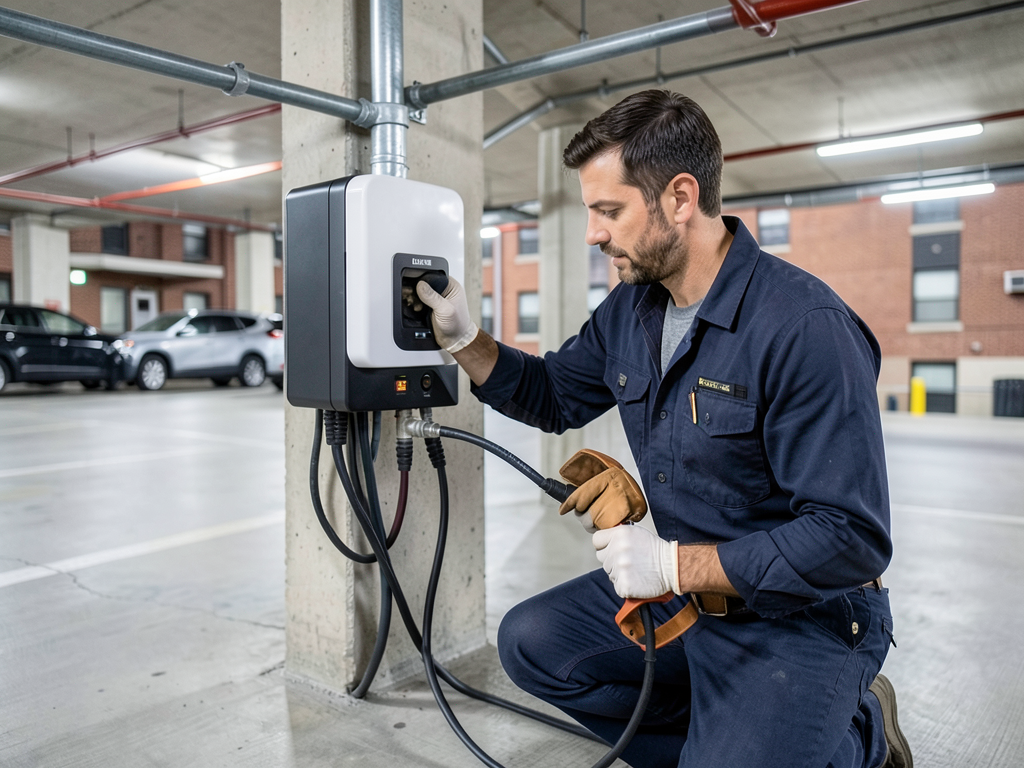
Understanding your charging options as a Midtown renter
Level 1 charging using a standard 120-volt outlet is the simplest option but provides the slowest charging speed. You’ll gain about 4-5 miles of range per hour of charging, which means a full charge could take 24-48 hours for most EVs. This might work if you drive less than 30 miles per day and can leave your vehicle plugged in overnight.
Level 2 charging operates on 240-volt power and delivers 15-30 miles of range per hour. This requires dedicated electrical circuits and professional installation. For most Midtown renters with daily commutes, Level 2 charging represents the sweet spot between charging speed and installation complexity.
DC fast charging is typically not available for residential installations due to the extremely high power requirements and costs. These chargers are designed for commercial locations and can add 60-80 miles of range in just 20 minutes, but they require three-phase power and specialized electrical infrastructure that most residential buildings cannot support. How to Get a Tesla Home Charger Installed in Katy Without the Stress.
Cost considerations for EV charging installation
The total cost of installing EV charging equipment varies significantly based on your specific situation. Basic Level 2 charging stations range from $300 to $1,200 for the equipment alone. Installation costs depend on several factors including the distance from your electrical panel, whether new circuits need to be run, and whether your building requires electrical upgrades.
In Midtown’s older buildings, you might need to upgrade your electrical panel from 100 to 200 amps, which could add $1,500 to $3,000 to the project cost. If your building needs a transformer upgrade to support multiple EV chargers, costs could reach $5,000 to $15,000. These larger upgrades typically require building-wide approval rather than individual tenant responsibility.
Fortunately, several incentive programs can help offset these costs. CenterPoint Energy offers rebates for multifamily properties that install EV charging infrastructure. The federal tax credit for alternative fuel vehicle refueling property covers 30% of installation costs up to $1,000 for residential installations. Some local utilities and municipalities also offer additional incentives for EV charging equipment.
Navigating the landlord approval process
Under Texas law, you must obtain written approval from your landlord before installing any EV charging equipment. This process starts with a formal written request that includes detailed information about the proposed installation, equipment specifications, and who will perform the work. Your landlord has 60 days to respond, and if they fail to respond within this timeframe, you can proceed with the installation.
Your written request should include the make and model of the charging equipment, the estimated installation cost, proof of liability insurance, and a statement that you’ll cover all costs and remove the equipment when you move out. You should also include a professional electrical assessment showing that the installation won’t overload the building’s electrical system.
Landlords can only deny your request for specific reasons outlined in Texas law. These include if the installation would violate building codes, violate the terms of your lease, violate homeowners association rules, or if you refuse to comply with reasonable conditions. Your landlord cannot simply say no because they don’t want EV chargers in their building.
Common landlord concerns and how to address them
Property owners often worry about liability, property damage, and the impact on other tenants. You can address these concerns by providing proof of liability insurance that names the property owner as an additional insured party. This protects both you and your landlord in case of any electrical issues or accidents.
Electrical damage is another common concern. Professional installation by a licensed electrician with experience in multifamily properties ensures that the work meets all local building codes and doesn’t create safety hazards. Always use a Texas-licensed electrical contractor who understands Houston’s specific permitting requirements. The Top Rated Licensed Electricians Serving the River Oaks Area.
Some landlords worry about the visual impact of charging equipment or the potential for disputes among tenants over parking spaces. You can propose solutions like installing the equipment in a way that minimizes visual impact or offering to pay for any necessary parking space modifications.
Midtown-specific considerations for EV charging
Midtown’s urban density creates both opportunities and challenges for EV charging. Many buildings have limited parking availability, which means you’ll need to secure a dedicated parking space before pursuing charging installation. Some newer Midtown developments already include EV charging infrastructure, so check whether your building has existing charging capabilities.
Houston’s climate affects charging equipment selection and placement. The extreme humidity and heat common to Midtown require charging equipment rated for outdoor use with proper weatherproofing. During hurricane season, you’ll want equipment with surge protection to guard against lightning strikes and power surges that are common in Gulf Coast storms. How to Plan Your Outdoor Landscape Lighting in The Woodlands Without Overspending.
Midtown’s older buildings often have electrical systems that weren’t designed for modern power demands. Buildings constructed before 1990 may have 100-amp service panels that are already near capacity with air conditioning, kitchen appliances, and other modern electrical loads. A professional load calculation will determine whether your building can support EV charging without upgrades.
Step-by-step installation process for renters
Start by documenting your current electrical setup and parking situation. Take photos of your assigned parking space, electrical panel location, and any existing outlets. This documentation will help your electrician provide accurate estimates and help your landlord understand the scope of the project.
Next, obtain quotes from multiple licensed electricians who specialize in multifamily EV installations. Look for contractors with experience in Midtown and Houston’s older buildings. They should be familiar with local permitting requirements and CenterPoint Energy’s interconnection process.
Submit your formal written request to your landlord with all required documentation. Include the electrical assessment, equipment specifications, insurance information, and a timeline for the installation. Be prepared to answer questions and provide additional information as needed.
Once you receive approval, schedule the installation with your chosen electrician. The installation typically takes 4-8 hours depending on the complexity. Your electrician will need access to your parking space and electrical panel, so coordinate these logistics with your landlord and building management.
After installation, test the charging equipment thoroughly and document any issues. Keep all receipts, permits, and warranty information for your records. You’ll need this documentation if you move and need to remove or transfer the equipment.
Timeline expectations for EV charging installation
The entire process from initial request to completed installation typically takes 4-12 weeks. The landlord approval process alone can take 2-8 weeks depending on their responsiveness and any required building approvals. Electrical assessment and permit acquisition usually takes 1-2 weeks.
Equipment delivery adds another 1-3 weeks if you’re ordering specialized charging equipment. Installation itself typically takes 1 day, but scheduling may require additional coordination with building management and other tenants.
Be prepared for potential delays due to permitting backlogs, equipment availability, or building management scheduling constraints. Starting the process early and maintaining clear communication with all parties helps minimize delays.
Cost-sharing and billing solutions
Most charging stations offer several billing options. Basic models simply track usage time, while smart chargers can measure actual electricity consumption and generate detailed usage reports. Some advanced systems integrate with mobile apps that allow you to monitor charging sessions and costs in real-time.
For billing, you have several options. You can install a separate electric meter dedicated to your charging equipment, which allows you to pay only for the electricity you use. Some charging stations include built-in metering and can generate monthly usage reports for you and your landlord.
Time-of-use billing is another consideration. Houston’s electricity rates vary throughout the day, with higher rates during peak hours (typically 1-7 PM on weekdays). Smart charging stations can automatically schedule charging during off-peak hours to reduce your electricity costs.
Equipment recommendations for Midtown renters
For most Midtown renters, a 240-volt Level 2 charging station with at least 30 amps of charging capacity provides the best balance of charging speed and installation practicality. Look for equipment with Wi-Fi connectivity, mobile app control, and energy monitoring features.
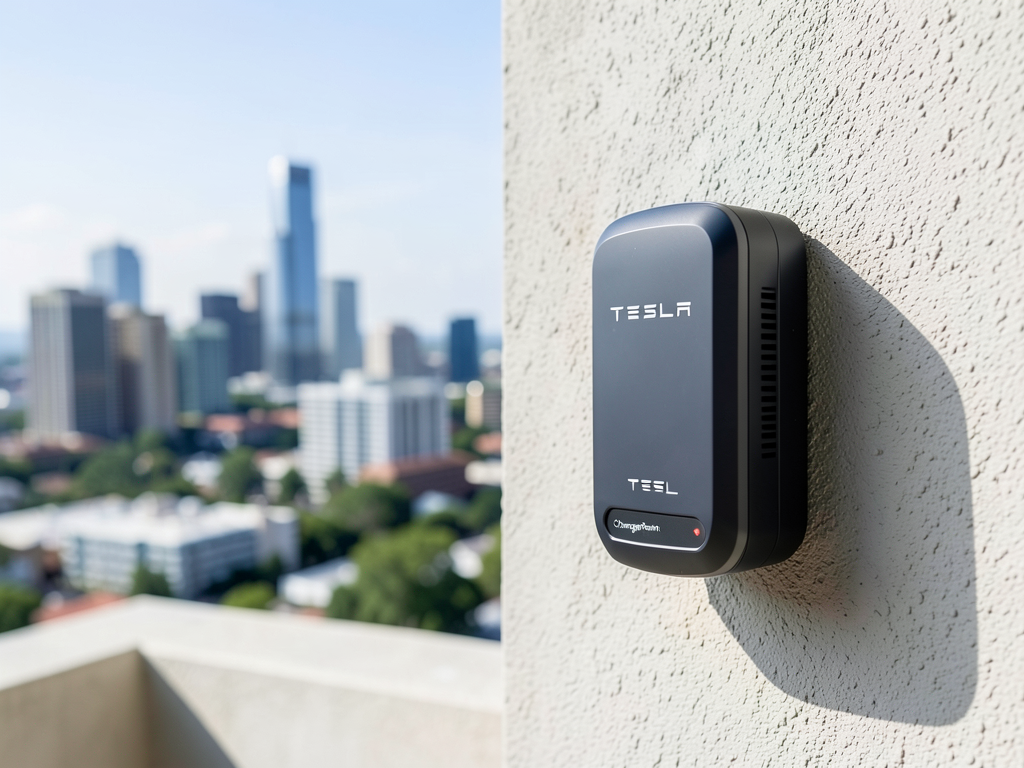
Popular brands that work well in Houston’s climate include ChargePoint Home Flex, JuiceBox Pro, and Tesla Wall Connector (which works with all EVs using an adapter). These brands offer good reliability, mobile app integration, and weather-resistant designs suitable for outdoor installation.
Consider equipment with adjustable power settings that allow you to reduce charging speed if your building’s electrical system has limited capacity. This flexibility can prevent the need for expensive electrical upgrades while still providing adequate charging for daily driving needs.
Maintenance and removal considerations
Regular maintenance ensures your charging equipment operates safely and efficiently. Clean the charging connector and port periodically to prevent dirt and debris from interfering with the connection. Check for any signs of wear, corrosion, or damage to the charging cable and connector.
If you move out, you’re responsible for removing the charging equipment and restoring the property to its original condition. This typically means removing the charging station, patching any wall damage, and restoring any modified electrical circuits. Your landlord may require professional removal to ensure the work meets building codes.
Document the condition of the installation when you move in and out. Take photos of the charging equipment, electrical connections, and any modifications to the property. This documentation protects both you and your landlord in case of disputes about damage or restoration requirements.
Alternative solutions if installation isn’t possible
If your building cannot support EV charging installation or your landlord denies your request, several alternative solutions exist. Some Midtown apartment complexes are adding shared charging stations in common areas or parking garages. Check whether your building has plans for future charging infrastructure.
Public charging networks provide another option. Houston has an extensive network of public charging stations, including several in Midtown near major employers, shopping centers, and entertainment venues. While less convenient than home charging, public stations can meet your charging needs if you plan accordingly.
Workplace charging represents another alternative if your employer offers this benefit. Many Houston companies in the Energy Corridor, Downtown, and other business districts provide EV charging for employees. This can supplement or replace home charging depending on your daily driving patterns.
Future-proofing your EV charging plans
EV technology continues to evolve rapidly, with charging speeds increasing and new connector standards emerging. When selecting charging equipment, consider models that support the latest charging protocols and offer firmware upgrade capabilities to accommodate future standards.
Electrical capacity planning becomes even more important as more residents adopt EVs. If your building is considering future charging infrastructure, you might advocate for a shared electrical upgrade that benefits all residents rather than individual installations that could strain the existing system.
Smart charging technology can help manage electrical loads more efficiently. Some modern charging stations can communicate with each other to distribute power demand across multiple vehicles, preventing electrical system overloads and reducing the need for expensive infrastructure upgrades.
Understanding Houston’s EV charging landscape
Houston’s commitment to electric vehicle adoption is evident in the rapid expansion of charging infrastructure across the city. The Houston-Galveston Area Council has developed a comprehensive EV charging master plan that includes expanding fast-charging corridors along major highways and increasing charging availability in urban centers like Midtown.
CenterPoint Energy’s service territory includes most of Houston and is actively working to support EV adoption through grid modernization and interconnection services. The utility offers specific programs for multifamily properties that want to install charging infrastructure, including technical assistance and potential financial incentives.
Houston’s humid subtropical climate creates specific considerations for EV charging equipment. High humidity levels can cause corrosion in electrical connections, while extreme heat can affect battery performance and charging efficiency. Equipment rated for outdoor use in coastal environments provides the best reliability in Midtown’s conditions.
Frequently Asked Questions
Can my landlord charge me extra for installing an EV charger?
Your landlord cannot charge you extra for the right to install an EV charger under Texas law. However, they can require you to pay for the installation costs, any necessary electrical upgrades, and the removal of equipment when you move out. Some landlords may also require additional liability insurance coverage.
What if my building’s electrical panel is full?
If your building’s electrical panel has no available breaker spaces, you may need a panel upgrade or a subpanel installation. This is common in older Midtown buildings and can add $1,000 to $3,000 to your installation costs. A professional electrician can assess whether a subpanel is a more cost-effective solution than a full panel replacement.
Do I need a permit to install an EV charger in Houston?
Yes, you need an electrical permit from the City of Houston for any EV charging installation. Your licensed electrician will typically handle the permit application process. The permit ensures the installation meets National Electrical Code requirements and local building standards. Permit fees vary based on the scope of work but typically range from $50 to $200. National Association of Certified Home Inspectors EV charging guide.
Can I take my charging equipment with me when I move?
Yes, you can remove your charging equipment when you move, but you must restore the property to its original condition. This includes removing all equipment, patching any wall damage, and restoring electrical circuits to their original configuration. Some charging stations are designed for easy removal and reinstallation in new locations.
What happens if the charging equipment breaks?
As the owner of the charging equipment, you’re responsible for repairs and maintenance. Most charging stations come with manufacturer warranties that cover defects for 1-3 years. Consider purchasing extended warranty coverage or service plans for longer-term protection. Always use a licensed electrician for any repairs to maintain warranty coverage.
Are there any HOA restrictions on EV charging in Midtown?
Under Texas law, homeowners associations cannot prohibit EV charging installations that meet code requirements. However, they can establish reasonable rules about equipment placement, aesthetics, and installation procedures. Check your HOA’s specific rules before proceeding with installation, as some may have additional requirements beyond state law.
How much will charging my EV increase my electricity bill?
The cost depends on your EV’s battery size, your local electricity rates, and your driving habits. On average, charging an EV adds $30 to $60 per month to your electricity bill if you drive 1,000 miles per month. Smart charging during off-peak hours can reduce this cost by 20-40%.
Making your EV charging dreams a reality in Midtown
Installing EV charging as a renter in Midtown requires careful planning, clear communication with your landlord, and professional electrical work. While the process may seem complex, Texas law provides strong protections for renters who want to install charging equipment, and the growing demand for EV infrastructure is making landlords more receptive to these requests.
The key to success is approaching the process methodically: start with a professional electrical assessment, research your options thoroughly, and submit a comprehensive written request to your landlord. Be prepared to address concerns about liability, property damage, and electrical capacity with well-researched solutions and professional documentation.
Remember that you have specific rights under Texas law, but you also have responsibilities to ensure the installation is safe, code-compliant, and properly maintained. Working with experienced professionals who understand Midtown’s unique building characteristics and Houston’s permitting requirements will help ensure a smooth installation process.
If you’re ready to explore EV charging options for your Midtown rental, contact a licensed electrician who specializes in multifamily EV installations. They can provide the professional assessment, installation services, and permit assistance you need to make your EV ownership experience convenient and worry-free.
Ready to get started with your EV charging installation? Call Titan Electricians Houston today at (281) 552-7811 for a professional assessment of your charging needs and a free estimate for installation in your Midtown rental property.
{
“@context”: “https://schema.org”,
“@type”: “BlogPosting”,
“headline”: “What Midtown residents need to know about charging an electric car while renting”,
“description”: “Learn how Midtown renters can install EV charging stations legally and affordably. Understand landlord rights, electrical upgrades, and Houston’s Right to Charge laws.”,
“wordCount”: 2856,
“datePublished”: “2026-05-19T09:07:00.000Z”,
“dateModified”: “2026-05-19T09:07:00.000Z”,
“inLanguage”: “en-US”,
“mainEntityOfPage”: {
“@type”: “WebPage”,
“@id”: “https://titanelectricianshouston.com”
},
“publisher”: {
“@type”: “LocalBusiness”,
“name”: “Titan Electricians Houston”,
“url”: “https://titanelectricianshouston.com”
},
“author”: {
“@type”: “Organization”,
“name”: “Titan Electricians Houston”,
“url”: “https://titanelectricianshouston.com”
},
“image”: {
“@type”: “ImageObject”,
“url”: “https://titanelectricianshouston.com/wp-content/uploads/2026/03/what-midtown-residents-need-to-know-about-charging-1.png”
}
}
{
“@context”: “https://schema.org”,
“@type”: “Electrician”,
“name”: “Titan Electricians Houston”,
“url”: “https://titanelectricianshouston.com”,
“address”: {
“@type”: “PostalAddress”,
“addressLocality”: “Houston”
},
“areaServed”: {
“@type”: “City”,
“name”: “Houston”
}
}
{
“@context”: “https://schema.org”,
“@type”: “FAQPage”,
“mainEntity”: [
{
“@type”: “Question”,
“name”: “Can my landlord charge me extra for installing an EV charger?”,
“acceptedAnswer”: {
“@type”: “Answer”,
“text”: “Your landlord cannot charge you extra for the right to install an EV charger under Texas law. However, they can require you to pay for the installation costs, any necessary electrical upgrades, and the removal of equipment when you move out. Some landlords may also require additional liability insurance coverage.”
}
},
{
“@type”: “Question”,
“name”: “What if my building’s electrical panel is full?”,
“acceptedAnswer”: {
“@type”: “Answer”,
“text”: “If your building’s electrical panel has no available breaker spaces, you may need a panel upgrade or a subpanel installation. This is common in older Midtown buildings and can add $1,000 to $3,000 to your installation costs. A professional electrician can assess whether a subpanel is a more cost-effective solution than a full panel replacement.”
}
},
{
“@type”: “Question”,
“name”: “Do I need a permit to install an EV charger in Houston?”,
“acceptedAnswer”: {
“@type”: “Answer”,
“text”: “Yes, you need an electrical permit from the City of Houston for any EV charging installation. Your licensed electrician will typically handle the permit application process. The permit ensures the installation meets National Electrical Code requirements and local building standards. Permit fees vary based on the scope of work but typically range from $50 to $200. National Association of Certified Home Inspectors EV charging guide.”
}
},
{
“@type”: “Question”,
“name”: “Can I take my charging equipment with me when I move?”,
“acceptedAnswer”: {
“@type”: “Answer”,
“text”: “Yes, you can remove your charging equipment when you move, but you must restore the property to its original condition. This includes removing all equipment, patching any wall damage, and restoring electrical circuits to their original configuration. Some charging stations are designed for easy removal and reinstallation in new locations.”
}
},
{
“@type”: “Question”,
“name”: “What happens if the charging equipment breaks?”,
“acceptedAnswer”: {
“@type”: “Answer”,
“text”: “As the owner of the charging equipment, you’re responsible for repairs and maintenance. Most charging stations come with manufacturer warranties that cover defects for 1-3 years. Consider purchasing extended warranty coverage or service plans for longer-term protection. Always use a licensed electrician for any repairs to maintain warranty coverage.”
}
},
{
“@type”: “Question”,
“name”: “Are there any HOA restrictions on EV charging in Midtown?”,
“acceptedAnswer”: {
“@type”: “Answer”,
“text”: “Under Texas law, homeowners associations cannot prohibit EV charging installations that meet code requirements. However, they can establish reasonable rules about equipment placement, aesthetics, and installation procedures. Check your HOA’s specific rules before proceeding with installation, as some may have additional requirements beyond state law.”
}
},
{
“@type”: “Question”,
“name”: “How much will charging my EV increase my electricity bill?”,
“acceptedAnswer”: {
“@type”: “Answer”,
“text”: “The cost depends on your EV’s battery size, your local electricity rates, and your driving habits. On average, charging an EV adds $30 to $60 per month to your electricity bill if you drive 1,000 miles per month. Smart charging during off-peak hours can reduce this cost by 20-40%.”
}
}
]
}
{
“@context”: “https://schema.org”,
“@type”: “BreadcrumbList”,
“itemListElement”: [
{
“@type”: “ListItem”,
“position”: 1,
“name”: “Home”,
“item”: “https://titanelectricianshouston.com”
},
{
“@type”: “ListItem”,
“position”: 2,
“name”: “Blog”,
“item”: “https://titanelectricianshouston.com/blog”
},
{
“@type”: “ListItem”,
“position”: 3,
“name”: “What Midtown residents need to know about charging an electric car while renting”
}
]
}
{
“@context”: “https://schema.org”,
“@type”: “Service”,
“serviceType”: “Electricians”,
“provider”: {
“@type”: “LocalBusiness”,
“name”: “Titan Electricians Houston”,
“url”: “https://titanelectricianshouston.com”
},
“areaServed”: {
“@type”: “City”,
“name”: “Houston”
},
“description”: “Learn how Midtown renters can install EV charging stations legally and affordably. Understand landlord rights, electrical upgrades, and Houston’s Right to Charge laws.”
}