
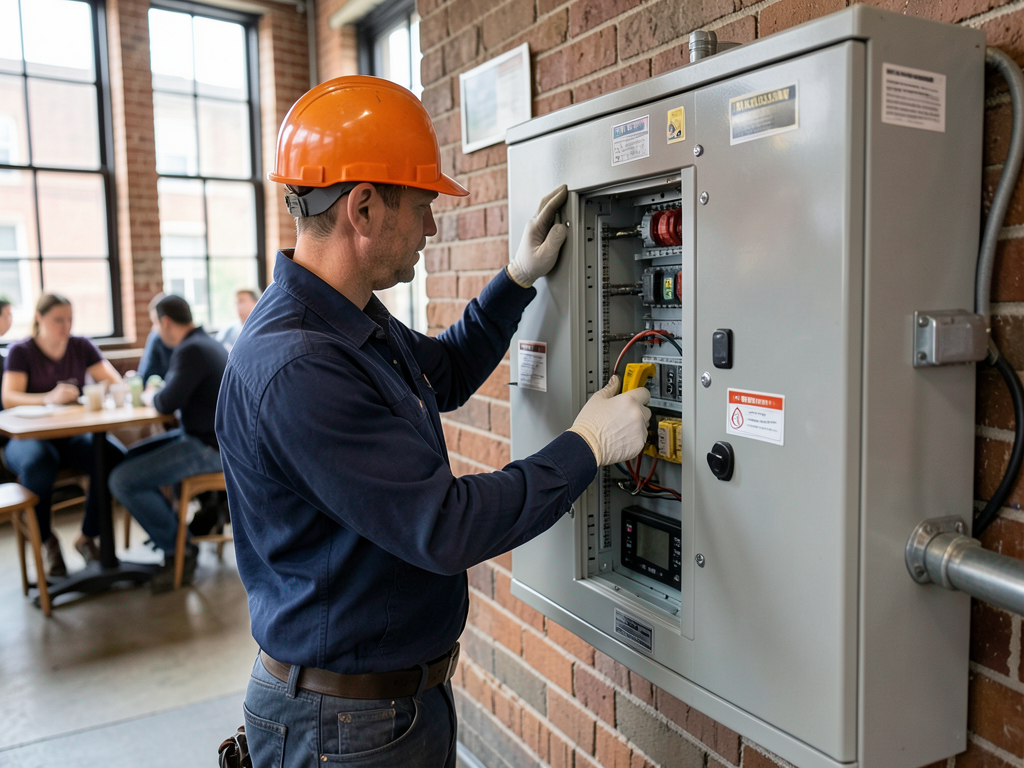
Upgrading the power in your EaDo restaurant for high-capacity ovens and refrigerators
Running a restaurant in Houston’s EaDo district means dealing with older buildings that weren’t built for today’s commercial kitchen demands. When you install new high-capacity ovens walk-in refrigerators or industrial dishwashers your existing electrical system often can’t keep up. You notice flickering lights when the ovens kick on circuit breakers trip during dinner rush or your new equipment just won’t run at full power. Houston Permitting Center.
Commercial kitchens need dedicated circuits and often require service upgrades from 200-amp to 400-amp or even 600-amp service. The problem isn’t just about adding more outlets. It’s about ensuring your building has enough total electrical capacity to handle multiple high-draw appliances running simultaneously without overloading the system. Electrical Houston.
Why EaDo restaurants need electrical capacity upgrades
EaDo’s historic warehouse buildings and converted spaces make perfect restaurant venues but come with electrical limitations. Many were built in the 1970s or earlier with 100-amp or 200-amp single-phase service designed for offices or light industrial use. Modern commercial kitchens require three-phase power for most heavy equipment and significantly more amperage than these older systems provide. Three-Phase Power Services.
High-capacity ovens can draw 8000 to 12000 watts each. Walk-in coolers need dedicated 20-30 amp circuits. Industrial dishwashers require 50-60 amp circuits. When you add these up a typical EaDo restaurant might need 150-200 amps just for kitchen equipment not counting HVAC lighting and point-of-sale systems.
Older electrical panels in EaDo buildings often have obsolete breakers or undersized bus bars that can’t handle the heat load from modern equipment. The humid Houston climate makes this worse as heat buildup in electrical panels accelerates wear and creates fire hazards.
Understanding your electrical load requirements
Commercial kitchen equipment has specific power requirements that differ from residential appliances. Here’s what you need to know about common high-draw items:
| Equipment Type | Typical Power Draw | Required Circuit |
|---|---|---|
| Combi Oven | 12-15 kW | 60-80 amp dedicated |
| Walk-in Cooler | 2-4 kW | 20-30 amp dedicated |
| Industrial Dishwasher | 10-12 kW | 50-60 amp dedicated |
| Convection Oven | 6-8 kW | 30-40 amp dedicated |
| POS System Computers | 1-2 kW | 15-20 amp dedicated |
Three-phase power is essential for most commercial kitchen equipment because it provides more consistent power delivery and can handle higher loads without voltage drop. Single-phase power works for smaller equipment but struggles with multiple high-draw items running at once.
The capacity upgrade process for Houston restaurants
Upgrading your restaurant’s electrical capacity involves several coordinated steps. First we perform a comprehensive load calculation to determine your total power needs. This includes all existing equipment plus any planned additions over the next 3-5 years.
Second we assess your building’s current service entrance and panel capacity. Many EaDo buildings have service entrances that need complete replacement to handle higher amperage. This often involves coordination with CenterPoint Energy to upgrade the transformer serving your building. CenterPoint Energy.
Third we obtain the necessary permits through the Houston Permitting Center. Commercial kitchen electrical upgrades require specific permits and must meet both the National Electrical Code and Houston’s local amendments. The permitting process typically takes 2-3 weeks for commercial projects. National Electrical Code.
Fourth we schedule the actual upgrade work. This usually requires shutting down power to your building for 4-8 hours. We can often perform this work during off-hours or overnight to minimize business disruption.
Finally we coordinate inspections with the City of Houston and CenterPoint Energy. Your new system must pass both the rough-in inspection and the final inspection before you can legally operate your new equipment.
CenterPoint Energy coordination for service upgrades
Upgrading from 200-amp to 400-amp or 600-amp service requires CenterPoint Energy involvement. They must verify that the transformer serving your building can handle the increased load. If not they’ll need to upgrade the transformer which can add 2-4 weeks to your project timeline.
CenterPoint also needs to install new service entrance conductors from the transformer to your building. These conductors must be sized according to National Electrical Safety Code requirements and Houston’s specific regulations for commercial buildings.
The coordination process includes submitting load calculations obtaining CenterPoint’s approval and scheduling their crew for the service upgrade. This typically costs $2000-$5000 above the electrical contractor’s fees.
Houston code requirements for commercial kitchens
The City of Houston has adopted the 2023 National Electrical Code with local amendments specific to commercial buildings. For restaurants key requirements include:
- GFCI protection for all countertop and food preparation areas
- Emergency lighting and exit signs on dedicated circuits
- Ground fault protection for equipment over 1000 watts
- Arc fault protection in certain areas as required by the 2023 NEC
- Proper labeling of all circuits and equipment
- Accessible disconnect means for all major equipment
Houston also requires specific clearances around electrical panels and equipment. Panels must be mounted at least 6 feet high and have 30 inches of clear space in front for maintenance access.
The Houston Fire Department has additional requirements for commercial kitchens including emergency shutoff switches for all cooking equipment and proper grounding of all electrical systems.
Minimizing downtime during your upgrade
We understand that restaurant downtime means lost revenue. Our process includes strategies to keep your business running as much as possible during the upgrade.
We can often perform panel work in phases keeping some circuits live while upgrading others. For complete service upgrades we coordinate with CenterPoint to minimize power interruption to just a few hours during off-peak times.
Many restaurant owners schedule upgrades during their slowest season or during planned renovations. We can work around your schedule and coordinate with other contractors to streamline the process.
We also provide temporary power solutions if needed such as portable generators for critical equipment during the transition period.
Cost factors for restaurant electrical upgrades
The cost of upgrading your restaurant’s electrical capacity depends on several factors:
| Factor | Cost Impact |
|---|---|
| Service Entrance Upgrade | $3000 – $8000 |
| Panel Replacement | $2500 – $6000 |
| Circuit Installation | $200 – $500 per circuit |
| CenterPoint Coordination | $2000 – $5000 |
| Permits and Inspections | $500 – $1500 |
| Total Project Cost | $8000 – $20000+ |
Factors that increase costs include difficult access to existing wiring the need for extensive rewiring through finished walls and emergency scheduling that requires overtime rates.
Factors that decrease costs include performing work during normal business hours having accessible wiring paths and scheduling during slower business periods when contractors have more availability.
ROI considerations for electrical upgrades
While electrical upgrades require significant upfront investment they provide several returns:
Increased equipment capacity allows you to add new menu items or expand production. Modern three-phase equipment runs more efficiently than single-phase alternatives reducing your monthly utility bills. Proper electrical systems prevent equipment damage from power fluctuations extending the life of your expensive kitchen appliances.
Reliable power means fewer service interruptions during peak business hours. This translates directly to customer satisfaction and repeat business. Additionally having proper electrical capacity makes your restaurant more attractive to potential buyers if you ever decide to sell. Finding a Reliable Electrician for Your Sugar Land Kitchen Remodel.
Insurance companies often offer premium discounts for restaurants with properly installed and documented electrical systems. Some providers require proof of professional installation for coverage of electrical equipment. Protect Your Tech With Professional Whole House Surge Protection in Cypress.
Choosing the right electrical contractor
Commercial kitchen electrical work requires specific expertise. Look for contractors with experience in Houston’s restaurant industry and proper licensing through the Texas Department of Licensing and Regulation.
Your contractor should have experience with three-phase power systems and commercial kitchen equipment. They need to understand the specific requirements of food service establishments and be familiar with Houston’s permitting process for commercial buildings.
Ask about their experience with CenterPoint Energy coordination and their relationships with local inspectors. A contractor who has worked in EaDo before will understand the unique challenges of these older buildings.
Request references from other restaurant owners and ask to see examples of similar projects they’ve completed. Verify their insurance coverage and ensure they carry both general liability and workers’ compensation insurance.
Planning for future expansion
When upgrading your electrical system consider your restaurant’s growth plans for the next 5-10 years. Installing a panel with extra capacity now can save significant costs later.
Many restaurant owners install 400-amp service even if they currently only need 200 amps knowing they’ll add equipment as their business grows. This forward-thinking approach prevents the need for another major upgrade in a few years.
Plan conduit and wiring pathways for potential future additions. Running extra conduit during the initial upgrade costs much less than adding it later when walls are closed up.
Consider smart electrical systems that allow you to monitor power usage and identify potential issues before they cause problems. These systems can help you optimize energy usage and reduce operating costs.
Common mistakes to avoid
Many restaurant owners make costly mistakes when upgrading their electrical systems. The most common is underestimating their future power needs. Always plan for at least 20% more capacity than you currently need.
Another mistake is choosing the lowest bid without considering experience and qualifications. Commercial kitchen electrical work requires specific expertise that general electricians may not have.
Skipping proper permitting and inspection can lead to code violations insurance issues and problems when selling your business. Always ensure your contractor obtains all required permits and schedules inspections.
Finally many owners focus only on the initial cost without considering long-term reliability and efficiency. Quality materials and proper installation save money over time through reduced maintenance and energy costs.
Getting started with your upgrade
The first step is scheduling a professional load calculation and site assessment. We’ll evaluate your current electrical system inventory your equipment and discuss your future plans.
Based on this assessment we’ll provide a detailed proposal outlining the scope of work timeline and cost. We’ll also handle all permitting and coordination with CenterPoint Energy and the City of Houston.
Most restaurant electrical upgrades take 2-4 weeks from initial assessment to final inspection depending on the complexity and permitting requirements.
Don’t let electrical limitations hold back your restaurant’s potential. Modern commercial kitchens need modern electrical systems to operate safely and efficiently.
Frequently Asked Questions
How long does a restaurant electrical capacity upgrade take?
Most upgrades take 2-4 weeks from start to finish including permitting equipment ordering and installation. The actual electrical work typically takes 2-3 days but coordination with CenterPoint Energy and inspections adds time to the overall project.
Can I keep my restaurant open during the upgrade?
We can often keep partial power to your building during upgrades but you’ll likely need to close for 4-8 hours during the main service switchover. We coordinate this during your slowest hours or overnight to minimize impact on your business.
How much does it cost to upgrade from 200-amp to 400-amp service?
Upgrading from 200-amp to 400-amp service typically costs $8000-$15000 including the panel upgrade service entrance work CenterPoint coordination and permits. The exact cost depends on your building’s specific requirements and the complexity of the installation.
Do I need three-phase power for my restaurant?
Most commercial kitchens benefit from three-phase power because it provides more consistent power delivery and can handle higher loads without voltage drop. If you’re installing high-capacity equipment like combi ovens walk-in coolers or industrial dishwashers three-phase power is usually necessary.
What permits do I need for a restaurant electrical upgrade in Houston?
You’ll need an electrical permit from the Houston Permitting Center and if you’re upgrading your service entrance you’ll also need coordination with CenterPoint Energy. The specific permits depend on the scope of work but commercial kitchen upgrades always require permits and inspections.
How do I know if my electrical panel needs replacement?
Signs your panel needs replacement include frequent breaker trips flickering lights when equipment starts burning smells near the panel or if your panel is more than 20 years old. If you’re adding new high-draw equipment your existing panel may not have enough capacity even if it’s functioning properly.. Read more about Troubleshooting flickering LED dimmers in your Chinatown retail space.
Can I upgrade my electrical system myself?
Commercial kitchen electrical work requires a licensed electrician in Texas. DIY electrical work is illegal for commercial properties and can void your insurance create safety hazards and result in code violations. Always hire a licensed professional with commercial experience. The Top Rated Licensed Electricians Serving the River Oaks Area.
What’s the difference between single-phase and three-phase power?
Single-phase power uses one alternating current and is common in residential buildings. Three-phase power uses three alternating currents providing more consistent power delivery and the ability to handle higher loads. Most commercial kitchen equipment requires three-phase power for optimal performance.
How do I schedule an assessment for my restaurant’s electrical needs?
Call us at (281) 552-7811 to schedule a free on-site assessment. We’ll evaluate your current system discuss your equipment plans and provide a detailed proposal for any necessary upgrades. Our assessments typically take 1-2 hours and include a comprehensive load calculation.
Will my insurance cover electrical upgrades?
Most insurance policies don’t cover electrical upgrades as maintenance but having a properly installed and documented electrical system can lower your premiums and ensure coverage for electrical equipment. Some insurers require proof of professional installation for coverage of commercial kitchen equipment.
{
“@context”: “https://schema.org”,
“@type”: “BlogPosting”,
“headline”: “Upgrading the power in your EaDo restaurant for high-capacity ovens and refrigerators”,
“description”: “Need more power for your EaDo restaurant’s new ovens and refrigerators? Learn about electrical capacity upgrades for Houston’s historic warehouse district.”,
“wordCount”: 2187,
“datePublished”: “2026-04-18T15:34:00.000Z”,
“dateModified”: “2026-04-18T15:34:00.000Z”,
“inLanguage”: “en-US”,
“mainEntityOfPage”: {
“@type”: “WebPage”,
“@id”: “https://titanelectricianshouston.com”
},
“publisher”: {
“@type”: “LocalBusiness”,
“name”: “Titan Electricians Houston”,
“url”: “https://titanelectricianshouston.com”
},
“author”: {
“@type”: “Organization”,
“name”: “Titan Electricians Houston”,
“url”: “https://titanelectricianshouston.com”
},
“image”: {
“@type”: “ImageObject”,
“url”: “https://titanelectricianshouston.com/wp-content/uploads/2026/03/upgrading-the-power-in-your-eado-restaurant-for-hi-1.png”
}
}
{
“@context”: “https://schema.org”,
“@type”: “Electrician”,
“name”: “Titan Electricians Houston”,
“url”: “https://titanelectricianshouston.com”,
“address”: {
“@type”: “PostalAddress”,
“addressLocality”: “Houston”
},
“areaServed”: {
“@type”: “City”,
“name”: “Houston”
}
}
{
“@context”: “https://schema.org”,
“@type”: “FAQPage”,
“mainEntity”: [
{
“@type”: “Question”,
“name”: “How long does a restaurant electrical capacity upgrade take?”,
“acceptedAnswer”: {
“@type”: “Answer”,
“text”: “Most upgrades take 2-4 weeks from start to finish including permitting equipment ordering and installation. The actual electrical work typically takes 2-3 days but coordination with CenterPoint Energy and inspections adds time to the overall project.”
}
},
{
“@type”: “Question”,
“name”: “Can I keep my restaurant open during the upgrade?”,
“acceptedAnswer”: {
“@type”: “Answer”,
“text”: “We can often keep partial power to your building during upgrades but you’ll likely need to close for 4-8 hours during the main service switchover. We coordinate this during your slowest hours or overnight to minimize impact on your business.”
}
},
{
“@type”: “Question”,
“name”: “How much does it cost to upgrade from 200-amp to 400-amp service?”,
“acceptedAnswer”: {
“@type”: “Answer”,
“text”: “Upgrading from 200-amp to 400-amp service typically costs $8000-$15000 including the panel upgrade service entrance work CenterPoint coordination and permits. The exact cost depends on your building’s specific requirements and the complexity of the installation.”
}
},
{
“@type”: “Question”,
“name”: “Do I need three-phase power for my restaurant?”,
“acceptedAnswer”: {
“@type”: “Answer”,
“text”: “Most commercial kitchens benefit from three-phase power because it provides more consistent power delivery and can handle higher loads without voltage drop. If you’re installing high-capacity equipment like combi ovens walk-in coolers or industrial dishwashers three-phase power is usually necessary.”
}
},
{
“@type”: “Question”,
“name”: “What permits do I need for a restaurant electrical upgrade in Houston?”,
“acceptedAnswer”: {
“@type”: “Answer”,
“text”: “You’ll need an electrical permit from the Houston Permitting Center and if you’re upgrading your service entrance you’ll also need coordination with CenterPoint Energy. The specific permits depend on the scope of work but commercial kitchen upgrades always require permits and inspections.”
}
},
{
“@type”: “Question”,
“name”: “How do I know if my electrical panel needs replacement?”,
“acceptedAnswer”: {
“@type”: “Answer”,
“text”: “Signs your panel needs replacement include frequent breaker trips flickering lights when equipment starts burning smells near the panel or if your panel is more than 20 years old. If you’re adding new high-draw equipment your existing panel may not have enough capacity even if it’s functioning properly.”
}
},
{
“@type”: “Question”,
“name”: “Can I upgrade my electrical system myself?”,
“acceptedAnswer”: {
“@type”: “Answer”,
“text”: “Commercial kitchen electrical work requires a licensed electrician in Texas. DIY electrical work is illegal for commercial properties and can void your insurance create safety hazards and result in code violations. Always hire a licensed professional with commercial experience. The Top Rated Licensed Electricians Serving the River Oaks Area.”
}
},
{
“@type”: “Question”,
“name”: “What’s the difference between single-phase and three-phase power?”,
“acceptedAnswer”: {
“@type”: “Answer”,
“text”: “Single-phase power uses one alternating current and is common in residential buildings. Three-phase power uses three alternating currents providing more consistent power delivery and the ability to handle higher loads. Most commercial kitchen equipment requires three-phase power for optimal performance.”
}
},
{
“@type”: “Question”,
“name”: “How do I schedule an assessment for my restaurant’s electrical needs?”,
“acceptedAnswer”: {
“@type”: “Answer”,
“text”: “Call us at (281) 552-7811 to schedule a free on-site assessment. We’ll evaluate your current system discuss your equipment plans and provide a detailed proposal for any necessary upgrades. Our assessments typically take 1-2 hours and include a comprehensive load calculation.”
}
},
{
“@type”: “Question”,
“name”: “Will my insurance cover electrical upgrades?”,
“acceptedAnswer”: {
“@type”: “Answer”,
“text”: “Most insurance policies don’t cover electrical upgrades as maintenance but having a properly installed and documented electrical system can lower your premiums and ensure coverage for electrical equipment. Some insurers require proof of professional installation for coverage of commercial kitchen equipment.”
}
}
]
}
{
“@context”: “https://schema.org”,
“@type”: “BreadcrumbList”,
“itemListElement”: [
{
“@type”: “ListItem”,
“position”: 1,
“name”: “Home”,
“item”: “https://titanelectricianshouston.com”
},
{
“@type”: “ListItem”,
“position”: 2,
“name”: “Blog”,
“item”: “https://titanelectricianshouston.com/blog”
},
{
“@type”: “ListItem”,
“position”: 3,
“name”: “Upgrading the power in your EaDo restaurant for high-capacity ovens and refrigerators”
}
]
}
{
“@context”: “https://schema.org”,
“@type”: “Service”,
“serviceType”: “Electricians”,
“provider”: {
“@type”: “LocalBusiness”,
“name”: “Titan Electricians Houston”,
“url”: “https://titanelectricianshouston.com”
},
“areaServed”: {
“@type”: “City”,
“name”: “Houston”
},
“description”: “Need more power for your EaDo restaurant’s new ovens and refrigerators? Learn about electrical capacity upgrades for Houston’s historic warehouse district.”
}