






Menu

Understanding Electrical Panels in Houston – Your Complete Guide to Safe Home Power Distribution

Learn how your electrical service panel works, what each component does, and when to call a professional. Titan Electricians Houston breaks down circuit breaker panel basics in simple terms every homeowner can understand.

Slider Image 1
Slider Image 2
Slider Image 3
Slider Image 4
Slider Image 5
Slider Image 7
Slider Image 8
Slider Image 9
Slider Image 10
Slider Image 11

What Your Electrical Panel Actually Does and Why Houston Homeowners Need to Know

Your electrical panel is the central hub where power from the street enters your home and splits into individual circuits. Every outlet, light switch, and appliance connects back to this breaker box. When you flip a switch or plug something in, you are drawing power through one of these dedicated pathways.

Most Houston homes built before 1990 have 100-amp or 150-amp electrical service panels. Newer construction typically features 200-amp panels to handle modern power demands from air conditioning systems, electric vehicle chargers, and home offices. Understanding this capacity matters because Houston's brutal summer heat means your AC runs constantly from May through September, creating sustained electrical loads that older panels struggle to support.

The electrical service panel explained in basic terms works like this. Power flows from the utility line through a meter, then into your main breaker. From there, current divides across individual circuit breakers, each protecting a specific area or appliance. When a circuit overloads, the breaker trips to prevent wire overheating and potential fire.

Houston's high humidity accelerates corrosion inside breaker boxes. You might notice rust forming around panel edges or on bus bars where breakers connect. This corrosion increases resistance, creates heat, and can lead to breaker failure. Many older homes in neighborhoods like Heights, Montrose, and Garden Oaks have Federal Pacific or Zinsco panels that electricians now recognize as fire hazards.

The circuit breaker panel guide starts with knowing your panel's age and capacity. Most panels last 25 to 40 years before requiring replacement. If your home still has a fuse box instead of breakers, you are operating outdated technology that cannot safely handle modern electrical demands.

What Your Electrical Panel Actually Does and Why Houston Homeowners Need to Know
How Electrical Panels Work and What Happens When They Fail

How Electrical Panels Work and What Happens When They Fail

The breaker box fundamentals center on three critical components working together. The main breaker controls all power entering your home. The bus bars are thick copper or aluminum strips that distribute current to individual branch circuit breakers. The neutral bar collects return current and grounds your system.

When you turn on a 1,500-watt space heater, current flows from the utility line through your meter to the main breaker. The main breaker feeds power to a bus bar, which connects to the specific 15-amp or 20-amp breaker controlling that outlet. The breaker acts as both a switch and a safety device. If current exceeds the breaker's rating, a bi-metallic strip inside heats up, bends, and trips the breaker open.

This electrical panel basics lesson matters because failures happen gradually. A breaker that trips frequently signals circuit overload or a failing breaker mechanism. Burn marks on the panel cover indicate arcing from loose connections. A buzzing sound means loose bus bar connections or a failing breaker. Melted insulation smells like burning plastic and requires immediate attention.

Houston homes face unique electrical stress from air conditioning loads. A typical 3-ton AC unit draws 30 to 40 amps during startup. If your panel has multiple large appliances starting simultaneously, the combined load can exceed your main breaker rating. This happens frequently in older homes where owners have added central air, electric dryers, and multiple refrigerators without upgrading electrical service.

Titan Electricians Houston uses thermal imaging cameras to identify hot spots inside electrical panels before they fail. We measure voltage drop across connections to find corroded terminals. Our technicians check for proper wire sizing, verify ground continuity, and ensure breakers match wire gauge. These diagnostic steps reveal problems invisible during visual inspection alone.

How We Help Houston Homeowners Master Their Electrical Systems

Understanding Electrical Panels in Houston – Your Complete Guide to Safe Home Power Distribution
01

Panel Assessment and Documentation

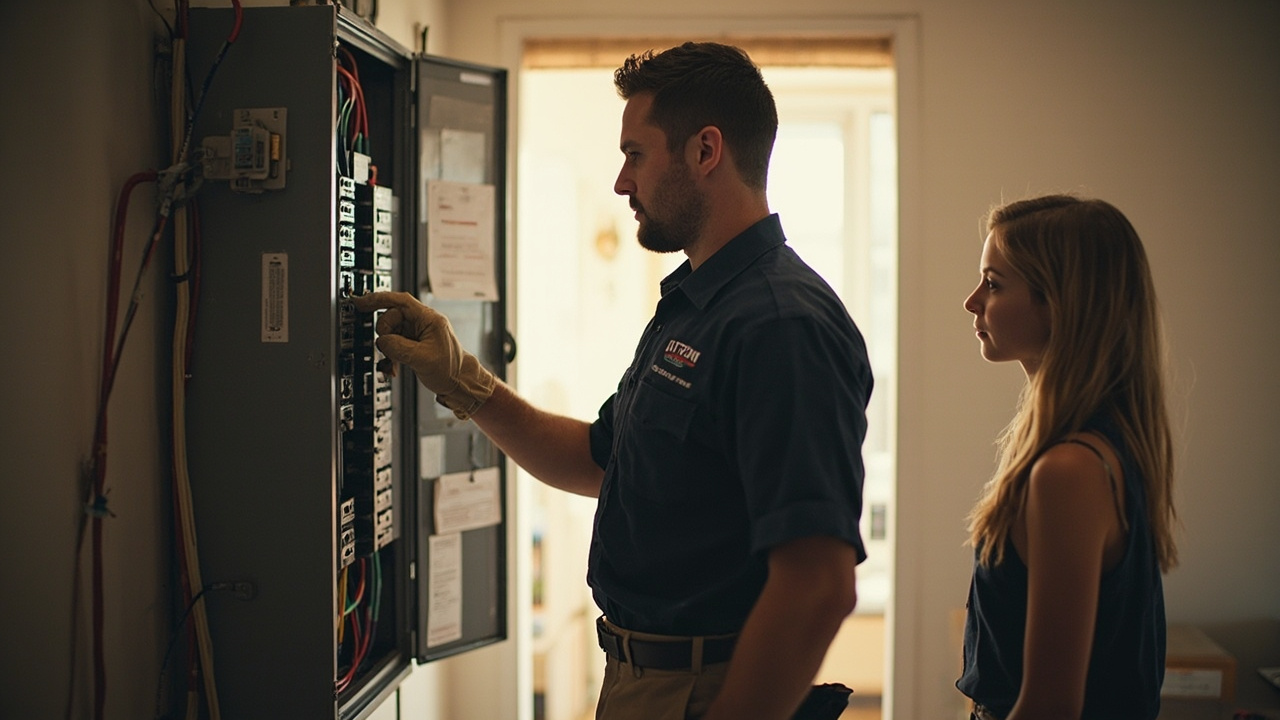
We start by photographing your current electrical service panel and documenting the manufacturer, model, and amperage rating. Our technicians identify each circuit, test breaker operation, and measure voltage at the bus bars. This baseline assessment reveals panel age, identifies obsolete components, and determines whether your current capacity meets your home's electrical demands.
02

Load Calculation and Recommendations

Next, we calculate your home's total electrical load based on square footage, appliances, HVAC equipment, and planned additions like EV chargers or pool pumps. This National Electrical Code-compliant calculation determines whether your existing panel can safely support current and future needs. We explain upgrade options, timeline expectations, and what permits the City of Houston requires for any electrical work.
03

Education and Action Plan

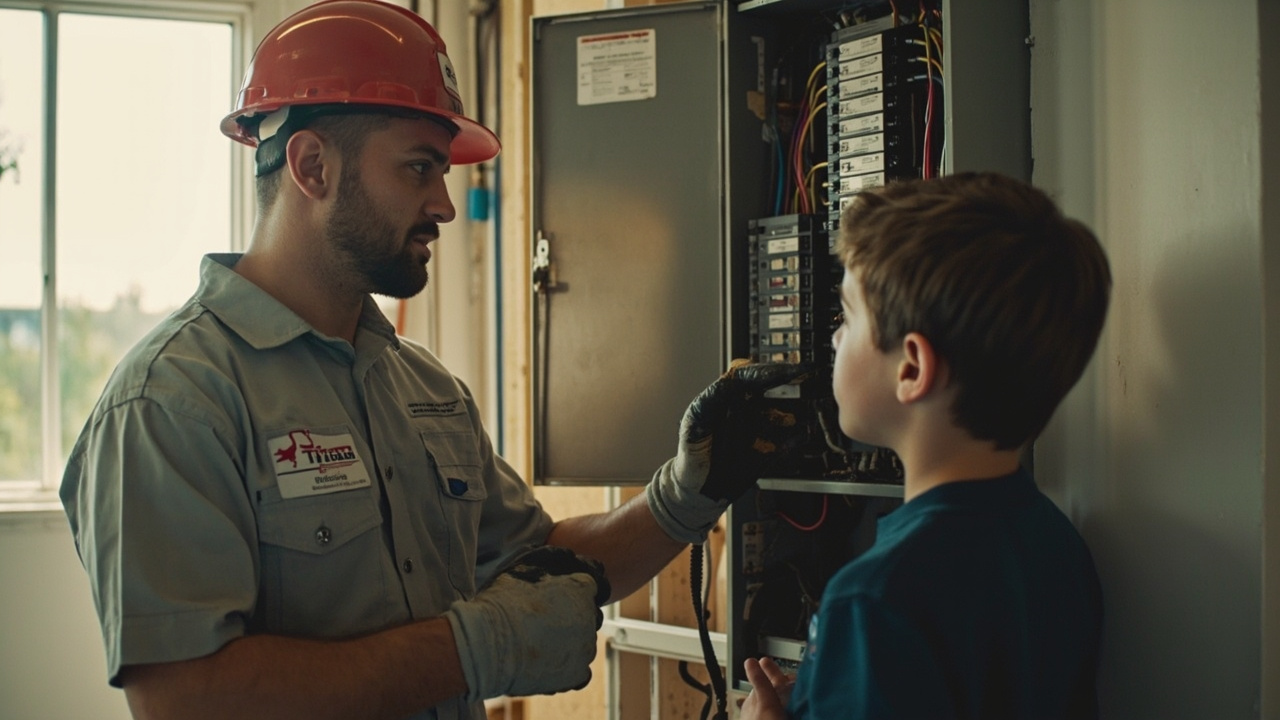
We finish by walking you through your panel's operation, showing you how to safely reset tripped breakers and identify warning signs of electrical problems. You receive a written assessment outlining any safety concerns, recommended improvements, and a prioritized timeline for addressing issues. This educational approach gives you control over maintenance decisions and helps you budget for necessary electrical upgrades.

Why Houston Homeowners Trust Titan Electricians for Electrical Panel Expertise

Electrical work in Houston requires understanding local code requirements that differ from state minimums. The City of Houston enforces specific grounding requirements in flood-prone areas. Homes in the 100-year floodplain need electrical panels mounted above projected flood levels. Electricians unfamiliar with these local amendments create code violations that complicate home sales and insurance claims.

We work throughout the Greater Houston metro, from Katy to Clear Lake, Sugar Land to The Woodlands. This geographic range means we have seen every panel configuration, wiring method, and electrical problem common to Southeast Texas homes. We know which neighborhoods have aluminum wiring from the 1970s, which subdivisions used substandard breaker brands, and which areas experience the most lightning-related surge damage.

Titan Electricians Houston focuses exclusively on residential electrical service. This specialization means our technicians diagnose panel problems faster and more accurately than general contractors who split time between multiple trades. We stock replacement breakers for obsolete panels, maintain relationships with local electrical supply houses for same-day parts, and schedule work around your availability rather than forcing you into narrow time windows.

Our educational approach sets us apart from electricians who prefer to keep customers confused. We believe homeowners make better decisions when they understand how their electrical systems work. This philosophy extends to transparent communication about what repairs are urgent versus what can wait, which upgrades add genuine value versus what amounts to unnecessary upselling, and realistic timelines for permit approval and inspection scheduling.

Houston's electrical permit process can delay projects by weeks if not handled correctly. We manage all permit applications, coordinate inspection scheduling, and ensure work meets code requirements the first time. This local expertise prevents the costly rework and failed inspections that plague unlicensed handymen and out-of-state contractors unfamiliar with Houston's electrical standards.

What to Expect When Working With Titan Electricians Houston

Same-Day Service Availability

We schedule electrical panel assessments within 24 to 48 hours of your call. Most diagnostic visits take 60 to 90 minutes, depending on your home's size and electrical complexity. If you need immediate attention for a safety concern like burning smells or sparking, we prioritize your service call. Our technicians arrive in marked vehicles with fully stocked inventory, ready to handle common repairs during the initial visit. You receive same-day written estimates for any recommended work, giving you time to review options without pressure.

Comprehensive Electrical Diagnostics

Our initial consultation includes voltage testing, thermal imaging to detect hot connections, verification of proper grounding, and assessment of wire condition visible at the panel. We open your breaker box to inspect for corrosion, loose connections, and signs of overheating. You learn your panel's true capacity, which circuits serve which areas, and whether your grounding system meets current safety standards. This thorough diagnostic approach identifies problems other electricians miss during quick visual inspections. We document findings with photos and explain technical issues in plain language you can understand.

Code-Compliant Professional Installation

All electrical work meets or exceeds National Electrical Code requirements and City of Houston amendments. We pull required permits, schedule inspections, and guarantee work passes on the first attempt. Panel installations typically take one full day, including disconnect coordination with your utility provider. We leave your electrical system cleaner than we found it, with clearly labeled circuits and updated panel directories. You receive copies of all permits, inspection approvals, and manufacturer documentation for insurance and resale purposes. Our installations maintain their integrity for decades because we use professional-grade materials and proper connection techniques.

Ongoing Support and Safety Checks

After major electrical work, we return for a complimentary follow-up inspection within 30 days to verify everything operates correctly. You receive guidance on resetting tripped breakers safely, recognizing warning signs of electrical problems, and maintaining your panel. We maintain detailed service records for your home, making future troubleshooting faster and more accurate. Our technicians answer questions by phone between service visits, helping you determine whether issues require immediate attention or can wait for scheduled maintenance. This relationship-focused approach means you have an electrical expert familiar with your home's specific system whenever questions arise.

Frequently Asked Questions

You Have Questions,
We Have Answers

What is the 80% rule for electrical panels? +

The 80% rule states that breakers in a panel should not exceed 80% of the panel's total capacity for continuous loads. For a 100-amp panel, that means 80 amps of usable power. This prevents overheating and trip failures. Houston homes often push this limit with AC units running constantly in summer heat. Your panel might have capacity on paper, but if you're running multiple high-draw appliances simultaneously, you risk overload. If you're adding a new circuit for a workshop or EV charger, you need to calculate existing load first. Ignoring this rule leads to nuisance trips or fire hazards.

What are the four types of electrical panels? +

Main breaker panels are the most common, controlling power flow to your entire home. Subpanels branch off from the main panel to serve additions or detached garages. Main lug panels have no main breaker and connect to a disconnect upstream. Transfer switch panels allow backup generator connections, popular in Houston after hurricane outages. Each type serves a specific purpose. Older Houston homes often have outdated fuse boxes, which need replacement with modern breaker panels. The type you need depends on your home's size, electrical load, and whether you're adding circuits or backup power options.

How many 20 amp breakers can be in a 100 amp panel? +

A 100-amp panel can hold roughly 20 to 24 breaker slots total, but the number of 20-amp breakers depends on your total calculated load, not just physical space. You cannot simply fill every slot. Each 20-amp circuit draws power from the 100-amp total capacity. Houston homes with central AC, electric water heaters, and kitchen appliances often approach the 80-amp continuous load threshold quickly. Adding multiple 20-amp circuits without load calculation risks overloading the panel. A licensed electrician should perform a load calculation before adding circuits. Physical space does not equal electrical capacity.

What is the basic knowledge of electrical panel? +

An electrical panel distributes power from the utility meter to circuits throughout your home. It contains breakers that protect individual circuits from overload. Each breaker shuts off power when it detects excess current, preventing wire overheating and fires. The main breaker controls power to the entire panel. Houston homes typically have 100-amp, 150-amp, or 200-amp service, depending on size and age. Breakers are rated by amperage, matching wire gauge and outlet requirements. Labels should identify which breaker controls which room or appliance. Understanding your panel helps you troubleshoot trips and plan additions safely.

What happens if you use a 30 amp breaker instead of 20? +

Using a 30-amp breaker on a circuit designed for 20 amps defeats overcurrent protection and creates a fire hazard. The breaker protects the wire, not the appliance. A 20-amp circuit uses 12-gauge wire, which overheats before a 30-amp breaker trips. This allows wires inside your walls to melt insulation and ignite surrounding materials. Houston's heat already stresses electrical systems. Adding mismatched breakers compounds the risk. Some homeowners do this to stop nuisance trips, but it masks underlying problems like overloaded circuits or failing appliances. Always match breaker amperage to wire gauge. Call an electrician if breakers trip repeatedly.

Can you put a 100A breaker in a 100A panel? +

Yes, you can install a 100-amp breaker in a 100-amp panel, but it must serve a specific subpanel or large appliance load, not exceed the main panel's capacity. The main breaker limits total current to 100 amps. A 100-amp subpanel breaker does not mean you gain 100 additional amps. Total load across all breakers cannot exceed the main rating. Houston homes adding workshops, pool equipment, or EV chargers sometimes need subpanels. The upstream main breaker still protects the entire system. Load calculation determines whether your main panel can support additional subpanel loads without upgrade.

What brand of electrical panels are uninsurable? +

Federal Pacific Electric (FPE) and Zinsco panels are widely considered uninsurable because their breakers fail to trip during overloads. Insurance companies often require replacement before issuing homeowner policies. FPE Stab-Lok breakers have documented failure rates, allowing dangerous current levels without tripping. Zinsco breakers fuse to bus bars, preventing disconnection. Many older Houston homes, particularly those built between 1950 and 1980, still have these panels. Home inspectors flag them immediately. Replacement costs less than fire damage or denied claims. If you have either brand, schedule a panel upgrade before your next insurance renewal or home sale.

How to tell if your house has 100 or 200-amp service? +

Check the main breaker at the top of your panel. It will display the amperage rating, either 100 or 200. You can also examine the meter base outside. A 100-amp service typically has a smaller meter base and thinner service wires. A 200-amp service uses heavier gauge aluminum or copper wires entering the meter. Houston homes built after 1980 usually have 200-amp service. Older homes often have 100-amp panels that struggle with modern electrical demands. Your utility bill or permit records also show service size. If you're unsure, an electrician can verify and recommend upgrades.

What is MCC and PCC panel? +

Motor Control Centers (MCC) and Power Control Centers (PCC) are commercial and industrial panel systems, not residential. MCCs contain motor starters, drives, and control circuits for large equipment like HVAC systems, pumps, and conveyors. PCCs distribute high-voltage power to multiple MCCs or large machinery. Houston's industrial corridor and commercial buildings use these extensively. They allow centralized control and maintenance. Residential panels are simpler breaker boxes. If you're managing a warehouse, manufacturing facility, or large commercial property in Houston, MCCs and PCCs provide the heavy-duty power distribution and motor control your operation requires.

How much does it cost to upgrade from 100amp to 200amp service? +

Upgrading from 100-amp to 200-amp service in Houston involves replacing the panel, meter base, service wires, and possibly the weatherhead. Costs vary based on panel location, permit fees, utility coordination, and wire length from the transformer. Many homes need additional work like grounding upgrades or subpanel relocation. Houston's permitting process and inspection requirements add time. Material costs fluctuate with copper prices. Some projects require utility company upgrades at the pole. Plan for permitting delays and schedule around Houston's summer heat. Get multiple quotes from licensed electricians who pull permits and coordinate utility disconnects properly.

Why Houston's Climate and Building Codes Make Panel Knowledge Critical

Houston's combination of extreme heat, high humidity, and periodic flooding creates electrical challenges uncommon in other regions. Moisture infiltration corrodes connections inside breaker panels, particularly in older homes without adequate weatherproofing. Summer temperatures regularly exceed 95 degrees, causing thermal expansion in aluminum bus bars that loosens connections over time. Hurricane season brings power surges from lightning strikes and grid fluctuations during outages. These environmental factors mean Houston electrical panels degrade faster than similar installations in dry climates, making regular assessment and proactive maintenance essential for home safety.

The City of Houston has updated electrical codes multiple times in response to major flooding events. Homes rebuilt after Hurricane Harvey face stricter elevation requirements for electrical equipment. Properties in Special Flood Hazard Areas need panels mounted high enough to remain operational during flood events. These local regulations mean generic electrical advice from national sources often does not apply to Houston homes. Working with electricians who understand these location-specific requirements ensures your electrical system meets current code standards, protecting both your safety and your home's resale value when buyers request electrical inspections.

Electrical Services in The Houston Area

Looking for reliable electricians near you? Titan Electricians Houston proudly serves homeowners and businesses across the greater Houston area with expert electrical repairs, panel upgrades, lighting installations, wiring services, and 24/7 emergency support. From The Woodlands to Pearland, our licensed electricians are ready to deliver safe, efficient, and code-compliant solutions. Use the map below to explore our service coverage and find fast, trusted electrical help in your neighborhood.

Address:
TitanElectriciansHouston, 2500 Summer St, Houston, TX, 77007

Additional Services We Offer

Our news updates

Latest Articles & News from The Blogs

Lorem ipsum dolor sit amet. Aut expedita quaerat quo eligendi numquam et laudantium perspiciatis qui minima expedita rem consequatur ducimus.…

Test Blog 4

Lorem ipsum dolor sit amet. Aut expedita quaerat quo eligendi numquam et laudantium perspiciatis qui minima expedita rem consequatur ducimus.…

Test Blog 3

Lorem ipsum dolor sit amet. Aut expedita quaerat quo eligendi numquam et laudantium perspiciatis qui minima expedita rem consequatur ducimus.…

Test Blog 2

Lorem ipsum dolor sit amet. Aut expedita quaerat quo eligendi numquam et laudantium perspiciatis qui minima expedita rem consequatur ducimus.…

Contact Us

Understanding your electrical panel starts with a professional assessment. Call Titan Electricians Houston at (281) 552-7811 today to schedule your comprehensive electrical system evaluation. We answer your questions, identify safety concerns, and provide clear recommendations for keeping your home's electrical system safe and reliable.