
The electrical requirements for switching to a tankless water heater in your Fifth Ward home
Electric tankless water heaters offer endless hot water and energy savings. Many Fifth Ward homeowners discover too late that their electrical system cannot handle the load. This guide breaks down exactly what your home needs from an electrical standpoint before making the switch. Electrical Houston.
Understanding the amperage requirements
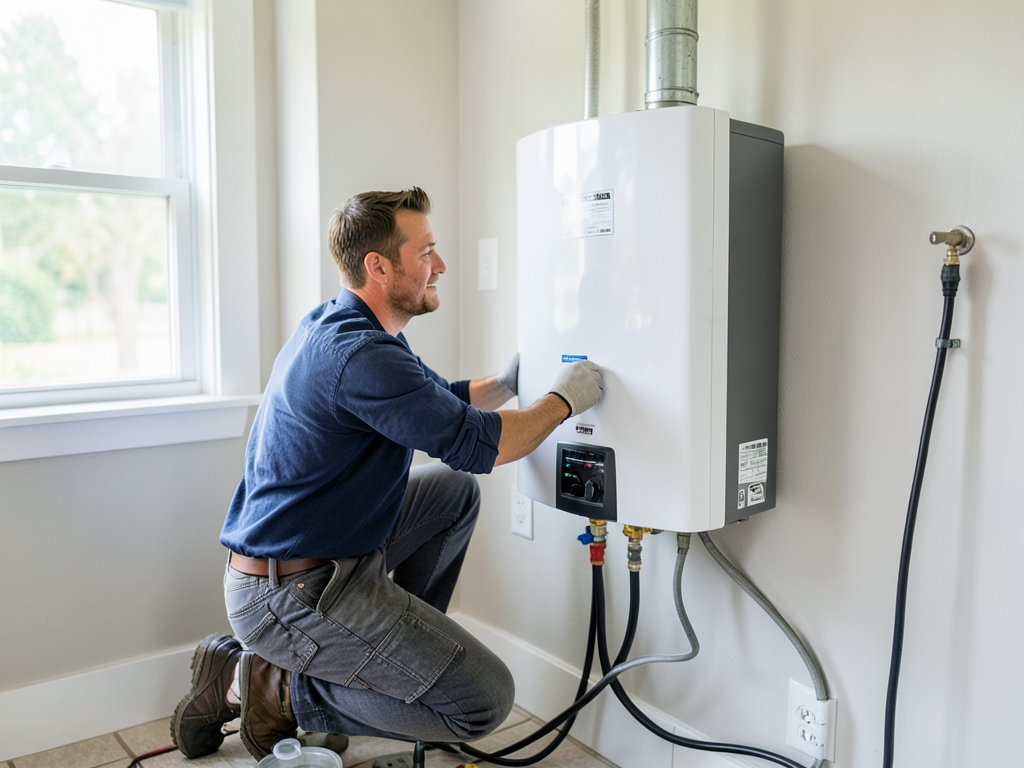
Electric tankless units draw massive amounts of power during operation. A typical whole-house electric tankless heater requires between 120 and 200 amps of dedicated power. This is significantly more than a traditional tank heater which typically needs only 30 amps. Three-Phase Power Services.
The exact amperage depends on several factors including the unit’s flow rate, the temperature rise needed, and whether you choose a point-of-use or whole-house system. Houston’s groundwater temperature averages around 70 degrees Fahrenheit meaning your tankless unit must heat water by 40 to 50 degrees for comfortable showers. This temperature rise directly impacts the electrical demand.. Read more about Moving from a gas to an electric range in your The Woodlands kitchen.
Dedicated circuits and breaker requirements
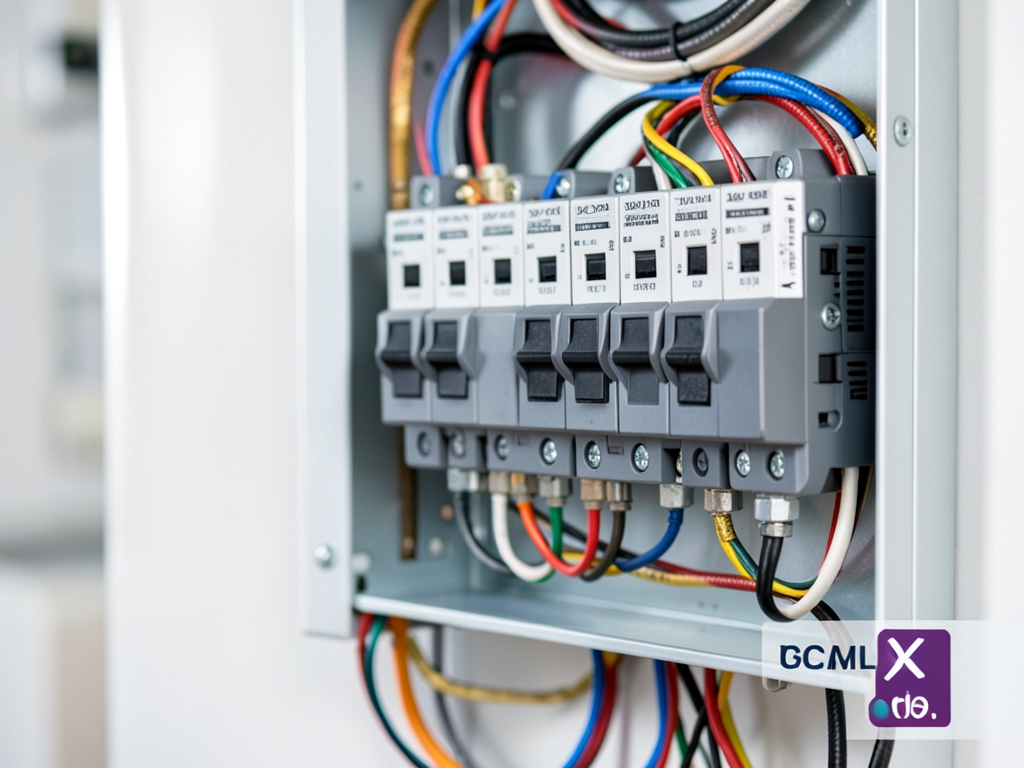
Electric tankless water heaters require dedicated 240-volt circuits with specific breaker configurations. Most units need two or three double-pole breakers rated at 40 amps each. This means your electrical panel must have available slots for these breakers and the physical space to accommodate them. The Top Rated Licensed Electricians Serving the River Oaks Area.
The wiring must be appropriately sized. For most whole-house electric tankless units you will need 8-gauge or 6-gauge wire depending on the exact amperage and distance from the panel to the unit. Undersized wire creates a fire hazard and violates electrical codes.
Fifth Ward electrical panel considerations
Many Fifth Ward homes were built between the 1940s and 1970s with electrical systems designed for much lower loads. These homes often have 60 to 100 amp main panels. A modern tankless system can easily exceed what these older panels can safely deliver.
Upgrading to a 200 amp service is often necessary when installing an electric tankless water heater. This upgrade involves replacing the main breaker, meter socket, and potentially the service entrance cable. The cost of this electrical work frequently exceeds the price of the water heater itself.
Load calculation for your home
Electricians use a specific formula to determine if your home can handle a tankless unit. This calculation considers your existing electrical loads including HVAC systems, kitchen appliances, laundry equipment, and lighting. Houston’s hot climate means air conditioning often represents the largest electrical load in homes. Commercial Lighting Retrofits.
A typical Fifth Ward home might have:
- Central AC: 30-50 amps
- Electric range: 40-50 amps
- Dryer: 30 amps
- Existing water heater: 30 amps
- Lighting and outlets: 20-30 amps
Adding a tankless unit that needs 120-200 amps can push the total load beyond what a 100 amp panel can handle safely.
Houston building codes and permits
City of Houston requires permits for tankless water heater installations that involve electrical work. The permitting process ensures your installation meets National Electrical Code requirements and local amendments specific to Houston’s climate and building practices.
Key code requirements include:
- Proper grounding and bonding
- Correct wire sizing for the amperage
- Appropriate breaker protection
- Clearance requirements around the unit
- Smoke detector integration if required
Permits typically cost between $100 and $300 depending on the scope of work. Inspections ensure your installation meets all safety standards before final approval.
Temperature rise considerations in Houston
Houston’s warm groundwater affects how tankless units perform. While you might think warmer incoming water reduces electrical demand the reality is more complex. The unit must still heat water to typical shower temperatures around 105 degrees Fahrenheit.
During winter months when groundwater drops to the mid-50s your tankless unit works harder and draws more power. Your electrical system must handle peak loads even if average usage is lower.
Cost factors for electrical upgrades
The electrical portion of a tankless conversion often represents the largest expense. Here are the main cost drivers:
| Upgrade Component | Typical Cost Range | Factors Affecting Cost |
|---|---|---|
| 200 amp panel upgrade | $1,500 – $3,000 | Panel location, accessibility, existing wiring condition |
| Dedicated circuits | $400 – $800 | Wire length, wall accessibility, number of circuits |
| Permits and inspections | $100 – $300 | City fees, inspection requirements |
| Service entrance cable | $300 – $600 | Distance from meter to panel, underground vs overhead |
These costs do not include the tankless unit itself or any plumbing modifications needed for installation.
Panel location and accessibility
Fifth Ward homes often have electrical panels in various locations including garages, exterior walls, or utility rooms. Exterior panel upgrades may require weatherproof enclosures and additional considerations for Houston’s high humidity and occasional flooding.
Accessibility affects labor costs significantly. Panels in tight utility closets or requiring wall demolition to access wiring will increase installation time and cost.
Electric vs. gas tankless considerations
Gas tankless units have different electrical requirements. While they still need electricity for controls and ignition they draw much less power from your home’s electrical system. A gas unit might need only a 15 or 20 amp dedicated circuit compared to the 120-200 amps required for electric models.
However gas units require proper venting and gas line modifications. The choice between electric and gas often comes down to your home’s existing infrastructure and your long-term energy costs in Houston.
Voltage drop considerations
Voltage drop becomes a concern in larger Fifth Ward properties or when the tankless unit is located far from the main electrical panel. Voltage drop occurs when electricity travels through wire creating resistance that reduces the voltage available at the load.
For long wire runs you may need:
- Larger gauge wire than standard requirements
- Voltage drop calculations to ensure proper operation
- Potential sub-panel installation if the distance is extreme
Installation process and timeline
Converting to an electric tankless system typically follows this sequence:
- Load calculation and assessment
Electrician evaluates your home’s electrical capacity and determines necessary upgrades. This takes 1-2 hours.
- Permit acquisition
City of Houston permits are obtained which takes 2-5 business days.
- Electrical upgrades
Panel replacement and circuit installation typically requires 1-2 days depending on complexity.
- Unit installation
Plumbing and electrical connections are made. This takes 4-8 hours.
- Inspection and approval
City inspection ensures code compliance. This occurs within 1-3 days of completion.
Common challenges in Fifth Ward homes
Older Fifth Ward homes present specific challenges for tankless conversions:
- Knob-and-tube wiring that must be replaced
- Insufficient grounding systems
- Shared neutrals that cannot handle additional loads
- Corrosion in older panels from Houston’s humidity
These issues often surface during the initial assessment and can add unexpected costs to the project.
Energy efficiency and long-term considerations
Electric tankless units offer significant energy savings over traditional tanks especially in Houston where hot water usage remains consistent year-round. However the initial electrical investment is substantial.
Consider these factors for long-term planning:
| Factor | Impact on Electric Tankless |
|---|---|
| HVAC integration | Simultaneous operation may require 400 amp service |
| Future electric vehicle charging | Additional 40-80 amp load to consider |
| Solar panel plans | May offset electrical demand over time |
| Smart home devices | Minimal additional load but cumulative effect |
Maintenance and reliability
Electric tankless units require less maintenance than gas models but still need periodic attention. Houston’s hard water means scale buildup can affect efficiency over time. Installing a water softener or scale inhibitor helps maintain performance.
Electrical components in tankless units are sensitive to power surges common during Houston thunderstorms. Whole-house surge protection becomes even more important with high-draw appliances. Protect Your Tech With Professional Whole House Surge Protection in Cypress.
Making the right decision for your Fifth Ward home
Before committing to an electric tankless system ask these questions:
- Can my electrical panel handle the additional load?
- Am I prepared for the electrical upgrade costs?
- Does my home have adequate space for the unit and required clearances?
- Will I need to upgrade other electrical services simultaneously?
Many Fifth Ward homeowners find that a hybrid approach works better. This might mean upgrading to a more efficient traditional tank or installing point-of-use electric units only where needed rather than a whole-house system.
Avoid surprises by getting an assessment before making any decisions.
Frequently Asked Questions
Do I need a permit to install a tankless water heater in Houston?
Yes. Any electrical work including tankless water heater installation requires permits from the City of Houston. This ensures your installation meets safety codes and will be inspected for compliance.
How much does it cost to upgrade my electrical panel for a tankless water heater?
Panel upgrades typically cost between $1,500 and $3,000 depending on your home’s specific requirements. This does not include the tankless unit itself or any plumbing modifications needed.
Can I install a tankless water heater if my home has a 100 amp electrical service?
Most 100 amp services cannot support a whole-house electric tankless unit. You will likely need to upgrade to a 200 amp service to handle the additional load safely.
How long does it take to install a tankless water heater with electrical upgrades?
The complete process including permits, electrical upgrades, installation, and inspection typically takes 1-2 weeks from start to finish.
Will a tankless water heater increase my electric bill?
While tankless units are more efficient than traditional tanks they do use more electricity during operation. However they only heat water when needed which often results in lower overall energy costs compared to keeping a tank of water hot continuously.
Ready to upgrade your Fifth Ward home’s water heating system?
Electric tankless water heaters offer convenience and efficiency but require careful electrical planning. Our team understands the unique challenges of Fifth Ward homes and can assess your electrical system to determine the best approach for your needs.
Don’t risk unsafe installations or surprise costs. We provide comprehensive electrical assessments that consider your entire home’s power needs including future upgrades like electric vehicle charging or solar panels.
Call us today at (281) 552-7811 to schedule your electrical assessment. We’ll help you understand exactly what your Fifth Ward home needs to support a tankless water heater safely and efficiently.
Our electricians are licensed by the Texas Department of Licensing and Regulation and have extensive experience with Houston’s specific building codes and permit requirements. We handle everything from initial load calculations to final inspections so you can enjoy endless hot water with complete peace of mind.
{
“@context”: “https://schema.org”,
“@type”: “BlogPosting”,
“headline”: “The electrical requirements for switching to a tankless water heater in your Fifth Ward home”,
“description”: “Learn the electrical requirements for installing a tankless water heater in your Fifth Ward home. Discover panel upgrades, permits, and costs before making the switch.”,
“wordCount”: 1702,
“datePublished”: “2026-04-25T13:03:00.000Z”,
“dateModified”: “2026-04-25T13:03:00.000Z”,
“inLanguage”: “en-US”,
“mainEntityOfPage”: {
“@type”: “WebPage”,
“@id”: “https://titanelectricianshouston.com”
},
“publisher”: {
“@type”: “LocalBusiness”,
“name”: “Titan Electricians Houston”,
“url”: “https://titanelectricianshouston.com”
},
“author”: {
“@type”: “Organization”,
“name”: “Titan Electricians Houston”,
“url”: “https://titanelectricianshouston.com”
},
“image”: {
“@type”: “ImageObject”,
“url”: “https://titanelectricianshouston.com/wp-content/uploads/2026/03/the-electrical-requirements-for-switching-to-a-tan-1.png”
}
}
{
“@context”: “https://schema.org”,
“@type”: “Electrician”,
“name”: “Titan Electricians Houston”,
“url”: “https://titanelectricianshouston.com”,
“address”: {
“@type”: “PostalAddress”,
“addressLocality”: “Houston”
},
“areaServed”: {
“@type”: “City”,
“name”: “Houston”
}
}
{
“@context”: “https://schema.org”,
“@type”: “FAQPage”,
“mainEntity”: [
{
“@type”: “Question”,
“name”: “Do I need a permit to install a tankless water heater in Houston?”,
“acceptedAnswer”: {
“@type”: “Answer”,
“text”: “Yes. Any electrical work including tankless water heater installation requires permits from the City of Houston. This ensures your installation meets safety codes and will be inspected for compliance.”
}
},
{
“@type”: “Question”,
“name”: “How much does it cost to upgrade my electrical panel for a tankless water heater?”,
“acceptedAnswer”: {
“@type”: “Answer”,
“text”: “Panel upgrades typically cost between $1,500 and $3,000 depending on your home’s specific requirements. This does not include the tankless unit itself or any plumbing modifications needed.”
}
},
{
“@type”: “Question”,
“name”: “Can I install a tankless water heater if my home has a 100 amp electrical service?”,
“acceptedAnswer”: {
“@type”: “Answer”,
“text”: “Most 100 amp services cannot support a whole-house electric tankless unit. You will likely need to upgrade to a 200 amp service to handle the additional load safely.”
}
},
{
“@type”: “Question”,
“name”: “How long does it take to install a tankless water heater with electrical upgrades?”,
“acceptedAnswer”: {
“@type”: “Answer”,
“text”: “The complete process including permits, electrical upgrades, installation, and inspection typically takes 1-2 weeks from start to finish.”
}
},
{
“@type”: “Question”,
“name”: “Will a tankless water heater increase my electric bill?”,
“acceptedAnswer”: {
“@type”: “Answer”,
“text”: “While tankless units are more efficient than traditional tanks they do use more electricity during operation. However they only heat water when needed which often results in lower overall energy costs compared to keeping a tank of water hot continuously.”
}
},
{
“@type”: “Question”,
“name”: “Ready to upgrade your Fifth Ward home’s water heating system?”,
“acceptedAnswer”: {
“@type”: “Answer”,
“text”: “Electric tankless water heaters offer convenience and efficiency but require careful electrical planning. Our team understands the unique challenges of Fifth Ward homes and can assess your electrical system to determine the best approach for your needs.”
}
}
]
}
{
“@context”: “https://schema.org”,
“@type”: “HowTo”,
“name”: “Electric Tankless Water Heater Installation Process”,
“step”: [
{
“@type”: “HowToStep”,
“position”: 1,
“name”: “Load calculation and assessment”,
“text”: “Electrician evaluates your home’s electrical capacity and determines necessary upgrades. This takes 1-2 hours.”
},
{
“@type”: “HowToStep”,
“position”: 2,
“name”: “Permit acquisition”,
“text”: “City of Houston permits are obtained which takes 2-5 business days.”
},
{
“@type”: “HowToStep”,
“position”: 3,
“name”: “Electrical upgrades”,
“text”: “Panel replacement and circuit installation typically requires 1-2 days depending on complexity.”
},
{
“@type”: “HowToStep”,
“position”: 4,
“name”: “Unit installation”,
“text”: “Plumbing and electrical connections are made. This takes 4-8 hours.”
},
{
“@type”: “HowToStep”,
“position”: 5,
“name”: “Inspection and approval”,
“text”: “City inspection ensures code compliance. This occurs within 1-3 days of completion.”
}
],
“image”: “https://titanelectricianshouston.com/wp-content/uploads/2026/03/the-electrical-requirements-for-switching-to-a-tan-1.png”
}
{
“@context”: “https://schema.org”,
“@type”: “BreadcrumbList”,
“itemListElement”: [
{
“@type”: “ListItem”,
“position”: 1,
“name”: “Home”,
“item”: “https://titanelectricianshouston.com”
},
{
“@type”: “ListItem”,
“position”: 2,
“name”: “Blog”,
“item”: “https://titanelectricianshouston.com/blog”
},
{
“@type”: “ListItem”,
“position”: 3,
“name”: “The electrical requirements for switching to a tankless water heater in your Fifth Ward home”
}
]
}
{
“@context”: “https://schema.org”,
“@type”: “Service”,
“serviceType”: “Electricians”,
“provider”: {
“@type”: “LocalBusiness”,
“name”: “Titan Electricians Houston”,
“url”: “https://titanelectricianshouston.com”
},
“areaServed”: {
“@type”: “City”,
“name”: “Houston”
},
“description”: “Learn the electrical requirements for installing a tankless water heater in your Fifth Ward home. Discover panel upgrades, permits, and costs before making the switch.”
}