
Powering a new backyard tiny house or ADU in The Heights without blowing a fuse
Building a detached accessory dwelling unit or tiny house in your The Heights backyard sounds exciting until you realize the electrical demands can quickly overwhelm your existing service. With Houston’s clay soil shifting underground conduit and The Heights’ historic district rules limiting exterior modifications, a standard plug-and-play approach won’t cut it. This guide walks you through the specific electrical requirements for ADUs in Houston’s Inner Loop so you can power your new space safely without tripping breakers or violating city codes. Houston Archaeological and Historical Commission.
The Heights’ mix of early 20th-century bungalows and newer infill construction means your electrical panel might already be pushing its limits. Adding a 400-square-foot ADU with kitchen, bathroom, and HVAC can easily require a dedicated 50- to 100-amp subpanel. Houston’s electrical code also mandates GFCI protection for all kitchen and bathroom circuits in new construction, and the National Electrical Code requires AFCI breakers for bedroom and living area circuits in any new dwelling unit. Protect Your Tech With Professional Whole House Surge Protection in Cypress.
Understanding Houston ADU electrical load requirements
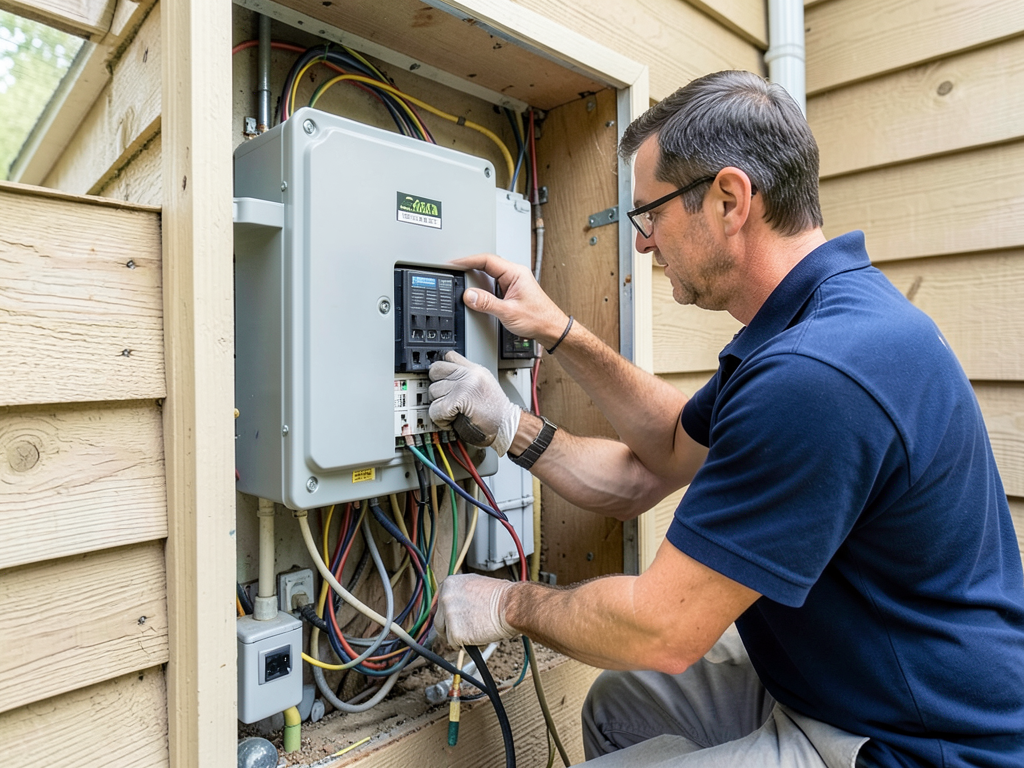
Before trenching a single foot of conduit you need to calculate the electrical load. A typical The Heights ADU with one bedroom, a small kitchen, and a mini-split HVAC system will draw between 3,500 and 5,000 watts continuously. Add a washer-dryer combo and that jumps to 6,500 watts. Houston’s electrical code uses a 125 percent safety factor for continuous loads, so you’re looking at a minimum 50-amp, 240-volt service for most small ADUs. Electrical Houston.
If your main panel is already at 80 percent capacity you’ll need a service upgrade. A 200-amp upgrade from a 100-amp panel in an older The Heights home can cost $2,500 to $4,000 just for the panel and inspection, not including trenching or meter work. CenterPoint Energy requires a new meter socket and weatherhead for any detached structure, and trenching through Houston’s expansive clay often means digging 24 to 36 inches deep to protect conduit from soil movement. CenterPoint Energy service standards.
Navigating The Heights historic district electrical rules
The Heights historic district adds another layer of complexity. Exterior conduit must either be buried or painted to match the home’s trim, and any visible meter or disconnect must be approved by the Houston Archaeological and Historical Commission. This often means placing the meter on the rear or side of the main house rather than running a new service drop to the ADU, which can reduce trenching costs but may require a longer underground run.. Read more about Running electrical to a new second story addition in the Second Ward.
Historic guidelines also restrict the size and style of outdoor lighting fixtures. LED fixtures with photocells are encouraged for energy efficiency, but their housings must blend with the home’s architecture. If your ADU will include a porch light or security fixture, plan for a dedicated 15-amp circuit and weatherproof junction boxes rated for Houston’s humidity and occasional hurricane-force winds. How to Plan Your Outdoor Landscape Lighting in The Woodlands Without Overspending.
Permitting and inspection process for Houston ADU electrical
Houston’s permitting process for secondary residential electrical work starts at the City of Houston Permitting Center on Washington Avenue. You’ll need two sets of plans showing the ADU’s layout, proposed circuits, and load calculations signed by a licensed master electrician. The city’s electrical inspector will verify that all circuits meet NEC requirements for arc-fault and ground-fault protection before issuing a final approval. The Top Rated Licensed Electricians Serving the River Oaks Area.
CenterPoint Energy coordinates separately for the meter installation. They require a four-foot clearance around the meter socket and a weatherhead height between 12 and 25 feet depending on your service drop length. If your ADU is more than 100 feet from the main house you may need a secondary service, which adds $800 to $1,200 to the project cost.
Cost factors for ADU electrical in The Heights
Electrical costs for a The Heights ADU vary widely based on distance, soil conditions, and whether you need a service upgrade. Here’s a breakdown of typical expenses:. Read more about The electrical requirements for switching to a tankless water heater in your Fifth Ward home.
| Item | Typical Cost Range | Notes |
|---|---|---|
| Service upgrade (if needed) | $2,500 – $4,000 | 100A to 200A panel replacement |
| Subpanel installation | $800 – $1,500 | 50A to 100A, includes breakers |
| Trenching and conduit | $12 – $20 per linear foot | 24″ minimum depth in clay soil |
| CenterPoint meter socket | $300 – $600 | Weatherhead and riser included |
| Permits and inspections | $250 – $450 | City and CenterPoint fees |
Most ADU electrical projects in The Heights fall between $3,500 and $7,000 total, with higher costs for longer trench runs or service upgrades. If you’re planning EV charging in the ADU, budget an additional $800 to $1,200 for a dedicated 240-volt circuit and charger installation. How to Get a Tesla Home Charger Installed in Katy Without the Stress.
Smart technology and energy efficiency in small spaces
ADUs benefit from compact, efficient electrical design. LED lighting with dimming controls can cut lighting loads by 75 percent compared to incandescent fixtures. Mini-split heat pumps use 30 to 50 percent less power than traditional electric resistance heating, and tankless electric water heaters eliminate standby losses.. Read more about Getting power to your Magnolia Park workshop or backyard studio.
Smart breakers and energy monitoring systems let you track real-time usage from your phone, which is valuable in a small space where every amp counts. Some homeowners install load-shedding devices that automatically turn off non-essential circuits when the EV charger is active, preventing overloads without sacrificing convenience.
Step-by-step ADU electrical installation timeline
- Load calculation and design
Master electrician calculates total load, selects panel size, and draws circuit plan.
- Permit application
Submit two sets of plans to Houston Permitting Center; pay fees.
- Service upgrade (if needed)
Replace main panel, upgrade meter socket, coordinate with CenterPoint.
- Trenching and conduit
Dig 24″ trench, lay Schedule 40 PVC conduit, install pull strings.
- Subpanel installation
Mount panel, install main breaker, run feeder wires from main panel.
- Circuit wiring
Pull individual circuits, install GFCI/AFCI breakers as required.
- Inspection and meter setup
City inspector approves wiring; CenterPoint installs meter socket.
- Final testing
Verify voltage, polarity, and breaker operation; label all circuits.
Common ADU electrical mistakes to avoid
Underestimating load is the most frequent error. A 20-amp circuit might seem sufficient for a kitchenette, but adding a microwave, coffee maker, and induction cooktop can push it past its safe limit. Always use dedicated 20-amp circuits for kitchen countertop appliances.
Skipping GFCI protection in wet areas is another code violation that can cause inspection failures. Houston’s electrical code requires GFCI protection for all receptacles within six feet of a sink, and tamper-resistant receptacles are mandatory in all new dwelling units.
Improper grounding is dangerous and often overlooked in small structures. A separate grounding electrode system with a minimum 8-foot ground rod is required for any detached building, and the ground must be bonded to the main service neutral.
Integrating EV charging and future expansion
If you plan to charge an electric vehicle in your ADU, install a 50-amp, 240-volt circuit even if you don’t buy the charger immediately. This future-proofs the space and avoids costly retrofits. EV chargers require a dedicated circuit with no other loads, and the National Electrical Code mandates a disconnect within sight of the charger.
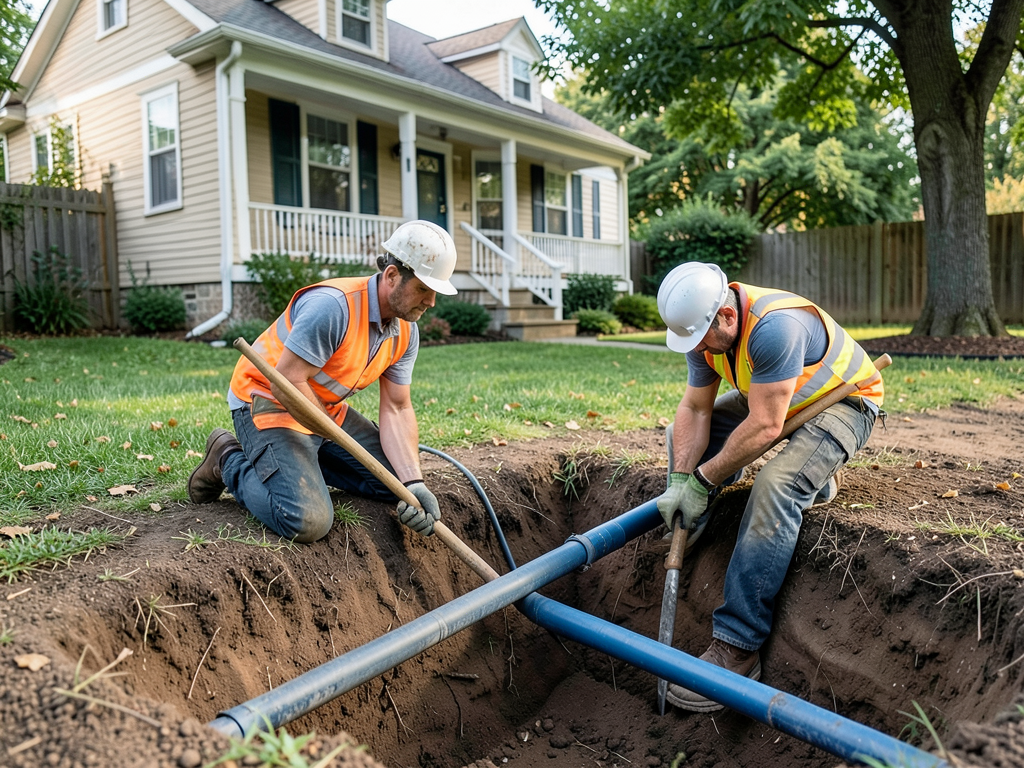
For homeowners considering a later expansion, oversized conduit (at least 1.5 inches) during the initial trenching can save thousands. Pulling additional wires later is far more expensive than leaving space now, especially with Houston’s clay soil making future trenching disruptive.
Choosing the right electrician for your The Heights ADU
Not all electricians have experience with Houston’s specific ADU requirements. Look for a master electrician licensed in Texas with documented experience in The Heights historic district. Ask for references from similar projects and verify that they handle both the permit application and CenterPoint coordination.
A qualified electrician will provide a detailed scope of work, including load calculations, material specifications, and a realistic timeline. They should also explain how they’ll protect your existing landscaping during trenching and restore the site afterward, which is especially important in The Heights where mature trees and established gardens are common.
Frequently Asked Questions
Do I need a separate electrical meter for my ADU?
Not necessarily. Many ADUs in The Heights share the main house’s electrical service with a subpanel. A separate meter is only required if you plan to rent the ADU and want separate billing, or if the structure is too far from the main house for a shared service drop.
Can my current 100-amp panel handle an ADU addition?
Probably not. A 100-amp panel serving a typical The Heights home is often near capacity. Adding an ADU usually requires upgrading to 200 amps, especially if you have central air conditioning, electric appliances, or plan to add EV charging.
How long does ADU electrical permitting take in Houston?
Permit review typically takes 5 to 10 business days. If plans need revisions, add another week. Once approved, you can schedule inspections as work progresses. The entire process from permit to final approval usually takes 3 to 4 weeks.
What’s the minimum trench depth for ADU electrical in Houston?
Houston’s electrical code requires a minimum 24-inch depth for direct burial cable or conduit. In areas with expansive clay or where vehicles might drive over the trench, 30 to 36 inches is recommended to prevent damage from soil movement.
Powering your backyard ADU safely requires careful planning, proper permitting, and experienced installation. The Heights’ unique combination of historic preservation rules and Houston’s electrical requirements means cutting corners can lead to failed inspections, costly rework, or unsafe conditions. Investing in professional design and installation ensures your new space is code-compliant, energy-efficient, and ready for whatever you plug in.
Ready to power your ADU without the headaches? Call Titan Electricians Houston at (281) 552-7811 for a comprehensive electrical assessment and quote. We handle everything from load calculations to final inspections, keeping your project on schedule and up to code.
You may also find this helpful. The benefits of hardwired smoke detectors for families in Katy.