






Menu

Motor Control Services in Houston – Keep Your Operation Running Without Interruption

Titan Electricians Houston delivers industrial-grade motor control solutions, integration, and rapid repair for manufacturing plants, distribution centers, and commercial facilities across the Greater Houston metro that cannot afford unplanned downtime.

Slider Image 1
Slider Image 2
Slider Image 3
Slider Image 4
Slider Image 5
Slider Image 7
Slider Image 8
Slider Image 9
Slider Image 10
Slider Image 11

Motor Control Failures Cost Houston Businesses Thousands Per Hour

When a motor control center goes offline in a Houston manufacturing plant or warehouse, the financial damage begins immediately. Production stops. Shipments delay. Labor hours burn with no output. In heavy industrial zones like the Ship Channel corridor and East Houston, where petrochemical processing and logistics operations run around the clock, a single motor control failure can cost thousands per hour in lost revenue and breach-of-contract penalties.

Houston's aggressive humidity accelerates corrosion on contactors, terminal blocks, and control relays. The salt air from Galveston Bay compounds the issue for facilities near the coast. Thermal cycling in un-conditioned warehouses causes insulation breakdown and loose connections. Many facilities in older industrial districts like Harrisburg and Manchester still operate motor control panels installed in the 1980s and 1990s, systems never designed for the increased electrical loads of modern automation and variable frequency drives.

Motor control system integration becomes complex when legacy equipment must interface with new programmable logic controllers and SCADA systems. Incompatible communication protocols, outdated wiring standards, and insufficient ampacity in aging feeders create failure points that halt operations without warning. Electric motor control repair cannot wait for next-day service calls. When a conveyor system stops at a distribution hub on the East Loop or a process line shuts down in a food production facility near Stafford, you need technicians who understand industrial motor control solutions and can diagnose faults under pressure.

The cost of waiting is measurable in payroll waste, missed shipments, and customer attrition. Motor control panel services require technicians who read ladder logic, understand three-phase power distribution, and carry the diagnostic tools to isolate faults quickly in live electrical environments.

Motor Control Failures Cost Houston Businesses Thousands Per Hour
How We Diagnose and Resolve Motor Control Failures Fast

How We Diagnose and Resolve Motor Control Failures Fast

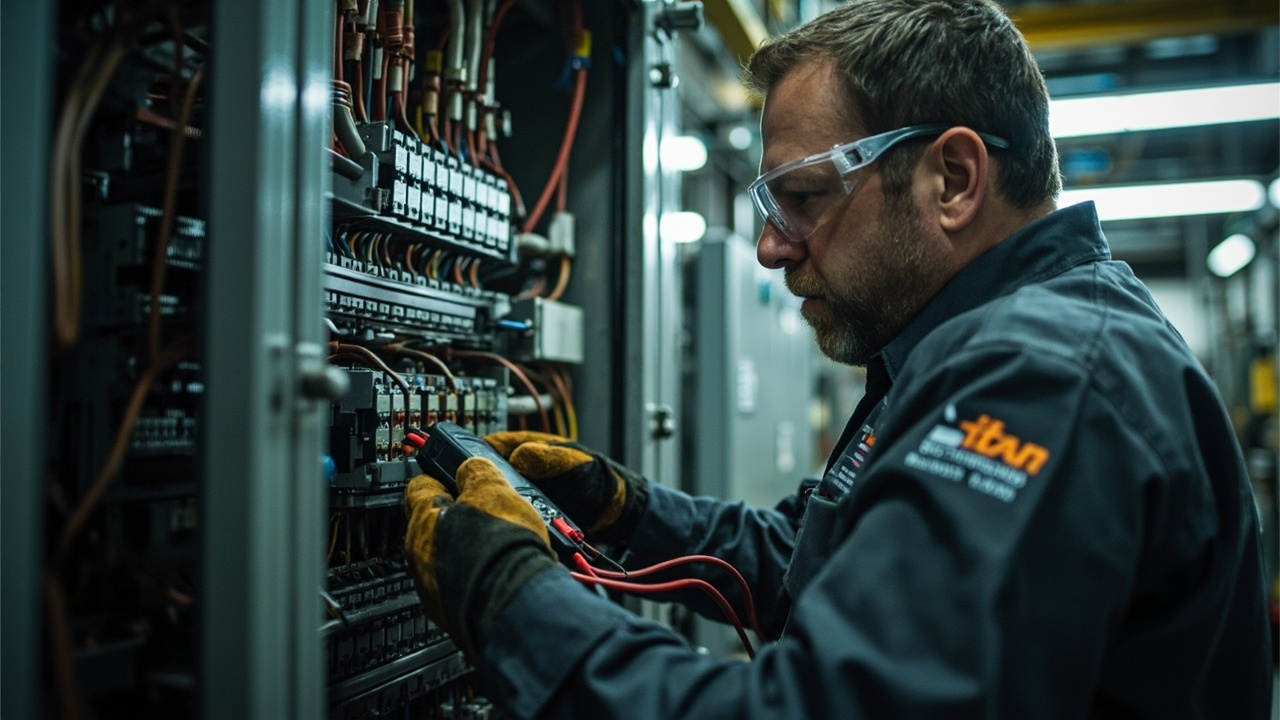
Our approach to motor control center services starts with rapid on-site assessment using thermal imaging cameras, power quality analyzers, and insulation resistance testers. We do not guess. We measure voltage imbalance, harmonic distortion, and ground fault currents to isolate the failure mode. In most cases, we identify the root cause within the first 30 minutes on-site.

For motor control system integration projects, we map existing panel layouts, document control logic, and verify load calculations before we touch a wire. We use Allen-Bradley, Siemens, and Schneider Electric components that meet NEMA and UL 508A standards. Our panel builds include proper wire labeling, torque specifications on all terminations, and segregation of power and control circuits to minimize electromagnetic interference. We do not use residential-grade components in industrial applications.

When electric motor control repair requires component replacement, we stock contactors, overload relays, and control transformers for the most common motor starter configurations in Houston industrial facilities. We carry backup drives for 480-volt three-phase systems and replacement PLCs for discontinued models. If a part is not in our truck, we pull from local electrical wholesalers within the hour.

For aging systems, we retrofit motor control panels with modern protection devices while preserving existing control logic. We add ground fault protection, arc flash mitigation, and remote monitoring capabilities without requiring a full system shutdown. Our integration work ensures new automation equipment communicates with legacy control systems through protocol converters and signal isolators. We test all circuits under load before we leave the site. Your operation does not restart until we verify proper sequencing, correct phase rotation, and stable operation across all load conditions.

What Happens When You Call for Motor Control Services

Motor Control Services in Houston – Keep Your Operation Running Without Interruption
01

Emergency Dispatch and Assessment

When you call for motor control failure, we dispatch a technician with industrial diagnostic equipment immediately. We ask about symptoms, affected equipment, and recent electrical events. Our technician arrives with thermal cameras, megohmmeters, and a full inventory of replacement contactors, relays, and control components. We assess panel condition, check for visible damage, and begin electrical testing to isolate the fault before we discuss repair scope or timeline.
02

Fault Isolation and Repair

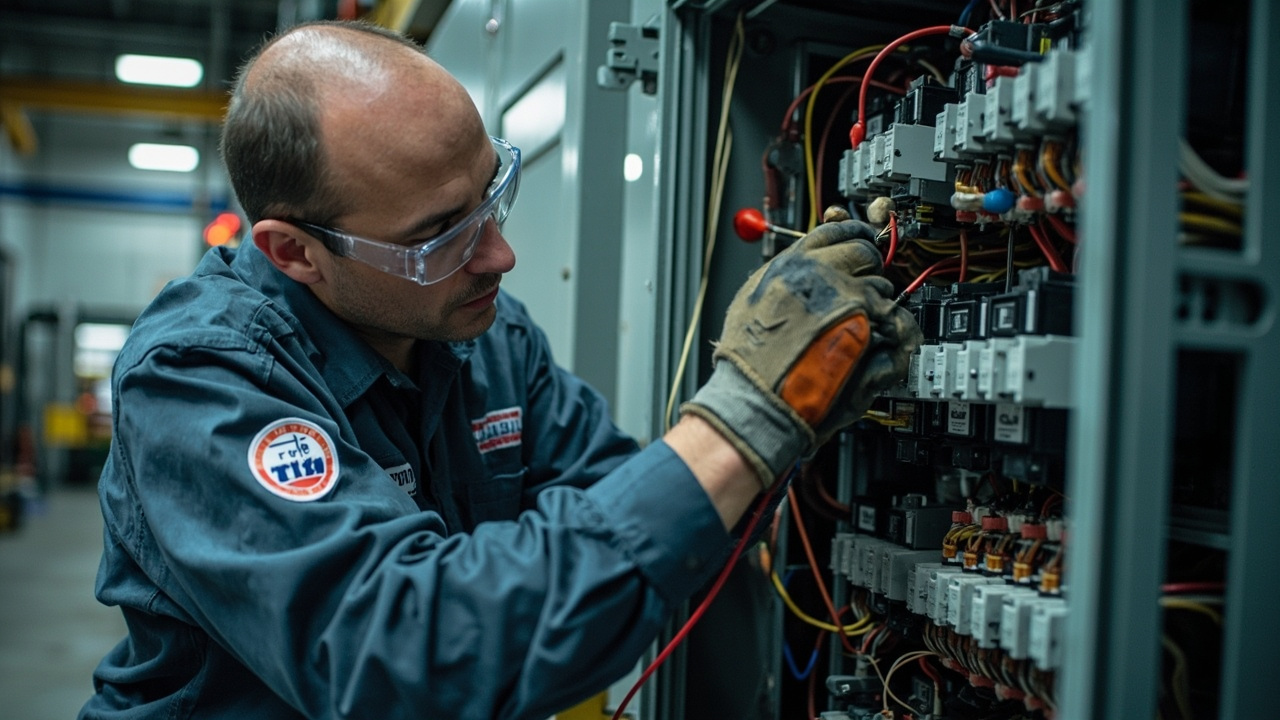
We de-energize affected circuits, verify zero voltage, and apply lockout-tagout procedures. Using multimeters and circuit tracers, we test each control component, verify coil continuity, measure contact resistance, and check for ground faults. Once we isolate the failed component, we replace it with a matching or upgraded part. For complex failures involving multiple faults or logic errors, we troubleshoot control sequences step by step until normal operation resumes.
03

Load Testing and Documentation

After repairs, we re-energize the system and monitor motor startup under load. We verify correct phase rotation, check for voltage drop, measure inrush current, and confirm proper overload protection settings. We document all work performed, components replaced, and test results. Before we leave, we provide recommendations for preventive maintenance, component upgrades, or system improvements to reduce the risk of future failures and extend equipment service life.

Why Houston Facilities Trust Titan Electricians for Motor Control Work

Industrial motor control repair is not a job for generalists. It requires technicians who understand motor starter configurations, control circuit logic, and the National Electrical Code requirements for industrial control panels. Titan Electricians Houston employs electricians trained in three-phase power systems, programmable logic controllers, and variable frequency drive integration. We work in chemical plants, food processing facilities, cold storage warehouses, and distribution centers across Harris County and surrounding areas.

We understand the regulatory environment Houston facilities operate within. Many plants must comply with OSHA electrical safety standards, NFPA 70E arc flash requirements, and industry-specific codes for hazardous locations. Our motor control panel services meet UL 508A standards for industrial control panels, and we label all equipment with proper arc flash boundaries and available fault current. We work with your safety personnel to ensure all electrical work complies with site-specific safety protocols and lockout-tagout procedures.

Our familiarity with Houston's industrial landscape means we understand the equipment you run. We have worked on motor control centers in refineries along the Ship Channel, conveyor systems in third-party logistics facilities near the Port of Houston, and process control systems in manufacturing plants throughout the Greater Houston area. We know the local electrical supply houses, the lead times on critical components, and how to source obsolete parts when a direct replacement is not available.

Downtime is not an option for most facilities. We staff technicians who respond to emergency calls at any hour. When a motor control failure occurs during a weekend production run or a night shift, we do not tell you to wait until Monday morning. Our service vehicles carry the tools and components needed for most industrial electrical repairs, and our technicians have the authority to make on-site decisions that get your operation running again.

What to Expect When You Hire Us for Motor Control Services

Response Time and Availability

We respond to motor control emergencies around the clock. When you call, you speak directly with a dispatcher who understands electrical terminology and can assess urgency. For critical failures affecting production, we typically have a technician on-site within two hours in the Greater Houston area. For scheduled motor control system integration projects or panel upgrades, we coordinate with your maintenance schedule to minimize disruption. We work nights and weekends when necessary to avoid interfering with production shifts. Our goal is to resolve failures and restore operation as quickly as possible without compromising safety or quality of work.

Initial Evaluation and Diagnosis

Our diagnostic process uses industry-standard test equipment to identify failure modes accurately. We measure voltage, current, resistance, and insulation integrity. We check control logic, verify interlocks, and test protective devices. For intermittent faults, we may install data loggers to capture fault conditions over time. We do not replace components randomly or suggest unnecessary upgrades. Our technicians explain what failed, why it failed, and what options you have for repair or replacement. You receive a clear assessment of the problem and a straightforward recommendation for the most cost-effective solution that meets code and safety requirements.

Quality of Completed Work

All motor control repair and installation work meets National Electrical Code requirements and local inspection standards. We use properly rated components, apply correct torque values to all terminations, and label all circuits clearly. Our panel builds include wire duct organization, proper grounding, and strain relief on all cable entries. We test all circuits under load before we consider the job complete. You receive documentation that includes component specifications, test results, and as-built drawings for any modifications made to existing control systems. Our work passes inspection the first time, and your facility remains compliant with electrical safety standards.

Ongoing Support and Maintenance

After we complete motor control services, we remain available for follow-up questions, system adjustments, and troubleshooting assistance. For facilities that require ongoing support, we offer preventive maintenance agreements that include scheduled inspections, thermal imaging surveys, and component testing to identify potential failures before they cause downtime. We keep records of all work performed at your facility, including panel configurations, component part numbers, and control logic documentation. If you need future modifications or expansions to your motor control systems, we already understand your equipment and can integrate new components efficiently without disrupting existing operations.

Frequently Asked Questions

You Have Questions,
We Have Answers

What does a motor control do? +

A motor control regulates the operation of electric motors in commercial and industrial settings. It starts, stops, and manages motor speed, torque, and direction. Motor controls protect equipment from overload, voltage fluctuations, and short circuits. In Houston's refineries, manufacturing plants, and data centers, motor controls keep production running safely. They prevent costly downtime by monitoring electrical current and disconnecting power when faults occur. Think of it as the command center for your motors. Without proper motor control, equipment runs unprotected, increasing fire risk and equipment failure. Commercial operations depend on these systems for liability protection and operational continuity.

What is the purpose of an MCC? +

An MCC, or Motor Control Center, consolidates multiple motor controls into one centralized cabinet. It houses motor starters, variable frequency drives, circuit breakers, and disconnect switches. MCCs reduce installation costs and simplify maintenance in facilities running numerous motors. Houston's petrochemical plants and warehouse operations use MCCs to manage pumps, conveyors, fans, and compressors from a single location. This centralization improves safety by restricting access to qualified personnel. It also reduces floor space requirements compared to individual motor controls scattered throughout a facility. MCCs enhance operational efficiency by providing one point of control for complex motor-driven systems.

What is a motor control job description? +

A motor control technician installs, maintains, and troubleshoots motor control systems in commercial facilities. The role requires reading electrical schematics, wiring motor starters, programming PLCs, and testing control circuits. Technicians diagnose control failures, replace contactors, calibrate overload relays, and commission new equipment. In Houston's industrial sector, motor control work involves compliance with NEC Article 430 and local electrical codes. The job demands understanding three-phase power, control logic, and safety protocols. Technicians use multimeters, megohmmeters, and thermal imaging to identify failures before they cause downtime. Strong troubleshooting skills minimize production losses in manufacturing and processing environments.

What are common motor control problems? +

Common motor control problems include contactor failure, overload relay tripping, and control circuit faults. Houston's high humidity accelerates corrosion on electrical contacts, causing erratic operation. Voltage sags from utility fluctuations trigger nuisance trips. Loose connections create heat buildup and eventual failure. Dust accumulation in panels degrades insulation and shorts circuits. Failed capacitors prevent motors from starting. Control transformers burn out from sustained overload. Worn mechanical components in starters cause chattering and coil failure. These problems halt production and increase liability exposure. Regular maintenance identifies issues before they escalate into expensive emergency repairs or safety incidents.

What is an example of motor control? +

A magnetic motor starter in a warehouse HVAC system exemplifies motor control. When the thermostat calls for cooling, the control circuit energizes the starter coil. This closes the power contacts, sending three-phase power to the compressor motor. The built-in overload relay monitors current draw. If the motor pulls excessive amperage from a blocked condenser, the overload trips, disconnecting power before windings burn. This protects your equipment investment and prevents fire hazards. Houston facilities use this type of motor control across pumps, fans, and conveyors. The system combines automation with protection, reducing manual intervention while safeguarding against electrical faults.

What are three types of motor controls? +

Three primary motor control types are across-the-line starters, soft starters, and variable frequency drives. Across-the-line starters apply full voltage instantly, suitable for smaller motors under 50 horsepower. Soft starters gradually ramp voltage to reduce mechanical stress during startup, common in pump applications. Variable frequency drives adjust motor speed by controlling frequency and voltage, optimizing energy use in HVAC and process equipment. Houston's commercial operations select control types based on load characteristics, duty cycle, and energy efficiency goals. Each type offers different levels of motor protection, starting torque, and operational flexibility. Your choice impacts energy costs and equipment longevity.

What are common MCC problems? +

Common MCC problems include bus bar overheating, bucket misalignment, and control power failures. High ambient temperatures in Houston equipment rooms accelerate insulation breakdown. Loose bus connections create hot spots visible on thermal scans. Improperly seated buckets cause arcing and phase imbalance. Control power transformer failure kills all bucket controls simultaneously. Dust and debris infiltration short circuits. Aging contactors fail to close fully, causing single-phasing. Inadequate ventilation causes nuisance trips. Corrosion from humidity degrades connections. These issues disrupt multiple production lines simultaneously. Scheduled infrared scanning and preventive maintenance catch problems before they cascade into facility-wide shutdowns.

What is the difference between MCC and VFD? +

An MCC is a centralized cabinet housing multiple motor controls, while a VFD controls one motor's speed by varying frequency. MCCs contain various control types, including VFDs, soft starters, and standard starters. A VFD adjusts motor speed for process control and energy savings. Houston facilities often install VFD buckets inside MCCs for organized control of variable-speed applications like cooling tower fans. The MCC provides physical structure, power distribution, and centralized access. The VFD provides precise speed regulation. You can have VFDs inside an MCC or standalone. Both serve different functions in commercial electrical systems.

How does MCC work? +

An MCC works by distributing power from a main bus to individual motor control buckets. Incoming power feeds horizontal or vertical bus bars running through the cabinet. Each bucket plugs into the bus and contains dedicated control components for one motor. When you initiate a start command, the bucket's control circuit energizes the starter, closing power contacts. Current flows from the bus through the bucket to the motor. Overload protection monitors amperage. In Houston's processing plants, this centralized design allows operators to control dozens of motors from one location. The modular buckets simplify maintenance because you can remove and replace them without shutting down adjacent equipment.

What is responsible for motor control? +

The motor starter is primarily responsible for motor control in commercial systems. It contains the power contacts that energize the motor, the control circuit that responds to start/stop commands, and overload protection that prevents damage. In automated systems, a programmable logic controller sends signals to the starter based on process conditions. The overload relay constantly monitors current and disconnects power when amperage exceeds safe limits. Houston facilities integrate these components with building management systems for remote monitoring. The National Electrical Code mandates specific motor control requirements based on horsepower and application. Proper motor control protects your investment and maintains code compliance.

Why Houston's Industrial Environment Demands Specialized Motor Control Expertise

Houston's climate and industrial density create unique challenges for motor control systems. Humidity levels that regularly exceed 80 percent accelerate corrosion on electrical contacts and terminal blocks. Facilities near the Ship Channel and Galveston Bay face additional exposure to salt air, which attacks copper conductors and steel enclosures. Many Houston industrial buildings lack climate control in electrical rooms, subjecting motor control centers to temperature swings between 50 and 110 degrees. This thermal cycling causes insulation breakdown, loosens mechanical connections, and shortens the service life of electromechanical components. Add in the electrical noise from nearby refineries and chemical plants, and you create an environment where motor control failures occur more frequently than in other regions.

Working on industrial electrical systems in Houston requires familiarity with local inspection procedures, utility interconnection standards, and industry-specific code requirements. Facilities in Harris County and surrounding jurisdictions must meet specific electrical permitting requirements, and work performed in petrochemical plants or food processing facilities faces additional regulatory scrutiny. Titan Electricians Houston maintains relationships with local electrical inspectors, understands CenterPoint Energy service requirements, and knows how to navigate the permitting process efficiently. When you hire technicians who work exclusively in the Houston industrial market, you avoid delays, rework, and compliance issues that cost time and money.

Electrical Services in The Houston Area

Looking for reliable electricians near you? Titan Electricians Houston proudly serves homeowners and businesses across the greater Houston area with expert electrical repairs, panel upgrades, lighting installations, wiring services, and 24/7 emergency support. From The Woodlands to Pearland, our licensed electricians are ready to deliver safe, efficient, and code-compliant solutions. Use the map below to explore our service coverage and find fast, trusted electrical help in your neighborhood.

Address:
TitanElectriciansHouston, 2500 Summer St, Houston, TX, 77007

Additional Services We Offer

Our news updates

Latest Articles & News from The Blogs

Lorem ipsum dolor sit amet. Aut expedita quaerat quo eligendi numquam et laudantium perspiciatis qui minima expedita rem consequatur ducimus.…

Test Blog 4

Lorem ipsum dolor sit amet. Aut expedita quaerat quo eligendi numquam et laudantium perspiciatis qui minima expedita rem consequatur ducimus.…

Test Blog 3

Lorem ipsum dolor sit amet. Aut expedita quaerat quo eligendi numquam et laudantium perspiciatis qui minima expedita rem consequatur ducimus.…

Test Blog 2

Lorem ipsum dolor sit amet. Aut expedita quaerat quo eligendi numquam et laudantium perspiciatis qui minima expedita rem consequatur ducimus.…

Contact Us

When motor control failures stop your operation, every minute costs money. Call Titan Electricians Houston at (281) 552-7811 for immediate dispatch. Our technicians carry the tools and components needed to diagnose and repair industrial motor control systems on-site.