





Menu

Emergency Lightning Strike Inspection in Houston – Same-Day Response When Every Minute Counts

After a lightning strike, your electrical system may be hiding catastrophic damage that could spark a fire or destroy appliances. Our lightning strike inspection team arrives fast to assess damage, verify safety, and prevent secondary failures across Houston.

Slider Image 1
Slider Image 2
Slider Image 3
Slider Image 4
Slider Image 5
Slider Image 7
Slider Image 8
Slider Image 9
Slider Image 10
Slider Image 11

Lightning Strikes Hit Houston Harder Than You Think

Houston sits in one of the highest lightning density zones in Texas. Between May and September, afternoon thunderstorms roll in from the Gulf, dumping thousands of lightning strikes across Harris County every week. When lightning hits your home or building, it does not just flip your breakers. It sends a massive surge through your wiring, meter base, panel, HVAC controls, and every device plugged into an outlet.

You might not see flames. Your lights might still work. But the damage is there. Circuit boards inside appliances get fried. Breaker contacts weld shut. Service entrance cables develop internal arcing faults that smolder for days before igniting. Insurance adjusters will not pay claims without a documented post-lightning evaluation from a licensed electrician. That evaluation needs to happen now, not next week.

A lightning damage assessment is not something you can do with a multimeter and a YouTube video. You need someone who understands how surge energy travels through grounding systems, how to test for insulation breakdown in conductors, and how to identify carbonized connections that look fine on the outside but are one load cycle away from failure. Houston homeowners who skip the emergency lightning impact survey often discover the real damage when their air conditioner stops working three days later or their breaker panel catches fire at 2 a.m.

If you saw a strike near your property, smelled burning plastic, or lost power during a storm, you need a lightning hit verification today. Waiting is gambling with your safety and your insurance coverage.

Lightning Strikes Hit Houston Harder Than You Think
How We Conduct a Complete Post-Lightning Electrical Evaluation

How We Conduct a Complete Post-Lightning Electrical Evaluation

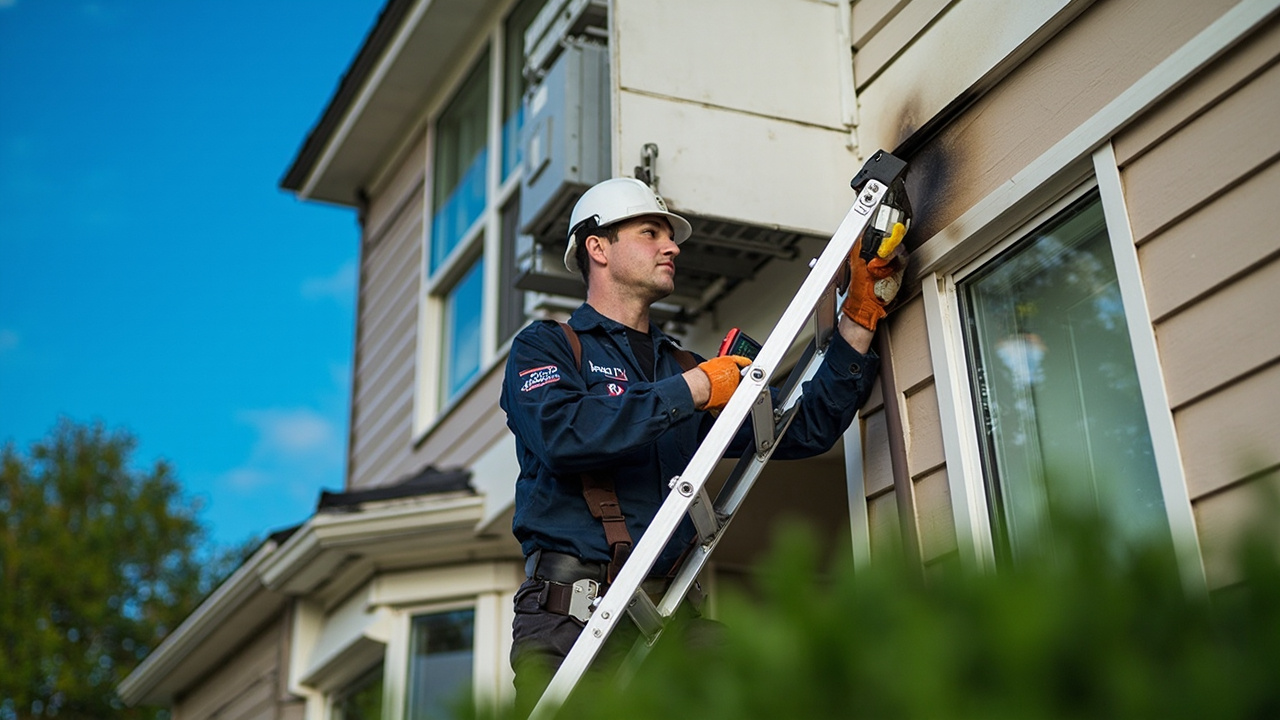
We do not just reset your breakers and call it done. A professional lightning damage check follows a methodical path from the service entrance to every branch circuit in your building. We start at the weatherhead and meter base, looking for evidence of flashover, melted lugs, or compromised neutral connections. Lightning does not always follow the path you expect. It jumps gaps, back-feeds through grounding electrodes, and can exit through plumbing or HVAC refrigerant lines.

Inside the main panel, we pull suspect breakers and inspect the bus bars for pitting or discoloration. We test each breaker under load to confirm it still trips at the rated amperage. A breaker that got hit by a surge may stay closed during a short circuit, which turns your electrical system into a fire hazard. We use a megohmmeter to test insulation resistance on feeder circuits and branch circuits. If insulation resistance drops below threshold, that cable is compromised and needs replacement before it arcs.

We also inspect your surge protection devices. If you had a whole-house surge protector, it likely sacrificed itself to save your panel. We verify the MOV status and replace it if needed. Then we move downstream to subpanels, disconnect switches, and HVAC equipment. Compressor contactors and control boards are especially vulnerable to lightning-induced transients. We test continuity, measure voltage under load, and check for phantom voltage that indicates a floating neutral or compromised grounding.

The goal is not just to document damage for your insurance claim. The goal is to find every hidden fault before it fails and to restore your electrical system to a safe operating condition. That takes training, diagnostic tools, and experience with how lightning behaves in Houston's electrical infrastructure.

What Happens During Your Emergency Inspection

Emergency Lightning Strike Inspection in Houston – Same-Day Response When Every Minute Counts
01

Immediate Safety Assessment

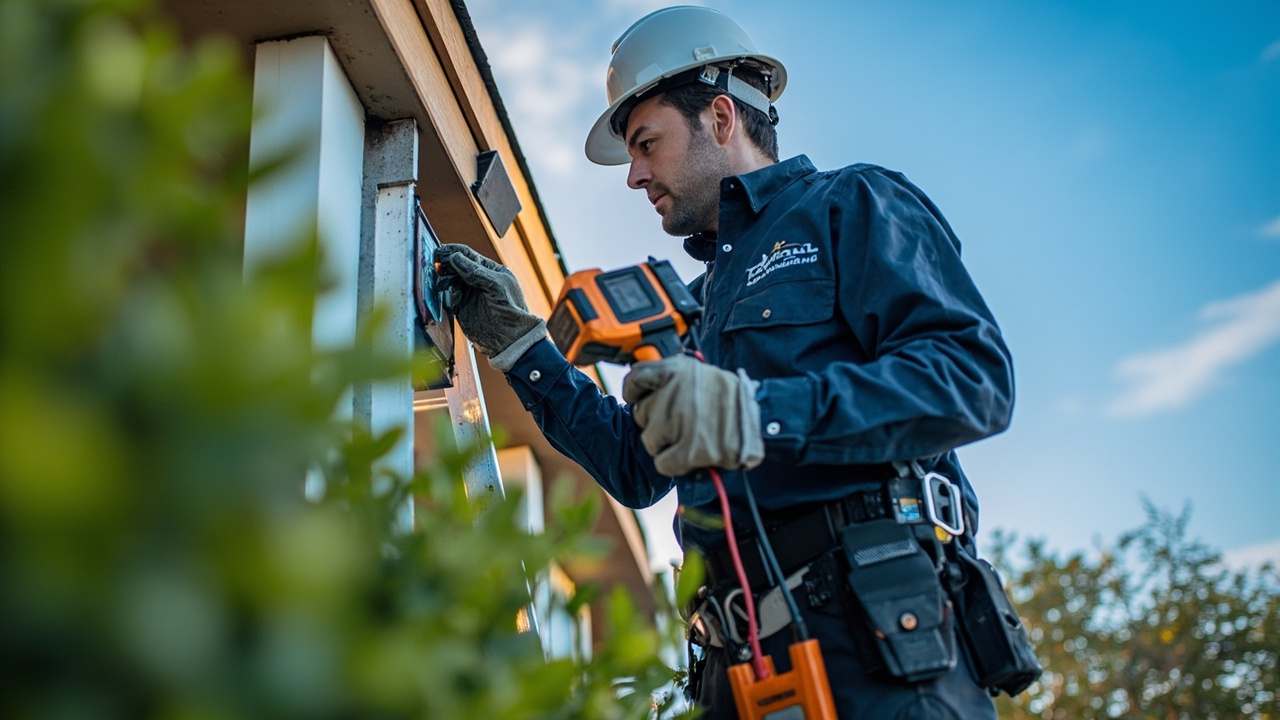
We arrive with thermal imaging cameras and voltage testers to identify active hazards. Our first priority is making sure your home is safe to occupy. We check for hot spots in the panel, measure voltage on all legs, and verify your grounding system is intact. If we find an immediate danger like a smoldering connection or exposed conductors, we secure it before moving forward.
02

Systematic Component Testing

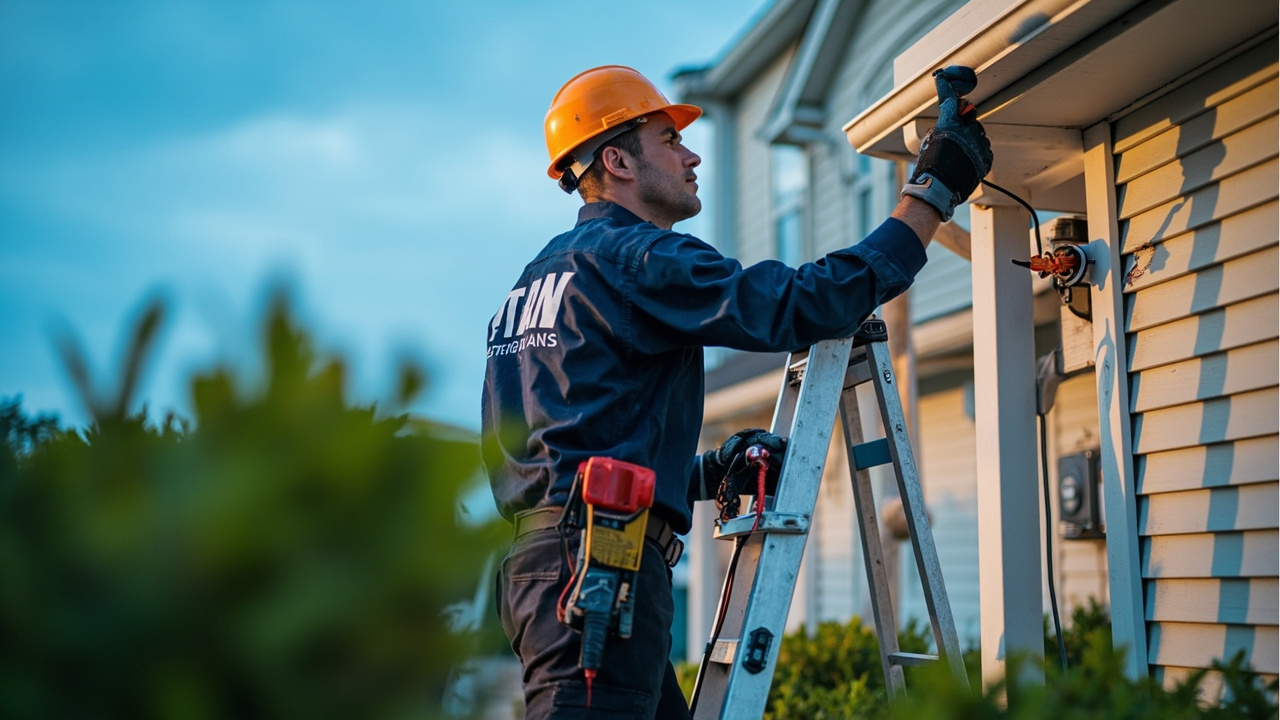
We test every breaker, inspect all visible wiring for thermal damage, and measure insulation resistance on critical circuits. We remove cover plates to inspect outlets and switches for arcing damage. We test GFCI and AFCI devices to confirm they still provide protection. We document everything with photos and test results so your insurance adjuster has the evidence they need.
03

Detailed Damage Report

You receive a written report that lists every damaged component, every recommended repair, and the urgency level of each item. We categorize findings as immediate hazards, necessary repairs, and preventive upgrades. This report is formatted for insurance submissions and includes material lists and labor estimates. You get clarity, documentation, and a clear path forward to restore safe electrical service.

Why Houston Property Owners Trust Titan Electricians Houston After Lightning Strikes

When lightning hits, you do not have time to interview three contractors and wait for quotes. You need someone who answers the phone, shows up when they say they will, and knows what to look for. Titan Electricians Houston has been handling emergency lightning impact surveys across Harris County, Fort Bend County, and Montgomery County for years. We understand how Houston's clay soil affects grounding electrode performance. We know that older homes in Montrose and the Heights often lack proper bonding between the electrical system and the gas piping, which creates a dangerous path for surge energy.

We also understand the insurance game. Adjusters will lowball you if your documentation is weak. They will claim the damage was pre-existing or that you do not need to replace the entire panel when only two breakers look burned. Our reports are detailed, technical, and defensible. We have worked with every major carrier operating in Houston, and we know what evidence they require to approve a claim. That experience saves you thousands of dollars in out-of-pocket costs.

Beyond documentation, we focus on making your property safer than it was before the strike. If your grounding system is inadequate, we will tell you. If your panel is undersized or your surge protection is nonexistent, we will explain why that matters. We do not upsell, but we also do not ignore problems that will cost you more later. Houston's electrical code has evolved significantly in the past decade, and many older homes do not meet current standards for lightning protection or surge suppression.

You also get speed. We dispatch same-day for emergency calls. Our trucks carry diagnostic equipment, replacement breakers, and the most common repair materials so we can start fixing issues immediately after the assessment if you choose to move forward. We do not make you wait three days for parts or schedule a second trip for a simple repair.

What You Can Expect From Our Lightning Inspection Service

Same-Day Emergency Dispatch

We answer emergency calls 24 hours a day, seven days a week. If a storm rolls through at midnight and you see a flash near your home, you do not have to wait until morning. We dispatch a licensed electrician to your location within two hours for critical situations. Our trucks are staged across the Houston metro area, so response time is measured in minutes, not days. We understand that lightning damage gets worse with time. Carbonized connections continue to arc. Damaged insulation breaks down further. Waiting until Monday is not an option when your electrical system has been compromised.

Comprehensive Diagnostic Testing

Our lightning hit verification process uses thermal imaging, insulation resistance testing, and load testing to find damage that is not visible. We do not just look at the breaker panel. We trace circuits through the attic and crawl space. We inspect the service entrance conductors inside the meter base. We test voltage at every major appliance and HVAC unit. We check your grounding electrode system to make sure it is still providing a low-impedance path to earth. This level of testing takes time, but it finds the hidden faults that cause fires weeks after the storm passes.

Insurance-Ready Documentation

You receive a detailed written report with photographs, test measurements, and a component-by-component damage assessment. We list every failed breaker, every compromised cable, and every damaged device. We include material and labor estimates for each repair. This report is formatted for submission to your insurance carrier and meets the documentation standards required by most adjusters. We have helped hundreds of Houston homeowners navigate the claims process, and we can walk you through what your policy covers and what it does not.

Follow-Up Surge Protection

After we complete the initial lightning damage assessment and repair the immediate hazards, we offer whole-house surge protection installation to prevent future damage. Houston gets too many thunderstorms to leave your electrical system unprotected. A quality surge protector at the meter base, combined with point-of-use protection at sensitive equipment, gives you layered defense against the next strike. We install Type 1 and Type 2 surge protective devices that meet NEC standards and provide indicator lights so you know when they have absorbed a hit and need replacement.

Frequently Asked Questions

You Have Questions,
We Have Answers

What is the 30/30 rule for lightning strikes? +

The 30/30 rule helps you stay safe during Houston's frequent thunderstorms. When you see lightning, count the seconds until you hear thunder. If it's 30 seconds or less, the storm is within six miles. Seek shelter immediately. Stay inside for 30 minutes after the last thunder clap. Houston storms move fast and pack intense electrical activity. Lightning can strike up to 10 miles from rainfall, so don't wait until you're soaked. If you're caught outside, avoid trees, metal fences, and open fields. Get to a hard-topped vehicle or substantial building right away.

What to check after a house is struck by lightning? +

After a lightning strike, turn off your main breaker before inspecting anything. Check your electrical panel for burn marks, tripped breakers, or a burnt smell. Test outlets with a voltage tester before plugging devices back in. Inspect your roof for entry points, missing shingles, or charred wood. Look for water intrusion in your attic. Check all electronics, HVAC systems, and appliances, even if they seem fine. Houston's humidity can worsen hidden electrical damage. Call a licensed electrician for a complete inspection. Lightning surges travel through wiring and can cause delayed failures days later.

How often should lightning protection be inspected? +

Inspect lightning protection systems annually before Houston's peak storm season, which runs May through October. The Gulf Coast sees more lightning strikes per square mile than most U.S. regions. Check all air terminals, down conductors, and grounding connections for corrosion or loose hardware. After any direct strike, schedule an immediate inspection regardless of your last checkup. Houston's high humidity accelerates metal deterioration. If you have added rooftop equipment like solar panels or HVAC units, you need a system evaluation. Annual inspections catch small issues before they compromise your protection during the next severe weather event.

How do you prove your house was struck by lightning? +

Document everything immediately. Take photos of visible damage to your roof, siding, electrical panel, and burned-out electronics. Look for a lightning entry point, which often shows as splintered wood, blown-off shingles, or scorch marks. Check your neighbors' Ring cameras or security footage for the actual strike. Get a licensed electrician to document electrical system damage with detailed photos and a written report. Request utility records showing power surges at the time of the storm. File your insurance claim within 24 hours. In Houston, summer storms cluster together, so act fast before the next weather system arrives and complicates your claim.

What is OSHA's rule on lightning? +

OSHA requires employers to stop outdoor work when lightning is within six miles. This follows the 30/30 rule. Workers must evacuate to substantial buildings or fully enclosed metal vehicles. Sheds, picnic shelters, and covered porches don't count. Work cannot resume until 30 minutes after the last thunder. In Houston, construction sites must have designated weather monitors during storm season. OSHA doesn't mandate lightning detection equipment but recommends it for high-risk worksites. Employers face citations if workers are exposed to lightning hazards. Commercial sites in Houston should have written lightning safety protocols given our 70-plus thunderstorm days per year.

Can I flush the toilet during a thunderstorm? +

Yes, you can flush during a thunderstorm, but older Houston homes with metal pipes carry some risk. Lightning can travel through plumbing if it strikes your house. Modern PVC plumbing is safer. The bigger danger is using showers or baths during active lightning. Standing water makes you a better conductor. If you hear close thunder, finish up and get out. Don't wash dishes or do laundry until the storm passes. Unplug electronics near water sources. Many older homes in Houston Heights and Montrose still have metal supply lines that can conduct electricity. Wait 30 minutes after the last thunder before resuming water-heavy activities.

Does insurance cover a house struck by lightning? +

Most homeowners insurance policies cover lightning damage to your structure and belongings. This includes fried electronics, HVAC systems, and appliances. Houston insurers process thousands of lightning claims during storm season. Your policy typically covers repair costs minus your deductible. Surge damage to electronics may have sublimits, often around $1,500 unless you bought additional coverage. Document everything with photos before making temporary repairs to prevent further damage. File your claim immediately. Power surges can cause delayed failures, so mention all electronics that were plugged in during the strike. Keep all damaged items until the adjuster inspects them.

What do you smell before lightning strikes? +

You might smell ozone, which has a sharp, chlorine-like odor, right before or after a lightning strike. Ozone forms when lightning splits oxygen molecules in the air. Some people describe it as a clean or metallic smell. You might also smell burning wood, plastic, or electrical insulation if lightning hit your house or a nearby structure. In Houston's humid air, these smells linger longer than in dry climates. If you smell burning inside your home after a storm, shut off your main breaker and call an electrician immediately. Don't ignore strange odors, they signal active electrical damage.

Can lightning go through a window without breaking it? +

Yes, lightning can enter through windows without breaking them, though it's rare. Glass is a poor conductor, but lightning follows the path of least resistance. It can jump through the air gap around window frames or travel along wet window surfaces during heavy rain. In Houston's intense storms, lightning more commonly damages window frames, shatters nearby objects, or causes shock waves that crack glass. Stay away from windows during close lightning. The real danger is side flash, where electricity jumps from struck objects to you. Close blinds or curtains and move to interior rooms during severe thunderstorms.

Who certifies a lightning protection system? +

The Lightning Protection Institute (LPI) certifies installers and inspectors through its Master Installer/Inspector Program. UL also certifies systems that meet Standard 96A requirements. In Texas, lightning protection work falls under electrical licensing requirements. Look for contractors with both LPI certification and a Texas electrical license. After installation, get a UL Master Label certificate, which proves your system meets national safety standards. Houston's high strike risk means you want certified professionals who understand Gulf Coast weather patterns. Annual inspections should be performed by LPI-certified inspectors who can spot corrosion and connection failures common in our humid climate.

Why Houston's Gulf Coast Location Makes Lightning Inspections Critical

Houston sits in the convergence zone where Gulf moisture meets daytime heating, creating the perfect conditions for severe thunderstorms. Between April and October, afternoon storms develop almost daily. These storms produce intense lightning activity, with cloud-to-ground strikes hitting structures across the metro area every single day. The flat terrain means lightning does not preferentially hit higher ground. It hits homes, commercial buildings, and communication towers with equal frequency. The high humidity also increases the conductivity of the soil and structures, which can make surge damage more extensive than in drier climates. A lightning strike in Houston often damages more circuits and more equipment than the same strike would in a less humid environment.

Houston's electrical code, enforced by the city's permitting and inspection departments, requires proper grounding and bonding for all new construction. But thousands of older homes in neighborhoods like River Oaks, West University, and Bellaire were built before these standards existed. If your home was built before 1990, your grounding system may not provide adequate protection against lightning surges. Local electricians who understand Houston's building history and code evolution can identify these deficiencies during a post-lightning evaluation and recommend upgrades that bring your system into compliance while improving safety and insurance eligibility.

Electrical Services in The Houston Area

Looking for reliable electricians near you? Titan Electricians Houston proudly serves homeowners and businesses across the greater Houston area with expert electrical repairs, panel upgrades, lighting installations, wiring services, and 24/7 emergency support. From The Woodlands to Pearland, our licensed electricians are ready to deliver safe, efficient, and code-compliant solutions. Use the map below to explore our service coverage and find fast, trusted electrical help in your neighborhood.

Address:
TitanElectriciansHouston, 2500 Summer St, Houston, TX, 77007

Additional Services We Offer

Our news updates

Latest Articles & News from The Blogs

Lorem ipsum dolor sit amet. Aut expedita quaerat quo eligendi numquam et laudantium perspiciatis qui minima expedita rem consequatur ducimus.…

Test Blog 4

Lorem ipsum dolor sit amet. Aut expedita quaerat quo eligendi numquam et laudantium perspiciatis qui minima expedita rem consequatur ducimus.…

Test Blog 3

Lorem ipsum dolor sit amet. Aut expedita quaerat quo eligendi numquam et laudantium perspiciatis qui minima expedita rem consequatur ducimus.…

Test Blog 2

Lorem ipsum dolor sit amet. Aut expedita quaerat quo eligendi numquam et laudantium perspiciatis qui minima expedita rem consequatur ducimus.…

Contact Us

Do not wait for the next failure. Call Titan Electricians Houston at (281) 552-7811 right now. We dispatch same-day for lightning emergencies, and we will have answers before the sun goes down. Your safety is not something you gamble with.