
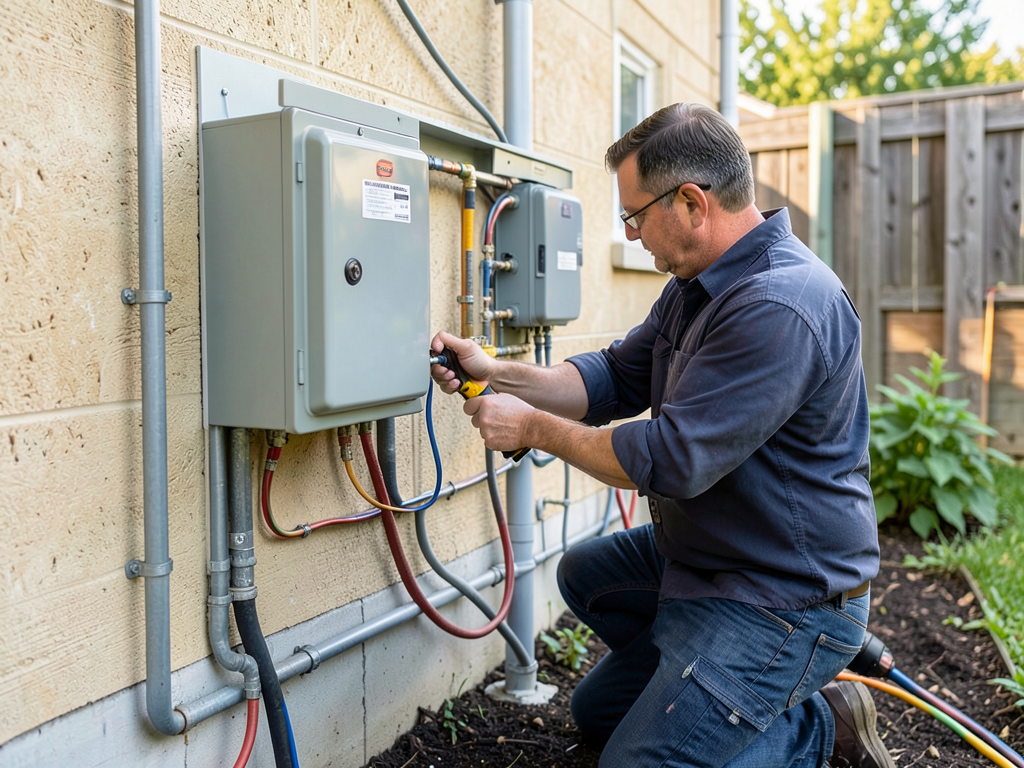
Running electricity to a detached workshop or backyard studio in Magnolia Park requires careful planning and strict adherence to Houston’s building codes. The humid climate and clay-heavy soil create unique challenges that can affect everything from trenching depth to conduit selection. Before you start any work, understanding these local factors will save you time, money, and potential code violations. City of Houston Electrical Permits.
Understanding Houston’s Electrical Requirements
Houston’s electrical code follows the National Electrical Code but includes specific amendments for our climate. The City of Houston requires a permit for any new electrical service to a detached structure, even if you’re only adding a small workshop. This means you’ll need to work with a licensed master electrician who can pull permits and ensure all work meets local standards. The Top Rated Licensed Electricians Serving the River Oaks Area.
The most critical factor is determining your power needs upfront. A basic workshop might only need 20-30 amps for lighting and basic tools, while a climate-controlled studio with HVAC could require 50-100 amps. Underestimating your load can lead to overloaded circuits and potential fire hazards down the road.. Read more about Why low voltage lighting is the smartest choice for your Briargrove landscaping.
Planning Your Electrical Service
Distance from your main house to the detached structure significantly impacts your project. Every foot of trenching adds labor and material costs, and Houston’s clay soil makes digging more challenging than in sandy areas. The ground here can be rocky and compacted, often requiring specialized equipment for deeper trenches. Electrical Houston.
You’ll need to decide between running overhead service or underground. While overhead lines might seem cheaper initially, Houston’s hurricane season and frequent storms make underground service the safer long-term choice. Underground runs require proper conduit and burial depth to protect against soil movement and moisture. Protect Your Tech With Professional Whole House Surge Protection in Cypress.
Permit Process in Magnolia Park
The City of Houston Electrical Inspection Division handles permits for detached structures. You’ll need to submit detailed plans showing your proposed electrical layout, including all circuits, panel locations, and load calculations. The permit process typically takes 1-2 weeks, though this can vary based on current workloads at the permitting center.. Read more about Why a dedicated pool sub panel is a must for your new backyard oasis in Friendswood.
Key permit requirements include:
- Site plan showing structure location and distance from property lines
- Electrical load calculations for all planned equipment
- Panel schedule showing circuit breakers and their purposes
- Grounding plan for the detached structure
Working with an electrician familiar with Magnolia Park’s specific zoning can help navigate any neighborhood association requirements that might affect your installation.
Trenching and Conduit Requirements
Houston requires specific burial depths for underground electrical runs. For standard residential circuits, you’ll need 18 inches of cover in your yard. However, areas that might see vehicle traffic or heavy equipment require 24 inches of cover.. Read more about Running electrical to a new second story addition in the Second Ward.
The clay soil in Magnolia Park presents unique challenges. This expansive soil can shift with moisture changes, potentially damaging shallow conduit runs. Using Schedule 80 PVC conduit provides better protection than Schedule 40, though it costs more. The extra durability is worth it for Houston’s soil conditions.
Proper backfilling is crucial. Using sand or fine gravel around the conduit helps with drainage and prevents sharp rocks from damaging the insulation. Never backfill with the same clay soil you removed – it will settle and potentially expose your conduit.
Panel Selection and Installation
Most detached structures in Magnolia Park use a sub-panel rather than running all circuits back to the main house. This approach offers several advantages: it reduces voltage drop over long distances, provides easier circuit management, and allows you to shut off power to the entire structure quickly.
For a typical workshop, a 100-amp sub-panel provides plenty of capacity. If you’re planning heavy-duty equipment or extensive climate control, you might need 150-200 amps. The panel should be mounted at least 18 inches above grade to protect against potential flooding – a real concern in Houston’s low-lying areas.
Grounding requirements are more complex for detached structures. You’ll need a separate grounding electrode system, typically a ground rod driven at least 8 feet into the earth. This grounding must be bonded back to the main panel’s grounding system.
Climate Considerations
Houston’s humidity creates specific electrical challenges. Moisture can infiltrate outdoor panels and conduit, leading to corrosion and potential short circuits. All outdoor-rated equipment must be specifically rated for wet locations, and you should consider using silicone sealant around all penetrations. How to Plan Your Outdoor Landscape Lighting in The Woodlands Without Overspending.
Heat is another factor. The intense summer temperatures can affect wire ampacity ratings. When sizing conductors, you may need to use larger wire than standard tables suggest to account for the elevated ambient temperatures common in Houston.
Lightning protection deserves special attention. Houston experiences frequent thunderstorms, and a detached structure is particularly vulnerable. Proper grounding and surge protection at both the main and sub-panels can prevent damage from nearby strikes.
Specific Circuit Requirements
Your workshop or studio will need several dedicated circuits. General lighting typically runs on 15-amp circuits, while receptacles for tools and equipment often use 20-amp circuits. Any outdoor receptacles must have GFCI protection, and if your structure has a bathroom or kitchen area, additional GFCI circuits will be required.
For climate control, mini-split HVAC systems are popular in backyard studios. These typically require a dedicated 220-volt circuit, often 15-30 amps depending on the unit size. The wiring must be sized to handle the starting surge these units draw when compressors kick on.. Read more about Upgrading to Cat6 data wiring for a faster home office in the Energy Corridor.
Special consideration goes to any high-draw equipment like welders, air compressors, or large power tools. These often need their own dedicated circuits with appropriate amperage breakers to prevent tripping and ensure safe operation.
Cost Factors to Consider
Several factors affect the total cost of powering your detached structure. Distance from the main house is the biggest variable – longer runs mean more trenching, more conduit, and larger wire sizes to prevent voltage drop.
Soil conditions in Magnolia Park can increase excavation costs. The clay soil often requires more labor to dig proper trenches, and if you hit any unexpected rock or debris, costs can rise quickly. Having a soil test done before finalizing your budget can prevent surprises.
Panel capacity at your main house might require an upgrade if your existing panel is near capacity. This can add significant cost but is essential for safety. An electrician can perform a load calculation to determine if your main panel needs upgrading before adding the new sub-panel.
Timeline Expectations
A typical backyard studio electrical installation in Magnolia Park takes 2-4 weeks from start to finish. This includes permit acquisition (1-2 weeks), installation work (2-5 days depending on complexity), and required inspections (1-2 additional days).
Weather can impact timelines significantly. Houston’s rainy season can delay trenching work, and extreme heat might require work to be done during cooler hours for worker safety. Building in some buffer time helps manage expectations.
Inspection scheduling is another factor. The City of Houston requires rough-in and final inspections. If any issues are found during inspection, you’ll need to schedule a re-inspection, which can add days or weeks to your project.
Safety Considerations
Working with electricity always carries risks, but detached structures present unique hazards. The separation from your main house means you need redundant safety systems. Every circuit should have proper overcurrent protection, and all outdoor areas need GFCI protection to prevent shock hazards.
Proper labeling is essential. Your sub-panel should clearly identify each circuit’s purpose, and you should maintain a written record of all circuits and their locations. This documentation helps with future troubleshooting and is required for code compliance.
Smoke and carbon monoxide detectors might be required depending on your structure’s intended use. If you’re planning to sleep in the space or use fuel-burning equipment, these safety devices become mandatory and must be properly wired into your electrical system.
Utility Coordination
Before starting any trenching, you must contact Texas811 to locate underground utilities. This free service marks gas lines, water pipes, and other buried services to prevent accidental damage. In Magnolia Park, where utilities might be older, this step is especially critical. Texas811 Utility Location Service.
If your main electrical service is older or near capacity, you might need to coordinate with CenterPoint Energy for a service upgrade. This coordination ensures your new load won’t overload the transformer serving your home, which could affect your neighbors’ power as well.
Some properties in Magnolia Park might be in flood-prone areas. If your structure sits in a designated flood zone, you’ll need to elevate all electrical equipment above the Base Flood Elevation level, adding complexity and cost to your project.
Maintenance and Longevity
Once installed, your electrical system needs regular maintenance. Houston’s climate means checking outdoor connections annually for corrosion, ensuring all covers remain watertight, and testing GFCI devices monthly. These simple checks can prevent major problems.
The clay soil in Magnolia Park can cause conduit to shift over time. Every few years, inspect visible conduit runs for signs of movement or damage. Early detection of issues like cracked conduit or exposed wiring can prevent more serious problems.
Surge protection should be considered an ongoing investment. Houston’s frequent lightning means surge protectors will eventually fail and need replacement. Including surge protection in your initial installation, with accessible points for future upgrades, protects your investment long-term.
Common Mistakes to Avoid
Many DIY attempts at backyard studio electrical work fail inspection due to common oversights. Using indoor-rated equipment outdoors, inadequate burial depth, and missing GFCI protection are frequent violations that require costly corrections.
Underestimating load requirements is another common error. Adding up the wattage of all planned equipment often reveals the need for a larger service than initially anticipated. Planning for future expansion by installing slightly oversized conduit can save major headaches later.
Skipping the permit process might seem like a time-saver but creates significant risks. Unpermitted work can cause insurance issues if problems arise, and unpermitted electrical work must be corrected before selling your home. The permit process exists to ensure safety and code compliance.
Making the Right Choice
Deciding between DIY and professional installation depends on your electrical experience and project complexity. Simple lighting circuits might be within a skilled homeowner’s capabilities, but any new service installation should be handled by a licensed professional to ensure safety and code compliance.
The cost difference between DIY and professional installation often shrinks when you factor in tools, materials, permit acquisition, and the value of your time. Professional electricians also bring expertise in local code requirements and can often complete the work more quickly and correctly.
Consider your long-term plans for the space. If you’re creating a home office, art studio, or workshop that will see regular use, investing in proper professional installation ensures reliable power for years to come. Finding a Reliable Electrician for Your Sugar Land Kitchen Remodel.
Getting Started
The first step in powering your Magnolia Park workshop or studio is a professional assessment. An experienced electrician can evaluate your main panel capacity, measure distances, and help you understand the full scope of your project including permits, materials, and timeline.
Before meeting with an electrician, gather information about your planned use for the space. Knowing what equipment you’ll install, your climate control needs, and any special requirements helps the electrician provide accurate recommendations and estimates.
Remember that proper electrical installation adds value to your property. A well-planned and professionally installed electrical system for your detached structure not only serves your immediate needs but also enhances your property’s functionality and appeal.
Frequently Asked Questions
How much does it cost to run electricity to a backyard studio in Magnolia Park?
Costs typically range from $2,500 to $8,000 depending on distance from main house, required amperage, and soil conditions. Most projects fall in the $4,000-$6,000 range for a standard 100-amp sub-panel installation.
Do I need a permit to add electrical service to my detached workshop?
Yes, the City of Houston requires a permit for any new electrical service to a detached structure. This includes workshops, studios, and even small sheds with electrical outlets. Only a licensed master electrician can pull these permits.
How deep should the trench be for underground electrical wiring?
Houston requires 18 inches of cover for standard residential circuits. Areas that might see vehicle traffic require 24 inches. Always use proper conduit and never direct bury residential wiring.
Can I run both electricity and internet cable in the same trench?
No, electrical and low-voltage cables must be separated by at least 12 inches of soil. You can run them in the same trench if they’re in separate conduits, but never allow them to touch.
How long does the electrical inspection process take?
Initial inspections typically take 1-2 days to schedule. If corrections are needed, re-inspections add 1-2 more days. The entire inspection process usually completes within 1-2 weeks of installation.
{
“@context”: “https://schema.org”,
“@type”: “BlogPosting”,
“headline”: “Getting power to your Magnolia Park workshop or backyard studio”,
“description”: “Complete guide to powering your Magnolia Park backyard studio with proper permits, trenching, and Houston-specific electrical code compliance.”,
“wordCount”: 2127,
“datePublished”: “2026-04-19T11:59:00.000Z”,
“dateModified”: “2026-04-19T11:59:00.000Z”,
“inLanguage”: “en-US”,
“mainEntityOfPage”: {
“@type”: “WebPage”,
“@id”: “https://titanelectricianshouston.com”
},
“publisher”: {
“@type”: “LocalBusiness”,
“name”: “Titan Electricians Houston”,
“url”: “https://titanelectricianshouston.com”
},
“author”: {
“@type”: “Organization”,
“name”: “Titan Electricians Houston”,
“url”: “https://titanelectricianshouston.com”
},
“image”: {
“@type”: “ImageObject”,
“url”: “https://titanelectricianshouston.com/wp-content/uploads/2026/03/getting-power-to-your-magnolia-park-workshop-or-ba-1.png”
}
}
{
“@context”: “https://schema.org”,
“@type”: “Electrician”,
“name”: “Titan Electricians Houston”,
“url”: “https://titanelectricianshouston.com”,
“address”: {
“@type”: “PostalAddress”,
“addressLocality”: “Houston”
},
“areaServed”: {
“@type”: “City”,
“name”: “Houston”
}
}
{
“@context”: “https://schema.org”,
“@type”: “FAQPage”,
“mainEntity”: [
{
“@type”: “Question”,
“name”: “How much does it cost to run electricity to a backyard studio in Magnolia Park?”,
“acceptedAnswer”: {
“@type”: “Answer”,
“text”: “Costs typically range from $2,500 to $8,000 depending on distance from main house, required amperage, and soil conditions. Most projects fall in the $4,000-$6,000 range for a standard 100-amp sub-panel installation.”
}
},
{
“@type”: “Question”,
“name”: “Do I need a permit to add electrical service to my detached workshop?”,
“acceptedAnswer”: {
“@type”: “Answer”,
“text”: “Yes, the City of Houston requires a permit for any new electrical service to a detached structure. This includes workshops, studios, and even small sheds with electrical outlets. Only a licensed master electrician can pull these permits.”
}
},
{
“@type”: “Question”,
“name”: “How deep should the trench be for underground electrical wiring?”,
“acceptedAnswer”: {
“@type”: “Answer”,
“text”: “Houston requires 18 inches of cover for standard residential circuits. Areas that might see vehicle traffic require 24 inches. Always use proper conduit and never direct bury residential wiring.”
}
},
{
“@type”: “Question”,
“name”: “Can I run both electricity and internet cable in the same trench?”,
“acceptedAnswer”: {
“@type”: “Answer”,
“text”: “No, electrical and low-voltage cables must be separated by at least 12 inches of soil. You can run them in the same trench if they’re in separate conduits, but never allow them to touch.”
}
},
{
“@type”: “Question”,
“name”: “How long does the electrical inspection process take?”,
“acceptedAnswer”: {
“@type”: “Answer”,
“text”: “Initial inspections typically take 1-2 days to schedule. If corrections are needed, re-inspections add 1-2 more days. The entire inspection process usually completes within 1-2 weeks of installation.”
}
}
]
}
{
“@context”: “https://schema.org”,
“@type”: “BreadcrumbList”,
“itemListElement”: [
{
“@type”: “ListItem”,
“position”: 1,
“name”: “Home”,
“item”: “https://titanelectricianshouston.com”
},
{
“@type”: “ListItem”,
“position”: 2,
“name”: “Blog”,
“item”: “https://titanelectricianshouston.com/blog”
},
{
“@type”: “ListItem”,
“position”: 3,
“name”: “Getting power to your Magnolia Park workshop or backyard studio”
}
]
}
{
“@context”: “https://schema.org”,
“@type”: “Service”,
“serviceType”: “Electricians”,
“provider”: {
“@type”: “LocalBusiness”,
“name”: “Titan Electricians Houston”,
“url”: “https://titanelectricianshouston.com”
},
“areaServed”: {
“@type”: “City”,
“name”: “Houston”
},
“description”: “Complete guide to powering your Magnolia Park backyard studio with proper permits, trenching, and Houston-specific electrical code compliance.”
}