
Five Electrical Red Flags to Look for Before Buying an Older House in the Third Ward
Buying a home in Houston’s Third Ward means navigating a unique blend of historic charm and aging infrastructure. The neighborhood’s century-old homes carry character but also hidden electrical hazards that could cost thousands in repairs or pose serious safety risks. Understanding these red flags before you sign a purchase agreement could save you from a dangerous electrical system and unexpected expenses. Electrical Houston.
Houston’s humid climate accelerates corrosion in electrical components while the Third Ward’s historic homes often contain outdated wiring that struggles with modern power demands. These factors combine to create specific electrical challenges that differ from newer suburban developments. A thorough electrical inspection by a licensed professional becomes essential when considering these properties. The Top Rated Licensed Electricians Serving the River Oaks Area.
Federal Pacific or Zinsco Electrical Panels
Federal Pacific Stab-Lok and Zinsco panels represent two of the most dangerous electrical components still found in older Houston homes. These panels were manufactured during the 1950s through 1980s and have a documented history of failing to trip during overloads. When these panels malfunction, circuits can overheat and potentially cause electrical fires. Federal Pacific Stab-Lok Panel Safety Information.
The Third Ward’s housing stock includes many homes built during the peak manufacturing period of these panels. You can identify a Federal Pacific panel by its distinctive red-orange or brown color with the name printed on the front. Zinsco panels typically feature bright colors like blue, green, or orange with a horizontal breaker arrangement.. Read more about Why Your Microwave Only Trips the Breaker When You Use the Toaster in Alief.
Replacing these panels costs between $1,500 and $3,000 but provides crucial safety improvements. The replacement process involves removing the old panel, upgrading the main service, and installing a modern circuit breaker system that meets current National Electrical Code requirements. Many insurance companies refuse coverage for homes with these panels or charge significantly higher premiums. National Fire Protection Association Electrical Standards.
Aluminum Wiring From the 1960s and 1970s
During the 1960s and 1970s, copper shortages drove builders to use aluminum wiring as a cost-effective alternative. This wiring appears in many Third Ward homes from that era and presents unique hazards. Aluminum expands and contracts more than copper when electricity flows through it, causing connections to loosen over time.
The Houston humidity accelerates oxidation on aluminum wiring, creating additional resistance at connection points. This resistance generates heat, which can lead to melting insulation and potential fire hazards. Common signs include warm switch plates, flickering lights, or a burning smell near outlets.
Professional remediation options include complete rewiring with copper or installing specialized connectors like AlumiConn devices at each junction. The connectors create a copper-to-aluminum transition that prevents the oxidation issues. Complete rewiring costs $8,000 to $15,000 for an average home while connector installation runs $3,000 to $6,000. Protect Your Tech With Professional Whole House Surge Protection in Cypress.
GFCI and AFCI Protection Deficiencies
Ground Fault Circuit Interrupter (GFCI) and Arc Fault Circuit Interrupter (AFCI) protection requirements have evolved significantly since the 1970s. Modern National Electrical Code mandates these safety devices in specific locations throughout homes. Many Third Ward properties lack these critical safety features entirely.
GFCI protection prevents electrocution in wet areas like kitchens, bathrooms, and outdoor spaces. AFCI protection detects dangerous arcing conditions that could indicate damaged wiring or loose connections. Both devices have saved countless lives since their introduction. How to Plan Your Outdoor Landscape Lighting in The Woodlands Without Overspending.
Installing GFCI outlets costs $120 to $200 each while AFCI breakers run $200 to $300 per circuit. A complete safety upgrade for an older home typically costs $1,500 to $3,000. Beyond the cost, these upgrades provide peace of mind and may be required by insurance companies or during home sales.
Knob and Tube or Cloth-Insulated Wiring
Knob and tube wiring represents the earliest standardized electrical system in American homes, commonly installed from the 1880s through the 1930s. This wiring lacks a ground conductor and uses porcelain knobs and tubes to support and protect the wires. Many Third Ward historic homes still contain portions of this original wiring.
Cloth-insulated wiring, popular from the 1930s through the 1950s, uses fabric covering that becomes brittle over time. Houston’s humidity accelerates this deterioration, exposing bare wires and creating shock and fire hazards. This wiring cannot safely handle the electrical loads of modern appliances and electronics.
Both wiring types share critical limitations: no grounding capability, inability to support three-prong devices, and insufficient capacity for today’s electrical demands. Replacement costs range from $6,000 to $12,000 depending on home size and accessibility. Insurance companies often require complete removal of knob and tube wiring before providing coverage.
Double-Tapped Breakers and Overloaded Circuits
Double-tapped breakers occur when two wires connect to a single circuit breaker designed for only one wire. This DIY modification appears frequently in older homes where previous owners added electrical loads without proper planning. The Houston heat compounds this problem by increasing resistance in poor connections.
Signs of overloaded circuits include frequently tripped breakers, warm electrical panels, or dimming lights when appliances start. Modern homes require dedicated circuits for major appliances, home offices, and entertainment systems. Many Third Ward homes were designed for much lighter electrical loads.
Professional evaluation reveals whether your potential home has adequate electrical service. Most modern homes need 150 to 200 amp service while many older homes have only 60 to 100 amp service. Upgrading electrical service costs $2,000 to $5,000 but ensures your home can safely power all your devices and appliances.
Third Ward-Specific Electrical Challenges
The Third Ward’s unique characteristics create specific electrical concerns beyond standard aging infrastructure. Many homes sit on Houston’s expansive clay soil, which shifts during wet and dry cycles. This movement can stress electrical connections, especially where wiring enters the home through foundation walls.
Historic preservation requirements in some Third Ward areas may limit visible electrical upgrades. This constraint means finding creative solutions that maintain the home’s character while improving safety. Licensed electricians familiar with historic districts understand these limitations and can suggest appropriate alternatives. Finding a Reliable Electrician for Your Sugar Land Kitchen Remodel.
Recent flooding events in Houston have affected many Third Ward properties. Water exposure can severely damage electrical systems even after remediation. Look for water line marks on electrical panels, rust on service entrance components, or signs of hurried repairs that might mask deeper electrical damage.
Professional Inspection Process
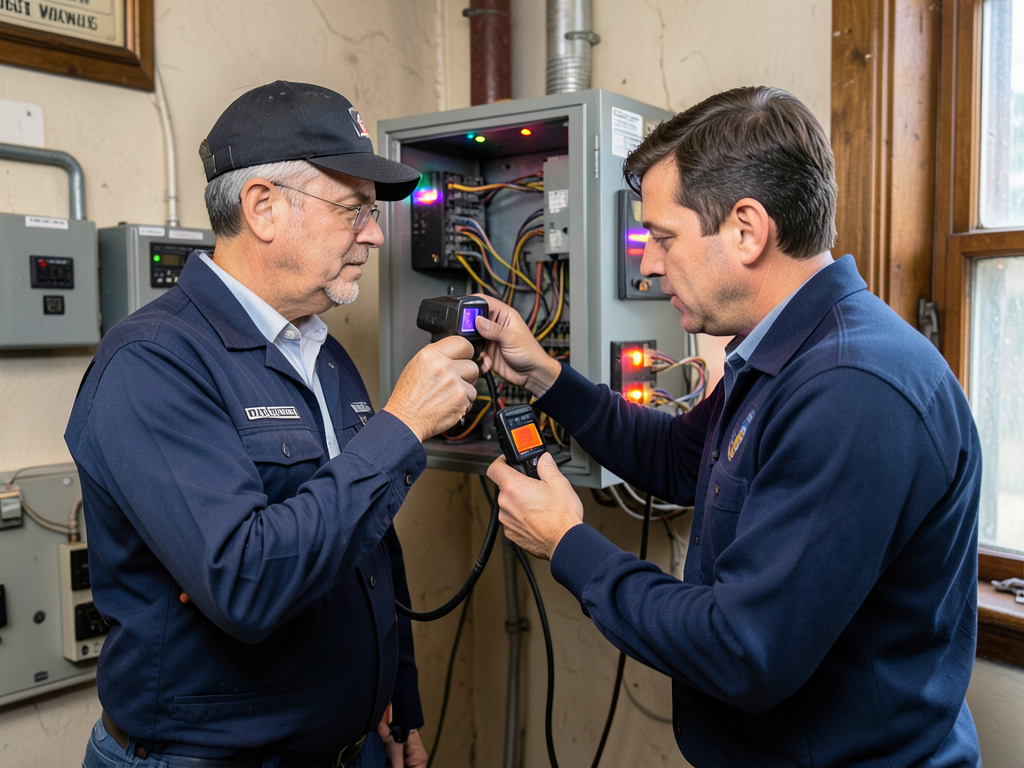
A comprehensive electrical inspection goes far beyond what a general home inspector provides. Licensed electricians use thermal imaging cameras to detect hot spots invisible to the naked eye. They test each circuit’s voltage, amperage, and ground integrity using professional-grade equipment.
The inspection process typically takes two to four hours for an average home. Electricians examine the main service panel, all accessible wiring, outlets, switches, and grounding systems. They also check for proper bonding between gas lines, water pipes, and the electrical system.
Professional inspectors provide detailed reports with specific recommendations and cost estimates. This information becomes invaluable during home negotiations, as electrical repairs can significantly impact your total investment. Some buyers include electrical inspection contingencies in their purchase offers.
Cost Considerations and Negotiation Strategies
Electrical repairs in older homes often cost more than anticipated due to hidden damage or code compliance requirements. However, these costs provide negotiating leverage during home purchases. Sellers may agree to complete repairs, reduce the sale price, or offer credits for electrical work.
Common electrical repair costs in the Third Ward include panel replacement ($1,500-$3,000), complete rewiring ($8,000-$15,000), and service upgrades ($2,000-$5,000). These figures help you evaluate whether a property’s asking price accounts for necessary electrical improvements.
Some buyers negotiate for sellers to complete major electrical repairs before closing. Others prefer price reductions and handle repairs themselves, maintaining control over the work quality and scheduling. Your choice depends on your budget, timeline, and comfort level with renovation projects.
Safety First: When to Walk Away
Certain electrical conditions warrant walking away from a potential purchase. Federal Pacific panels, extensive knob and tube wiring, or evidence of major water damage to electrical systems represent serious safety hazards that require substantial investment to correct.
Consider the cost-benefit analysis carefully. A $300,000 home requiring $15,000 in electrical repairs might still represent good value, but the same home needing $40,000 in electrical work plus foundation repairs could exceed reasonable investment levels.
Your licensed electrician can help you evaluate whether electrical issues are manageable or deal-breakers. Their professional assessment provides the objective information needed to make informed decisions about your potential investment.
Frequently Asked Questions
How much does a professional electrical inspection cost in Houston?
Professional electrical inspections in Houston typically cost between $200 and $400 for a standard home. Complex historic properties or larger homes may cost up to $600. This investment provides crucial safety information and negotiation leverage for your purchase.
Can I use a general home inspector instead of a licensed electrician?
General home inspectors provide basic electrical overviews but lack the specialized training and equipment of licensed electricians. They cannot perform detailed safety tests or provide repair recommendations. For older Third Ward homes, a licensed electrician’s inspection proves essential for identifying hidden hazards.
Will insurance companies require electrical upgrades for Third Ward homes?
Many insurance companies require specific electrical upgrades before providing coverage for older homes. Common requirements include replacing Federal Pacific panels, installing GFCI protection, and removing knob and tube wiring. Some insurers may decline coverage entirely for homes with severe electrical issues.
How long do electrical repairs typically take in older Houston homes?
Electrical repair timelines vary significantly based on project scope. Panel replacement takes one to two days while complete rewiring requires one to two weeks. Service upgrades typically need one to three days. Your licensed electrician can provide specific timelines after evaluating your home’s unique conditions.
What permits are required for electrical work in Houston?
Houston requires permits for most electrical work beyond simple outlet replacements. Panel replacements, rewiring, and service upgrades all require permits from the City of Houston Permit Center. Licensed electricians typically handle permit acquisition as part of their service, ensuring all work meets local code requirements.
You may also find this helpful. Why You Keep Getting Small Shocks From Your Light Switches in South Park.
{
“@context”: “https://schema.org”,
“@type”: “BlogPosting”,
“headline”: “Five Electrical Red Flags to Look for Before Buying an Older House in the Third Ward”,
“description”: “Discover five critical electrical red flags in Third Ward homes. Learn how Houston’s humidity and aging infrastructure create unique safety risks for buyers.”,
“wordCount”: 1680,
“datePublished”: “2026-06-16T11:20:00.000Z”,
“dateModified”: “2026-06-16T11:20:00.000Z”,
“inLanguage”: “en-US”,
“mainEntityOfPage”: {
“@type”: “WebPage”,
“@id”: “https://titanelectricianshouston.com”
},
“publisher”: {
“@type”: “LocalBusiness”,
“name”: “Titan Electricians Houston”,
“url”: “https://titanelectricianshouston.com”
},
“author”: {
“@type”: “Organization”,
“name”: “Titan Electricians Houston”,
“url”: “https://titanelectricianshouston.com”
},
“image”: {
“@type”: “ImageObject”,
“url”: “https://titanelectricianshouston.com/wp-content/uploads/2026/03/five-electrical-red-flags-to-look-for-before-buyin-1.png”
}
}
{
“@context”: “https://schema.org”,
“@type”: “Electrician”,
“name”: “Titan Electricians Houston”,
“url”: “https://titanelectricianshouston.com”,
“address”: {
“@type”: “PostalAddress”,
“addressLocality”: “Houston”
},
“areaServed”: {
“@type”: “City”,
“name”: “Houston”
}
}
{
“@context”: “https://schema.org”,
“@type”: “FAQPage”,
“mainEntity”: [
{
“@type”: “Question”,
“name”: “How much does a professional electrical inspection cost in Houston?”,
“acceptedAnswer”: {
“@type”: “Answer”,
“text”: “Professional electrical inspections in Houston typically cost between $200 and $400 for a standard home. Complex historic properties or larger homes may cost up to $600. This investment provides crucial safety information and negotiation leverage for your purchase.”
}
},
{
“@type”: “Question”,
“name”: “Can I use a general home inspector instead of a licensed electrician?”,
“acceptedAnswer”: {
“@type”: “Answer”,
“text”: “General home inspectors provide basic electrical overviews but lack the specialized training and equipment of licensed electricians. They cannot perform detailed safety tests or provide repair recommendations. For older Third Ward homes, a licensed electrician’s inspection proves essential for identifying hidden hazards.”
}
},
{
“@type”: “Question”,
“name”: “Will insurance companies require electrical upgrades for Third Ward homes?”,
“acceptedAnswer”: {
“@type”: “Answer”,
“text”: “Many insurance companies require specific electrical upgrades before providing coverage for older homes. Common requirements include replacing Federal Pacific panels, installing GFCI protection, and removing knob and tube wiring. Some insurers may decline coverage entirely for homes with severe electrical issues.”
}
},
{
“@type”: “Question”,
“name”: “How long do electrical repairs typically take in older Houston homes?”,
“acceptedAnswer”: {
“@type”: “Answer”,
“text”: “Electrical repair timelines vary significantly based on project scope. Panel replacement takes one to two days while complete rewiring requires one to two weeks. Service upgrades typically need one to three days. Your licensed electrician can provide specific timelines after evaluating your home’s unique conditions.”
}
},
{
“@type”: “Question”,
“name”: “What permits are required for electrical work in Houston?”,
“acceptedAnswer”: {
“@type”: “Answer”,
“text”: “Houston requires permits for most electrical work beyond simple outlet replacements. Panel replacements, rewiring, and service upgrades all require permits from the City of Houston Permit Center. Licensed electricians typically handle permit acquisition as part of their service, ensuring all work meets local code requirements.”
}
}
]
}
{
“@context”: “https://schema.org”,
“@type”: “BreadcrumbList”,
“itemListElement”: [
{
“@type”: “ListItem”,
“position”: 1,
“name”: “Home”,
“item”: “https://titanelectricianshouston.com”
},
{
“@type”: “ListItem”,
“position”: 2,
“name”: “Blog”,
“item”: “https://titanelectricianshouston.com/blog”
},
{
“@type”: “ListItem”,
“position”: 3,
“name”: “Five Electrical Red Flags to Look for Before Buying an Older House in the Third Ward”
}
]
}
{
“@context”: “https://schema.org”,
“@type”: “Service”,
“serviceType”: “Electricians”,
“provider”: {
“@type”: “LocalBusiness”,
“name”: “Titan Electricians Houston”,
“url”: “https://titanelectricianshouston.com”
},
“areaServed”: {
“@type”: “City”,
“name”: “Houston”
},
“description”: “Discover five critical electrical red flags in Third Ward homes. Learn how Houston’s humidity and aging infrastructure create unique safety risks for buyers.”
}