





Menu

Extension Cord Overload in Houston – Expert Diagnosis and Permanent Electrical Solutions

Stop Extension Cord Overheating Before It Sparks a Fire. Our electricians identify hidden circuit deficiencies and install the permanent outlets your Houston home actually needs.

Slider Image 1
Slider Image 2
Slider Image 3
Slider Image 4
Slider Image 5
Slider Image 7
Slider Image 8
Slider Image 9
Slider Image 10
Slider Image 11

Why Extension Cords Keep Overheating in Houston Homes

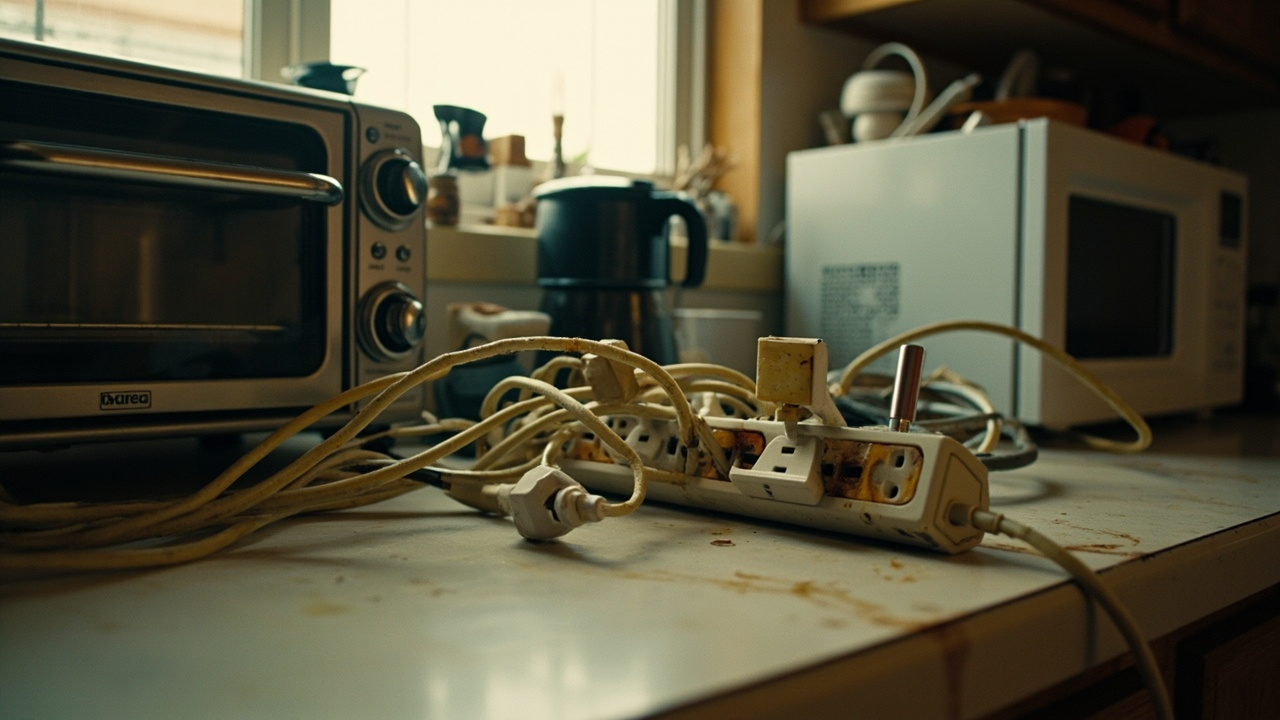
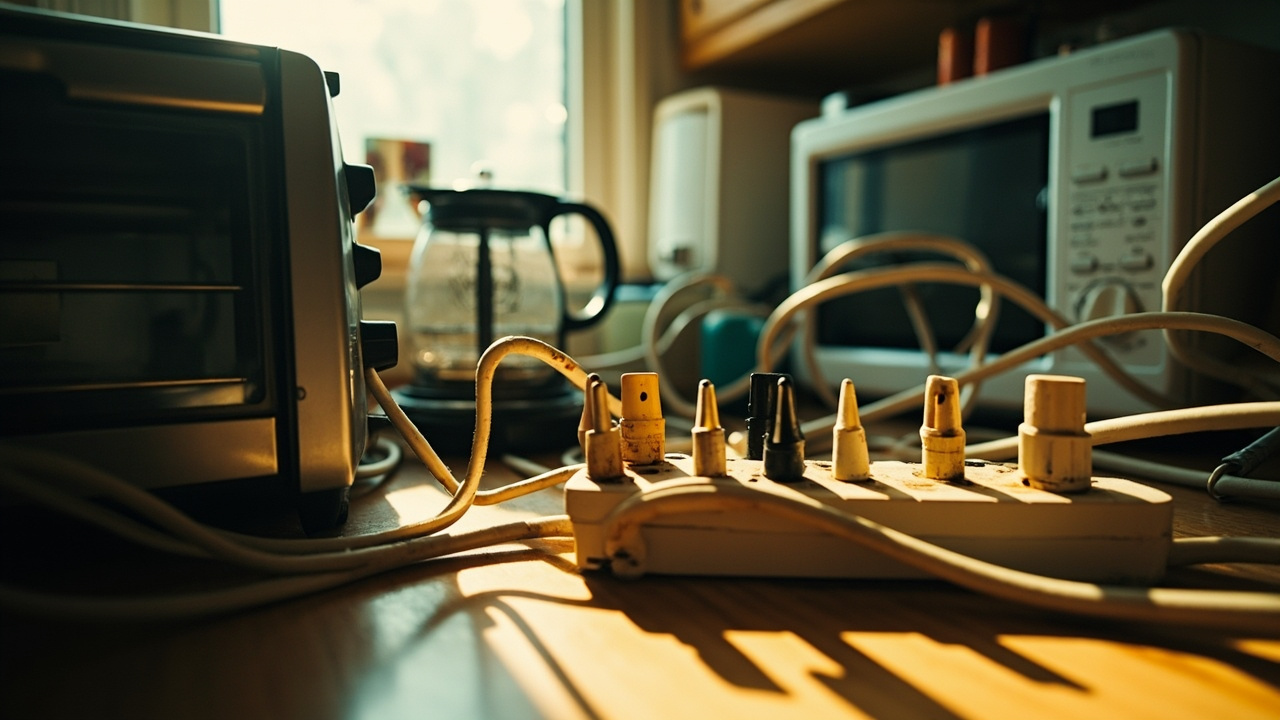
You smell burning plastic near the wall. The power strip feels hot to the touch. Your extension cord keeps tripping the breaker, and you reset it because you need the power. This is extension cord overload, and it is the leading ignition source for electrical fires in residential structures across Houston.

Most homes in the Greater Heights, Montrose, and older Houston neighborhoods were wired 40 to 60 years ago, built for refrigerators, a few lamps, and maybe a window unit. Today, you are running laptops, gaming systems, multiple phone chargers, appliances, and climate control equipment from the same outlets. The electrical infrastructure was never designed to support this load. When you plug a power strip overload situation into an already taxed circuit, you are exceeding extension cord amperage every single time you flip a switch.

Houston's humidity compounds the problem. Moisture infiltration into outlet boxes and cord connections increases electrical resistance, which generates heat. That heat accelerates insulation breakdown. An overloaded extension lead in a humid garage or outdoor patio degrades faster here than in drier climates. The plastic casing softens. The internal copper conductors oxidize. Eventually, the extension cord melting occurs at the plug contact points, and you have exposed live conductors.

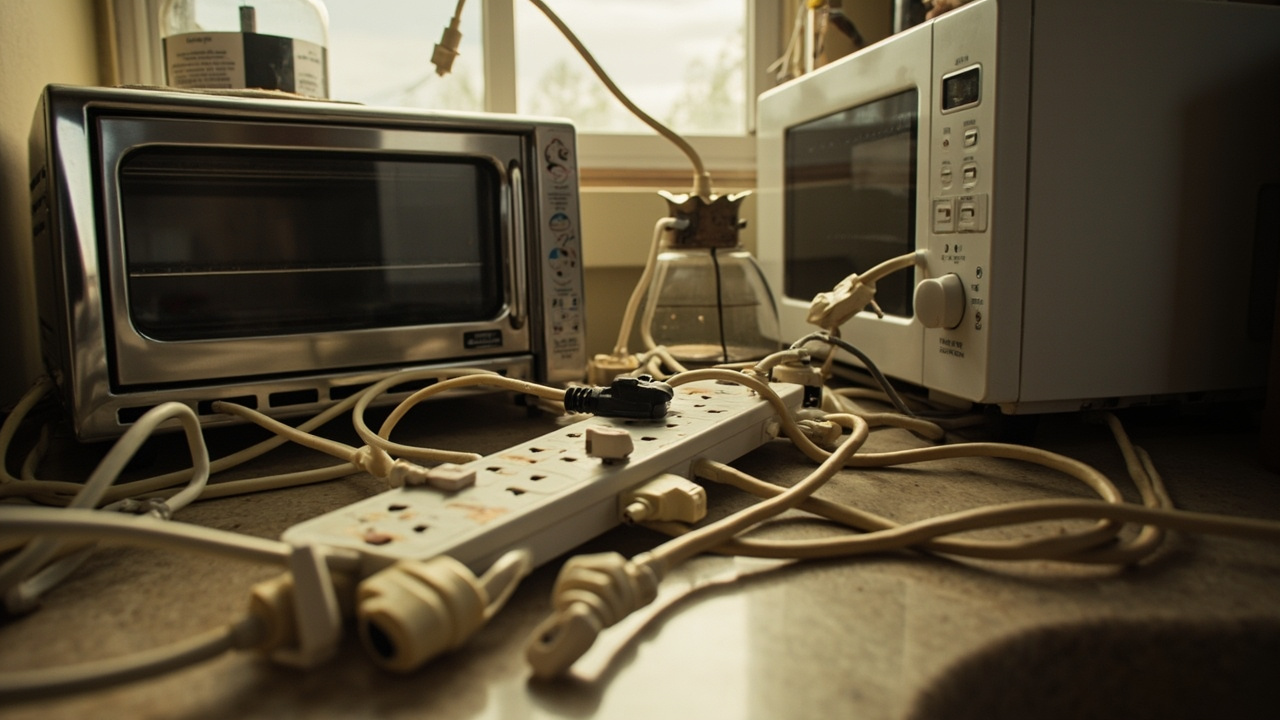
We see this every week. Homeowners daisy-chain power strips to avoid the cost of installing new circuits. They do not realize they are creating a failure point that can ignite drywall, carpet, or nearby combustibles. Extension cord overheating is a symptom. The actual problem is insufficient permanent wiring for modern electrical demand.

Why Extension Cords Keep Overheating in Houston Homes
How We Eliminate Extension Cord Dependency Safely

How We Eliminate Extension Cord Dependency Safely

We do not just tell you to unplug things. We fix the underlying circuit deficiency so you never need that overloaded extension lead in the first place.

Our electricians perform a load calculation on the affected circuit. We measure actual amperage draw under normal use conditions using a clamp meter. This tells us exactly how much demand you are placing on a 15-amp or 20-amp breaker. If you are pulling 18 amps through a daisy-chained power strip on a 15-amp circuit, we document that and show you the math. Exceeding extension cord amperage is not subjective. It is measurable, and we prove it before recommending any work.

Next, we trace the circuit back to the panel. We identify how many outlets share that breaker, what gauge wire feeds them, and whether the circuit is already split across multiple rooms. Older Houston homes frequently have bedroom outlets, hallway lighting, and garage receptacles all on the same 15-amp branch circuit. When you add a space heater or window AC unit to that load, extension cord overheating becomes inevitable.

Our solution is to install dedicated circuits where you actually need power. If your home office requires six devices, we run a new 20-amp homerun circuit from the panel directly to that room. We install quad receptacles with hospital-grade contact pressure, rated for continuous duty. We use 12-gauge copper wire, properly stapled and protected inside the wall cavity, compliant with NEC Article 210. This is permanent infrastructure. You eliminate the extension cord entirely because the power is already where you need it.

For situations where running new wire is cost-prohibitive, we evaluate panel capacity and load balance. Sometimes redistribution across existing circuits reduces the risk enough to safely add one or two outlets without a full rewire.

What Happens During an Extension Cord Overload Assessment

Extension Cord Overload in Houston – Expert Diagnosis and Permanent Electrical Solutions
01

Circuit Load Testing

We measure real-time amperage draw on the circuit feeding your overloaded extension lead. Using a digital clamp meter, we capture peak and sustained load while your devices run normally. This data shows whether you are exceeding safe limits and by how much. We document voltage drop under load, which indicates wire gauge inadequacy or connection resistance. You get a printed load summary before we propose any changes.
02

Panel and Wire Inspection

We trace the circuit from the breaker to every outlet and junction box on that branch. We verify wire gauge, check for aluminum wiring, and inspect all splice points for oxidation or heat damage. If you have been running a power strip overload for months, we often find discolored connections or melted insulation inside the boxes. We photograph any deficiencies and explain how they contribute to extension cord overheating risks in your specific setup.
03

Permanent Solution Installation

Once we confirm the circuit cannot safely support your load, we install dedicated wiring to eliminate extension cord dependency. We pull new 12-gauge Romex from the panel, install a 20-amp breaker, and terminate at new receptacles in the exact locations you need power. All work is compliant with the National Electrical Code and Houston permitting requirements. We label the new circuit at the panel and test it under full load before we leave your property.

Why Houston Homeowners Trust Titan Electricians for Overload Solutions

Extension cord fires do not announce themselves. The smell of burning plastic is often the only warning you get before ignition. When you call Titan Electricians Houston, you are working with electricians who understand the wiring configurations common to older Houston construction and the load demands of modern living.

We have rewired homes in Woodland Heights, Bellaire, and West University built in the 1940s and 1950s. We know these homes have cloth-wrapped wiring, ceramic knob-and-tube remnants, and panels that were never designed for central air conditioning, home offices, or electric vehicle chargers. We do not upsell you on a full rewire if the problem is isolated to one circuit. We give you the most cost-effective solution that actually solves the extension cord overheating issue.

Houston adopted the 2020 National Electrical Code with local amendments in 2021. We stay current on those changes, especially regarding AFCI and GFCI requirements for new circuits. If we install a new branch circuit in your bedroom or living area, it will include arc-fault protection to catch the early stages of insulation breakdown before extension cord melting occurs. This is not optional. It is required, and it saves lives.

Our electricians carry thermal imaging cameras. When you report a hot power strip or a warm extension cord, we scan the circuit for hotspots invisible to the naked eye. Loose connections, corroded terminals, and overloaded conductors all produce heat signatures. We find them before they fail. This level of diagnostic precision is what separates a professional electrical contractor from a handyman with a voltage tester.

We also understand Houston's building permit process. If the work requires a permit, we pull it, schedule inspections, and ensure compliance. You will not get a call from the city years later during a home sale because unpermitted electrical work shows up on the inspection report.

What to Expect When You Schedule an Overload Assessment

Same-Day Availability for Urgent Situations

If you are smelling burning plastic or your extension cord is hot to the touch, we treat that as an urgent safety issue. We offer same-day assessment appointments for active overload conditions in the Houston metro area. Our electricians carry full diagnostic equipment in their service vehicles, so we can perform load testing and thermal imaging on the first visit. You do not wait days while the problem gets worse. We identify the hazard, explain the risk, and provide a written estimate for permanent correction before we leave.

Comprehensive Circuit and Panel Evaluation

Our assessment includes more than just looking at the extension cord. We open the electrical panel and inspect breaker condition, verify proper wire terminations, and check for signs of overheating at the bus bars. We trace the affected circuit through the attic or crawlspace if necessary to verify wire gauge and junction box integrity. If we find aluminum wiring, Federal Pacific panels, or other known failure points, we document them and explain your options. You get a full picture of your electrical system's condition, not just a quick fix for the immediate symptom.

Code-Compliant Circuit Installation

When we install new circuits to eliminate your extension cord dependency, the work meets or exceeds the 2020 NEC and Houston building code requirements. We use copper wire, commercial-grade breakers, and receptacles rated for the load you are actually running. All wire runs are stapled, protected, and routed to avoid future damage. We install AFCI protection where required and label all new circuits at the panel. The installation passes inspection the first time because we do it right from the start. You get a permanent, safe power solution built to last.

Post-Installation Load Verification and Documentation

After we install your new circuit, we test it under full load. We plug in the devices you were previously running through the overloaded extension lead and verify that voltage remains stable and amperage stays within safe limits. We provide you with a load calculation sheet showing your new circuit's capacity and current usage, so you know exactly how much headroom you have for future devices. We also give you a circuit map showing which outlets are on which breakers, making future troubleshooting simple. If you ever sell your home, this documentation proves the work was done professionally.

Frequently Asked Questions

You Have Questions,
We Have Answers

What happens if you overload an extension cord? +

Overloading an extension cord forces it to carry more electrical current than it was designed for. The wires inside heat up rapidly. This can melt the insulation, expose bare wires, and create a fire hazard. You may notice the cord feels hot to the touch or smells like burning plastic. In Houston's humid climate, damaged insulation combined with moisture increases the risk of electrical shock. If the overload is severe, the cord can spark or ignite nearby materials. Always check the amp rating on your extension cord and never exceed it.

What happens if you plug too many things into an extension cord? +

Plugging too many devices into one extension cord draws excessive current through a single wire path. The cord overheats because it cannot safely handle the combined load. This heat damages the insulation and can start a fire. You may see scorch marks, smell burning plastic, or feel warmth along the cord. Houston homes often run multiple window AC units or fans during summer, which can quickly overload cheaper extension cords. The circuit breaker may trip repeatedly as a warning sign. Distribute your load across multiple outlets or upgrade to a heavier gauge cord.

What happens if you use too long of an extension cord? +

Using an extension cord that is too long increases electrical resistance. The farther electricity travels through a wire, the more voltage drops along the way. Your devices receive less power than they need to run safely. Motors and appliances work harder, overheat, and fail prematurely. Longer cords also heat up more easily under load. In Houston, where outdoor equipment like pressure washers or power tools are common, a 100-foot lightweight cord can overheat quickly. Use the shortest cord possible for the job and choose a heavier gauge for long runs or high-wattage tools.

What are some of the danger signs of an electrical overload? +

Danger signs of electrical overload include flickering lights, especially when you turn on an appliance. You may smell burning plastic or see discolored outlets. Breakers trip frequently or fuses blow repeatedly. Outlets or switch plates feel warm to the touch. You hear buzzing or crackling sounds from outlets or electrical panels. In older Houston homes built before modern electrical codes, these symptoms appear more often because wiring was not designed for today's electrical demands. Dimming lights when the AC kicks on is a red flag. Do not ignore these warnings.

Will a circuit overload fix itself? +

No, a circuit overload will not fix itself. If a breaker trips, it stops the flow of electricity to prevent a fire. Simply resetting the breaker without addressing the root cause will trip it again. The overload condition remains until you reduce the electrical load or repair faulty wiring. Ignoring repeated trips can damage the breaker, making it less responsive to future faults. In Houston's older neighborhoods, outdated wiring combined with modern appliances creates persistent overload issues. You need a licensed electrician to assess your panel, redistribute circuits, or upgrade your electrical system.

What are three signs of an overloaded electrical circuit? +

Three clear signs of an overloaded circuit are frequent breaker trips, dimming or flickering lights when appliances run, and warm or discolored outlet covers. You may also notice a burning smell near outlets or the electrical panel. Appliances may run slower or fail to reach full power. In Houston homes, running multiple high-draw devices like space heaters, hairdryers, or window AC units on the same circuit often causes overload. If you plug in one more device and the breaker trips immediately, your circuit is maxed out. Redistribute your appliances or add dedicated circuits.

What should you never plug into an extension cord? +

Never plug space heaters, portable AC units, refrigerators, microwaves, toasters, or other high-wattage heating appliances into an extension cord. These devices draw heavy current that exceeds what most extension cords can safely handle. The cord overheats and becomes a fire hazard. Also avoid daisy-chaining multiple extension cords or power strips together. Houston residents often make this mistake during summer when adding extra fans or cooling units. Power tools, sump pumps, and large kitchen appliances should plug directly into wall outlets. Use extension cords only for low-wattage devices like lamps or phone chargers.

What is the 125% rule in electrical? +

The 125% rule in electrical work requires that continuous loads, which run for three hours or more, be calculated at 125% of their actual amperage when sizing circuits and breakers. This safety margin prevents overheating. For example, if a device draws 10 amps continuously, you must design the circuit to handle 12.5 amps. This applies to HVAC systems, lighting circuits, and commercial equipment. In Houston, where AC units run nonstop during summer, this rule protects your wiring from thermal damage. Licensed electricians follow this National Electrical Code requirement when installing or upgrading circuits.

How do you tell if you are overloading an outlet? +

You are overloading an outlet if it feels warm to the touch, shows scorch marks or discoloration, or smells like burning plastic. Plugs may fit loosely because internal contacts have melted. The breaker trips when you plug in another device. Lights dim when you turn on an appliance connected to that outlet. In Houston homes, kitchens and laundry rooms are common overload zones because multiple high-draw appliances share one circuit. If you rely on power strips to add more plugs, you are likely overloading the outlet. Reduce the load or have an electrician add dedicated circuits.

Is it okay to leave an extension cord plugged in all the time? +

Leaving an extension cord plugged in when not in use is generally safe, but it does carry risks. Cords degrade over time from heat, humidity, and physical wear. Houston's high humidity accelerates insulation breakdown, especially for outdoor-rated cords left exposed. A cord with damaged insulation can short out or spark even without a load. Cords left plugged in also draw phantom power and increase fire risk if accidentally stepped on or pinched. Unplug extension cords when finished to extend their life and reduce hazards. Store them in a dry place away from moisture and pests.

Why Houston's Older Electrical Systems Make Extension Cord Overload More Dangerous

Houston has one of the largest inventories of pre-1960 housing stock in Texas. Homes in areas like the Heights, Montrose, and Oak Forest were built with electrical systems designed for minimal load compared to modern demand. These systems used 60-amp or 100-amp service panels, 14-gauge wiring on most circuits, and far fewer outlets per room. When homeowners add modern electronics, HVAC upgrades, and kitchen appliances to these systems, the circuit capacity gets exceeded quickly. Extension cord overheating is not just user error. It is a symptom of infrastructure that cannot meet current electrical demand. Houston's high humidity accelerates insulation degradation on aging wiring, making power strip overload conditions more likely to result in arcing or ignition.

Titan Electricians Houston specializes in upgrading older electrical systems to meet modern safety standards. We have worked extensively in Houston's historic neighborhoods, where maintaining period aesthetics while installing compliant wiring requires both technical skill and familiarity with local permitting. We understand which homes are likely to have aluminum branch circuits, cloth-wrapped wiring, or outdated panels that create hidden risks when you exceed extension cord amperage. Our electricians know how to navigate Houston's inspection process and which amendments to the NEC apply locally. This is not just about stopping extension cord melting today. It is about building electrical infrastructure that supports how you actually live.

Electrical Services in The Houston Area

Looking for reliable electricians near you? Titan Electricians Houston proudly serves homeowners and businesses across the greater Houston area with expert electrical repairs, panel upgrades, lighting installations, wiring services, and 24/7 emergency support. From The Woodlands to Pearland, our licensed electricians are ready to deliver safe, efficient, and code-compliant solutions. Use the map below to explore our service coverage and find fast, trusted electrical help in your neighborhood.

Address:
TitanElectriciansHouston, 2500 Summer St, Houston, TX, 77007

Additional Services We Offer

Our news updates

Latest Articles & News from The Blogs

Lorem ipsum dolor sit amet. Aut expedita quaerat quo eligendi numquam et laudantium perspiciatis qui minima expedita rem consequatur ducimus.…

Test Blog 4

Lorem ipsum dolor sit amet. Aut expedita quaerat quo eligendi numquam et laudantium perspiciatis qui minima expedita rem consequatur ducimus.…

Test Blog 3

Lorem ipsum dolor sit amet. Aut expedita quaerat quo eligendi numquam et laudantium perspiciatis qui minima expedita rem consequatur ducimus.…

Test Blog 2

Lorem ipsum dolor sit amet. Aut expedita quaerat quo eligendi numquam et laudantium perspiciatis qui minima expedita rem consequatur ducimus.…

Contact Us

Call Titan Electricians Houston at (281) 552-7811 right now if you are running power strips daisy-chained together or smelling burning plastic near outlets. We provide same-day assessments and permanent wiring solutions that eliminate extension cord dependency safely.