
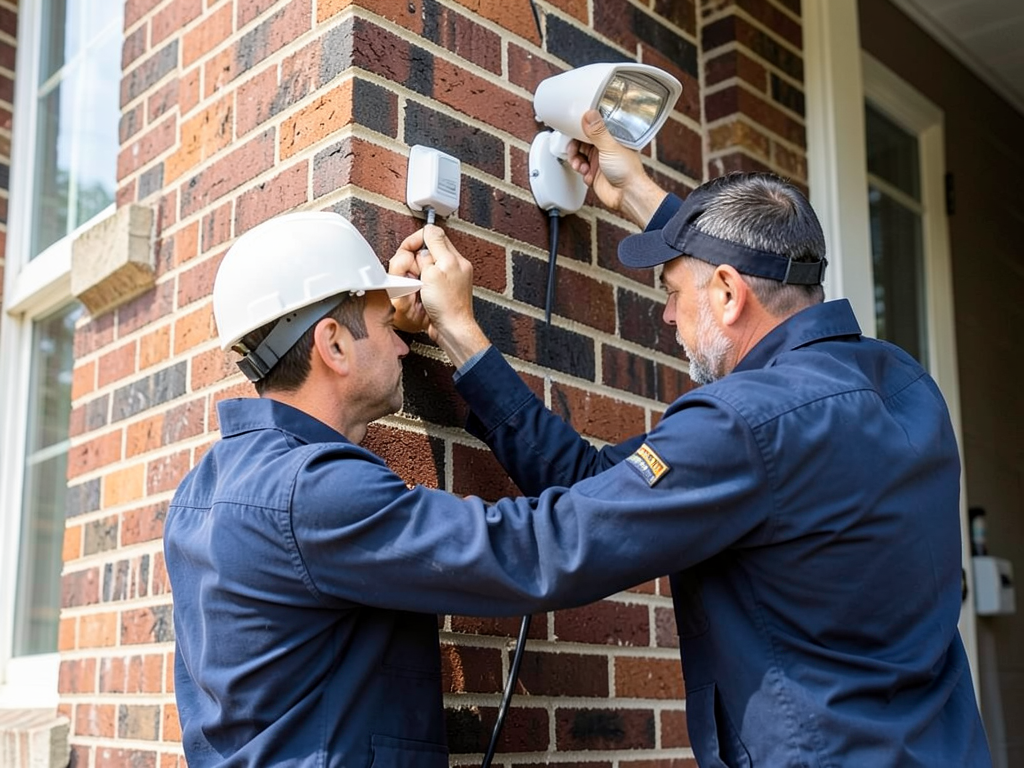
Better Home Security Starts With Professional Motion Sensor Lighting in the Third Ward
Your home in Houston’s Third Ward deserves protection that works around the clock. Motion sensor lighting provides an effective first line of defense by illuminating dark areas when movement is detected. This simple upgrade can dramatically reduce the risk of break-ins while making your property safer for family and guests. Protect Your Tech With Professional Whole House Surge Protection in Cypress.
Professional installation matters more than you might think. DIY motion lights often miss critical factors like proper wiring, optimal sensor angles, and weather-resistant mounting. A licensed electrician ensures your system functions reliably through Houston’s humid summers and occasional storms. The Top Rated Licensed Electricians Serving the River Oaks Area.
Motion sensor lighting works by detecting heat and movement within a specific range. When triggered, bright LED fixtures instantly light up the area. This sudden illumination startles intruders and alerts you to activity outside your home. The psychological deterrent effect is powerful – criminals prefer to work in darkness. LED lighting efficiency.
Beyond security, these systems provide practical benefits. They light your path when you arrive home after dark, help you navigate safely around your property, and can even reduce energy costs compared to leaving lights on all night. Modern systems offer adjustable sensitivity, timing controls, and even smartphone integration for remote monitoring.
The Third Ward’s unique character means your security lighting needs special consideration. Many homes feature historic architecture that requires careful mounting to preserve aesthetics. Additionally, the neighborhood’s mature trees and landscaping create shadows that can be exploited by criminals – making strategic light placement essential.
Professional electricians understand these local nuances. They know which fixtures withstand Houston’s humidity, how to angle sensors for maximum coverage, and where to place lights for both security and compliance with local regulations. This expertise transforms a simple light into a comprehensive security solution. Electrical Houston.
Motion sensor lighting represents a smart investment in your family’s safety. It’s a visible deterrent that works 24/7 without requiring constant attention. When professionally installed, it becomes part of a layered security approach that includes strong doors, quality locks, and potentially monitored alarm systems.
The peace of mind that comes from knowing your home is well-lit and monitored is invaluable. You’ll sleep better knowing that any unusual activity will trigger immediate illumination, potentially stopping a crime before it starts. This proactive approach to home security is far more effective than reactive measures taken after a break-in occurs.
Professional installation also means proper wiring and circuit protection. This prevents electrical hazards and ensures your system won’t fail when you need it most. Electricians can integrate your motion sensors with existing outdoor lighting or security cameras for a comprehensive solution. How to Plan Your Outdoor Landscape Lighting in The Woodlands Without Overspending.
Ready to take the first step toward better home security? The right motion sensor lighting system can make your Third Ward home significantly safer while adding convenience to your daily life. Let’s explore the specific options available and how professional installation makes all the difference.
Why Motion Sensor Lighting Works So Well in Houston’s Third Ward
The Third Ward presents unique security challenges that motion sensor lighting addresses effectively. The area’s mix of historic homes and newer construction creates varied lighting needs. Many properties have mature landscaping that creates dark corners perfect for concealment.
Houston’s climate plays a role too. The hot, humid environment means people often keep windows open or use window units, making traditional security measures less effective. Motion-activated lights provide an additional layer of protection that works regardless of how you cool your home.
The neighborhood’s character also means foot traffic patterns vary throughout the day and night. Students from nearby universities, late-night workers, and delivery services all move through the area at different hours. Motion sensors ensure your property is protected during all these activity periods without creating constant light pollution.
Professional installation takes these factors into account. Electricians know which areas of your property are most vulnerable and how to position sensors for maximum effectiveness. They understand that a light mounted too high might miss ground-level movement, while one mounted too low could be triggered by pets or passing cars.
The technology has evolved significantly. Today’s motion sensors can distinguish between human movement and smaller animals, reducing false alarms. Some systems allow you to adjust sensitivity based on the time of day or create zones that trigger different responses.
Energy efficiency is another consideration. Modern LED fixtures use a fraction of the power of older halogen lights while providing superior illumination. This means you get better security without dramatically increasing your electricity bill.
Professional installation also ensures compliance with local electrical codes. Houston has specific requirements for outdoor wiring, grounding, and weatherproofing that DIY installations often overlook. Proper permits and inspections protect you from liability and ensure your system meets safety standards.
The psychological impact on potential intruders cannot be overstated. A well-lit property signals that you take security seriously. Criminals typically avoid homes that appear protected, moving on to easier targets instead.
Motion sensor lighting also improves safety for legitimate visitors. Delivery drivers, friends, and family members can navigate your property safely without fumbling for light switches. This is especially valuable in the Third Ward where many homes have unique architectural features that can create tripping hazards in the dark.
Integration with other security measures amplifies the effectiveness. Lights can work in tandem with security cameras, triggering recording when motion is detected. Some systems even connect to your smartphone, sending alerts when activity is detected after hours.
The return on investment is clear. While the upfront cost of professional installation might seem significant, it pales in comparison to the potential losses from a break-in. Plus, the added safety and convenience provide daily benefits that enhance your quality of life.
Types of Motion Sensor Lighting Systems Available
Several motion sensor lighting options exist, each suited to different needs and property layouts. Understanding these choices helps you select the right system for your Third Ward home.
Floodlights remain the most popular choice for comprehensive coverage. These powerful fixtures cast a wide beam that illuminates large areas like driveways, backyards, or side yards. Modern LED floodlights provide exceptional brightness while using minimal electricity.
Wall-mounted fixtures work well for entryways, porches, and garage doors. These smaller lights activate when someone approaches your home, providing both security and convenience. Many homeowners use these in combination with floodlights for layered protection.
Pathway lights with motion sensors offer a more subtle approach. These low-profile fixtures light walkways when approached, improving safety without creating harsh glare. They’re ideal for historic homes where maintaining architectural integrity matters.
Smart motion sensors represent the cutting edge of security lighting. These devices connect to your home network, allowing you to control settings via smartphone apps. You can adjust sensitivity, create schedules, and even integrate with other smart home devices.
Solar-powered options eliminate the need for electrical wiring, making installation simpler in some cases. However, Houston’s intense sun means these systems work exceptionally well here, storing enough energy to function reliably even after cloudy days.
Combination units that include both motion sensors and dusk-to-dawn functionality offer maximum flexibility. These fixtures stay on at low brightness all night, then brighten when motion is detected. This provides constant background lighting while still alerting you to activity.
Commercial-grade systems designed for business properties work well for larger homes or those with extensive grounds. These robust systems handle more sensors and can cover greater distances, making them ideal for properties with multiple buildings or large yards.
Hardwired systems provide the most reliable performance since they don’t depend on batteries or solar charging. Professional installation ensures proper circuit protection and weatherproofing, critical factors in Houston’s climate. Finding a Reliable Electrician for Your Sugar Land Kitchen Remodel.
Wireless systems offer easier installation but may have limitations in range or reliability. They work best for smaller properties or as additions to existing hardwired systems.
Specialty sensors designed for specific applications exist too. Some detect heat signatures rather than movement, reducing false triggers from swaying branches or passing cars. Others use multiple detection technologies for maximum accuracy.
The right choice depends on your specific property layout, security concerns, and budget. Professional electricians can assess your needs and recommend the optimal combination of fixtures and sensors.
Installation Process and What to Expect
Professional motion sensor lighting installation follows a systematic process that ensures optimal performance and safety. Understanding this process helps you know what to expect when you hire an electrician.
The initial consultation begins with a comprehensive property assessment. Electricians walk your property, identifying vulnerable areas, existing lighting infrastructure, and potential mounting locations. They consider factors like tree coverage, sight lines from the street, and typical movement patterns around your home.
During this assessment, they’ll discuss your specific concerns. Do you want to protect a particular entry point? Deter package theft? Illuminate a dark backyard? Your priorities guide the system design.
Next comes the system design phase. Based on the assessment, electricians create a lighting plan that balances coverage, aesthetics, and budget. They’ll recommend specific fixtures, sensor types, and control options that suit your property and needs.
Permit acquisition follows if required. Houston requires permits for most electrical work, including outdoor lighting installations. Professional electricians handle this process, ensuring your project complies with local regulations.
Installation day involves several steps. First, electricians prepare the work area, protecting landscaping and marking underground utilities. They then run wiring from your electrical panel to the installation locations, using proper conduit and weatherproofing techniques.
Fixture mounting comes next. This involves securely attaching brackets or bases, often requiring masonry anchors for brick or stucco homes common in the Third Ward. Proper mounting ensures fixtures won’t shift or fall over time.
Sensors are then installed and calibrated. This critical step involves adjusting sensitivity, range, and timing settings. Electricians test each sensor to ensure it triggers correctly without creating false alarms from passing cars or small animals.
Finally, the system undergoes thorough testing. Electricians verify all connections, check for proper operation in various conditions, and demonstrate the system’s features to you. They’ll explain how to adjust settings and what to do if issues arise.
Post-installation cleanup ensures your property looks as good as or better than before the work began. Electricians remove all debris, patch any small holes, and leave your yard tidy.
Most installations complete in one day, though larger or more complex systems might require additional time. Your electrician will provide a timeline during the consultation.
Warranty information covers both workmanship and equipment. Professional installations typically include labor warranties of one to two years, plus manufacturer warranties on the fixtures themselves.
Maintenance requirements are minimal but important. Electricians will explain how to clean lenses, check for obstructions, and test the system periodically to ensure continued reliability.
Emergency support availability provides peace of mind. Most professional electricians offer service calls if your system malfunctions, often with 24/7 availability for urgent issues.
The investment in professional installation pays dividends through reliable operation, code compliance, and optimal performance. DIY installations often miss critical factors that professionals handle routinely.
Local Houston Codes and Permit Requirements
Houston’s electrical codes and permit requirements ensure safety and reliability for all outdoor lighting installations. Understanding these regulations helps you avoid potential issues and ensures your system meets legal standards.
The City of Houston follows the National Electrical Code (NEC) with local amendments specific to our climate and building practices. These codes govern everything from wire sizing to grounding requirements for outdoor installations. National Fire Protection Association.
Permits are typically required for new outdoor lighting circuits. The permit process involves submitting detailed plans showing fixture locations, wiring routes, and circuit specifications. Professional electricians handle this paperwork as part of their service.
Inspection requirements ensure compliance with codes. After installation, a city inspector examines the work to verify proper wiring, grounding, and safety measures. This inspection protects you from potential hazards and liability issues.
Weatherproofing standards are particularly strict in Houston due to our humidity and occasional severe weather. All outdoor connections must use watertight fittings and be protected from moisture intrusion. Improper weatherproofing can lead to system failure or electrical hazards.
Grounding requirements prevent electrical shock hazards. Outdoor lighting systems must have proper grounding to protect against lightning strikes and electrical faults. This involves specific techniques for bonding metal components and ensuring continuous grounding paths.
Height restrictions may apply to certain types of lighting, especially in historic districts like parts of the Third Ward. These regulations preserve neighborhood character while ensuring safety and functionality.
Light pollution ordinances affect how and when you can use outdoor lighting. Houston has regulations limiting light spill onto neighboring properties and requiring shielding for certain fixture types. Professional electricians design systems that provide security without creating nuisance lighting.
Energy efficiency standards influence fixture choices. While not legally mandated for residential installations, many homeowners choose LED fixtures to reduce energy consumption and comply with voluntary efficiency guidelines.
Historic district requirements add another layer of complexity for Third Ward homes. These regulations may restrict fixture styles, mounting methods, or colors to preserve architectural integrity. Professional electricians familiar with local historic districts understand these constraints.
Insurance considerations matter too. Proper permits and inspections ensure your installation meets insurance company requirements. Unpermitted work can void coverage in case of fire or other damage.
Utility company regulations affect how you connect to power. CenterPoint Energy has specific requirements for service connections and meter arrangements that professional electricians follow during installation.
Homeowner association rules may impose additional restrictions beyond city codes. If your property falls under HOA jurisdiction, you’ll need to comply with their guidelines for exterior modifications.
ADA compliance becomes relevant if you have public-facing areas or rental properties. These requirements ensure accessibility for people with disabilities, affecting things like path lighting and control placement.
Professional electricians stay current on all these regulations, ensuring your installation meets every requirement. This expertise protects you from potential fines, liability issues, and system failures.
The permit process typically takes a few days to a week, depending on the city’s workload. Your electrician can provide specific timelines based on current permit office processing times.
Cost Factors and Investment Considerations
Motion sensor lighting installation costs vary based on several factors. Understanding these variables helps you budget appropriately and recognize the value of professional installation.
System size significantly impacts cost. A basic setup with one or two lights costs considerably less than a comprehensive system covering your entire property. The number of sensors, fixtures, and control points all contribute to the final price.
Fixture quality affects both initial cost and long-term value. Commercial-grade fixtures cost more upfront but provide better durability, brightness, and energy efficiency. Cheaper fixtures might fail prematurely, especially in Houston’s harsh climate.
Installation complexity influences labor costs. Simple wall-mounted fixtures require less time than systems needing extensive trenching for underground wiring. Properties with difficult access or unique mounting challenges increase installation time and cost.
Electrical panel capacity matters. If your panel lacks available circuits, upgrading might be necessary. This additional work increases costs but ensures your electrical system can handle the new load safely.
Permit fees add to the total cost. While usually modest, these fees are mandatory for legal installations. Professional electricians include permit costs in their quotes, avoiding surprise expenses.
Smart features increase costs but provide added convenience and functionality. Wi-Fi enabled controls, smartphone integration, and advanced scheduling capabilities cost more but offer features many homeowners find valuable.
Energy efficiency impacts long-term costs. LED fixtures cost more initially but use 75% less electricity than traditional bulbs. Over the system’s lifetime, these savings can offset the higher upfront cost.
Professional installation costs vary by company and project complexity. Licensed electricians charge more than handymen, but their expertise, insurance, and warranty protection provide valuable security.
Maintenance costs remain relatively low for quality systems. LED fixtures rarely need replacement, and well-installed wiring lasts for decades. However, occasional sensor calibration or cleaning might be necessary.
Insurance premium reductions might offset some costs. Many insurance companies offer discounts for security improvements, potentially reducing your annual premiums enough to justify the investment.
Property value impact provides another return on investment. Security improvements often increase home value, particularly in urban areas like the Third Ward where security is a significant concern for buyers.
Financing options make quality installations more accessible. Many electricians offer payment plans or can recommend financing companies that specialize in home improvement projects.
DIY versus professional cost comparison reveals hidden expenses. While DIY might seem cheaper, mistakes can lead to costly repairs, code violations, or even fire hazards that far exceed professional installation costs.
Quality installation provides value beyond the immediate security benefits. Proper wiring, weatherproofing, and mounting ensure your system functions reliably for years, avoiding the frustration and expense of frequent repairs.
The investment in professional installation typically pays for itself through improved security, increased property value, and peace of mind. When you consider the potential losses from a break-in, quality security lighting becomes an essential investment rather than an optional expense.
Maintenance and Troubleshooting Tips
Even the best motion sensor lighting systems require occasional maintenance to ensure optimal performance. Understanding basic maintenance and troubleshooting helps you keep your system functioning reliably.
Regular cleaning prevents performance issues. Dust, pollen, and spider webs can obstruct sensors and reduce light output. Monthly cleaning with a soft cloth and mild cleaner keeps fixtures operating at peak efficiency.
Lens cleaning requires care. Use non-abrasive cleaners and avoid harsh chemicals that might damage plastic lenses. For stubborn dirt, a solution of mild soap and water usually works well.
Sensor alignment checks ensure proper coverage. Over time, wind, vibration, or accidental bumps can shift sensor angles. Quarterly checks help you identify and correct misalignments before they create security gaps.
Battery replacement applies to wireless systems. Most batteries last one to two years, but extreme temperatures can reduce lifespan. Keep spare batteries on hand and replace them promptly when lights begin malfunctioning.
Electrical connections occasionally need inspection. While professional installations use weatherproof connections, Houston’s humidity can eventually affect even quality materials. Annual visual inspections can identify potential issues before they cause failures.
Software updates matter for smart systems. Manufacturers occasionally release firmware updates that improve performance or add features. Check for updates annually or enable automatic updates if available.
Common issues and solutions help you troubleshoot problems quickly. Dim lights often indicate aging LED fixtures or voltage issues. Intermittent operation usually stems from loose connections or sensor obstructions.
False triggers frustrate many homeowners. These often result from sensor sensitivity set too high, wind-blown branches, or passing cars. Adjusting sensitivity or repositioning sensors usually resolves these issues.
Complete system failures might indicate power supply problems. Check circuit breakers first, then look for obvious damage like cut wires or water intrusion. If basic troubleshooting doesn’t resolve the issue, professional service might be necessary.
Seasonal adjustments optimize performance year-round. Winter might require increased sensitivity due to bare trees, while summer might need reduced sensitivity to avoid triggering from insects or heat shimmer.
Documentation helps with troubleshooting. Keep records of when issues occur, what conditions were present, and what steps you’ve taken. This information proves valuable if you need professional service.
Professional maintenance services provide thorough system checks. Annual professional inspections can identify issues you might miss and ensure all components function correctly.
Replacement timing depends on component quality and environmental conditions. LED fixtures typically last 5-10 years, while sensors might need replacement every 3-5 years in harsh environments.
Upgrading considerations arise as technology advances. Newer systems offer improved energy efficiency, better sensors, and enhanced features that might justify replacing older equipment.
Environmental factors affect maintenance needs. Houston’s humidity accelerates corrosion, requiring more frequent inspections than drier climates. Salt air in coastal areas creates additional challenges.
Proper maintenance extends system life and ensures reliable operation when you need it most. The small time investment in regular upkeep prevents larger problems and maintains your security investment’s value.
Understanding your system’s specific maintenance requirements helps you develop an effective care routine. Your professional installer should provide detailed maintenance guidelines during the final walkthrough.
Integration With Other Security Measures
Motion sensor lighting works best as part of a comprehensive security strategy. Understanding how to integrate lighting with other measures maximizes your home’s protection.
Security cameras and lighting complement each other perfectly. Lights illuminate areas for camera recording, while cameras provide visual verification when lights activate. Many modern systems integrate these functions seamlessly.
Alarm systems benefit from strategic lighting. When alarms trigger, exterior lights can flash or turn on full brightness, alerting neighbors and potentially scaring off intruders. This integration requires coordination between your security company and electrician.
Smart home platforms unify various security components. Systems like Ring, Nest, or SmartThings allow you to control lights, cameras, and alarms from a single app. Professional installation ensures proper integration and reliable operation.
Access control systems work with lighting for enhanced security. When you unlock your smart lock, entryway lights can turn on automatically. This provides convenience while maintaining security by ensuring you never approach a dark entry.
Landscaping choices affect security lighting effectiveness. Thorny bushes under windows deter intruders while allowing light to function properly. Avoid tall shrubs that create hiding spots in illuminated areas.
Window treatments impact interior-exterior security. While you want privacy, completely dark windows at night can signal an unoccupied home. Strategic interior lighting combined with exterior motion sensors creates the appearance of occupancy.
Neighborhood watch programs benefit from visible security measures. Well-lit properties contribute to overall neighborhood safety, potentially reducing crime throughout the area. This community approach amplifies individual security investments.
Physical barriers like fences work with lighting for layered security. Illuminated fence lines prevent concealment while the fence itself creates a controlled access point that lighting can monitor effectively.
Signage reinforces the psychological deterrent effect. Security system signs and beware of dog warnings combined with visible lighting create a strong impression that your property is well-protected.
Emergency response coordination improves with integrated systems. When police or fire departments respond to calls, exterior lighting can guide them to the correct location and highlight potential hazards.
Energy management becomes important with multiple security devices. Smart systems can coordinate operation to minimize electricity usage while maintaining security, using features like staggered activation and scheduled operation.
Remote monitoring capabilities allow you to check your property from anywhere. Smartphone apps can show you which lights have activated, providing peace of mind when you’re away from home.
Professional assessment helps optimize integration. Electricians familiar with comprehensive security systems can recommend configurations that maximize effectiveness while minimizing complexity and cost.
Future expansion planning prevents integration problems later. When installing initial systems, consider potential additions like cameras or smart controls to ensure your infrastructure can accommodate growth.
Maintenance coordination across systems simplifies upkeep. Scheduling professional service for all security components at once often proves more efficient and cost-effective than addressing each system separately.
The goal is creating a security ecosystem where each component enhances the others. Professional installation ensures these integrations work reliably, providing the comprehensive protection your Third Ward home deserves.
Frequently Asked Questions
How long do motion sensor lights stay on after detecting movement?
Most systems allow you to adjust the duration, typically ranging from 30 seconds to 10 minutes. The default setting is usually around 5 minutes. You can customize this based on your preferences and security needs.
Can motion sensor lights be installed on historic homes in the Third Ward?
Yes, but installation requires special care to preserve architectural integrity. Professional electricians familiar with historic districts understand the restrictions and can recommend fixtures and mounting methods that comply with preservation guidelines.
Will motion sensor lights work during power outages?
Standard hardwired systems won’t function without power. However, you can add battery backup systems or choose solar-powered fixtures that store energy for nighttime operation. Some homeowners also use generators to power essential security systems during outages.
How sensitive are motion sensors to small animals or insects?
Modern sensors have adjustable sensitivity settings. You can typically set them to ignore small animals under a certain weight or size. Some advanced sensors use dual technology (microwave and PIR) to reduce false triggers from insects or wind-blown debris.
Do I need a permit for motion sensor lighting installation?
Yes, most outdoor lighting installations in Houston require electrical permits. Professional electricians handle permit acquisition as part of their service, ensuring your installation meets all local codes and passes required inspections.
Can motion sensor lights be integrated with my existing outdoor lighting?
Absolutely. Professional electricians can integrate motion sensors with your current landscape lighting, creating a unified system. This might involve adding motion controls to existing circuits or installing new fixtures that work alongside your current setup.
How much do professional motion sensor lighting installations cost?
Costs vary based on system size, fixture quality, and installation complexity. Basic setups might start around $500, while comprehensive systems with multiple sensors and smart controls can exceed $3,000. Your electrician will provide a detailed quote after assessing your specific needs.
What’s the best height to mount motion sensor lights?
Optimal mounting height depends on the area you’re protecting. For general coverage, 6-10 feet works well. Entryway lights might mount lower at 6-7 feet, while floodlights for large areas often mount at 8-12 feet. Professional assessment ensures optimal placement for your specific situation.
How do I maintain my motion sensor lighting system?
Regular maintenance includes cleaning lenses monthly, checking sensor alignment quarterly, and inspecting electrical connections annually. Smart systems might need occasional software updates. Most quality systems require minimal upkeep beyond these basic tasks.
Can motion sensor lights help reduce my home insurance costs?
Many insurance companies offer discounts for security improvements, including motion sensor lighting. The amount varies by insurer, but savings of 5-15% on annual premiums are common. Check with your insurance provider about specific discount programs.
What happens if a motion sensor light breaks?
Most professional installations include warranties covering both parts and labor for one to two years. Beyond warranty periods, repairs typically involve replacing faulty sensors or fixtures. Many electricians offer service plans that include priority repairs and annual maintenance.
Are there energy-efficient options for motion sensor lighting?
Yes, LED fixtures are the most energy-efficient choice, using up to 75% less electricity than traditional bulbs while providing better illumination. Solar-powered options eliminate electricity costs entirely, though they might have limitations in shaded areas or during extended cloudy periods.
How do motion sensors work in different weather conditions?
Quality sensors function in various weather conditions, though extreme cold or heat can affect sensitivity. Most are designed to work in Houston’s climate, with weatherproof housings protecting internal components from humidity and occasional storms.
Can I install motion sensor lights myself?
While DIY installation is possible, professional installation offers significant advantages including proper wiring, code compliance, optimal sensor placement, and warranty protection. DIY installations often miss critical factors that professionals handle routinely, potentially creating safety hazards or ineffective security.
How do I choose between different motion sensor technologies?
PIR (passive infrared) sensors are most common and cost-effective, detecting heat signatures. Microwave sensors offer longer range but cost more. Dual technology sensors combine both methods for maximum accuracy. Your specific needs and budget determine the best choice, which a professional can help you evaluate.
Will motion sensor lights work with my smart home system?
Many modern motion sensors offer smart home integration through Wi-Fi or Z-Wave connectivity. This allows control via smartphone apps, scheduling, and integration with other smart devices. Professional installation ensures proper setup and reliable operation with your existing smart home platform.
How do I prevent my motion sensor lights from bothering neighbors?
Proper aiming and shielding prevent light spill onto neighboring properties. Adjustable sensitivity settings reduce false triggers from street traffic. Some systems offer directional sensors that only detect movement in specific zones, further minimizing impact on neighbors.
What color temperature is best for security lighting?
Security lighting typically uses cooler color temperatures (4000-5000K) that provide better visibility for cameras and create a more alerting effect. However, warmer temperatures (2700-3000K) might be preferable for entryways and living areas where you want a more welcoming atmosphere.
How long does installation take?
Most residential installations complete in one day. Simple setups with one or two lights might finish in a few hours, while comprehensive systems covering large properties could require multiple days. Your electrician will provide a timeline during the consultation based on your specific project.
Can motion sensor lights be used for commercial properties?
Yes, commercial properties often benefit greatly from motion sensor lighting for security, energy savings, and safety. Commercial installations typically involve larger, more robust fixtures and might include features like emergency lighting integration or building management system connectivity.
Take the First Step Toward Better Home Security Today
Your Third Ward home deserves protection that works reliably day and night. Motion sensor lighting provides that protection while adding convenience to your daily life. The combination of sudden illumination, psychological deterrence, and practical safety benefits makes these systems invaluable for Houston homeowners.
Professional installation ensures your system functions optimally from day one. Licensed electricians handle everything from permit acquisition to final testing, giving you confidence that your security lighting meets all codes and performs reliably in Houston’s challenging climate.
Don’t wait until you become a crime statistic. The peace of mind that comes from knowing your home is well-protected is worth the investment. Motion sensor lighting works 24/7 without requiring your constant attention, providing security whether you’re home or away.
Ready to upgrade your home security? The team at Titan Electricians Houston understands the unique needs of Third Ward properties. We’ll assess your specific situation, recommend optimal solutions, and install your system with the professionalism and expertise you deserve.
Call us today at (281) 552-7811 to schedule your free security lighting consultation. Our experienced electricians will walk your property, discuss your concerns, and provide a detailed quote with no obligation. Take the first step toward better home security – your family’s safety is worth it.
Don’t let another night pass with inadequate security. Motion sensor lighting is one of the most cost-effective security improvements available, and professional installation ensures you get maximum value from your investment. Contact Titan Electricians Houston now and sleep better knowing your Third Ward home is protected by the best in the business.
{
“@context”: “https://schema.org”,
“@type”: “BlogPosting”,
“headline”: “Better Home Security Starts With Professional Motion Sensor Lighting in the Third Ward”,
“description”: “Upgrade your home security with professional motion sensor lighting in Houston’s Third Ward. Learn how expert installation deters crime and improves safety.”,
“wordCount”: 5047,
“datePublished”: “2026-03-15T14:33:00.000Z”,
“dateModified”: “2026-03-15T14:33:00.000Z”,
“inLanguage”: “en-US”,
“mainEntityOfPage”: {
“@type”: “WebPage”,
“@id”: “https://titanelectricianshouston.com”
},
“publisher”: {
“@type”: “LocalBusiness”,
“name”: “Titan Electricians Houston”,
“url”: “https://titanelectricianshouston.com”
},
“author”: {
“@type”: “Organization”,
“name”: “Titan Electricians Houston”,
“url”: “https://titanelectricianshouston.com”
},
“image”: {
“@type”: “ImageObject”,
“url”: “https://titanelectricianshouston.com/wp-content/uploads/2026/03/better-home-security-starts-with-professional-moti-1.png”
}
}
{
“@context”: “https://schema.org”,
“@type”: “Electrician”,
“name”: “Titan Electricians Houston”,
“url”: “https://titanelectricianshouston.com”,
“address”: {
“@type”: “PostalAddress”,
“addressLocality”: “Houston”
},
“areaServed”: {
“@type”: “City”,
“name”: “Houston”
}
}
{
“@context”: “https://schema.org”,
“@type”: “FAQPage”,
“mainEntity”: [
{
“@type”: “Question”,
“name”: “How long do motion sensor lights stay on after detecting movement?”,
“acceptedAnswer”: {
“@type”: “Answer”,
“text”: “Most systems allow you to adjust the duration, typically ranging from 30 seconds to 10 minutes. The default setting is usually around 5 minutes. You can customize this based on your preferences and security needs.”
}
},
{
“@type”: “Question”,
“name”: “Can motion sensor lights be installed on historic homes in the Third Ward?”,
“acceptedAnswer”: {
“@type”: “Answer”,
“text”: “Yes, but installation requires special care to preserve architectural integrity. Professional electricians familiar with historic districts understand the restrictions and can recommend fixtures and mounting methods that comply with preservation guidelines.”
}
},
{
“@type”: “Question”,
“name”: “Will motion sensor lights work during power outages?”,
“acceptedAnswer”: {
“@type”: “Answer”,
“text”: “Standard hardwired systems won’t function without power. However, you can add battery backup systems or choose solar-powered fixtures that store energy for nighttime operation. Some homeowners also use generators to power essential security systems during outages.”
}
},
{
“@type”: “Question”,
“name”: “How sensitive are motion sensors to small animals or insects?”,
“acceptedAnswer”: {
“@type”: “Answer”,
“text”: “Modern sensors have adjustable sensitivity settings. You can typically set them to ignore small animals under a certain weight or size. Some advanced sensors use dual technology (microwave and PIR) to reduce false triggers from insects or wind-blown debris.”
}
},
{
“@type”: “Question”,
“name”: “Do I need a permit for motion sensor lighting installation?”,
“acceptedAnswer”: {
“@type”: “Answer”,
“text”: “Yes, most outdoor lighting installations in Houston require electrical permits. Professional electricians handle permit acquisition as part of their service, ensuring your installation meets all local codes and passes required inspections.”
}
},
{
“@type”: “Question”,
“name”: “Can motion sensor lights be integrated with my existing outdoor lighting?”,
“acceptedAnswer”: {
“@type”: “Answer”,
“text”: “Absolutely. Professional electricians can integrate motion sensors with your current landscape lighting, creating a unified system. This might involve adding motion controls to existing circuits or installing new fixtures that work alongside your current setup.”
}
},
{
“@type”: “Question”,
“name”: “How much do professional motion sensor lighting installations cost?”,
“acceptedAnswer”: {
“@type”: “Answer”,
“text”: “Costs vary based on system size, fixture quality, and installation complexity. Basic setups might start around $500, while comprehensive systems with multiple sensors and smart controls can exceed $3,000. Your electrician will provide a detailed quote after assessing your specific needs.”
}
},
{
“@type”: “Question”,
“name”: “What’s the best height to mount motion sensor lights?”,
“acceptedAnswer”: {
“@type”: “Answer”,
“text”: “Optimal mounting height depends on the area you’re protecting. For general coverage, 6-10 feet works well. Entryway lights might mount lower at 6-7 feet, while floodlights for large areas often mount at 8-12 feet. Professional assessment ensures optimal placement for your specific situation.”
}
},
{
“@type”: “Question”,
“name”: “How do I maintain my motion sensor lighting system?”,
“acceptedAnswer”: {
“@type”: “Answer”,
“text”: “Regular maintenance includes cleaning lenses monthly, checking sensor alignment quarterly, and inspecting electrical connections annually. Smart systems might need occasional software updates. Most quality systems require minimal upkeep beyond these basic tasks.”
}
},
{
“@type”: “Question”,
“name”: “Can motion sensor lights help reduce my home insurance costs?”,
“acceptedAnswer”: {
“@type”: “Answer”,
“text”: “Many insurance companies offer discounts for security improvements, including motion sensor lighting. The amount varies by insurer, but savings of 5-15% on annual premiums are common. Check with your insurance provider about specific discount programs.”
}
},
{
“@type”: “Question”,
“name”: “What happens if a motion sensor light breaks?”,
“acceptedAnswer”: {
“@type”: “Answer”,
“text”: “Most professional installations include warranties covering both parts and labor for one to two years. Beyond warranty periods, repairs typically involve replacing faulty sensors or fixtures. Many electricians offer service plans that include priority repairs and annual maintenance.”
}
},
{
“@type”: “Question”,
“name”: “Are there energy-efficient options for motion sensor lighting?”,
“acceptedAnswer”: {
“@type”: “Answer”,
“text”: “Yes, LED fixtures are the most energy-efficient choice, using up to 75% less electricity than traditional bulbs while providing better illumination. Solar-powered options eliminate electricity costs entirely, though they might have limitations in shaded areas or during extended cloudy periods.”
}
},
{
“@type”: “Question”,
“name”: “How do motion sensors work in different weather conditions?”,
“acceptedAnswer”: {
“@type”: “Answer”,
“text”: “Quality sensors function in various weather conditions, though extreme cold or heat can affect sensitivity. Most are designed to work in Houston’s climate, with weatherproof housings protecting internal components from humidity and occasional storms.”
}
},
{
“@type”: “Question”,
“name”: “Can I install motion sensor lights myself?”,
“acceptedAnswer”: {
“@type”: “Answer”,
“text”: “While DIY installation is possible, professional installation offers significant advantages including proper wiring, code compliance, optimal sensor placement, and warranty protection. DIY installations often miss critical factors that professionals handle routinely, potentially creating safety hazards or ineffective security.”
}
},
{
“@type”: “Question”,
“name”: “How do I choose between different motion sensor technologies?”,
“acceptedAnswer”: {
“@type”: “Answer”,
“text”: “PIR (passive infrared) sensors are most common and cost-effective, detecting heat signatures. Microwave sensors offer longer range but cost more. Dual technology sensors combine both methods for maximum accuracy. Your specific needs and budget determine the best choice, which a professional can help you evaluate.”
}
},
{
“@type”: “Question”,
“name”: “Will motion sensor lights work with my smart home system?”,
“acceptedAnswer”: {
“@type”: “Answer”,
“text”: “Many modern motion sensors offer smart home integration through Wi-Fi or Z-Wave connectivity. This allows control via smartphone apps, scheduling, and integration with other smart devices. Professional installation ensures proper setup and reliable operation with your existing smart home platform.”
}
},
{
“@type”: “Question”,
“name”: “How do I prevent my motion sensor lights from bothering neighbors?”,
“acceptedAnswer”: {
“@type”: “Answer”,
“text”: “Proper aiming and shielding prevent light spill onto neighboring properties. Adjustable sensitivity settings reduce false triggers from street traffic. Some systems offer directional sensors that only detect movement in specific zones, further minimizing impact on neighbors.”
}
},
{
“@type”: “Question”,
“name”: “What color temperature is best for security lighting?”,
“acceptedAnswer”: {
“@type”: “Answer”,
“text”: “Security lighting typically uses cooler color temperatures (4000-5000K) that provide better visibility for cameras and create a more alerting effect. However, warmer temperatures (2700-3000K) might be preferable for entryways and living areas where you want a more welcoming atmosphere.”
}
},
{
“@type”: “Question”,
“name”: “How long does installation take?”,
“acceptedAnswer”: {
“@type”: “Answer”,
“text”: “Most residential installations complete in one day. Simple setups with one or two lights might finish in a few hours, while comprehensive systems covering large properties could require multiple days. Your electrician will provide a timeline during the consultation based on your specific project.”
}
},
{
“@type”: “Question”,
“name”: “Can motion sensor lights be used for commercial properties?”,
“acceptedAnswer”: {
“@type”: “Answer”,
“text”: “Yes, commercial properties often benefit greatly from motion sensor lighting for security, energy savings, and safety. Commercial installations typically involve larger, more robust fixtures and might include features like emergency lighting integration or building management system connectivity.”
}
}
]
}
{
“@context”: “https://schema.org”,
“@type”: “BreadcrumbList”,
“itemListElement”: [
{
“@type”: “ListItem”,
“position”: 1,
“name”: “Home”,
“item”: “https://titanelectricianshouston.com”
},
{
“@type”: “ListItem”,
“position”: 2,
“name”: “Blog”,
“item”: “https://titanelectricianshouston.com/blog”
},
{
“@type”: “ListItem”,
“position”: 3,
“name”: “Better Home Security Starts With Professional Motion Sensor Lighting in the Third Ward”
}
]
}
{
“@context”: “https://schema.org”,
“@type”: “Service”,
“serviceType”: “Electricians”,
“provider”: {
“@type”: “LocalBusiness”,
“name”: “Titan Electricians Houston”,
“url”: “https://titanelectricianshouston.com”
},
“areaServed”: {
“@type”: “City”,
“name”: “Houston”
},
“description”: “Upgrade your home security with professional motion sensor lighting in Houston’s Third Ward. Learn how expert installation deters crime and improves safety.”
}