
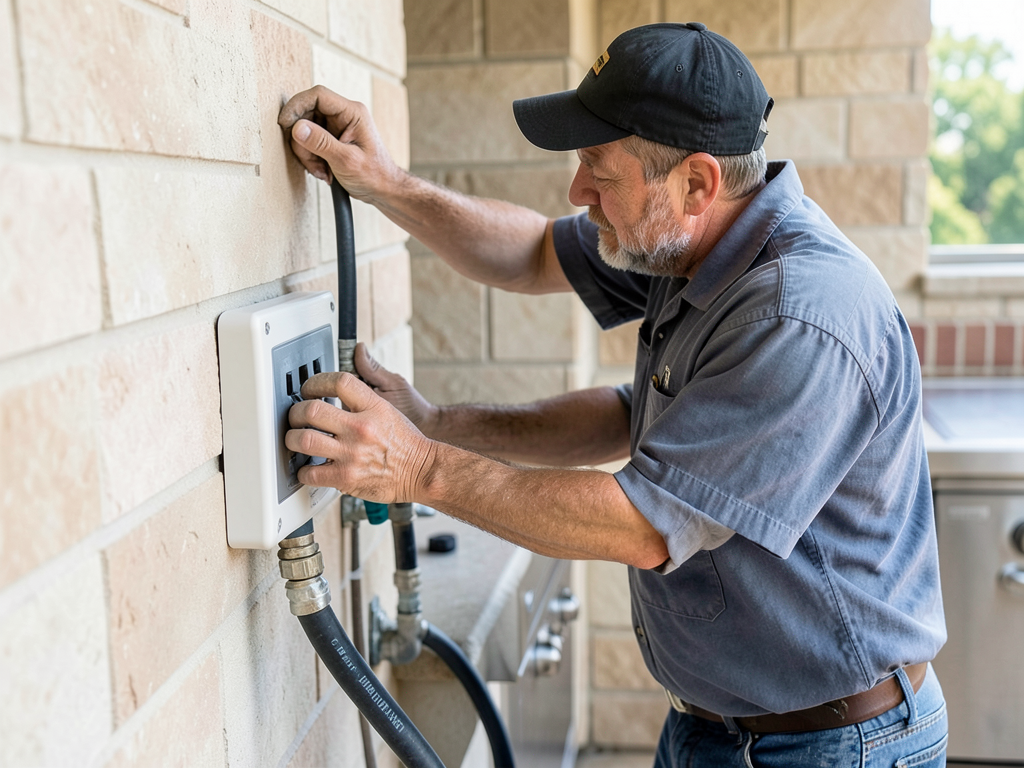
Understanding Outdoor Kitchen Electrical Needs in Sienna
Installing a new outdoor pizza oven or smoker in Sienna brings excitement and the promise of backyard gatherings. However, before you fire up that first pizza or slow-smoked brisket, you need to understand the electrical requirements that keep your setup safe and code-compliant. Houston’s humid climate and specific building codes make outdoor kitchen electrical work more complex than many homeowners expect. How to Plan Your Outdoor Landscape Lighting in The Woodlands Without Overspending.
The City of Houston enforces strict electrical standards for outdoor installations. These requirements protect against moisture damage, electrical shock, and fire hazards that are particularly relevant in our subtropical environment. A dedicated circuit isn’t just a recommendation—it’s often a necessity for high-powered outdoor cooking equipment. City of Houston Building Department.
Many Sienna homeowners discover too late that their existing outdoor outlets can’t handle the load from modern pizza ovens and smokers. These appliances often draw significant power during preheating and cooking cycles. Without proper electrical support, you risk tripped breakers, damaged equipment, or worse—electrical fires that could spread to your home. Electrical Houston.
Professional electricians in the Houston area understand the unique challenges of our region. From the expansive clay soil that affects underground conduit installation to the high humidity that accelerates corrosion, local expertise makes the difference between a safe installation and a potential hazard. Protect Your Tech With Professional Whole House Surge Protection in Cypress.
Power Requirements for Popular Outdoor Cooking Appliances
Different outdoor cooking appliances have vastly different electrical needs. Understanding these requirements helps you plan your electrical infrastructure correctly.. Read more about Why your Fall Creek garage needs a dedicated circuit for that new smart opener.
Pizza ovens typically require 120-volt or 240-volt circuits depending on their size and heating technology. Wood-fired pizza ovens with electric igniters need less power than electric pizza ovens that reach 700+ degrees Fahrenheit. Most high-end electric pizza ovens require a dedicated 20-amp, 120-volt circuit at minimum.
Smokers present their own electrical challenges. Electric pellet smokers need continuous power for the auger system, temperature controller, and sometimes a convection fan. These units often draw 300-500 watts during operation, with spikes up to 1,500 watts during ignition cycles. A dedicated 15-amp circuit usually suffices, but larger models may need 20 amps.
Combination units that offer both smoking and grilling functions typically require more power. These multi-zone cooking appliances might need 240-volt service to handle multiple heating elements simultaneously. Some premium outdoor cooking centers draw as much power as a standard electric range.
Beyond the cooking appliance itself, outdoor kitchens often include refrigerators, ice makers, beverage coolers, and lighting. Each of these devices needs its own dedicated circuit to prevent overload. The National Electrical Code requires GFCI protection for all outdoor receptacles, and Houston’s amendments add additional requirements for weather-resistant equipment. National Fire Protection Association.
GFCI Protection and Weatherproofing Requirements
GFCI (Ground Fault Circuit Interrupter) protection is non-negotiable for outdoor electrical installations in Houston. These devices detect ground faults and shut off power in milliseconds, preventing potentially fatal electrical shocks in wet conditions.
Houston’s amendments to the NEC require GFCI protection for all 15-amp and 20-amp receptacles in outdoor locations. This includes receptacles that serve outdoor kitchens, patios, and any exterior walls. The GFCI device can be built into the receptacle itself or installed as a GFCI circuit breaker in your electrical panel.. Read more about Why Your Microwave Only Trips the Breaker When You Use the Toaster in Alief.
Weatherproofing goes beyond GFCI protection. All outdoor receptacles must have weatherproof covers that protect the device when cords are plugged in. Standard covers don’t provide adequate protection when a cord is connected. Instead, you need “in-use” covers that maintain a weatherproof seal even with a cord plugged in.
Houston’s high humidity accelerates corrosion in outdoor electrical components. Professional electricians use corrosion-resistant materials including stainless steel hardware, weather-resistant GFCI devices, and sealed conduit fittings. These materials cost more upfront but prevent expensive repairs and safety hazards down the road.
Temperature fluctuations in our region also affect outdoor electrical components. Summer heat can cause expansion in wiring and connections, while winter cold creates contraction. Quality installations account for these thermal movements to prevent loose connections that could arc or overheat.
Dedicated Circuit Requirements and Load Calculations
Determining whether you need a dedicated circuit requires understanding your electrical load. The National Electrical Code and Houston amendments provide specific guidelines for calculating these loads.
A dedicated circuit serves only one appliance or device. This isolation prevents overload from multiple devices sharing the same circuit. For outdoor kitchens, dedicated circuits are essential for:
- High-powered cooking appliances (pizza ovens, smokers, grills)
- Refrigeration units
- Ice makers and beverage coolers
- Outdoor entertainment systems
- Heating elements for outdoor spaces
Load calculation involves adding the wattage of all devices that might operate simultaneously. A typical outdoor kitchen might include:
- Pizza oven: 1,200-2,400 watts
- Refrigerator: 150-400 watts
- Lighting: 100-300 watts
- Beverage cooler: 100-250 watts
Total potential load: 1,550-3,350 watts. This exceeds the safe capacity of a standard 15-amp, 120-volt circuit (1,800 watts maximum). A 20-amp circuit (2,400 watts maximum) provides better safety margin.
Many Sienna homes built before 2010 have 100-amp electrical service. Modern outdoor kitchens often require 200-amp service to handle the additional load. If your main panel lacks capacity, you might need a sub-panel dedicated to outdoor circuits.
Underground Conduit Installation in Houston Soil
Running electrical wiring underground requires specific techniques suited to Houston’s expansive clay soil. The soil expands when wet and contracts when dry, creating movement that can damage underground electrical systems.
National Electrical Code requires a minimum of 18 inches of cover for PVC conduit in residential applications. In areas with vehicle traffic, this increases to 24 inches. Houston’s amendments often require deeper burial in flood-prone zones.
PVC conduit is the most common choice for underground installations. It resists corrosion and provides good protection against moisture. However, in areas with heavy vehicle traffic or where rigid protection is needed, rigid metal conduit might be required.
Direct burial cable is another option. UF-B (Underground Feeder) cable can be buried without conduit in some applications. However, UF-B cable lacks the physical protection of conduit and is more vulnerable to damage from roots, rocks, or future digging.
Expansion fittings are critical in Houston’s clay soil. These fittings allow the conduit to move slightly without breaking connections. Without expansion fittings, the seasonal movement of clay soil can crack conduit and expose wiring to moisture.
Proper trenching technique matters. Sharp rocks in the trench can damage conduit over time. Professional electricians line trenches with sand or fine gravel to provide a smooth surface for the conduit. This extra step prevents abrasion that could compromise the conduit’s integrity.
Houston Permitting and Inspection Process
Installing outdoor kitchen electrical systems requires permits from the City of Houston. The permitting process ensures your installation meets all safety codes and will pass inspection.
Electrical permits for outdoor kitchens typically cost $100-$300 depending on the scope of work. The permit application requires:
- Detailed electrical plans showing circuit layouts
- Load calculations demonstrating adequate capacity
- Equipment specifications for all installed devices
- Conduit routing diagrams for underground work
Houston’s permitting process usually takes 3-5 business days for residential projects. Expedited permits are available for an additional fee if you’re on a tight timeline.
Inspections occur at specific stages. A rough-in inspection happens after all wiring is installed but before walls or conduit are covered. A final inspection occurs when the entire project is complete. Both inspections must pass before you can legally use the electrical system.
Common inspection failures include:
- Insufficient GFCI protection
- Improper burial depth
- Missing weatherproof covers
- Incorrect wire sizing
- Lack of proper bonding for metal components
Working with a licensed Houston electrician familiar with local codes reduces the risk of inspection failures and costly rework. The Top Rated Licensed Electricians Serving the River Oaks Area.
Professional Installation vs. DIY: Safety and Liability
DIY electrical work for outdoor kitchens might seem cost-effective, but it carries significant risks. Professional installation provides safety, code compliance, and liability protection that DIY work cannot match.
Safety represents the primary concern. Outdoor electrical work involves working with live circuits, often in wet conditions. Professional electricians use lockout/tagout procedures, insulated tools, and proper personal protective equipment to prevent accidents.
Code compliance ensures your installation passes inspection and won’t cause problems when you sell your home. Houston’s electrical code includes specific requirements for outdoor installations that many DIYers overlook. These oversights can lead to failed inspections, expensive rework, or even insurance claim denials.
Liability protection matters more than many homeowners realize. If your DIY electrical work causes a fire, your homeowner’s insurance might deny the claim. Insurance companies often require permits and professional installation for coverage to apply.
Professional electricians carry liability insurance that protects you if something goes wrong. They also provide warranties on their work, giving you recourse if problems develop later.
Time efficiency represents another advantage. What might take a DIYer several weekends, a professional can complete in a day or two. This faster completion means you can start enjoying your outdoor kitchen sooner.
Common Mistakes to Avoid in Outdoor Kitchen Electrical Work
Understanding common mistakes helps you avoid costly errors in your outdoor kitchen electrical installation.
Undersized circuits cause frequent breaker trips and can damage appliances. Many homeowners install 15-amp circuits when 20-amp circuits are needed. The cost difference is minimal, but the performance difference is significant.
Missing GFCI protection is a code violation that creates safety hazards. Some DIYers install standard receptacles in outdoor locations, not realizing GFCI protection is required. This mistake can cause inspection failures and creates shock hazards.
Improper burial depth leaves wiring vulnerable to damage. Some DIY installations use shallow burial to save time and money. However, shallow burial makes wiring susceptible to damage from gardening tools, erosion, or freeze-thaw cycles.
Using indoor-rated equipment outdoors causes premature failure and safety hazards. Indoor receptacles, switches, and covers lack the weatherproofing needed for outdoor use. Houston’s humidity accelerates corrosion in indoor-rated devices, leading to connection failures.
Overloading existing circuits happens when homeowners add outdoor appliances without calculating the total load. This can cause nuisance tripping and potentially overheat wiring in walls or conduit.
Skipping permits might seem like a time-saver, but it creates problems when selling your home or filing insurance claims. Unpermitted work can also cause issues with future renovations that require opening walls or accessing existing wiring.
Planning Your Outdoor Kitchen Electrical Infrastructure
Proper planning prevents many common outdoor kitchen electrical problems. Start by inventorying all electrical devices you plan to install.
Create a list of appliances with their electrical requirements. Include cooking equipment, refrigeration, lighting, entertainment systems, and any heating elements. This inventory forms the basis for your load calculations.
Map your outdoor kitchen layout. Note where each device will be located and how far it is from your main electrical panel. This information helps determine conduit routing and whether you need a sub-panel.
Consider future expansion. Installing extra conduit capacity during initial construction costs little but provides flexibility for later additions. A four-inch conduit costs only slightly more than a two-inch conduit but allows for future wiring upgrades.
Plan for dedicated circuits based on your load calculations. Remember that simultaneous operation of multiple high-power devices requires adequate circuit capacity. It’s better to have slightly more circuits than you currently need than to run out of capacity later.
Think about lighting design. Outdoor kitchens need task lighting for food preparation, ambient lighting for dining areas, and safety lighting for walkways. Each lighting zone might need its own circuit for flexibility and control.
Consider smart home integration. Many outdoor kitchens now include Wi-Fi-connected devices that can be controlled via smartphone apps. These devices need reliable power and sometimes network connectivity. Finding a Reliable Electrician for Your Sugar Land Kitchen Remodel.
Cost Factors for Outdoor Kitchen Electrical Work
Several factors affect the cost of outdoor kitchen electrical installation. Understanding these helps you budget appropriately.
Distance from the main panel significantly impacts cost. Longer runs require more conduit, wire, and labor. A 50-foot run might cost $500-$800, while a 100-foot run could cost $1,000-$1,500 or more.
Panel capacity affects whether you need a sub-panel. If your main panel lacks space or capacity, adding a sub-panel might add $800-$1,500 to your project cost. However, this investment provides long-term flexibility for future additions.
Soil conditions influence trenching costs. Rocky soil or areas with tree roots require more labor to excavate. Clay soil that’s wet can be difficult to work with, potentially increasing labor costs.
Quality of materials affects both initial cost and long-term reliability. Weather-resistant GFCI receptacles cost $40-$60 each versus $15-$20 for standard models. While more expensive upfront, quality materials prevent costly repairs and replacements.
Permit fees vary by jurisdiction but typically range from $100-$300 for residential outdoor kitchen projects. Some areas charge based on project value rather than a flat fee.
Emergency service calls for outdoor kitchen electrical problems often cost more than scheduled installations. Planning ahead and scheduling work during normal business hours can save you money.
Maintenance and Troubleshooting for Outdoor Electrical Systems
Outdoor electrical systems require regular maintenance to ensure safety and reliability. Houston’s climate creates specific maintenance needs.
Inspect GFCI devices monthly by pressing the test button. This ensures they trip properly and will protect you when needed. Replace GFCI devices every 10-15 years, as their internal components degrade over time.
Check weatherproof covers annually for cracks or deterioration. Houston’s UV exposure and temperature fluctuations can degrade plastic covers. Replace damaged covers immediately to maintain weather protection.
Examine conduit fittings for corrosion or loose connections. The expansion and contraction of Houston’s clay soil can loosen fittings over time. Tighten loose connections and replace corroded components promptly.
Test outdoor lighting regularly. Burnt-out bulbs or malfunctioning fixtures can create safety hazards. Replace LED fixtures every 5-7 years, as their light output decreases over time.
Monitor circuit breaker behavior. Frequent tripping indicates overload or a developing problem. Don’t just reset the breaker—identify and fix the underlying issue to prevent electrical fires.
Keep electrical panels and equipment clear of vegetation. Plants growing near electrical equipment can cause moisture problems and make maintenance difficult. Maintain at least three feet of clearance around all electrical panels.
Energy Efficiency Considerations
Energy-efficient outdoor kitchen design saves money and reduces environmental impact. Several strategies can improve efficiency.
LED lighting uses 75% less energy than traditional incandescent bulbs and lasts 25 times longer. For outdoor kitchens, LED fixtures provide bright, even light while minimizing energy consumption.
Energy-efficient appliances reduce operating costs. Look for ENERGY STAR certified refrigerators and ice makers for your outdoor kitchen. These units use advanced insulation and efficient compressors to minimize power consumption.
Smart controls can reduce energy waste. Timers and motion sensors ensure lights and other devices operate only when needed. Smart plugs can turn off devices automatically when not in use.
Proper insulation for outdoor refrigerators reduces compressor runtime. Units installed in direct sunlight or exposed to wind work harder and consume more energy. Consider installing refrigerators in shaded locations or adding insulation to outdoor kitchen structures.
Zone heating and cooling allows you to condition only occupied areas. Instead of heating or cooling your entire outdoor space, use targeted solutions like infrared heaters or misting fans in specific zones.
Future Trends in Outdoor Kitchen Electrical Design
Outdoor kitchen technology continues to evolve, creating new electrical requirements and opportunities.
Smart outdoor kitchens integrate with home automation systems. Voice-controlled lighting, temperature monitoring for smokers, and remote appliance control are becoming standard features. These smart devices require reliable power and sometimes network connectivity.
Solar-powered outdoor kitchens offer energy independence. Solar panels can power lighting, small appliances, and charging stations. Battery storage allows solar energy to be used even when the sun isn’t shining.
Induction cooking is gaining popularity for outdoor use. Induction cooktops are more energy-efficient than gas or traditional electric cooking and offer precise temperature control. However, they require 240-volt circuits and compatible cookware.
Electric fire features provide ambiance without combustion. Electric fire pits and fireplaces create realistic flame effects using LED lighting and water vapor. These features are safer and often easier to install than gas alternatives.
Outdoor entertainment systems continue to grow in sophistication. Weather-resistant televisions, outdoor sound systems, and Wi-Fi extenders require dedicated circuits and proper grounding to prevent interference and damage.
Electric vehicle charging stations are increasingly being installed in residential garages and outdoor areas. If you plan to add EV charging in the future, consider installing conduit and a dedicated circuit during your outdoor kitchen installation.
Frequently Asked Questions
Do I need a permit for outdoor kitchen electrical work in Sienna?
Yes, the City of Houston requires permits for all outdoor kitchen electrical installations. This includes dedicated circuits for pizza ovens, smokers, and other appliances. Permits ensure your work meets safety codes and will pass inspection.
How many amps do I need for a typical outdoor pizza oven?
Most residential pizza ovens require a dedicated 20-amp, 120-volt circuit. High-end electric pizza ovens that reach higher temperatures might need a 30-amp, 240-volt circuit. Always check your specific appliance’s electrical requirements in the owner’s manual.
Can I use my existing outdoor outlet for a new smoker?
Probably not. Most existing outdoor outlets are 15-amp circuits designed for basic lighting and small appliances. Smokers often need dedicated 15 or 20-amp circuits to handle their power requirements safely. Using an undersized circuit risks tripped breakers or electrical damage.
What type of conduit should I use for underground wiring?
PVC conduit is the most common choice for residential underground installations. It resists corrosion and provides good moisture protection. In Houston’s clay soil, use schedule 40 PVC for most applications, or schedule 80 PVC where extra protection is needed.
How deep should I bury electrical conduit for my outdoor kitchen?
The National Electrical Code requires a minimum of 18 inches of cover for PVC conduit in residential applications. In areas with vehicle traffic or where rigid protection is needed, this increases to 24 inches. Houston’s amendments may require deeper burial in flood-prone zones.
Do outdoor GFCI receptacles need special covers?
Yes, outdoor GFCI receptacles need weatherproof “in-use” covers that protect the device even when a cord is plugged in. Standard covers don’t provide adequate protection when a cord is connected. These special covers maintain a weatherproof seal around the plugged-in cord.
Can I install outdoor kitchen electrical myself to save money?
While DIY installation is possible, it carries significant risks. Professional installation ensures code compliance, safety, and proper permitting. DIY electrical work that causes problems could void your homeowner’s insurance and create safety hazards. For most homeowners, professional installation is the safer choice.
How much does it cost to add electrical service for an outdoor kitchen?
Costs vary widely based on your specific needs. A basic setup with one or two dedicated circuits might cost $800-$1,500. More complex installations with multiple circuits, sub-panels, or long conduit runs can cost $3,000-$5,000 or more. Getting quotes from licensed electricians helps you budget accurately.
What happens if my outdoor kitchen electrical fails inspection?
If your installation fails inspection, you’ll need to correct the problems and request a re-inspection. Common failures include missing GFCI protection, improper burial depth, or using indoor-rated equipment outdoors. Professional electricians familiar with local codes can help ensure your installation passes inspection the first time.
How long does outdoor kitchen electrical installation take?
A typical outdoor kitchen electrical installation takes 1-3 days, depending on complexity. This includes running conduit, installing devices, connecting to your main panel, and passing inspection. More complex projects with sub-panels or long conduit runs might take longer.
Ready to Power Your Outdoor Kitchen Safely?
Installing electrical service for your outdoor pizza oven or smoker requires expertise, proper permits, and attention to Houston’s specific code requirements. Don’t risk electrical hazards or failed inspections by cutting corners on this important project.
Titan Electricians Houston has served the Sienna area and surrounding communities for years, providing safe, code-compliant electrical installations for outdoor kitchens, pools, and landscape lighting. Our licensed electricians understand Houston’s unique climate challenges and building code requirements.
Whether you need a simple dedicated circuit for your new smoker or a complete outdoor kitchen electrical system with multiple zones and smart controls, we have the expertise to get it done right. We handle everything from initial load calculations and permit applications to final inspection and testing.
Don’t let electrical concerns delay your outdoor cooking plans. Contact Titan Electricians Houston today at (281) 552-7811 for a free consultation and estimate. We’ll evaluate your current electrical capacity, design a safe and efficient system for your outdoor kitchen, and handle all permitting and inspections.
Your outdoor cooking adventures should be about great food and good times—not electrical problems. Let us handle the technical details so you can focus on creating memories with family and friends around your new outdoor kitchen.
Call (281) 552-7811 now or visit our website to schedule your free outdoor kitchen electrical assessment. We serve Sienna, League City, Friendswood, Clear Lake, and all surrounding Houston communities.
Remember: Safe outdoor kitchen electrical installation isn’t just about convenience—it’s about protecting your home, your family, and your investment. Trust the local experts at Titan Electricians Houston to power your outdoor dreams safely and reliably.
{
“@context”: “https://schema.org”,
“@type”: “BlogPosting”,
“headline”: “Does Your New Outdoor Pizza Oven or Smoker Need a Dedicated Circuit in Sienna”,
“description”: “Wondering if your new outdoor pizza oven or smoker needs a dedicated circuit in Sienna? Learn Houston electrical code requirements, GFCI protection, and safe installation.”,
“wordCount”: 3501,
“datePublished”: “2026-06-11T09:07:00.000Z”,
“dateModified”: “2026-06-11T09:07:00.000Z”,
“inLanguage”: “en-US”,
“mainEntityOfPage”: {
“@type”: “WebPage”,
“@id”: “https://titanelectricianshouston.com”
},
“publisher”: {
“@type”: “LocalBusiness”,
“name”: “Titan Electricians Houston”,
“url”: “https://titanelectricianshouston.com”
},
“author”: {
“@type”: “Organization”,
“name”: “Titan Electricians Houston”,
“url”: “https://titanelectricianshouston.com”
},
“image”: {
“@type”: “ImageObject”,
“url”: “https://titanelectricianshouston.com/wp-content/uploads/2026/03/does-your-new-outdoor-pizza-oven-or-smoker-need-a-1.png”
}
}
{
“@context”: “https://schema.org”,
“@type”: “Electrician”,
“name”: “Titan Electricians Houston”,
“url”: “https://titanelectricianshouston.com”,
“address”: {
“@type”: “PostalAddress”,
“addressLocality”: “Houston”
},
“areaServed”: {
“@type”: “City”,
“name”: “Houston”
}
}
{
“@context”: “https://schema.org”,
“@type”: “FAQPage”,
“mainEntity”: [
{
“@type”: “Question”,
“name”: “Do I need a permit for outdoor kitchen electrical work in Sienna?”,
“acceptedAnswer”: {
“@type”: “Answer”,
“text”: “Yes, the City of Houston requires permits for all outdoor kitchen electrical installations. This includes dedicated circuits for pizza ovens, smokers, and other appliances. Permits ensure your work meets safety codes and will pass inspection.”
}
},
{
“@type”: “Question”,
“name”: “How many amps do I need for a typical outdoor pizza oven?”,
“acceptedAnswer”: {
“@type”: “Answer”,
“text”: “Most residential pizza ovens require a dedicated 20-amp, 120-volt circuit. High-end electric pizza ovens that reach higher temperatures might need a 30-amp, 240-volt circuit. Always check your specific appliance’s electrical requirements in the owner’s manual.”
}
},
{
“@type”: “Question”,
“name”: “Can I use my existing outdoor outlet for a new smoker?”,
“acceptedAnswer”: {
“@type”: “Answer”,
“text”: “Probably not. Most existing outdoor outlets are 15-amp circuits designed for basic lighting and small appliances. Smokers often need dedicated 15 or 20-amp circuits to handle their power requirements safely. Using an undersized circuit risks tripped breakers or electrical damage.”
}
},
{
“@type”: “Question”,
“name”: “What type of conduit should I use for underground wiring?”,
“acceptedAnswer”: {
“@type”: “Answer”,
“text”: “PVC conduit is the most common choice for residential underground installations. It resists corrosion and provides good moisture protection. In Houston’s clay soil, use schedule 40 PVC for most applications, or schedule 80 PVC where extra protection is needed.”
}
},
{
“@type”: “Question”,
“name”: “How deep should I bury electrical conduit for my outdoor kitchen?”,
“acceptedAnswer”: {
“@type”: “Answer”,
“text”: “The National Electrical Code requires a minimum of 18 inches of cover for PVC conduit in residential applications. In areas with vehicle traffic or where rigid protection is needed, this increases to 24 inches. Houston’s amendments may require deeper burial in flood-prone zones.”
}
},
{
“@type”: “Question”,
“name”: “Do outdoor GFCI receptacles need special covers?”,
“acceptedAnswer”: {
“@type”: “Answer”,
“text”: “Yes, outdoor GFCI receptacles need weatherproof \”in-use\” covers that protect the device even when a cord is plugged in. Standard covers don’t provide adequate protection when a cord is connected. These special covers maintain a weatherproof seal around the plugged-in cord.”
}
},
{
“@type”: “Question”,
“name”: “Can I install outdoor kitchen electrical myself to save money?”,
“acceptedAnswer”: {
“@type”: “Answer”,
“text”: “While DIY installation is possible, it carries significant risks. Professional installation ensures code compliance, safety, and proper permitting. DIY electrical work that causes problems could void your homeowner’s insurance and create safety hazards. For most homeowners, professional installation is the safer choice.”
}
},
{
“@type”: “Question”,
“name”: “How much does it cost to add electrical service for an outdoor kitchen?”,
“acceptedAnswer”: {
“@type”: “Answer”,
“text”: “Costs vary widely based on your specific needs. A basic setup with one or two dedicated circuits might cost $800-$1,500. More complex installations with multiple circuits, sub-panels, or long conduit runs can cost $3,000-$5,000 or more. Getting quotes from licensed electricians helps you budget accurately.”
}
},
{
“@type”: “Question”,
“name”: “What happens if my outdoor kitchen electrical fails inspection?”,
“acceptedAnswer”: {
“@type”: “Answer”,
“text”: “If your installation fails inspection, you’ll need to correct the problems and request a re-inspection. Common failures include missing GFCI protection, improper burial depth, or using indoor-rated equipment outdoors. Professional electricians familiar with local codes can help ensure your installation passes inspection the first time.”
}
},
{
“@type”: “Question”,
“name”: “How long does outdoor kitchen electrical installation take?”,
“acceptedAnswer”: {
“@type”: “Answer”,
“text”: “A typical outdoor kitchen electrical installation takes 1-3 days, depending on complexity. This includes running conduit, installing devices, connecting to your main panel, and passing inspection. More complex projects with sub-panels or long conduit runs might take longer.”
}
},
{
“@type”: “Question”,
“name”: “Ready to Power Your Outdoor Kitchen Safely?”,
“acceptedAnswer”: {
“@type”: “Answer”,
“text”: “Installing electrical service for your outdoor pizza oven or smoker requires expertise, proper permits, and attention to Houston’s specific code requirements. Don’t risk electrical hazards or failed inspections by cutting corners on this important project.”
}
}
]
}
{
“@context”: “https://schema.org”,
“@type”: “BreadcrumbList”,
“itemListElement”: [
{
“@type”: “ListItem”,
“position”: 1,
“name”: “Home”,
“item”: “https://titanelectricianshouston.com”
},
{
“@type”: “ListItem”,
“position”: 2,
“name”: “Blog”,
“item”: “https://titanelectricianshouston.com/blog”
},
{
“@type”: “ListItem”,
“position”: 3,
“name”: “Does Your New Outdoor Pizza Oven or Smoker Need a Dedicated Circuit in Sienna”
}
]
}
{
“@context”: “https://schema.org”,
“@type”: “Service”,
“serviceType”: “Electricians”,
“provider”: {
“@type”: “LocalBusiness”,
“name”: “Titan Electricians Houston”,
“url”: “https://titanelectricianshouston.com”
},
“areaServed”: {
“@type”: “City”,
“name”: “Houston”
},
“description”: “Wondering if your new outdoor pizza oven or smoker needs a dedicated circuit in Sienna? Learn Houston electrical code requirements, GFCI protection, and safe installation.”
}