
Navigating electrical upgrades in Old Sixth Ward historic homes without losing their charm
Old Sixth Ward homes tell stories through their lath and plaster walls. The challenge comes when those walls hide electrical systems from the 1920s. You need power for modern life but want to keep the character that makes your home special. Electrical Houston.
Many Old Sixth Ward houses still use knob and tube wiring. This old system cannot handle today’s electrical loads. It also lacks grounding which creates safety risks. The good news is you can upgrade your system without destroying original features.
Historic districts have strict rules about changes to buildings. The Houston Archaeological and Historical Commission reviews any work that affects the exterior or significant interior features. You need to know these rules before starting any electrical work.
Local electricians understand how to work in these old homes. They know how to run new wires through existing walls without damaging original plaster. They also understand the permitting process for historic properties.
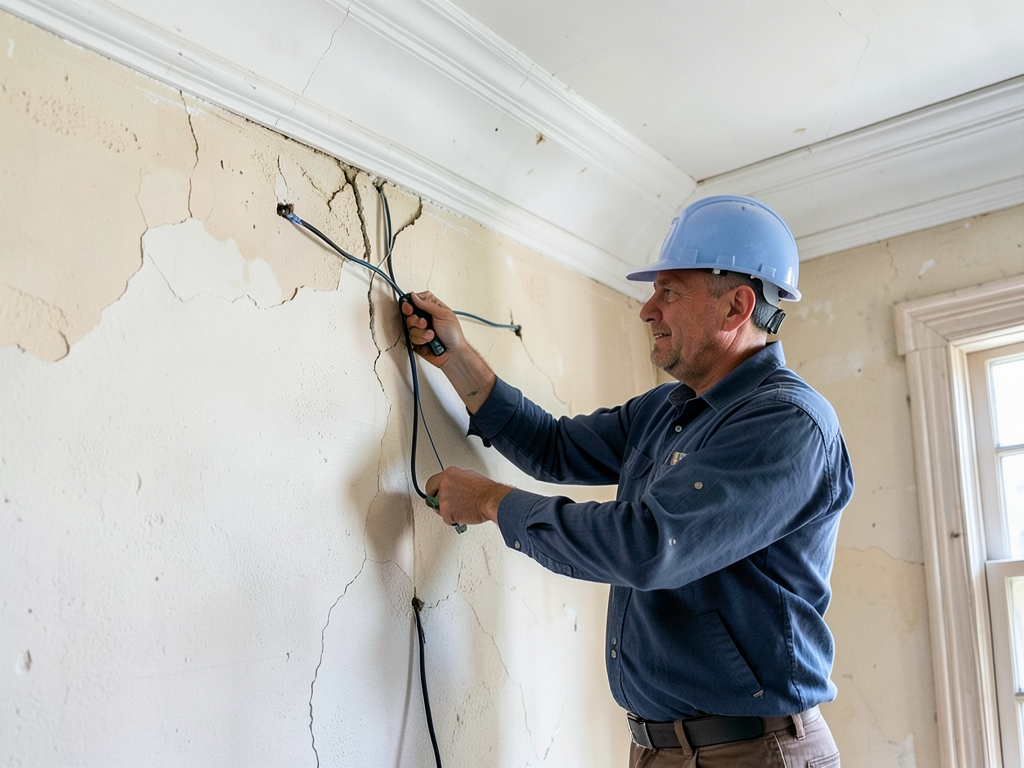
Understanding your home’s electrical system
Most Old Sixth Ward homes built before 1950 have electrical systems designed for basic lighting and a few appliances. These systems typically provide 60 amps total. Today’s homes need at least 200 amps to run HVAC systems, computers, kitchen appliances, and entertainment systems.
Common electrical issues in historic homes include:
- Ungrounded outlets that cannot safely power modern electronics
- Cloth-covered wiring that deteriorates over time
- Insufficient circuits that cause breakers to trip
- Outdated panels that cannot support new technology
The electrical code has changed dramatically since these homes were built. Modern code requires GFCI protection in wet areas like kitchens and bathrooms. It also requires AFCI protection in bedrooms and living areas to prevent fires. Protect Your Tech With Professional Whole House Surge Protection in Cypress.
Upgrading your system improves safety and can lower insurance costs. Many insurance companies offer discounts for homes with modern electrical systems. They recognize the reduced fire risk.
Working with historic district regulations
The Old Sixth Ward is a protected historic district. Any exterior changes require approval from the Houston Archaeological and Historical Commission. Interior changes that affect significant architectural features also need review.
Electrical work that typically requires permits includes:
- Replacing the main electrical panel
- Adding new circuits
- Upgrading the service entrance
- Installing new outlets or switches
The permitting process takes time. Plan for at least two weeks for permit approval. Some projects may need additional review from the historic commission. This can extend the timeline to several months.
Professional electricians familiar with historic districts know how to navigate this process. They prepare the required documentation and coordinate with inspectors. This saves you time and prevents costly mistakes.
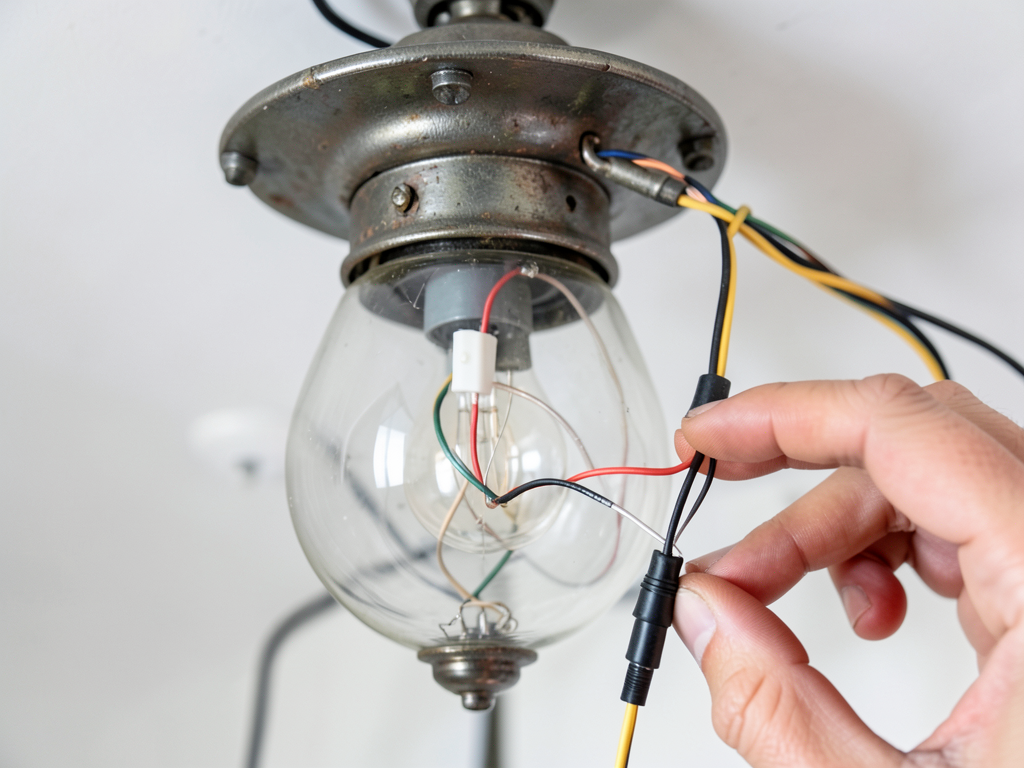
Non-invasive rewiring techniques
Modern electricians use several techniques to upgrade wiring without destroying historic features. These methods protect your home’s character while providing safe, reliable power. Finding a Reliable Electrician for Your Sugar Land Kitchen Remodel.
One common approach uses existing chases and voids in walls. Electricians carefully remove small sections of plaster to access these spaces. They run new wires through the voids and patch the plaster to match the original finish.
Surface-mounted raceways offer another option. These channels attach to walls and ceilings to carry wires. When painted to match existing surfaces, they become nearly invisible. This method works well for adding outlets or running wires to new locations.
Floor outlets provide power without wall penetration. These outlets install flush with the floor and work well in rooms with wood flooring. They eliminate the need to cut into plaster walls. Three-Phase Power Services.
Wireless lighting controls reduce the need for new wiring. Modern systems use radio signals to control lights and outlets. This technology lets you add convenience without physical changes to historic walls.
Cost factors for historic home electrical upgrades
Electrical upgrades in historic homes cost more than in newer construction. The extra cost comes from specialized techniques and careful preservation work. However, the investment protects your home and improves safety.
Several factors affect the total cost:
- Age and condition of existing wiring
- Accessibility of walls and ceilings
- Scope of work (partial upgrade vs. complete rewire)
- Historic district requirements
- Permit and inspection fees
A partial upgrade that replaces only the most dangerous components costs less than a complete rewire. However, partial upgrades may not provide all the benefits of a full system replacement. Your electrician can help you balance cost and functionality.
Insurance savings can offset some upgrade costs. Some insurers offer 5-15% discounts for homes with modern electrical systems. Over time, these savings add up to significant amounts.
Common electrical problems in Old Sixth Ward homes
Old wiring creates several safety hazards. Understanding these problems helps you recognize when upgrades become necessary.
Frequent breaker trips indicate overloaded circuits. This happens when you plug too many devices into old wiring. The breakers trip to prevent overheating and potential fires.
Warm outlets or switch plates suggest dangerous heat buildup. This heat comes from resistance in old wiring. Left unchecked, it can cause fires.
Flickering lights often mean loose connections or inadequate power supply. These issues create arcing that can ignite surrounding materials.
Two-prong outlets cannot safely power modern electronics. They lack the grounding that protects devices from power surges. This can damage expensive equipment.
Older panels may contain obsolete breakers that fail to trip when needed. This failure removes the primary safety protection in your electrical system.
Preserving architectural details during upgrades
Old Sixth Ward homes feature beautiful architectural details. Crown molding, wainscoting, and original light fixtures add character. Professional electricians know how to preserve these features during upgrades.
Original light fixtures often have historical value. Many can be rewired to meet modern safety standards. This preserves their appearance while making them functional.
Crown molding and ceiling medallions require special care. Electricians use fish tape and flexible drill bits to run wires without damaging these features. They also know how to patch plaster to match existing textures.
Hardwood floors in older homes need protection during electrical work. Electricians use specialized tools to minimize damage. When cuts become necessary, they match wood grain and stain for invisible repairs.
Original switch plates and outlet covers often have unique designs. Many homeowners choose reproductions that match the period style. This maintains visual consistency while providing modern functionality.
Energy efficiency improvements
Electrical upgrades offer opportunities for energy savings. Modern technology can reduce your utility bills while improving comfort.
LED lighting uses 75% less energy than traditional bulbs. It also produces less heat, reducing cooling costs in Houston’s hot climate. Many historic fixtures can accommodate LED bulbs with minimal modification.
Smart thermostats optimize HVAC operation. They learn your schedule and adjust temperatures automatically. This prevents wasted energy when you are away from home.
Motion sensors in less-used areas prevent lights from staying on unnecessarily. These devices work well in hallways, closets, and outdoor spaces. How to Plan Your Outdoor Landscape Lighting in The Woodlands Without Overspending.
Whole-house surge protection safeguards electronics from power spikes. This protection extends equipment life and prevents data loss from electrical surges.
Choosing the right electrician for your historic home
Not all electricians have experience with historic properties. You need someone who understands both electrical systems and historic preservation.
Look for electricians with specific qualifications:
- Texas Electrical Contractor License
- Experience with historic district projects
- Knowledge of Houston building codes
- Positive references from similar projects
- Insurance coverage for historic properties
Ask potential electricians about their approach to historic homes. They should discuss preservation techniques and show examples of similar work. Their answers reveal their understanding of historic preservation principles.
Get detailed written estimates that specify materials and methods. This documentation protects you if questions arise later. It also helps you compare proposals accurately.
Timeline for electrical upgrades
Electrical projects in historic homes take longer than in newer construction. The extra time ensures proper preservation and code compliance.
Initial consultation and assessment typically requires one to two hours. The electrician evaluates your system and discusses options. They also review historic district requirements.
Permit acquisition takes two to four weeks. This timeline includes plan review and approval. Rush permits may be available for an additional fee.
Most electrical upgrades require two to five days of active work. Complex projects or those requiring extensive preservation work take longer. Your electrician can provide a more accurate timeline after assessment.
Final inspection and approval adds one to two weeks. This includes scheduling with the city and addressing any required corrections.
Financing your electrical upgrade
Several options help manage the cost of electrical upgrades. Understanding these options helps you plan your project effectively.
Home equity loans or lines of credit offer competitive interest rates. These loans use your home’s value as collateral. They work well for larger projects with long-term benefits.
Some utility companies offer rebates for energy-efficient upgrades. These rebates can offset part of your electrical upgrade costs. Check with your local utility for current programs.
Historic preservation tax credits may be available for qualifying work. These credits reduce your tax liability for approved improvements. Your electrician or a preservation specialist can help determine eligibility.
Payment plans through electrical contractors provide another option. These plans spread costs over time, making large projects more manageable. Be sure to understand all terms before committing.
Maintaining your upgraded electrical system
After upgrading your electrical system, proper maintenance ensures long-term reliability. Simple steps protect your investment and prevent future problems.
Regular visual inspections help catch issues early. Look for signs like warm outlets, flickering lights, or burning smells. Address these problems promptly to prevent damage.
Test GFCI and AFCI breakers monthly. These devices protect against shocks and fires. They need periodic testing to ensure proper operation.
Keep your electrical panel accessible and clearly labeled. This accessibility helps during emergencies and makes future troubleshooting easier.
Avoid overloading circuits with too many devices. Even modern wiring has limits. Distribute electrical loads across multiple circuits when possible.
Schedule periodic professional inspections every few years. Electricians can identify developing issues before they become serious problems.
Benefits of professional electrical upgrades
Professional electrical upgrades provide numerous benefits beyond basic functionality. These improvements enhance your home’s value and livability.
Improved safety stands as the primary benefit. Modern electrical systems reduce fire and shock risks significantly. This protection gives you peace of mind.
Increased home value comes from modern electrical infrastructure. Buyers pay premiums for homes with updated systems. This value increase often exceeds upgrade costs.
Better functionality supports modern lifestyles. Your upgraded system handles today’s electrical demands without issues. This reliability eliminates frustration from tripped breakers or inadequate power.
Energy efficiency reduces utility costs. Modern systems waste less power through heat loss or inefficient operation. These savings accumulate over time.
Enhanced resale potential attracts more buyers. Modern electrical systems remove a common objection from potential purchasers. This wider appeal can speed your home’s sale.
Frequently Asked Questions
How do I know if my Old Sixth Ward home needs electrical upgrades?
Several signs indicate the need for upgrades. Frequent breaker trips, warm outlets, flickering lights, and two-prong outlets all suggest outdated wiring. If your home is over 50 years old and still has original wiring, an inspection is wise.
Will electrical upgrades damage my home’s historic character?
Professional electricians use techniques that preserve historic features. They can often upgrade systems without visible changes to walls, ceilings, or architectural details. The goal is invisible improvements that maintain your home’s character.
How long do electrical upgrades take in historic homes?
Most projects require two to five days of active work. However, the total timeline extends to several weeks when including permits, inspections, and any required historic commission reviews. Your electrician can provide a specific timeline after assessment.
Are there financial incentives for upgrading historic home electrical systems?
Several options exist. Some utility companies offer rebates for energy-efficient upgrades. Historic preservation tax credits may apply to qualifying work. Additionally, insurance discounts for modern electrical systems can provide ongoing savings.
Can I upgrade just part of my electrical system?
Partial upgrades are possible and often cost-effective. Many homeowners start with the most critical safety issues. However, partial upgrades may not provide all benefits of a complete system replacement. Your electrician can help you evaluate options.
Do I need special permits for electrical work in the Old Sixth Ward?
Yes, electrical work in historic districts requires permits from the City of Houston. Some projects also need approval from the Houston Archaeological and Historical Commission. Professional electricians familiar with historic districts handle this permitting process. For more information, visit National Park Service – Historic Electrical Systems. For more information, visit Texas Building Code Administration.
{
“@context”: “https://schema.org”,
“@type”: “BlogPosting”,
“headline”: “Navigating electrical upgrades in Old Sixth Ward historic homes without losing their charm”,
“description”: “Learn how to upgrade electrical systems in Old Sixth Ward historic homes while preserving architectural charm and meeting historic district requirements.”,
“wordCount”: 2093,
“datePublished”: “2026-04-13T07:47:00.000Z”,
“dateModified”: “2026-04-13T07:47:00.000Z”,
“inLanguage”: “en-US”,
“mainEntityOfPage”: {
“@type”: “WebPage”,
“@id”: “https://titanelectricianshouston.com”
},
“publisher”: {
“@type”: “LocalBusiness”,
“name”: “Titan Electricians Houston”,
“url”: “https://titanelectricianshouston.com”
},
“author”: {
“@type”: “Organization”,
“name”: “Titan Electricians Houston”,
“url”: “https://titanelectricianshouston.com”
},
“image”: {
“@type”: “ImageObject”,
“url”: “https://titanelectricianshouston.com/wp-content/uploads/2026/03/navigating-electrical-upgrades-in-old-sixth-ward-h-1.png”
}
}
{
“@context”: “https://schema.org”,
“@type”: “Electrician”,
“name”: “Titan Electricians Houston”,
“url”: “https://titanelectricianshouston.com”,
“address”: {
“@type”: “PostalAddress”,
“addressLocality”: “Houston”
},
“areaServed”: {
“@type”: “City”,
“name”: “Houston”
}
}
{
“@context”: “https://schema.org”,
“@type”: “FAQPage”,
“mainEntity”: [
{
“@type”: “Question”,
“name”: “How do I know if my Old Sixth Ward home needs electrical upgrades?”,
“acceptedAnswer”: {
“@type”: “Answer”,
“text”: “Several signs indicate the need for upgrades. Frequent breaker trips, warm outlets, flickering lights, and two-prong outlets all suggest outdated wiring. If your home is over 50 years old and still has original wiring, an inspection is wise.”
}
},
{
“@type”: “Question”,
“name”: “Will electrical upgrades damage my home’s historic character?”,
“acceptedAnswer”: {
“@type”: “Answer”,
“text”: “Professional electricians use techniques that preserve historic features. They can often upgrade systems without visible changes to walls, ceilings, or architectural details. The goal is invisible improvements that maintain your home’s character.”
}
},
{
“@type”: “Question”,
“name”: “How long do electrical upgrades take in historic homes?”,
“acceptedAnswer”: {
“@type”: “Answer”,
“text”: “Most projects require two to five days of active work. However, the total timeline extends to several weeks when including permits, inspections, and any required historic commission reviews. Your electrician can provide a specific timeline after assessment.”
}
},
{
“@type”: “Question”,
“name”: “Are there financial incentives for upgrading historic home electrical systems?”,
“acceptedAnswer”: {
“@type”: “Answer”,
“text”: “Several options exist. Some utility companies offer rebates for energy-efficient upgrades. Historic preservation tax credits may apply to qualifying work. Additionally, insurance discounts for modern electrical systems can provide ongoing savings.”
}
},
{
“@type”: “Question”,
“name”: “Can I upgrade just part of my electrical system?”,
“acceptedAnswer”: {
“@type”: “Answer”,
“text”: “Partial upgrades are possible and often cost-effective. Many homeowners start with the most critical safety issues. However, partial upgrades may not provide all benefits of a complete system replacement. Your electrician can help you evaluate options.”
}
}
]
}
{
“@context”: “https://schema.org”,
“@type”: “BreadcrumbList”,
“itemListElement”: [
{
“@type”: “ListItem”,
“position”: 1,
“name”: “Home”,
“item”: “https://titanelectricianshouston.com”
},
{
“@type”: “ListItem”,
“position”: 2,
“name”: “Blog”,
“item”: “https://titanelectricianshouston.com/blog”
},
{
“@type”: “ListItem”,
“position”: 3,
“name”: “Navigating electrical upgrades in Old Sixth Ward historic homes without losing their charm”
}
]
}
{
“@context”: “https://schema.org”,
“@type”: “Service”,
“serviceType”: “Electricians”,
“provider”: {
“@type”: “LocalBusiness”,
“name”: “Titan Electricians Houston”,
“url”: “https://titanelectricianshouston.com”
},
“areaServed”: {
“@type”: “City”,
“name”: “Houston”
},
“description”: “Learn how to upgrade electrical systems in Old Sixth Ward historic homes while preserving architectural charm and meeting historic district requirements.”
}