
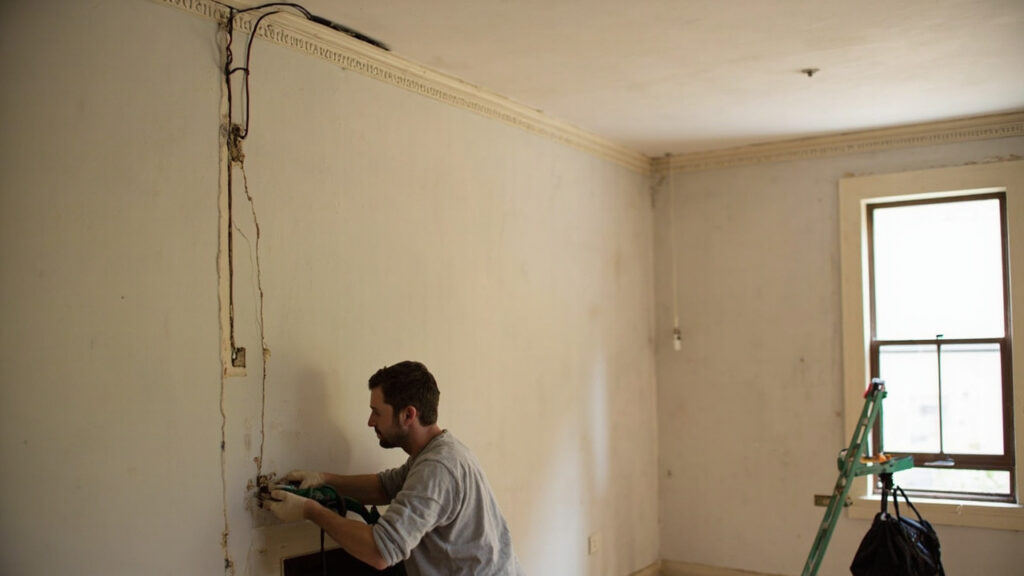
Safely Modernizing the Electrical System in Your Historic Montrose Duplex
Living in a historic Montrose duplex comes with character charm but also electrical challenges. Many of these homes built before 1950 contain outdated wiring systems that cannot safely handle modern power demands. Homeowners often discover their charming vintage property has hidden electrical hazards behind plaster walls.. Read more about Dealing With Aluminum Wiring in Older Spring Branch Houses.
Historic Houston homes typically feature original wiring like knob-and-tube or cloth-covered cables. These systems lack grounding and cannot support today’s electrical loads from air conditioning, computers, and kitchen appliances. The humid Houston climate accelerates wire insulation deterioration, creating fire risks that grow worse each year.. Read more about The Dangers of Leaving Knob and Tube Wiring in Your West End Cottage.
Modernizing these systems requires specialized knowledge of both electrical safety codes and historic preservation. The process involves carefully removing dangerous old wiring while preserving architectural details like crown molding and original plaster. This guide explains what to expect when upgrading your Montrose duplex’s electrical system.
Understanding Your Historic Home’s Electrical System
Most Montrose duplexes built before World War II contain electrical systems designed for minimal power usage. These homes originally powered just a few lights and perhaps a radio. Today’s electrical demands are exponentially higher.
Knob-and-tube wiring was the standard method from the 1880s through the 1940s. This system uses porcelain knobs to support wires and ceramic tubes where wires pass through wood framing. While functional for its time, knob-and-tube lacks a ground wire and becomes brittle with age. The cloth insulation deteriorates faster in Houston’s humid environment, exposing live wires.
Cloth-covered wiring replaced knob-and-tube in homes built from the 1940s through the 1960s. This system still lacks proper grounding and uses rubber or fabric insulation that breaks down over decades. Many Houston homes from this era now have exposed conductors due to insulation failure.
Older electrical panels often contain fuses instead of circuit breakers. These panels cannot accommodate modern safety devices like GFCI and AFCI protection. Insurance companies frequently refuse coverage for homes with these outdated systems.
Warning Signs Your Montrose Duplex Needs Electrical Upgrades
Several indicators suggest your historic home’s electrical system requires immediate attention. Recognizing these warning signs helps prevent dangerous situations.
Frequent circuit breaker trips indicate overloaded circuits. Modern appliances draw more power than original wiring can safely handle. When breakers trip repeatedly, the system struggles to meet demand.
Warm or discolored wall outlets signal dangerous heat buildup. This often occurs when old wiring connections loosen over time. Heat from poor connections can ignite surrounding materials.
Flickering lights throughout the home suggest voltage fluctuations. This commonly happens when old wiring cannot maintain consistent power delivery. Voltage drops stress sensitive electronics and create fire hazards.
Two-prong ungrounded outlets throughout the home indicate missing safety grounding. Modern three-prong devices require proper grounding for safe operation. Using adapters on ungrounded outlets creates shock hazards.
Charred or melted outlet covers point to dangerous arcing conditions. This damage results from loose connections or overloaded circuits. Any sign of burning requires immediate professional evaluation.
The Houston-Specific Challenges of Historic Rewiring
Houston’s unique climate and building environment create additional complications for historic electrical upgrades. Understanding these local factors helps homeowners prepare for the process.
High humidity accelerates wire insulation deterioration. Houston’s average relative humidity exceeds 75% during summer months. This moisture penetrates building materials and degrades electrical components faster than in drier climates.
Termite and pest damage often complicates electrical work. Houston’s subtropical climate supports active termite colonies year-round. These pests frequently damage electrical wiring hidden in wall cavities, creating additional hazards.
Historic district regulations in Montrose require special permitting. The Houston Archaeological and Historical Commission oversees modifications to contributing structures. Electrical upgrades must balance modern safety requirements with preservation guidelines.
Foundation movement affects underground electrical service. Houston’s clay soils expand and contract with moisture changes. This movement can damage buried electrical conduits and service connections over time.
Older homes often lack proper grounding systems. Modern electrical codes require equipment grounding for safety. Installing ground rods and bonding systems becomes necessary during upgrades.
Navigating Houston’s Permitting Process for Historic Properties
Upgrading electrical systems in historic Montrose duplexes requires specific permits from the City of Houston. Understanding this process prevents delays and ensures compliance.
The City of Houston Electrical Inspection Division requires permits for all electrical work beyond simple fixture replacement. Historic properties need additional review from preservation authorities. This process typically takes 2-3 weeks for initial approval.
Historic district properties must submit plans to the Houston Archaeological and Historical Commission. This board reviews proposed changes for compatibility with historic character. Electrical upgrades usually receive approval when they remain hidden from public view.
Permits require detailed electrical plans showing new circuit layouts and panel locations. Licensed electricians familiar with historic properties understand how to create acceptable plans. These professionals know which details satisfy both electrical inspectors and preservation boards.. Read more about Reliable Commercial Electricians for New Businesses Opening in Midtown Houston.
Inspections occur at multiple stages during the upgrade process. Rough-in inspections verify proper wiring installation before walls close. Final inspections confirm all work meets current National Electrical Code requirements.
Permit fees vary based on project scope. Simple panel upgrades cost less than complete rewiring projects. Historic properties sometimes qualify for expedited review, though this remains uncommon.
Preserving Architectural Integrity During Electrical Upgrades
Successful historic electrical upgrades maintain a home’s original character while adding modern safety features. This balance requires specialized techniques and careful planning.
Lath and plaster walls present unique challenges during rewiring. These walls cannot withstand the damage that modern drywall accepts. Electricians use specialized tools to create minimal openings for wire fishing. Small holes get patched using traditional materials that match existing finishes.. Read more about Finding a Trusted Electrician for Apartment Complex Maintenance in Rice Village.
Crown molding and trim work require careful removal and reinstallation. Skilled craftsmen document original placements before removal. This documentation ensures accurate reinstallation that preserves historic details.
Floor-mounted electrical boxes need special consideration in homes with hardwood flooring. Surface-mounted raceways or floor boxes provide alternatives to cutting into expensive wood floors. These solutions maintain both function and aesthetics.
Panel location decisions impact both function and appearance. Modern electrical panels require more space than original fuse boxes. Finding locations that remain hidden while providing adequate working clearance presents design challenges.
Lighting upgrades should complement historic architecture. Period-appropriate fixtures maintain visual harmony while providing modern illumination. LED technology allows authentic-looking fixtures to deliver contemporary performance.
Modern Safety Features for Historic Homes
Today’s electrical systems include safety features that did not exist when historic homes were built. These protections significantly reduce fire and shock hazards.
Ground Fault Circuit Interrupter (GFCI) protection prevents shock hazards in wet locations. Bathrooms, kitchens, garages, and outdoor areas require GFCI protection by current code. These devices detect ground faults and interrupt power within milliseconds.
Arc Fault Circuit Interrupter (AFCI) breakers prevent electrical fires. These devices detect dangerous arcing conditions that indicate failing wiring or loose connections. AFCI protection is now required for most living area circuits.
Proper grounding systems provide multiple safety benefits. Ground wires create safe paths for fault currents. This protection prevents shock hazards and allows breakers to function properly during faults.
Surge protection safeguards sensitive electronics from voltage spikes. Houston’s frequent thunderstorms create surge risks. Whole-house surge protectors installed at the main panel provide comprehensive protection.
Smoke and carbon monoxide detectors add life safety protection. Modern interconnected alarm systems provide early warning of fires or dangerous gas accumulation. These devices are now required in all sleeping areas and on every level.
Cost Factors for Historic Electrical Upgrades in Houston
Electrical upgrades in historic Montrose duplexes typically cost more than similar work in modern homes. Several factors drive these higher costs.
Labor intensity increases significantly with historic work. Fishing wires through old walls without damage requires more time than new construction. Skilled craftsmen familiar with historic materials command higher wages.
Specialized materials often cost more than standard products. Reproduction hardware, period-appropriate fixtures, and preservation-compatible components carry premium prices. These materials maintain historic character while meeting modern standards.
Permit and inspection requirements add administrative costs. Historic properties need additional reviews beyond standard electrical permits. These processes require more time from both homeowners and contractors.
Unexpected discoveries during work often extend project scope. Hidden damage from pests, water intrusion, or previous modifications frequently emerges during upgrades. Budget contingencies help manage these surprises.
Insurance premium reductions can offset some upgrade costs. Many insurers offer discounts for homes with modern electrical systems. These savings accumulate annually, helping justify the initial investment.
Timeline Expectations for Complete Electrical Modernization
Full electrical system upgrades in historic Montrose duplexes require careful scheduling. Understanding the timeline helps homeowners plan accordingly.
Initial assessment and planning typically require 1-2 weeks. This phase includes system evaluation, design development, and permit acquisition. Historic properties need additional time for preservation board review.
Major work phases often require 2-4 weeks for complete rewiring. This timeline assumes occupied residence with work proceeding room by room. Vacant properties allow faster completion through parallel work streams.
Inspection phases add 1-2 weeks to total project duration. City inspections must occur at specific milestones. Scheduling these inspections and addressing any required corrections affects overall timing.
Final commissioning and cleanup require 2-3 days. This phase includes system testing, device installation, and restoration of affected areas. Historic properties need additional time for careful finish work.
Weather considerations affect outdoor work scheduling. Houston’s hurricane season from June through November can delay service entrance upgrades. Planning major outdoor work during spring or late fall minimizes weather impacts.
Choosing the Right Electrician for Your Historic Montrose Home
Not all electricians have the specialized skills needed for historic home upgrades. Selecting the right professional ensures successful outcomes.
Look for specific experience with historic properties. Electricians who regularly work on older Houston homes understand the unique challenges. Ask for examples of similar projects in Montrose or other historic districts.
Verify proper licensing and insurance. Texas requires electricians to hold valid licenses through the Texas Department of Licensing and Regulation. Insurance should include both liability and workers’ compensation coverage.
Check references from other historic home owners. Speaking with previous clients provides insight into work quality and professionalism. Ask specifically about preservation sensitivity and cleanup practices.
Review portfolio photos of completed historic projects. Visual evidence demonstrates capability with similar properties. Look for examples showing minimal wall damage and preserved architectural details.
Confirm familiarity with Houston’s permitting processes. Experienced electricians know how to navigate historic district requirements. They should explain the approval process and timeline expectations clearly.
Assess communication skills and responsiveness. Historic projects require ongoing coordination with homeowners, inspectors, and sometimes preservation boards. Choose professionals who communicate clearly and promptly.
Insurance Implications of Electrical Upgrades
Electrical system condition significantly impacts home insurance availability and cost. Understanding these implications helps homeowners make informed decisions.
Many insurers refuse coverage for homes with knob-and-tube or cloth-covered wiring. These systems lack modern safety features and pose fire risks. Upgrading to modern wiring often becomes necessary to obtain affordable coverage.
Insurance companies frequently require electrical inspections for older homes. These inspections evaluate system condition and identify hazards. Documentation of recent upgrades can satisfy insurer requirements.
Premium reductions often follow electrical system upgrades. Modern wiring, panels, and safety devices reduce fire risks. Many insurers offer 5-15% discounts for homes with updated electrical systems.
Claims history improves with modern electrical systems. Older wiring causes many house fires and electrical damage claims. Upgrading reduces claim frequency and severity, benefiting both homeowners and insurers.
Documentation requirements vary by insurer. Some companies need detailed upgrade information, while others accept general statements about system condition. Working with insurance agents familiar with historic properties helps navigate requirements.
Energy Efficiency Opportunities During Electrical Upgrades
Electrical system upgrades provide opportunities to improve home energy efficiency. These improvements reduce utility costs while enhancing comfort.
LED lighting upgrades offer immediate energy savings. Modern LED fixtures use 75% less energy than incandescent bulbs. They also produce less heat, reducing cooling loads in Houston’s climate.
Smart home integration becomes possible with modern wiring. Smart thermostats, lighting controls, and energy monitors require proper electrical infrastructure. These devices optimize energy usage based on occupancy and preferences.. Read more about Why your Independence Heights smart thermostat needs a C-wire and how to get one.
Electric vehicle charging preparation accommodates future needs. Installing dedicated circuits during upgrades avoids later wall damage. This preparation supports the growing adoption of electric vehicles.. Read more about Why your Neartown home office needs a dedicated circuit for your professional setup.
High-efficiency HVAC systems need proper electrical support. Modern heating and cooling equipment often requires dedicated circuits with specific amperage ratings. Upgrading electrical capacity supports these efficiency improvements.
Solar power integration becomes feasible with modern systems. Solar installations need specific electrical configurations and capacity. Planning for future solar during upgrades simplifies later installation.
Maintenance Considerations for Upgraded Systems
Modern electrical systems require ongoing maintenance to ensure continued safety and performance. Understanding these needs helps homeowners protect their investment.
Annual electrical inspections identify developing issues early. Professional electricians check connections, test safety devices, and verify proper operation. These inspections catch problems before they become hazards.
Outlet and switch testing ensures continued proper function. Loose connections develop over time, especially in high-use areas. Testing verifies devices operate correctly and safely.
Surge protector maintenance maintains protection effectiveness. Many whole-house surge protectors have indicator lights showing protection status. Replacing units when indicators show failure maintains system protection.
GFCI and AFCI device testing verifies safety function. These devices have test buttons that should be used monthly. Proper operation ensures protection against shock and fire hazards.
Panel labeling updates help future troubleshooting. Clear, accurate labeling of all circuits assists both homeowners and future electricians. Updated labels should reflect any changes made during upgrades.
Financing Options for Electrical Upgrades
Electrical system upgrades represent significant investments. Several financing options help homeowners manage these costs.
Home equity loans provide fixed-rate financing for upgrades. These loans use home equity as collateral, often offering lower rates than personal loans. Fixed payments make budgeting straightforward.
Personal loans offer unsecured financing options. These loans don’t require home equity but typically carry higher interest rates. Quick approval processes make them suitable for urgent upgrades.
Credit cards provide short-term financing for smaller projects. Many contractors accept credit cards, offering convenience and potential rewards. High interest rates make this option best for short repayment periods.
Utility rebates sometimes support electrical upgrades. Some utilities offer incentives for energy-efficient improvements. These programs vary by provider and change periodically.
Historic preservation grants occasionally fund electrical upgrades. Local and state historic preservation organizations sometimes offer grants for maintaining historic properties. These opportunities require research and timely applications.
Frequently Asked Questions
How much does it cost to rewire a historic Montrose duplex?
Complete rewiring costs typically range from $8,000 to $20,000 for historic Montrose duplexes. Factors affecting price include home size, wall construction, accessibility, and desired fixtures. Most projects fall in the $12,000 to $15,000 range for typical two-bedroom units.
Can I keep any of my old wiring during upgrades?
Generally, all old wiring should be removed during complete system upgrades. Partial replacement often creates more problems than it solves. Modern codes require grounding and proper circuit protection that old wiring cannot provide.
How long does a complete electrical upgrade take?
Full electrical system upgrades typically require 2-4 weeks for complete rewiring in occupied homes. This timeline includes assessment, permitting, installation, inspections, and final commissioning. Vacant properties may complete in 1-2 weeks.
Will electrical upgrades damage my historic plaster walls?
Skilled electricians use specialized techniques to minimize wall damage during historic upgrades. Small, strategic openings allow wire fishing with minimal impact. Experienced professionals patch using traditional materials that match existing finishes.
Do I need permits for electrical upgrades in historic districts?
Yes, permits are required for all electrical work beyond simple fixture replacement. Historic properties need additional review from preservation authorities. The process typically takes 2-3 weeks for initial approval.
Will my insurance company require electrical upgrades?
Many insurers refuse coverage for homes with knob-and-tube or cloth-covered wiring. Some companies require electrical inspections for older homes. Upgrading often becomes necessary to obtain affordable coverage.
Can I upgrade just my electrical panel instead of full rewiring?
Panel upgrades alone provide limited benefits without addressing branch wiring. Modern panels require properly wired circuits to function safely. Most homes with old panels also need wiring upgrades for complete safety.
Protecting Your Montrose Investment
Upgrading your historic Montrose duplex’s electrical system represents a significant but necessary investment. These improvements protect both your property and its occupants while preserving architectural character for future generations.
Modern electrical systems provide peace of mind through enhanced safety features. GFCI and AFCI protection, proper grounding, and adequate capacity eliminate many hazards present in original systems. These upgrades often pay for themselves through insurance savings and prevented damage.
The specialized skills required for historic electrical work justify premium pricing. Electricians who understand both modern codes and historic preservation deliver results that maintain your home’s character while meeting contemporary standards. Their expertise prevents the damage that inexperienced contractors might cause.
Planning your electrical upgrade requires balancing multiple factors. Budget constraints, preservation requirements, and functional needs all influence project scope. Working with experienced professionals helps navigate these competing priorities effectively.
Your historic Montrose duplex deserves electrical systems that match its architectural significance. Modern upgrades, properly executed, ensure this charming property remains safe and functional for decades to come. The investment in professional electrical modernization protects both your home’s value and your family’s safety.
Ready to modernize your historic Montrose duplex’s electrical system? Contact our experienced team for a comprehensive evaluation and customized upgrade plan. We understand the unique challenges of Houston’s historic properties and deliver solutions that preserve character while ensuring modern safety and reliability.
You may also find this helpful. Solving those annoying nuisance trips with AFCI breakers in your Sunnyside home.
{
“@context”: “https://schema.org”,
“@type”: “BlogPosting”,
“headline”: “Safely Modernizing the Electrical System in Your Historic Montrose Duplex”,
“description”: “Upgrade your Montrose duplex’s electrical system safely while preserving historic charm. Learn about permits, costs, and expert techniques for Houston homes.”,
“wordCount”: 2867,
“datePublished”: “2026-03-11T08:12:00.000Z”,
“dateModified”: “2026-03-11T08:12:00.000Z”,
“inLanguage”: “en-US”,
“mainEntityOfPage”: {
“@type”: “WebPage”,
“@id”: “https://titanelectricianshouston.com”
},
“publisher”: {
“@type”: “LocalBusiness”,
“name”: “Titan Electricians Houston”,
“url”: “https://titanelectricianshouston.com”
},
“author”: {
“@type”: “Organization”,
“name”: “Titan Electricians Houston”,
“url”: “https://titanelectricianshouston.com”
},
“image”: {
“@type”: “ImageObject”,
“url”: “https://titanelectricianshouston.com/wp-content/uploads/2026/03/safely-modernizing-the-electrical-system-in-your-h-1.jpg”
}
}
{
“@context”: “https://schema.org”,
“@type”: “Electrician”,
“name”: “Titan Electricians Houston”,
“url”: “https://titanelectricianshouston.com”,
“address”: {
“@type”: “PostalAddress”,
“addressLocality”: “Houston”
},
“areaServed”: {
“@type”: “City”,
“name”: “Houston”
}
}
{
“@context”: “https://schema.org”,
“@type”: “FAQPage”,
“mainEntity”: [
{
“@type”: “Question”,
“name”: “How much does it cost to rewire a historic Montrose duplex?”,
“acceptedAnswer”: {
“@type”: “Answer”,
“text”: “Complete rewiring costs typically range from $8,000 to $20,000 for historic Montrose duplexes. Factors affecting price include home size, wall construction, accessibility, and desired fixtures. Most projects fall in the $12,000 to $15,000 range for typical two-bedroom units.”
}
},
{
“@type”: “Question”,
“name”: “Can I keep any of my old wiring during upgrades?”,
“acceptedAnswer”: {
“@type”: “Answer”,
“text”: “Generally, all old wiring should be removed during complete system upgrades. Partial replacement often creates more problems than it solves. Modern codes require grounding and proper circuit protection that old wiring cannot provide.”
}
},
{
“@type”: “Question”,
“name”: “How long does a complete electrical upgrade take?”,
“acceptedAnswer”: {
“@type”: “Answer”,
“text”: “Full electrical system upgrades typically require 2-4 weeks for complete rewiring in occupied homes. This timeline includes assessment, permitting, installation, inspections, and final commissioning. Vacant properties may complete in 1-2 weeks.”
}
},
{
“@type”: “Question”,
“name”: “Will electrical upgrades damage my historic plaster walls?”,
“acceptedAnswer”: {
“@type”: “Answer”,
“text”: “Skilled electricians use specialized techniques to minimize wall damage during historic upgrades. Small, strategic openings allow wire fishing with minimal impact. Experienced professionals patch using traditional materials that match existing finishes.”
}
},
{
“@type”: “Question”,
“name”: “Do I need permits for electrical upgrades in historic districts?”,
“acceptedAnswer”: {
“@type”: “Answer”,
“text”: “Yes, permits are required for all electrical work beyond simple fixture replacement. Historic properties need additional review from preservation authorities. The process typically takes 2-3 weeks for initial approval.”
}
},
{
“@type”: “Question”,
“name”: “Will my insurance company require electrical upgrades?”,
“acceptedAnswer”: {
“@type”: “Answer”,
“text”: “Many insurers refuse coverage for homes with knob-and-tube or cloth-covered wiring. Some companies require electrical inspections for older homes. Upgrading often becomes necessary to obtain affordable coverage.”
}
},
{
“@type”: “Question”,
“name”: “Can I upgrade just my electrical panel instead of full rewiring?”,
“acceptedAnswer”: {
“@type”: “Answer”,
“text”: “Panel upgrades alone provide limited benefits without addressing branch wiring. Modern panels require properly wired circuits to function safely. Most homes with old panels also need wiring upgrades for complete safety.”
}
}
]
}
{
“@context”: “https://schema.org”,
“@type”: “BreadcrumbList”,
“itemListElement”: [
{
“@type”: “ListItem”,
“position”: 1,
“name”: “Home”,
“item”: “https://titanelectricianshouston.com”
},
{
“@type”: “ListItem”,
“position”: 2,
“name”: “Blog”,
“item”: “https://titanelectricianshouston.com/blog”
},
{
“@type”: “ListItem”,
“position”: 3,
“name”: “Safely Modernizing the Electrical System in Your Historic Montrose Duplex”
}
]
}
{
“@context”: “https://schema.org”,
“@type”: “Service”,
“serviceType”: “Electricians”,
“provider”: {
“@type”: “LocalBusiness”,
“name”: “Titan Electricians Houston”,
“url”: “https://titanelectricianshouston.com”
},
“areaServed”: {
“@type”: “City”,
“name”: “Houston”
},
“description”: “Upgrade your Montrose duplex’s electrical system safely while preserving historic charm. Learn about permits, costs, and expert techniques for Houston homes.”
}