
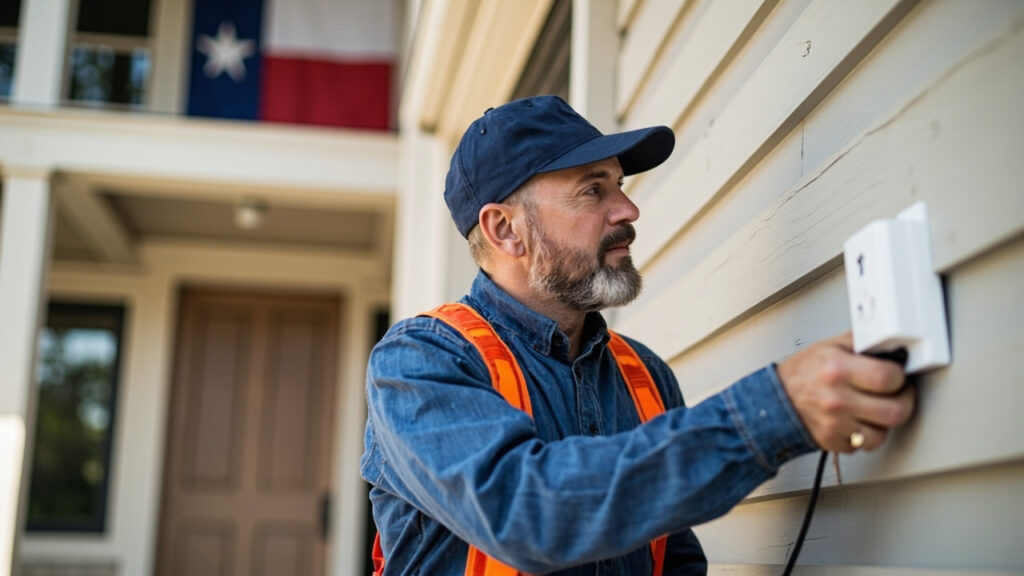
How to Get a Tesla Home Charger Installed in Katy Without the Stress
Installing a Tesla home charger in Katy TX should feel straightforward. The process starts with understanding your home’s electrical capacity and ends with a fully functional charging station that powers your vehicle overnight. Most Katy homeowners can complete the installation in one to three days once permits are approved.. Read more about Installing a Level 2 EV Charger for Your New Electric SUV in Kingwood.
The first step involves a professional site assessment. An electrician evaluates your electrical panel’s available amperage and determines if your current system can handle the additional 240-volt circuit required for Level 2 charging. Many homes in established Katy neighborhoods like Cinco Ranch and Firethorne were built with 100-amp service, which often needs upgrading to 200 amps for EV charging.
Understanding local permit requirements is crucial. Fort Bend County and the City of Katy enforce specific electrical codes for EV charging installations. Your electrician must pull permits before starting work, and the installation requires a final inspection to ensure compliance with National Electrical Code standards.
Why Choose a Tesla-Certified Electrician in Katy
Working with a Tesla-certified installer protects your investment. These professionals receive specialized training on Tesla Wall Connector hardware and software integration. They understand the specific torque specifications and mounting requirements that prevent damage to your $500+ charging unit.
Certified installers also maintain relationships with local permitting offices and understand the nuances of Katy’s inspection process. They can often expedite permit approval and schedule inspections more efficiently than general electricians unfamiliar with EV charging requirements.
Insurance and liability considerations matter too. Tesla certification demonstrates a commitment to ongoing education and adherence to manufacturer specifications. This reduces the risk of installation errors that could void your vehicle’s warranty or create safety hazards in your home.
Our Katy Installation Process
- Initial Consultation and Site Assessment
A licensed electrician visits your Katy home to evaluate your electrical panel, determine optimal charger location, and discuss your charging needs. This typically takes 30-45 minutes.
- Load Calculation and Panel Evaluation
The electrician calculates your home’s electrical demand to ensure your panel can support the additional 50-amp circuit required for Tesla charging without overloading the system.
- Permit Acquisition
Permits are pulled from Fort Bend County or the City of Katy. This process takes 3-7 business days depending on current workload and inspection schedules.
- Electrical Panel Upgrade (if needed)
Many Katy homes require a panel upgrade from 100 to 200 amps. This involves replacing the main breaker panel and installing a new meter base if necessary.
- Charging Station Installation
The electrician runs conduit, installs the 240-volt circuit, mounts the Tesla Wall Connector, and connects it to your home’s electrical system. This typically takes 4-6 hours.
- Inspection and Testing
A city or county inspector verifies the installation meets code requirements. The electrician then tests the system and shows you how to operate your new charging station.
Costs and Permit Requirements for Katy Residents
Several factors influence Tesla charger installation costs in Katy. The most significant variables include your home’s current electrical capacity, the distance from your panel to the charging location, and whether your panel needs upgrading.
Electrical panel upgrades typically cost more than the charging station itself. A 100-amp to 200-amp upgrade in a Katy home ranges from $1,500 to $3,000 depending on the complexity of your existing system and whether your meter base needs replacement.
The Tesla Wall Connector itself costs approximately $550 from Tesla. Professional installation by a certified electrician adds $800 to $1,500 depending on the job’s complexity. Homes requiring extensive trenching or those with difficult access points may see higher installation costs.
Permit fees in Katy and Fort Bend County range from $150 to $300. These fees cover both the electrical permit and the final inspection. Some homeowners insurance policies may offer discounts for installed EV charging equipment, potentially offsetting a portion of the installation cost.
Local building codes require GFCI protection for all outdoor EV charging installations. This safety feature prevents electrical shock in wet conditions. Your electrician must also ensure proper grounding and bonding to meet National Electrical Code requirements.
Comparing Tesla Wall Connector vs. NEMA 14-50 Outlet
Homeowners in Katy often choose between a hardwired Tesla Wall Connector and a NEMA 14-50 outlet. Both options provide Level 2 charging, but they differ in installation requirements and charging convenience.
| Feature | Tesla Wall Connector | NEMA 14-50 Outlet |
|---|---|---|
| Installation Type | Hardwired | Plug-in |
| Charging Speed | Up to 44 miles per hour | Up to 30 miles per hour |
| Weather Resistance | Certified for outdoor use | Requires weatherproof cover |
| Cost | $550 + installation | $200 + installation |
| Portability | Fixed location | Mobile charger compatible |
The Tesla Wall Connector offers faster charging speeds and a cleaner installation appearance. It includes Wi-Fi connectivity for over-the-air updates and energy monitoring through the Tesla app. The unit also features a cable management system that keeps the charging cable organized.
NEMA 14-50 outlets provide flexibility for multiple EV owners or those who may change vehicles. They work with any EV that includes a portable charging adapter. However, they require manually connecting and disconnecting the charging cable, which some homeowners find inconvenient.
Local electricians in Katy recommend the Wall Connector for most Tesla owners due to its optimized charging speed and integration with Tesla’s vehicle software. The hardwired connection also eliminates potential issues with loose plugs or corrosion in outdoor outlets.
Frequently Asked Questions about EV Charging
What electrical upgrades are typically needed for Tesla charging in Katy?
Most Katy homes built before 2010 have 100-amp service panels. These typically require upgrading to 200 amps to support EV charging along with existing household loads. The upgrade ensures your air conditioner, water heater, and other major appliances continue operating safely while your Tesla charges.
How long does the installation process take from start to finish?
The entire process usually takes 7-14 days. This includes 1-3 days for the initial assessment and quote, 3-7 days for permit approval, and 1 day for installation and inspection. Weather delays or complex panel upgrades may extend the timeline.
Can I install the charger myself to save money?
Texas law requires licensed electricians to perform electrical installations. DIY installations violate building codes and may void your Tesla warranty. Improper installations also create fire hazards and may not pass required inspections.
Will the charger work during a power outage?
Standard EV chargers require grid electricity to operate. Some Katy homeowners install solar panels with battery backup systems to enable charging during outages. These systems cost significantly more but provide energy independence.
What maintenance does the charging station require?
Tesla Wall Connectors require minimal maintenance. Keep the unit clean and periodically check the cable for damage. The unit’s self-diagnostic features alert you to any operational issues through the Tesla app.
Local Incentives and Rebates for Katy EV Owners
Katy residents may qualify for several incentives when installing EV charging equipment. Federal tax credits through the Inflation Reduction Act can cover up to 30% of installation costs, capped at $1,000 for home EV charging equipment.
CenterPoint Energy, the primary utility provider for Katy, occasionally offers rebates for energy-efficient home improvements. While specific EV charging rebates vary by year, checking with CenterPoint Energy can reveal current incentive programs that reduce installation costs.
Some local governments and municipalities offer additional incentives for clean energy adoption. The City of Katy has explored EV-friendly policies as part of broader sustainability initiatives. These may include expedited permitting or reduced permit fees for certified installations.
Commercial properties in Katy may qualify for different incentive structures. Businesses installing fleet charging stations or workplace charging can access additional federal and state programs designed to promote electric vehicle adoption in commercial settings.
Timing your installation strategically can maximize available incentives. Tax credits must be claimed in the year of installation, while utility rebates often have limited funding and operate on a first-come, first-served basis.
Preparing Your Katy Home for EV Charging
Before scheduling installation, evaluate your home’s readiness for EV charging. Check your electrical panel’s amperage rating, usually printed on the main breaker. Look for available space for new circuit breakers and assess the distance from your panel to your preferred charging location.
Consider future electrical needs when planning your installation. If you anticipate adding solar panels, a battery storage system, or additional EVs, discuss these plans with your electrician. They can design a system that accommodates future expansion without requiring costly rework.
Outdoor installations require weatherproof enclosures and proper drainage to prevent water accumulation around electrical components. Katy’s humid climate and occasional heavy rainfall make weatherproofing essential for outdoor charging stations.
Indoor installations in garages need adequate ventilation and clearance around the charging unit. Tesla recommends specific mounting heights and distances from other objects to ensure safe operation and easy access to the charging cable.
Smart home integration is increasingly popular among Katy homeowners. Many EV charging stations now connect to home automation systems, allowing you to schedule charging during off-peak hours when electricity rates are lower.
Security considerations matter too. Outdoor charging stations should include lighting and possibly security cameras to deter theft or vandalism. Some homeowners install lockable cable management systems for added security.
Why Katy Homeowners Trust Local Electricians
Local electricians understand Katy’s specific electrical challenges. The area’s clay soil can cause foundation shifting, potentially affecting underground conduit runs. Experienced installers know how to protect electrical connections from soil movement and moisture infiltration.
Katy’s rapid growth means many homes are in new developments with modern electrical systems, while others are established properties requiring careful integration of new technology. Local electricians have experience with both scenarios and can recommend solutions appropriate for your home’s age and construction.
Emergency response is another advantage of working with local professionals. If issues arise with your charging system, a Katy-based electrician can respond quickly without the travel delays that might affect contractors from Houston or surrounding areas.
Community reputation matters in smaller cities like Katy. Local electricians rely on word-of-mouth referrals and maintain high standards to protect their standing in the community. This often translates to better customer service and attention to detail.
Local knowledge extends to understanding CenterPoint Energy’s service areas and requirements. Electricians familiar with Katy know which utility districts cover specific neighborhoods and any unique requirements those districts may have for EV charging installations.
Getting Started with Your Tesla Charger Installation
The first step toward installing your Tesla charger is scheduling a professional assessment. A qualified electrician will evaluate your home’s electrical capacity, discuss your charging needs, and provide a detailed quote for the required work.
During the assessment, ask about the electrician’s Tesla certification status, experience with similar installations in Katy, and familiarity with local permitting requirements. Request references from other EV owners in your area who have completed similar projects.
Review the proposed installation plan carefully. Ensure it includes details about electrical panel capacity, circuit specifications, mounting location, and any necessary upgrades. A professional proposal should also outline the permitting process and timeline for completion.
Consider scheduling your installation during moderate weather seasons. Katy’s summer heat can make outdoor electrical work challenging, while winter installations may face occasional weather delays. Spring and fall typically offer the most comfortable working conditions for electricians.
Once you approve the proposal, the electrician will handle permit acquisition and schedule the installation. Most homeowners find the process straightforward when working with experienced professionals who understand both the technical requirements and local regulations.
Ready to power up your Tesla at home? Call (281) 552-7811 today to schedule your free assessment and take the first step toward convenient, cost-effective EV charging in your Katy home.
{
“@context”: “https://schema.org”,
“@type”: “BlogPosting”,
“headline”: “How to Get a Tesla Home Charger Installed in Katy Without the Stress”,
“description”: “Get expert Tesla charger installation in Katy TX. Learn about permits, costs, and the process from a certified local electrician. Call (281) 552-7811.”,
“wordCount”: 1910,
“datePublished”: “2026-02-10T06:15:00.000Z”,
“dateModified”: “2026-02-10T06:15:00.000Z”,
“inLanguage”: “en-US”,
“mainEntityOfPage”: {
“@type”: “WebPage”,
“@id”: “https://titanelectricianshouston.com”
},
“publisher”: {
“@type”: “LocalBusiness”,
“name”: “Titan Electricians Houston”,
“url”: “https://titanelectricianshouston.com”
},
“author”: {
“@type”: “Organization”,
“name”: “Titan Electricians Houston”,
“url”: “https://titanelectricianshouston.com”
},
“image”: {
“@type”: “ImageObject”,
“url”: “https://titanelectricianshouston.com/wp-content/uploads/2026/03/how-to-get-a-tesla-home-charger-installed-in-katy-1.jpg”
}
}
{
“@context”: “https://schema.org”,
“@type”: “Electrician”,
“name”: “Titan Electricians Houston”,
“url”: “https://titanelectricianshouston.com”,
“address”: {
“@type”: “PostalAddress”,
“addressLocality”: “Houston”
},
“areaServed”: {
“@type”: “City”,
“name”: “Houston”
}
}
{
“@context”: “https://schema.org”,
“@type”: “FAQPage”,
“mainEntity”: [
{
“@type”: “Question”,
“name”: “What electrical upgrades are typically needed for Tesla charging in Katy?”,
“acceptedAnswer”: {
“@type”: “Answer”,
“text”: “Most Katy homes built before 2010 have 100-amp service panels. These typically require upgrading to 200 amps to support EV charging along with existing household loads. The upgrade ensures your air conditioner, water heater, and other major appliances continue operating safely while your Tesla charges.”
}
},
{
“@type”: “Question”,
“name”: “How long does the installation process take from start to finish?”,
“acceptedAnswer”: {
“@type”: “Answer”,
“text”: “The entire process usually takes 7-14 days. This includes 1-3 days for the initial assessment and quote, 3-7 days for permit approval, and 1 day for installation and inspection. Weather delays or complex panel upgrades may extend the timeline.”
}
},
{
“@type”: “Question”,
“name”: “Can I install the charger myself to save money?”,
“acceptedAnswer”: {
“@type”: “Answer”,
“text”: “Texas law requires licensed electricians to perform electrical installations. DIY installations violate building codes and may void your Tesla warranty. Improper installations also create fire hazards and may not pass required inspections.”
}
},
{
“@type”: “Question”,
“name”: “Will the charger work during a power outage?”,
“acceptedAnswer”: {
“@type”: “Answer”,
“text”: “Standard EV chargers require grid electricity to operate. Some Katy homeowners install solar panels with battery backup systems to enable charging during outages. These systems cost significantly more but provide energy independence.”
}
},
{
“@type”: “Question”,
“name”: “What maintenance does the charging station require?”,
“acceptedAnswer”: {
“@type”: “Answer”,
“text”: “Tesla Wall Connectors require minimal maintenance. Keep the unit clean and periodically check the cable for damage. The unit’s self-diagnostic features alert you to any operational issues through the Tesla app.”
}
}
]
}
{
“@context”: “https://schema.org”,
“@type”: “HowTo”,
“name”: “Tesla Charger Installation Process”,
“step”: [
{
“@type”: “HowToStep”,
“position”: 1,
“name”: “Initial Consultation and Site Assessment”,
“text”: “A licensed electrician visits your Katy home to evaluate your electrical panel, determine optimal charger location, and discuss your charging needs. This typically takes 30-45 minutes.”
},
{
“@type”: “HowToStep”,
“position”: 2,
“name”: “Load Calculation and Panel Evaluation”,
“text”: “The electrician calculates your home’s electrical demand to ensure your panel can support the additional 50-amp circuit required for Tesla charging without overloading the system.”
},
{
“@type”: “HowToStep”,
“position”: 3,
“name”: “Permit Acquisition”,
“text”: “Permits are pulled from Fort Bend County or the City of Katy. This process takes 3-7 business days depending on current workload and inspection schedules.”
},
{
“@type”: “HowToStep”,
“position”: 4,
“name”: “Electrical Panel Upgrade (if needed)”,
“text”: “Many Katy homes require a panel upgrade from 100 to 200 amps. This involves replacing the main breaker panel and installing a new meter base if necessary.”
},
{
“@type”: “HowToStep”,
“position”: 5,
“name”: “Charging Station Installation”,
“text”: “The electrician runs conduit, installs the 240-volt circuit, mounts the Tesla Wall Connector, and connects it to your home’s electrical system. This typically takes 4-6 hours.”
},
{
“@type”: “HowToStep”,
“position”: 6,
“name”: “Inspection and Testing”,
“text”: “A city or county inspector verifies the installation meets code requirements. The electrician then tests the system and shows you how to operate your new charging station.”
}
],
“image”: “https://titanelectricianshouston.com/wp-content/uploads/2026/03/how-to-get-a-tesla-home-charger-installed-in-katy-1.jpg”
}
{
“@context”: “https://schema.org”,
“@type”: “BreadcrumbList”,
“itemListElement”: [
{
“@type”: “ListItem”,
“position”: 1,
“name”: “Home”,
“item”: “https://titanelectricianshouston.com”
},
{
“@type”: “ListItem”,
“position”: 2,
“name”: “Blog”,
“item”: “https://titanelectricianshouston.com/blog”
},
{
“@type”: “ListItem”,
“position”: 3,
“name”: “How to Get a Tesla Home Charger Installed in Katy Without the Stress”
}
]
}
{
“@context”: “https://schema.org”,
“@type”: “Service”,
“serviceType”: “Electricians”,
“provider”: {
“@type”: “LocalBusiness”,
“name”: “Titan Electricians Houston”,
“url”: “https://titanelectricianshouston.com”
},
“areaServed”: {
“@type”: “City”,
“name”: “Houston”
},
“description”: “Get expert Tesla charger installation in Katy TX. Learn about permits, costs, and the process from a certified local electrician. Call (281) 552-7811.”
}