




Menu

Hot Switches or Outlets in Houston – Expert Diagnosis and Safe Repairs Before Fire Hazards Strike

Titan Electricians Houston identifies the root cause of overheating electrical outlets and hot wall receptacles fast, using thermal imaging and load testing to eliminate fire risks in your home or business.

Slider Image 1
Slider Image 2
Slider Image 3
Slider Image 4
Slider Image 5
Slider Image 7
Slider Image 8
Slider Image 9
Slider Image 10
Slider Image 11

Why Your Switches and Outlets Are Getting Hot in Houston Homes

You touch a light switch and it feels warm. You unplug your phone charger and the outlet is hot to the touch. This is not normal. Heat in your electrical system signals resistance, overload, or failing components. Left unchecked, these problems escalate into melted wiring, tripped breakers, or house fires.

Houston's extreme summer heat compounds the issue. Ambient temperatures above 95 degrees stress your electrical system. Air conditioners run constantly, increasing the load on circuits. Older homes in neighborhoods like Montrose and the Heights often have outdated wiring that was never designed for modern appliances. Aluminum wiring, common in homes built during the 1960s and 1970s, expands and contracts with temperature swings, loosening connections over time. This creates arc points that generate heat.

Warm light switches often indicate a failing dimmer switch or an overloaded circuit. Dimmer switches generate heat during normal operation, but if a dimmer switch feels hot enough to burn your hand, the internal components are failing. Hot wall receptacles usually signal loose wiring, backstabbed connections, or a worn-out outlet that cannot handle the amperage passing through it. Overheating electrical outlets can also result from using a 15-amp outlet on a 20-amp circuit.

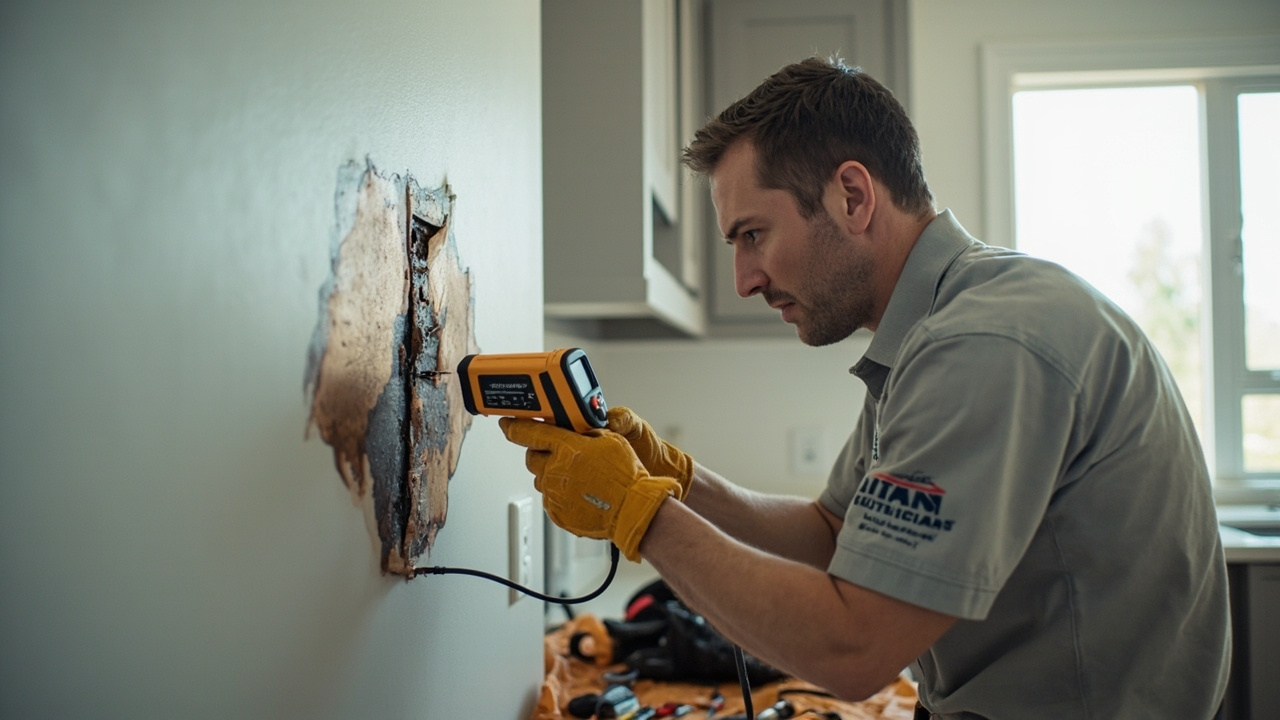
You might notice discoloration around the outlet, a burning smell, or flickering lights. These are warning signs. Electrical fires do not announce themselves. They start inside your walls where you cannot see them. If you have multiple hot outlets or switches in your home, the problem is systemic. You need a licensed electrician to trace the fault and correct it before the insulation on your wiring melts.

Why Your Switches and Outlets Are Getting Hot in Houston Homes
How We Diagnose and Repair Overheating Outlets and Switches

How We Diagnose and Repair Overheating Outlets and Switches

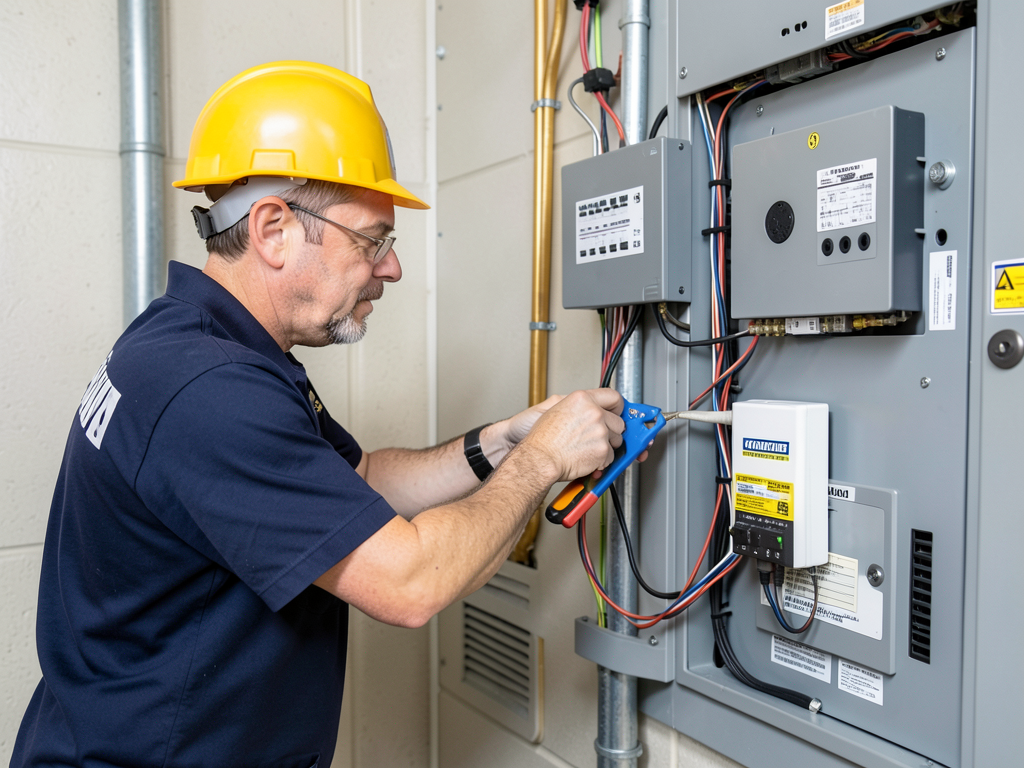
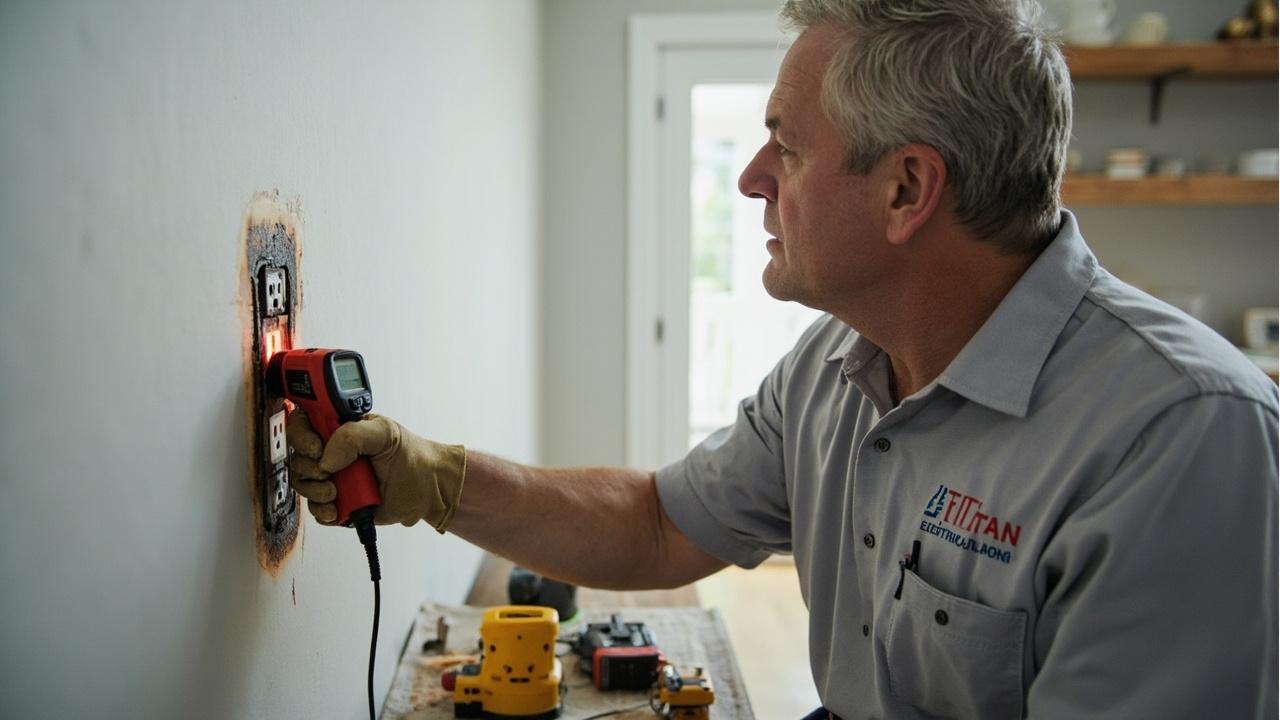
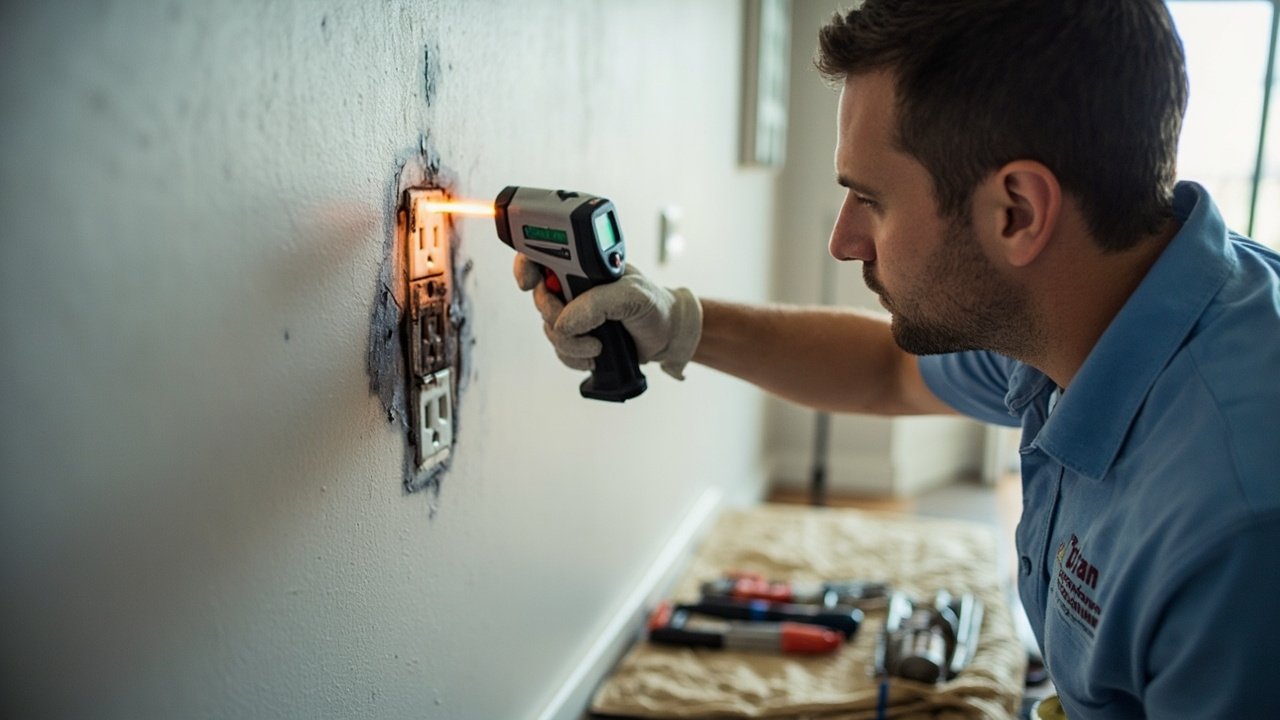
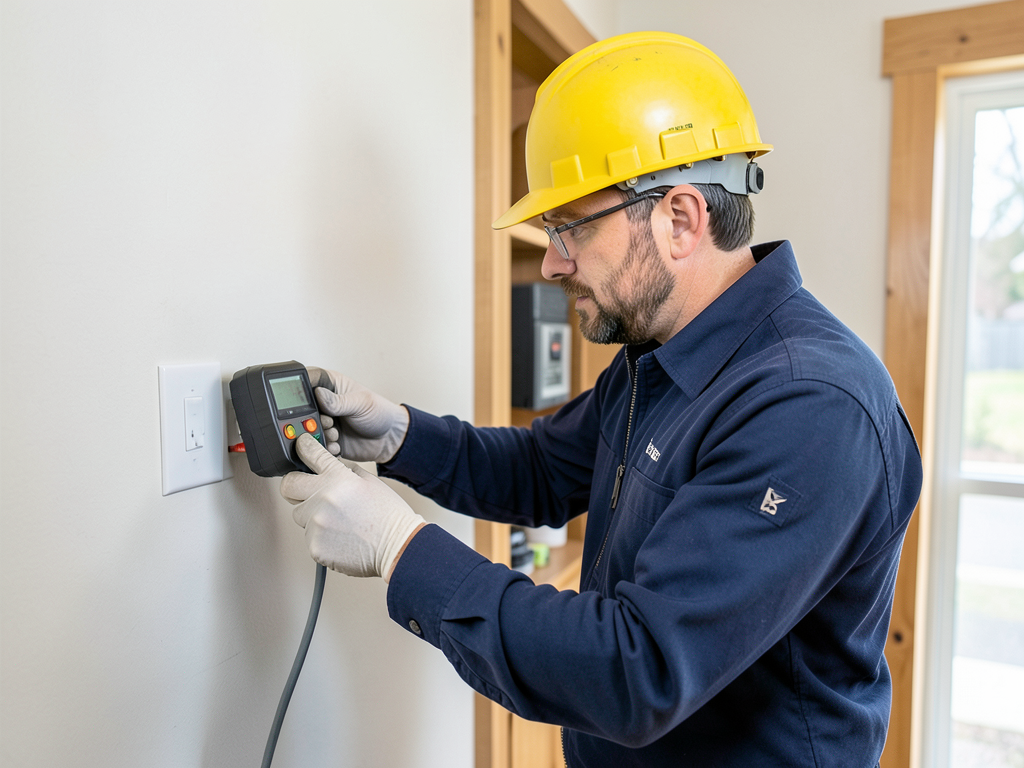
We do not guess. We test. Titan Electricians Houston uses thermal imaging cameras to scan your electrical panel, outlets, and switches for hot spots invisible to the naked eye. These cameras detect temperature differences down to a fraction of a degree, showing us exactly where resistance or overload exists. We also use clamp meters to measure current draw on individual circuits, identifying overloaded lines before they fail.

Once we isolate the problem, we open the outlet or switch box to inspect the connections. Backstabbed wires, where the wire is pushed into a spring-loaded terminal instead of screwed down, are a common culprit. These connections loosen over time, creating high-resistance points that generate heat. We remove backstabbed connections and pigtail the wires with wire nuts or screw them directly to the outlet terminals. This creates a mechanical connection that will not loosen.

If the outlet itself is worn out, we replace it with a commercial-grade device rated for the circuit's amperage. We also check the circuit breaker. A failing breaker can allow excessive current to pass through, overheating downstream devices. If your panel is a Federal Pacific or Zinsco brand, we recommend replacing it. These panels are known for breaker failures that do not trip under fault conditions.

For dimmer switches, we verify compatibility with your light fixtures. LED bulbs require electronic low-voltage dimmers, not standard incandescent dimmers. Using the wrong dimmer creates heat and shortens the life of both the dimmer and the bulbs. We install the correct dimmer and confirm the load does not exceed the dimmer's wattage rating. We also inspect the junction box for adequate space. Overcrowded boxes trap heat and accelerate component failure.

What Happens During a Hot Outlet Inspection

Hot Switches or Outlets in Houston – Expert Diagnosis and Safe Repairs Before Fire Hazards Strike
01

Thermal Scan and Testing

We begin with a non-invasive thermal scan of your electrical panel, outlets, and switches. The thermal camera identifies temperature anomalies that indicate resistance or overload. We then use a clamp meter to measure current draw on each circuit, checking for imbalances or overloads. This data tells us exactly where the problem is located and whether it is isolated or systemic.
02

Physical Inspection and Testing

We open the suspect outlet or switch box and inspect all connections. We check for backstabbed wires, loose terminals, corrosion, or damaged insulation. We test the outlet with a plug tester to verify proper wiring and grounding. We also pull the device from the box to check for arcing marks or burn spots on the terminals, which indicate a past fault condition that must be corrected.
03

Repair and Verification

We correct all faulty connections, replace worn-out devices, and verify proper load distribution. After reassembly, we retest the circuit under load to confirm the outlet or switch remains cool during operation. We document all findings and provide you with a detailed report, including thermal images if requested. You get a written record of what was wrong and what we fixed.

Why Houston Homeowners Trust Titan Electricians for Electrical Safety

We know Houston homes. We know the wiring methods used in different decades, the local code requirements, and the environmental factors that stress electrical systems. We work in Bellaire, West University, Katy, Sugar Land, and throughout the greater Houston metro. We have seen every type of electrical failure, from knob-and-tube wiring in 1920s bungalows to Federal Pacific panels in 1970s split-levels.

Houston's building codes require GFCI protection in wet locations and AFCI protection in most living areas. We ensure your home meets current code, even if it was built before these requirements existed. We also understand the load demands of modern homes. Forty years ago, a home might have had 100-amp service. Today, with multiple air conditioning units, electric vehicle chargers, and high-wattage appliances, 200-amp service is standard. If your panel is undersized, we explain your options for upgrading.

We do not use scare tactics. We show you the problem, explain the risk, and give you the facts you need to make an informed decision. If the issue is a single worn-out outlet, we replace it. If the issue is systemic, we provide a detailed scope of work and a clear timeline. We do not upsell you on services you do not need.

Our trucks carry a full inventory of commercial-grade devices, wire, breakers, and connectors. We complete most repairs on the first visit. We also respond quickly. Electrical problems do not wait for business hours. If you call us because an outlet is smoking or sparking, we prioritize your call and get someone to your home as fast as possible. Your safety is not negotiable.

What to Expect When You Call Titan Electricians Houston

Same-Day Service for Urgent Electrical Issues

We understand that a hot outlet or smoking switch is urgent. We prioritize emergency calls and dispatch a licensed electrician to your home the same day whenever possible. For non-emergency inspections, we schedule your appointment within 24 to 48 hours. Our technicians arrive on time, respect your property, and work efficiently to minimize disruption. We do not leave until the problem is fixed and you feel confident in the safety of your electrical system.

Thorough Electrical Safety Assessment

We do not just replace the hot outlet and leave. We inspect the circuit, test the breaker, and check related outlets and switches to ensure the problem is not part of a larger issue. We provide a written report of our findings, including any code violations or safety hazards we identify. If we recommend additional work, we explain why it is necessary and give you a detailed estimate. You get full transparency.

Quality Repairs That Last

We use commercial-grade outlets, switches, and wire connectors that meet or exceed NEC standards. We pigtail all connections with wire nuts or screw them directly to device terminals. We do not use push-in connections or cheap residential-grade devices that fail after a few years. Our work is clean, code-compliant, and built to last. When we finish, your outlets and switches operate cool under load, and you have peace of mind that your home is safe.

Follow-Up and Electrical Panel Monitoring

After we complete the repair, we follow up to ensure the issue is resolved. If you notice any changes or have questions, you can call us directly. We also offer annual electrical safety inspections for homeowners who want ongoing peace of mind. During these inspections, we check your panel, outlets, switches, and GFCI devices to catch problems before they become emergencies. Regular maintenance extends the life of your electrical system and prevents costly failures.

Frequently Asked Questions

You Have Questions,
We Have Answers

What does it mean when outlets get hot? +

Hot outlets signal excessive resistance or overloaded circuits. This happens when wiring connections loosen, outlets wear out, or you plug in too many devices. In Houston homes, older wiring in historic districts or aging connections in humid conditions often cause this problem. The heat comes from electrical energy converting to thermal energy instead of flowing smoothly. You might notice warmth on the outlet face or plug prongs. Do not ignore this. Hot outlets can melt insulation, damage devices, and start fires. Unplug devices immediately and call an electrician to inspect the circuit, connections, and outlet condition before using it again.

Are switches supposed to get hot? +

Dimmer switches may feel slightly warm during normal operation because they regulate voltage. Standard on/off switches should stay cool. If a regular switch feels hot or warm to touch, you have a problem. Loose wire connections, overloaded circuits, or internal switch failure cause excessive heat. Houston's high humidity can accelerate corrosion on terminals, increasing resistance. A warm switch means electrical current struggles to pass through, creating friction and heat. This wastes energy and damages components. Turn off the circuit breaker for that switch and contact an electrician. Do not continue using a hot switch, it will fail and may ignite surrounding materials.

How to tell if an outlet is hot? +

Touch the outlet face and plug prongs with the back of your hand. If it feels warm or hot, you have an issue. Unplug devices and wait 15 minutes. Touch it again. If heat remains without anything plugged in, the outlet or circuit has internal problems. Look for discoloration, scorch marks, or melted plastic around outlet openings. Smell for burning plastic or wire insulation. Check if plug prongs slide in loosely, which indicates worn contacts. Houston homes with aluminum wiring or outdated two-prong outlets face higher risks. Stop using the outlet immediately and get an electrician to test voltage, inspect connections, and determine the cause.

Should electrical outlets be warm to touch? +

No. Electrical outlets should remain cool or room temperature. Any warmth signals a problem. Slight warmth on a plug itself after heavy use is normal, but the outlet face should stay cool. In Houston's heat, you might confuse ambient temperature with outlet warmth. Test by touching other outlets for comparison. Warmth means resistance builds up from loose connections, corroded terminals, or worn outlet contacts. The National Electrical Code requires outlets to operate without excessive heat. Warm outlets degrade faster in humid climates, accelerating failure. Unplug devices and schedule an inspection. Continuing to use a warm outlet risks fire and damage to your electrical system.

What are the early warning signs of an electrical fire? +

Watch for these signs. Hot outlets or switches that feel warm to touch. Discolored or scorched outlet covers and wall plates. Burning smell from outlets, switches, or walls. Flickering lights when you plug in devices. Circuit breakers that trip repeatedly. Buzzing or sizzling sounds from outlets or walls. Sparks when plugging in or unplugging devices. Houston's humidity can mask burning smells temporarily, so stay alert. You might notice smoke or see melted plastic. Older homes near Memorial Park or Montrose with outdated wiring face higher risks. If you notice any combination of these signs, shut off power at the breaker and call an electrician immediately. Do not wait.

Is a hot outlet a fire hazard? +

Yes. A hot outlet is a serious fire hazard. The heat indicates electrical resistance, which damages wire insulation and melts plastic components. In Houston's climate, heat accelerates degradation. Once insulation fails, wires can arc and ignite nearby wood framing or drywall. The Consumer Product Safety Commission links thousands of fires annually to outlet failures. Hot outlets often precede electrical fires by days or weeks, giving you a warning window. The risk increases overnight when you sleep and cannot detect smoke quickly. Unplug everything from a hot outlet and stop using it. Turn off the circuit breaker and call an electrician immediately. Do not wait for visible damage.

What happens if a switch gets too hot? +

A switch that gets too hot will fail and may ignite surrounding materials. Excessive heat melts internal plastic components, causing the switch to stop working. Wire insulation breaks down, exposing bare copper. Connections loosen further, increasing resistance and heat in a dangerous cycle. In Houston homes, this happens faster in poorly ventilated spaces or where humidity corrodes connections. The switch may spark, trip breakers, or stop responding. Worst case, it starts a fire inside the wall cavity where you cannot see it until smoke appears. If you catch a hot switch early, an electrician can replace it and fix the underlying cause. Never ignore a hot switch.

Can a faulty switch cause a fire? +

Yes. A faulty switch can cause a fire. Loose wiring connections create arcing, which produces extreme heat and sparks. Internal switch failures cause current to flow incorrectly, overheating components. Aluminum wiring, common in some Houston homes built in the 1960s and 1970s, expands and contracts with temperature changes, loosening connections over time. A failing switch may buzz, feel warm, or flicker lights. It can ignite wall insulation, wood framing, or drywall. Fires start inside walls where they spread undetected. If you notice any sign of switch failure, turn off power at the breaker panel and call an electrician. Do not attempt repairs yourself.

How to tell if a switch is going bad? +

A failing switch shows clear signs. It feels warm or hot to touch. The switch makes buzzing, crackling, or popping sounds. Lights flicker when you flip the switch. The toggle feels loose or does not stay in position. You see scorch marks or discoloration on the switch plate. The switch fails to turn lights on or off consistently. You smell burning plastic near the switch. Houston's humidity accelerates corrosion on switch terminals, speeding up failure. Dimmer switches may buzz slightly during normal use, but standard switches should operate silently and stay cool. If you notice any of these signs, stop using the switch and call an electrician to replace it.

How to tell if an outlet is unsafe? +

An unsafe outlet shows visible and physical warning signs. It feels warm or hot to touch. You see discoloration, scorch marks, or melted plastic around openings. Plugs fit loosely or fall out easily. The outlet sparks when you plug in devices. You hear buzzing or crackling sounds from the outlet. It smells like burning plastic or rubber. The outlet does not grip plug prongs firmly. GFCI outlets in Houston bathrooms and kitchens should trip when tested. Two-prong outlets without grounding pose shock risks. If outlets feel unstable or cracked, they are unsafe. Stop using any outlet showing these signs. Turn off the circuit breaker and schedule an electrician to inspect and replace it immediately.

How Houston's Heat and Humidity Accelerate Electrical Failures

Houston's climate is hard on electrical systems. Summer temperatures above 95 degrees increase the resistance in your wiring, generating more heat during normal operation. High humidity accelerates corrosion on outlet terminals and switch contacts, creating resistance that produces heat. Air conditioners run non-stop from May through September, stressing circuits that may already be undersized or poorly connected. Homes in older neighborhoods like Oak Forest and Garden Oaks often have original wiring that was never designed for central air conditioning, creating chronic overload conditions that manifest as hot outlets and warm switches.

Houston electrical work must meet the National Electrical Code and local amendments enforced by the City of Houston Permitting Center. We pull permits when required and schedule inspections to ensure your repairs meet code. We also understand the specific challenges of Houston homes, from pier and beam foundations that complicate wiring runs to clay soil movement that can stress service entrance conduits. Choosing a local electrician means working with someone who knows these issues and knows how to solve them correctly the first time.

Electrical Services in The Houston Area

Looking for reliable electricians near you? Titan Electricians Houston proudly serves homeowners and businesses across the greater Houston area with expert electrical repairs, panel upgrades, lighting installations, wiring services, and 24/7 emergency support. From The Woodlands to Pearland, our licensed electricians are ready to deliver safe, efficient, and code-compliant solutions. Use the map below to explore our service coverage and find fast, trusted electrical help in your neighborhood.

Address:
TitanElectriciansHouston, 2500 Summer St, Houston, TX, 77007

Additional Services We Offer

Our news updates

Latest Articles & News from The Blogs

Lorem ipsum dolor sit amet. Aut expedita quaerat quo eligendi numquam et laudantium perspiciatis qui minima expedita rem consequatur ducimus.…

Test Blog 4

Lorem ipsum dolor sit amet. Aut expedita quaerat quo eligendi numquam et laudantium perspiciatis qui minima expedita rem consequatur ducimus.…

Test Blog 3

Lorem ipsum dolor sit amet. Aut expedita quaerat quo eligendi numquam et laudantium perspiciatis qui minima expedita rem consequatur ducimus.…

Test Blog 2

Lorem ipsum dolor sit amet. Aut expedita quaerat quo eligendi numquam et laudantium perspiciatis qui minima expedita rem consequatur ducimus.…

Contact Us

Call Titan Electricians Houston at (281) 552-7811 right now. We will dispatch a licensed electrician to inspect your outlets, test your circuits, and make the repairs needed to eliminate fire hazards in your home.