





Menu

Grounding Explained in Houston | Essential Electrical Safety Information for Texas Homes and Businesses

Understanding grounding basics protects your property and family from electrical hazards in Houston's unique climate conditions, where humidity and storm activity demand reliable grounding systems.

Slider Image 1
Slider Image 2
Slider Image 3
Slider Image 4
Slider Image 5
Slider Image 7
Slider Image 8
Slider Image 9
Slider Image 10
Slider Image 11

What Grounding Actually Means for Houston Properties

The meaning of grounding is simple but critical. Grounding creates a safe pathway for electrical current to travel into the earth when something goes wrong in your electrical system. Without proper grounding, you face serious risks: electrical fires, equipment damage, and deadly shock hazards.

Houston's unique challenges make grounding even more important here. The high humidity levels we experience year-round increase electrical conductivity, making shock risks more severe when grounding fails. Our frequent thunderstorms and lightning strikes put enormous stress on electrical systems. When lightning hits, a properly grounded system channels that energy safely into the soil instead of through your walls, appliances, and people.

The grounding definition in practical terms means connecting your electrical system to the earth through a grounding electrode. This could be a metal rod driven eight feet into the ground, a connection to your metal water pipes, or a combination of methods. The science of earthing relies on the earth's ability to absorb and dissipate electrical charges safely.

What is earthing? The terms are interchangeable. Earthing and grounding both describe the same protective measure. Your electrical panel has a grounding bus bar where all ground wires connect. From there, the grounding system ties into the earth itself through grounding electrodes.

How grounding works is straightforward. When a hot wire touches metal it should not, the ground wire provides an instant path of least resistance. The sudden current surge trips your circuit breaker, cutting power immediately. Without grounding, that energized metal stays live until someone touches it.

What Grounding Actually Means for Houston Properties
How Modern Grounding Systems Protect Your Houston Property

How Modern Grounding Systems Protect Your Houston Property

Modern grounding systems use multiple protection layers that work together. The grounding electrode system forms the foundation. We install copper-clad steel rods at least eight feet deep into Houston's clay soil. Clay has different resistance characteristics than sandy or rocky soils, affecting how we design and test the grounding system.

The grounding electrode conductor connects your electrical panel to these ground rods. This conductor must be continuous and sized according to your service amperage. For a 200-amp service, we use a minimum 4 AWG copper conductor. This wire creates the critical link between your panel and the earth.

Equipment grounding conductors run inside every circuit throughout your home or business. These bare copper or green-insulated wires connect to the metal boxes, receptacles, switches, and equipment cases. If a hot wire breaks loose and touches a metal junction box, the equipment ground carries that fault current back to the panel, tripping the breaker in milliseconds.

The National Electrical Code requires specific grounding methods, but local amendments in Houston sometimes add requirements based on soil conditions and lightning risk. The Texas Electrical Safety and Licensing Act enforces these standards statewide.

Ground fault circuit interrupters add another protection layer in wet locations. These devices detect tiny current imbalances and shut off power in 25 milliseconds. When grounding alone might not prevent shock in wet conditions, GFCIs provide backup protection.

We test ground resistance using specialized equipment. The National Electrical Code recommends ground resistance below 25 ohms, but better performance comes from readings below 5 ohms. Houston's soil moisture helps with conductivity, but soil resistivity varies across neighborhoods.

How We Verify Your Grounding System Works

Grounding Explained in Houston | Essential Electrical Safety Information for Texas Homes and Businesses
01

Visual System Inspection

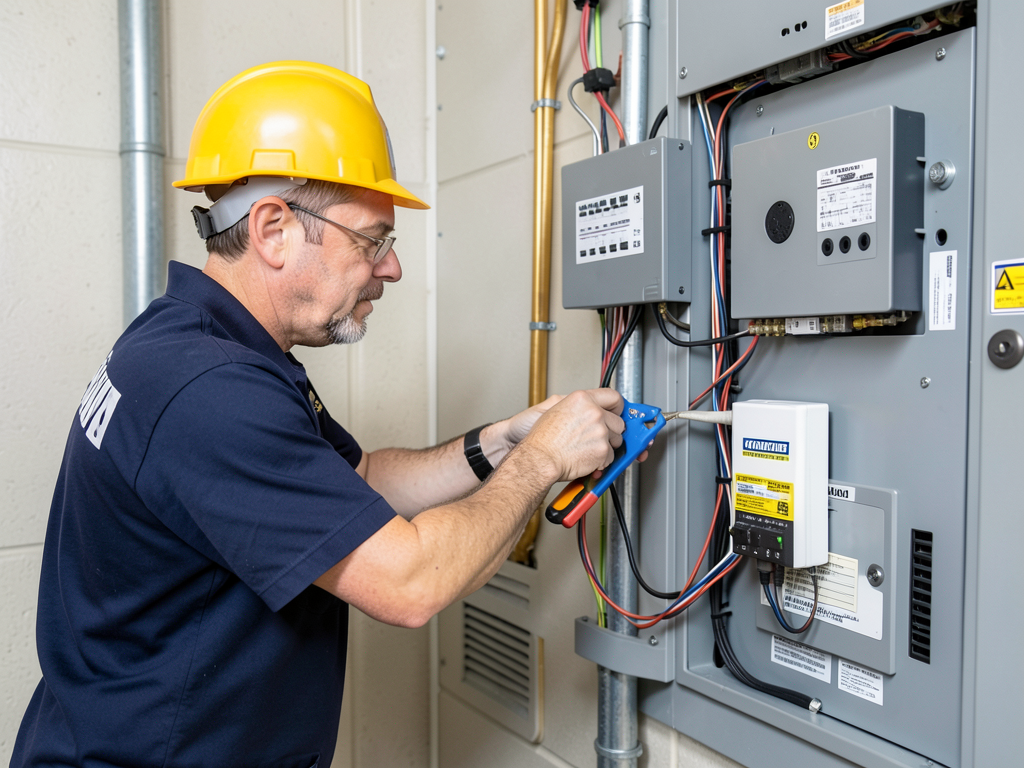
We start by examining your electrical panel to verify proper grounding connections. The grounding electrode conductor must be securely attached to the grounding bus bar with no corrosion or loose connections. We check that neutral and ground buses are properly separated in subpanels but bonded only at the main service panel. We trace grounding paths to ensure continuity throughout the system and identify any missing or damaged equipment ground wires.
02

Ground Resistance Testing

Using a ground resistance tester, we measure the actual resistance between your grounding system and the earth. This three-point fall-of-potential test gives accurate readings of how effectively your ground can dissipate fault currents. We drive temporary test stakes at specific distances and compare results against National Electrical Code standards. High resistance readings indicate corroded ground rods, poor soil contact, or inadequate grounding electrode systems that need correction.
03

Documentation and Recommendations

After testing, we provide clear documentation of your grounding system condition. You receive actual resistance measurements, photos of any deficiencies, and specific recommendations for improvements. If we find problems, we explain the risks and solution options. For older homes with outdated two-wire systems, we outline the steps to add proper grounding. Our recommendations prioritize safety while considering your budget and timeline for electrical system upgrades.

Why Houston Electrical Systems Need Specialized Grounding Knowledge

Houston's electrical environment creates unique grounding challenges that require local expertise. Our position along the Gulf Coast places us in one of the highest lightning strike zones in Texas. The National Lightning Detection Network records thousands of cloud-to-ground strikes in Harris County annually. Each strike carries up to 200,000 amperes. Without proper grounding, that energy has nowhere to go except through your electrical system, appliances, and building materials.

The expansive clay soil common throughout the Houston area changes volume dramatically with moisture content. During drought conditions, the clay shrinks and pulls away from ground rods, increasing resistance. Heavy rains cause expansion and better contact. These seasonal variations affect grounding performance in ways that sandy or rocky soils do not. We account for these changes when designing grounding systems for Houston properties.

High humidity increases the electrical conductivity of air, surfaces, and materials. What might cause a minor tingle in dry climates can deliver a serious shock here. Moisture on skin reduces your body's natural resistance from about 100,000 ohms when dry to as low as 1,000 ohms when wet. This makes proper grounding and GFCI protection even more critical in Houston homes and businesses.

Older Houston neighborhoods often have homes built before modern grounding requirements existed. Many properties still operate on outdated two-wire electrical systems without any equipment grounding. These homes face significantly higher risks of electrical fires and shock hazards. Upgrading these systems requires understanding of how to integrate modern grounding into older wiring methods while maintaining code compliance.

Titan Electricians Houston understands these local factors because we work with them daily. We know which neighborhoods have problematic soil conditions, where lightning damage occurs most frequently, and how local building codes apply to different property types.

What to Expect When You Need Grounding Services

Response Time and Availability

Grounding issues range from routine upgrades to emergency situations. If you experience frequent breaker trips, visible sparking, or equipment damage after storms, you need immediate attention. We prioritize emergency calls and can typically dispatch a qualified electrician within hours. For planned grounding system upgrades or inspections, we schedule appointments that fit your availability. Most residential grounding evaluations take two to four hours depending on property size and system complexity. Commercial properties require more extensive testing and documentation, often scheduled during off-hours to avoid disrupting operations. We provide clear timeframes upfront so you can plan accordingly.

Comprehensive System Evaluation

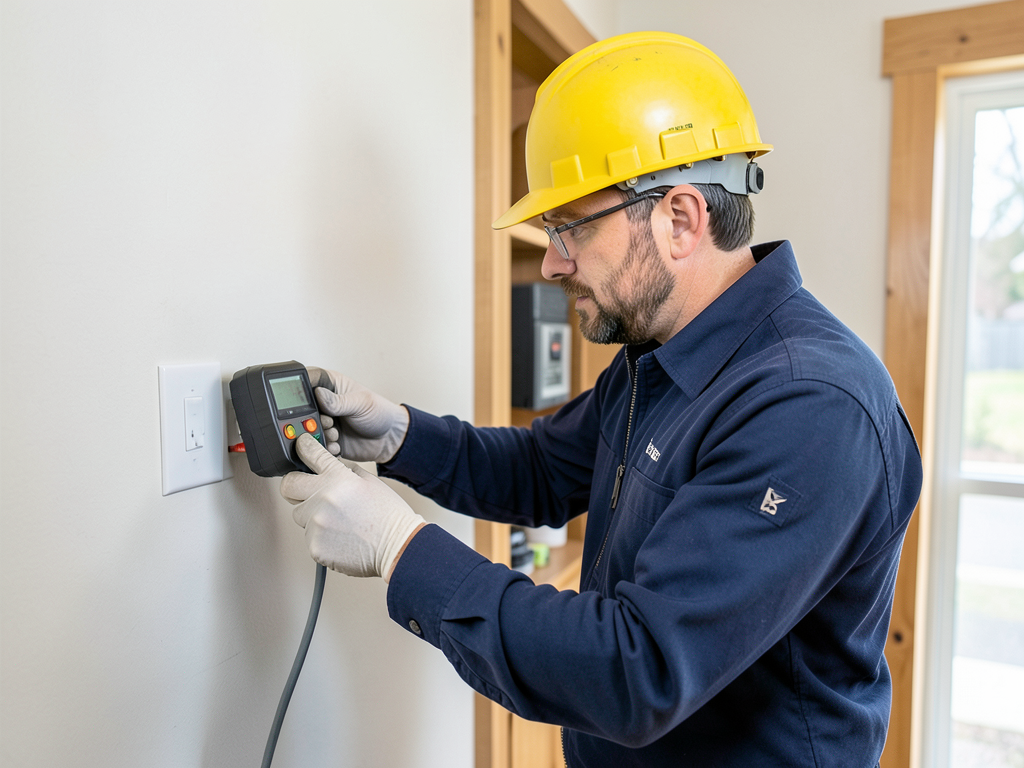
Our evaluation goes beyond surface-level checks. We examine your main service panel, subpanels, and grounding electrode connections. Using specialized testing equipment, we measure ground resistance and verify continuity throughout the system. We check bonding at gas lines, water pipes, and other metal systems per code requirements. For older homes, we test receptacles to identify missing grounds and determine the scope of any upgrade work needed. You receive straightforward information about what we find, explained in terms you understand. We point out immediate safety concerns versus items that need attention during future electrical work. Our goal is giving you accurate information to make informed decisions about your electrical safety.

Code-Compliant Installation Quality

When grounding system work is needed, proper installation determines long-term safety and reliability. We use copper-clad steel ground rods driven to full depth in approved locations. All connections use listed compression connectors or exothermic welding, never just clamps that corrode over time. We size conductors correctly for your service amperage and install them to prevent physical damage. Bonding jumpers bridge any interruptions in the grounding path. For whole-house upgrades, we install GFCI protection where required and verify that all three-prong receptacles actually have functioning grounds. The finished work passes inspection and provides the protection you expect from a modern electrical system.

Long-Term System Reliability

A properly installed grounding system requires minimal maintenance but should be periodically verified. We recommend ground resistance testing every three to five years, or after any significant electrical work or lightning strikes near your property. Visible components like the grounding electrode conductor should be inspected annually for damage or corrosion. If you add circuits or upgrade your electrical service, the grounding system must be evaluated to ensure it still meets code requirements. We keep records of your system configuration and test results, making future service more efficient. When you call us back for any electrical work, we already understand your system and can quickly identify how new work integrates with existing grounding infrastructure.

Frequently Asked Questions

You Have Questions,
We Have Answers

Is there actual science behind grounding? +

Yes. Research shows the earth carries a negative electrical charge. When your body makes direct contact with the ground, free electrons transfer to you, which may reduce inflammation and neutralize free radicals. Studies published in peer-reviewed journals document measurable changes in cortisol levels, heart rate variability, and blood viscosity after grounding. The mechanism involves your body acting as a conductor. In Houston, the high humidity and frequent rainfall actually enhance conductivity, making grounding more effective here than in drier climates. The science is legitimate, though more large-scale studies would strengthen the evidence base.

How long should you ground each day? +

Start with 20 to 30 minutes daily for noticeable effects. Some people report benefits after just 10 minutes, but consistency matters more than duration. You can split sessions throughout the day. Early morning or evening works well in Houston to avoid midday heat and pavement burns. Many residents ground while watering plants or walking dogs. If you have chronic inflammation or sleep issues, aim for 40 to 60 minutes. Listen to your body. You cannot overdo grounding, but building the habit at a manageable duration ensures you stick with it long-term.

How long do you need to ground to get the benefits? +

Most people notice initial benefits within 20 to 40 minutes of continuous contact. Acute effects like reduced stress or improved mood can appear quickly. For deeper benefits like better sleep or reduced chronic pain, you need consistent grounding over two to four weeks. Your body requires time to recalibrate its electrical state. In Houston's humid climate, electron transfer happens faster due to better conductivity. Some individuals feel changes immediately, while others need patience. Track your experience over 30 days. Grounding is cumulative. Short daily sessions outperform sporadic long sessions for lasting health improvements.

Does walking barefoot count as grounding? +

Yes. Walking barefoot on grass, soil, sand, or even concrete counts as grounding because these surfaces conduct electrons. The key is direct skin contact. In Houston, parks like Memorial Park or Buffalo Bayou trails offer great grounding spots. Avoid asphalt, which contains petroleum and blocks electron flow. Wood decks and rubber-soled shoes also insulate you from the earth. Wet grass after Houston's frequent rain showers provides excellent conductivity. Even standing barefoot on your lawn while checking the mail counts. The simpler the contact, the better. No special equipment needed for authentic grounding outdoors.

Why do I feel weird after grounding? +

You may feel lightheaded, tingly, or temporarily fatigued as your body adjusts to electron transfer. This detox-like response happens when grounding triggers rapid physiological changes in blood flow, cortisol, and inflammation markers. Some people experience muscle twitches or emotional release. These sensations usually fade within a few sessions as your system rebalances. Start slowly if you feel off. In Houston's heat, dehydration can amplify weird feelings, so drink water before grounding. If discomfort persists beyond a week, reduce your grounding time. Your nervous system is recalibrating. Temporary weirdness often signals your body is responding.

What does the Bible say about grounding? +

The Bible does not directly address grounding as a health practice, but it references the earth's significance spiritually. God formed humans from dust in Genesis 2:7, emphasizing our connection to the ground. Jesus often withdrew to natural places to pray, suggesting restorative value in nature. Some interpret these passages as affirmation of earth contact. Others view grounding as simply using creation's design for health. In Houston's faith communities, perspectives vary. Grounding is a physical practice rooted in science, not theology. Whether you see spiritual meaning in it depends on your beliefs. The practice itself remains neutral.

What is the 3 3 3 rule for grounding? +

The 3 3 3 rule is a grounding technique for anxiety, not electrical grounding. When you feel panicked, name three things you see, three sounds you hear, and move three body parts. This sensory exercise pulls you into the present moment. It helps during Houston traffic stress or storm anxiety. The rule differs from earthing, which involves physical contact with the ground. Both practices aim to calm your nervous system but through different mechanisms. The 3 3 3 method works anywhere, anytime. Electrical grounding requires earth contact. Many people confuse these two concepts because they share the word grounding.

What are common grounding mistakes? +

The biggest mistake is grounding on synthetic surfaces like rubber mats, asphalt, or treated wood. These materials block electron flow. Another error is inconsistent practice. Grounding once a week will not produce results. Some people wear rubber-soled shoes outdoors, defeating the purpose. In Houston, grounding midday on hot pavement can burn your feet, which discourages continuation. Avoid grounding near electrical transformers or high-voltage lines for safety. Expecting instant miracles is also a mistake. Grounding works gradually. Lastly, ignoring hydration reduces conductivity. Drink water before sessions to enhance electron transfer through your tissues.

What is earthing vs grounding? +

Earthing and grounding mean the same thing in health contexts. Both terms describe direct skin contact with the earth's surface to absorb electrons. The electrical industry uses grounding to describe safety mechanisms in wiring systems, which can cause confusion. When discussing health benefits, earthing and grounding are interchangeable. Some prefer earthing to distinguish from electrical grounding terminology. In Houston, you might hear electricians use grounding for wiring and earthing for wellness. The practice remains identical regardless of the word you use. Direct contact with soil, grass, or conductive surfaces transfers electrons to your body and balances your electrical state.

Is there a downside to grounding? +

Grounding carries minimal risk for most people. The main downside is skin exposure to outdoor elements like fire ants, which are common in Houston yards, or sharp objects. Grounding near electromagnetic fields or faulty electrical systems can be dangerous. Some people experience temporary detox symptoms like fatigue or headaches initially. If you have a pacemaker or other implanted electrical device, consult your doctor first. Grounding on contaminated soil poses minor exposure risk. Practically, Houston's heat and humidity make outdoor grounding uncomfortable during summer afternoons. These are management issues, not serious health risks. The practice itself is safe when done thoughtfully.

Houston's Storm Activity and Soil Conditions Make Grounding Critical

Houston averages 15 to 20 thunderstorm days during peak summer months, with storms producing multiple lightning strikes per event. The flat coastal terrain provides little natural lightning protection, and tall structures attract strikes. Combined with our expansive clay soil that changes resistance seasonally, Houston properties face grounding challenges that differ significantly from other regions. The same soil conditions that cause foundation problems also affect electrical grounding performance. During extended dry periods, clay soil pulls away from ground rods, increasing resistance just when summer storms arrive. Properties near the Ship Channel or Galveston Bay deal with additional corrosion issues from salt air affecting grounding components.

The City of Houston and Harris County enforce electrical codes through inspection processes that verify grounding compliance on new construction and major renovations. However, thousands of older homes throughout neighborhoods like the Heights, Montrose, and East End were built before modern grounding requirements existed. These properties need specialized approaches to integrate proper grounding without complete rewiring. Local electricians who understand Houston's building stock, soil conditions, and weather patterns provide better solutions than contractors unfamiliar with these factors. We work daily with the specific challenges Houston properties face, from lightning damage in Cypress to aging infrastructure in older Bellaire homes.

Electrical Services in The Houston Area

Looking for reliable electricians near you? Titan Electricians Houston proudly serves homeowners and businesses across the greater Houston area with expert electrical repairs, panel upgrades, lighting installations, wiring services, and 24/7 emergency support. From The Woodlands to Pearland, our licensed electricians are ready to deliver safe, efficient, and code-compliant solutions. Use the map below to explore our service coverage and find fast, trusted electrical help in your neighborhood.

Address:
TitanElectriciansHouston, 2500 Summer St, Houston, TX, 77007

Additional Services We Offer

Our news updates

Latest Articles & News from The Blogs

Lorem ipsum dolor sit amet. Aut expedita quaerat quo eligendi numquam et laudantium perspiciatis qui minima expedita rem consequatur ducimus.…

Test Blog 4

Lorem ipsum dolor sit amet. Aut expedita quaerat quo eligendi numquam et laudantium perspiciatis qui minima expedita rem consequatur ducimus.…

Test Blog 3

Lorem ipsum dolor sit amet. Aut expedita quaerat quo eligendi numquam et laudantium perspiciatis qui minima expedita rem consequatur ducimus.…

Test Blog 2

Lorem ipsum dolor sit amet. Aut expedita quaerat quo eligendi numquam et laudantium perspiciatis qui minima expedita rem consequatur ducimus.…

Contact Us

Questions about your electrical grounding? Need a system evaluation or upgrade? Call Titan Electricians Houston at (281) 552-7811. We provide clear answers, thorough testing, and code-compliant solutions that protect your property and family from electrical hazards.