






Menu

Electrical Inspection Checklist in Houston – Comprehensive Safety Audit Template for Residential and Commercial Properties

Get a detailed electrical compliance checklist designed for Houston's unique building codes and climate challenges, helping you identify hazards before they become emergencies or code violations.

Slider Image 1
Slider Image 2
Slider Image 3
Slider Image 4
Slider Image 5
Slider Image 7
Slider Image 8
Slider Image 9
Slider Image 10
Slider Image 11

Why Houston Properties Need Regular Electrical Safety Inspections

Houston's subtropical climate creates conditions that put electrical systems under constant stress. High humidity accelerates corrosion in panels, junction boxes, and outdoor fixtures. Electrical connections loosen over time due to thermal expansion from extreme heat cycling between air-conditioned interiors and 95-degree summer temperatures.

Many older homes in neighborhoods like the Heights and Montrose still operate on outdated 60-amp or 100-amp panels, never designed to handle modern electrical loads. Commercial properties near the Ship Channel face additional challenges from saltwater air accelerating wire insulation breakdown.

An electrical safety checklist helps you systematically evaluate your entire system before small issues cascade into failures. Aluminum wiring, common in Houston homes built between 1965 and 1973, requires specialized inspection techniques. GFCI outlets near water sources degrade faster in humid climates. Circuit breakers may fail to trip properly after repeated thermal stress.

The electrical audit template provides a structured approach to identifying these location-specific risks. You need documentation that proves compliance with current National Electrical Code standards and local amendments enforced by the City of Houston. This becomes critical during property sales, insurance claims, or commercial lease negotiations.

An electrical inspection form creates a permanent record of your system's condition. This baseline helps you track deterioration patterns and plan necessary upgrades. Without regular assessments using an electrical maintenance checklist, you remain unaware of hidden risks developing behind walls and inside panels.

Why Houston Properties Need Regular Electrical Safety Inspections
How a Professional Electrical Compliance Checklist Works

How a Professional Electrical Compliance Checklist Works

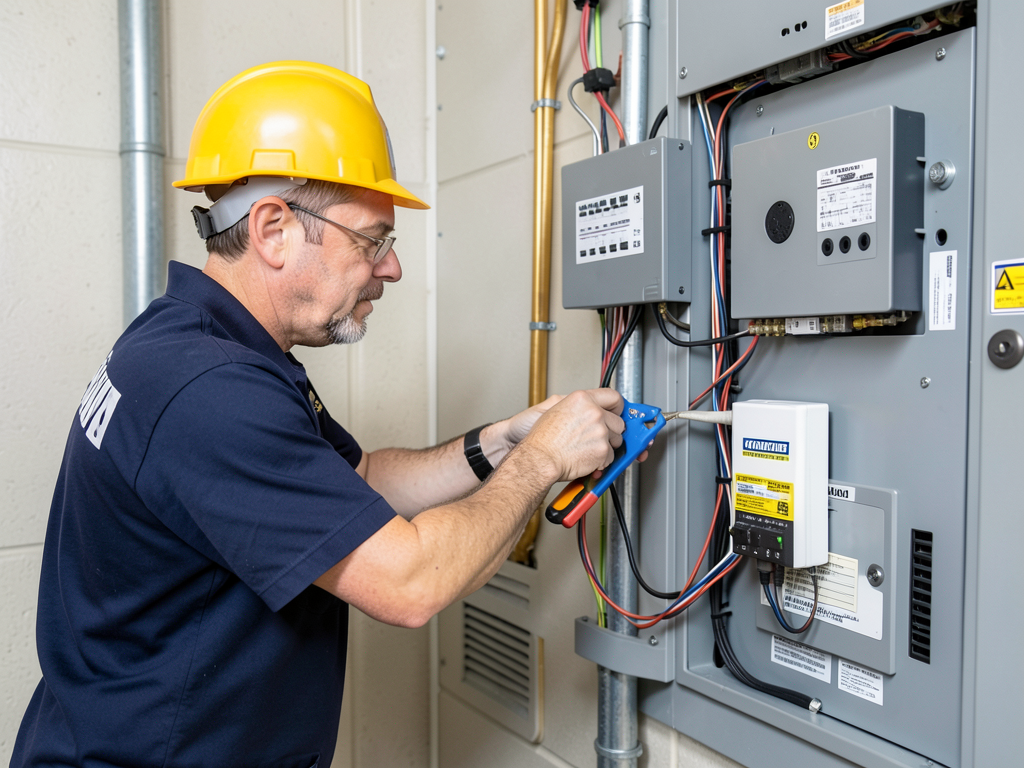
A proper electrical inspection form follows a systematic methodology that examines every component from the service entrance to the final circuit. The process begins at the meter base and main disconnect, checking for proper grounding, bonding, and overcurrent protection sizing.

Panel inspections evaluate bus bar condition, breaker compatibility, and proper wire terminations. You cannot simply look at a panel. You must test for voltage drop under load, verify proper torque on lugs, and use thermal imaging to detect hot spots indicating loose connections or overloaded circuits.

The electrical maintenance checklist extends to branch circuits, examining wire gauge against breaker ratings and verifying proper derating for bundled conductors in attics where Houston temperatures exceed 140 degrees. AFCI and GFCI devices require functional testing, not just visual confirmation.

Grounding electrode systems need verification. Many Houston properties have inadequate ground rods driven into dry clay soil, creating high resistance paths. Bonding between electrical and plumbing systems prevents dangerous potential differences.

Commercial electrical audit templates include emergency lighting system tests, exit sign battery backup verification, and life safety system integration checks. You must document disconnecting means labeling, working clearances around equipment, and proper identification of circuits.

The electrical compliance checklist addresses code-specific requirements like tamper-resistant receptacles in dwelling units, weatherproof covers on exterior outlets, and proper GFCI protection for kitchen, bathroom, garage, and outdoor circuits. Each item receives a pass, fail, or recommendation status. Failed items require immediate correction. Recommendations indicate upgrades that improve safety beyond minimum code requirements.

What Happens During Your Electrical System Safety Audit

Electrical Inspection Checklist in Houston – Comprehensive Safety Audit Template for Residential and Commercial Properties
01

Initial System Assessment

We review your electrical service capacity, panel age, and visible components to understand your system's baseline condition. This includes examining your main panel labeling, identifying wire types throughout accessible areas, and documenting your current electrical load distribution. We note any previous modifications, additions, or repairs that may affect overall system integrity and code compliance status.
02

Component-Level Testing

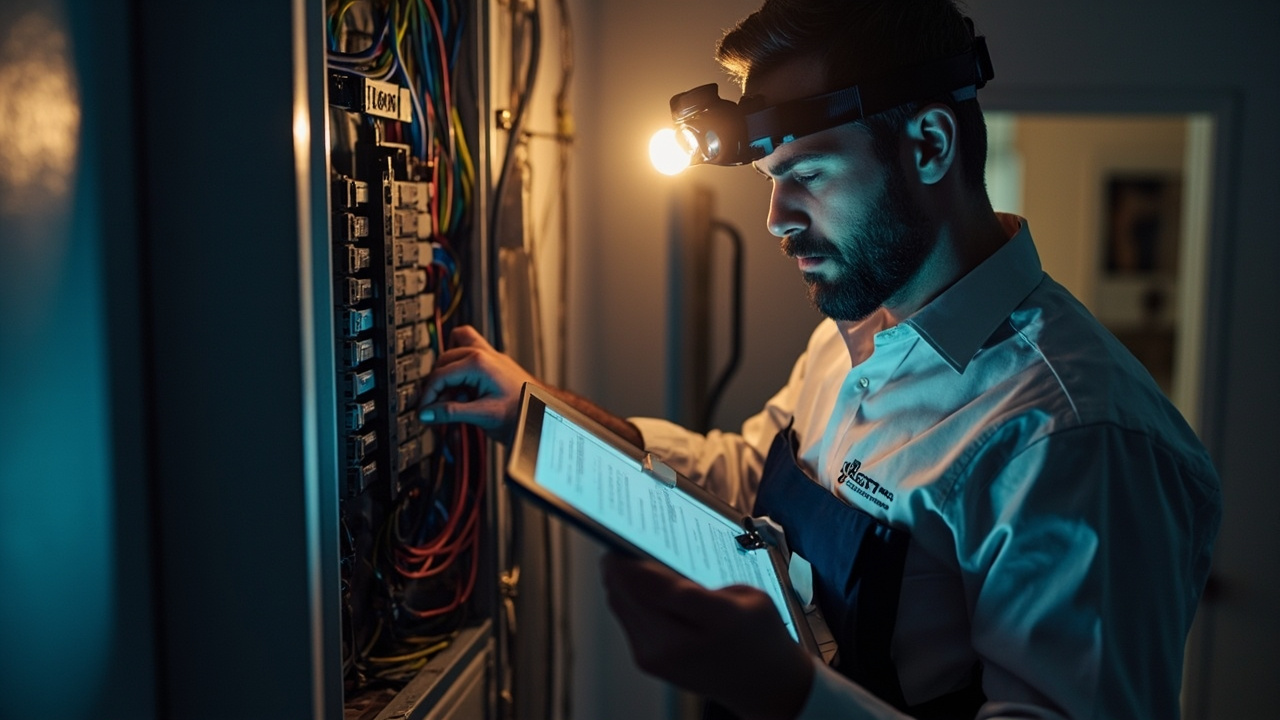
Each circuit undergoes functional testing using calibrated instruments to measure voltage, amperage, and resistance. We test GFCI and AFCI devices for proper trip response, verify grounding continuity, and use thermal imaging to detect hidden hot spots. Circuit breakers receive load testing to confirm they trip at rated amperage. Every outlet, switch, and fixture gets evaluated for proper installation and safe operation.
03

Documentation and Recommendations

You receive a complete electrical inspection form detailing every finding, organized by priority level. Critical safety hazards get flagged for immediate attention. Code violations receive specific citations and correction requirements. Recommended upgrades include clear explanations of why they improve safety or functionality. This documentation serves as your roadmap for maintaining a safe, compliant electrical system and provides valuable records for insurance and resale purposes.

Why Houston Property Owners Trust Titan Electricians Houston

Houston's electrical landscape presents unique challenges that require local expertise. We understand how the city's building code amendments differ from base NEC requirements. Properties in the historic preservation districts have additional restrictions on panel placement and conduit routing. Commercial buildings near the Medical Center face different inspection standards than industrial facilities in the East End.

We know which Houston neighborhoods contain older homes with cloth-wrapped wiring, where Federal Pacific panels are common, and which areas experienced the aluminum wiring boom. This geographic knowledge helps us anticipate problems before we open your first panel.

Our electrical audit template reflects real conditions we see daily across greater Houston. We do not use generic checklists designed for other climates or building types. Our inspection protocols account for attic temperatures that regularly exceed 130 degrees, moisture infiltration patterns during tropical storms, and ground rod effectiveness in Houston's clay soil.

Titan Electricians Houston maintains relationships with local building inspectors and understands their specific interpretation of code requirements. This prevents you from receiving correction notices after making upgrades. We know what passes inspection in Houston because we work within this system every day.

Our electrical compliance checklist includes items that other inspectors miss. We check for proper bonding of gas piping, verify smart home device installations meet code, and evaluate electric vehicle charging circuits for proper installation. We understand that Houston homeowners want thoroughness, not just minimum compliance.

You receive documentation formatted to satisfy insurance companies, real estate transactions, and building department requirements. Our electrical maintenance checklist provides a timeline for future inspections based on your specific system age and condition.

What You Get With a Professional Electrical Inspection

Scheduling and Response Time

Most electrical inspections get scheduled within 48 hours of your call. The actual inspection takes between two and four hours depending on property size and system complexity. Commercial properties or homes over 3,000 square feet may require a full day. We arrive with all necessary testing equipment, thermal imaging cameras, and documentation tools. You do not need to prepare anything beyond providing access to electrical panels and spaces we need to inspect. Emergency inspections for property transactions can often be accommodated within 24 hours when needed.

How the Inspection Process Works

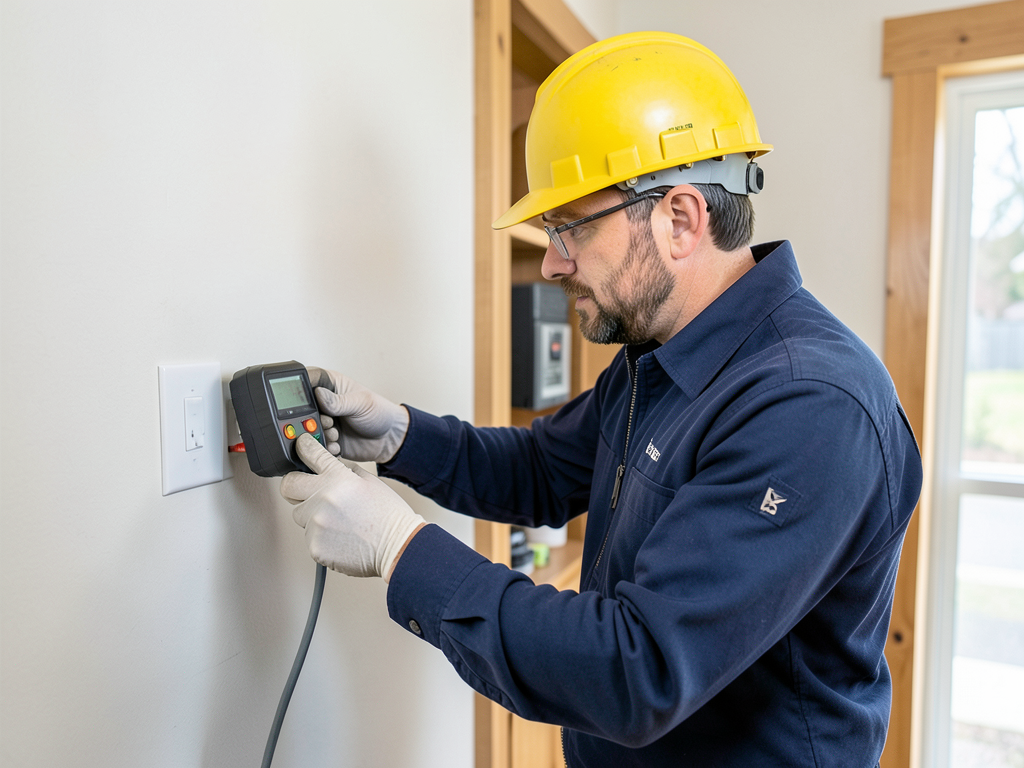
We begin with a visual assessment of your service entrance, meter base, and main panel. Next comes systematic testing of circuits, protective devices, and grounding systems. We use non-invasive thermal imaging to detect problems hidden behind walls and ceilings. Every outlet receives testing for proper wiring and grounding. GFCI and AFCI devices get functionally tested. We examine attic and crawlspace wiring for damage, improper splices, or code violations. Outdoor components get evaluated for weatherproofing and proper installation. You can accompany us during the inspection to ask questions and understand what we find.

Your Inspection Report

You receive a detailed electrical inspection form within 24 hours of completion. The report categorizes findings into immediate safety hazards, code violations requiring correction, and recommended improvements. Each issue includes photographs, specific location information, and clear explanations in plain language. Priority rankings help you understand what needs immediate attention versus what can be scheduled for future work. The report format meets requirements for insurance companies, real estate transactions, and building departments. You get both a printed copy and digital version for your records.

Follow-Up and Ongoing Maintenance

Your electrical maintenance checklist includes recommended intervals for future inspections based on system age and condition. Older homes may benefit from annual inspections while newer construction can go three to five years between comprehensive audits. We provide guidance on monitoring your system between professional inspections. If you choose to make corrections or upgrades based on our findings, we can schedule that work separately. We maintain your inspection records and send reminders when your next assessment approaches. This creates a documented history of your electrical system's condition and improvements over time.

Frequently Asked Questions

You Have Questions,
We Have Answers

What is included in an electrical inspection? +

An electrical inspection includes a thorough review of your service panel, circuit breakers, grounding system, and wiring throughout the home. Inspectors check outlets, switches, GFCI protection in wet areas like kitchens and bathrooms, and AFCI devices in bedrooms. They verify proper wire gauge, bonding, and load distribution. In Houston, inspectors pay close attention to grounding in areas with clay soil and high moisture levels. They also examine outdoor electrical components for weather resistance, meter connections, and service entrance cables. The goal is to identify fire hazards, shock risks, and code violations before they become dangerous.

What do they check on an electrical inspection? +

Inspectors check your electrical panel for proper amperage, correct breaker sizing, and signs of overheating or corrosion. They test outlets for proper grounding and polarity, verify GFCI protection in wet locations, and inspect visible wiring for damage or improper splices. They examine junction boxes to ensure they are covered and accessible. In Houston homes, inspectors look for moisture intrusion in panels due to high humidity and check outdoor receptacles for weatherproofing. They also verify proper bonding of metal pipes and gas lines, inspect light fixtures for correct installation, and test smoke detectors for functionality and proper wiring.

What will fail an electrical inspection? +

Common failures include missing GFCI protection in bathrooms, kitchens, and garages, open junction boxes without covers, double-tapped breakers, and improper wire splices outside approved boxes. Reversed polarity at outlets, inadequate grounding, and overloaded circuits fail immediately. In Houston, moisture damage in panels from high humidity causes failures, as do exposed wiring in attics and improper outdoor receptacle installations without weather-resistant covers. Aluminum wiring without proper connectors, ungrounded three-prong outlets, and missing AFCI protection in bedrooms also fail. Any signs of overheating, charring, or melted insulation result in immediate failure requiring correction before approval.

What is the daily checklist for electrical maintenance? +

A daily electrical maintenance checklist includes visual inspection of panels for signs of heat or burning odors, testing GFCI outlets monthly by pressing the test button, checking cords and plugs for fraying or damage, and verifying surge protectors function properly. Examine extension cords for overheating and ensure they are not daisy-chained. In Houston commercial settings, check outdoor equipment for moisture intrusion and corrosion. Test emergency lighting systems, verify generator connections remain secure, and inspect high-use equipment for loose connections. Keep panels accessible and free of obstructions. Document any flickering lights, tripped breakers, or unusual sounds for immediate professional evaluation.

What are the 7 electrical tests? +

The seven electrical tests include continuity testing to verify complete circuits, insulation resistance testing to check wire integrity, earth resistance testing to ensure proper grounding, polarity testing to confirm correct wire connections, RCD testing for ground fault protection, load testing to verify circuit capacity, and voltage drop testing to measure power loss. In Houston installations, inspectors perform these tests to identify moisture-related degradation common in high-humidity environments. Each test uses specialized equipment like megohmmeters, multimeters, and clamp meters. These tests reveal hidden problems that visual inspection cannot detect, ensuring electrical systems meet safety standards and operate reliably under load conditions.

What is the biggest red flag in a home inspection? +

The biggest red flag in a home inspection is a Federal Pacific Electric (FPE) or Zinsco panel. These panels fail to trip during overloads, creating serious fire hazards. Other major red flags include aluminum wiring without proper connections, knob-and-tube wiring still in use, evidence of DIY electrical work without permits, and water damage inside electrical panels. In Houston homes, moisture intrusion in panels from high humidity ranks as a critical concern. Reversed polarity throughout the home, missing grounding, and overloaded circuits also signal immediate safety issues. Any charring, melting, or burning smells near electrical components require urgent professional attention and replacement.

What to expect during an electrical inspection? +

During an electrical inspection, an inspector arrives with testing equipment and reviews your service panel first, checking amperage, breaker condition, and proper labeling. They test outlets throughout the home with a plug tester, verify GFCI and AFCI protection, and inspect visible wiring in attics, crawl spaces, and basements. In Houston homes, they spend extra time checking for moisture damage and proper outdoor weatherproofing. The inspector examines light fixtures, switches, and junction boxes for code compliance. They document findings with photos and notes. The process takes one to three hours depending on home size. You receive a detailed report identifying violations and safety concerns.

What are the 4 types of inspection? +

The four types of electrical inspections are rough-in inspections before walls close up, final inspections after installation completes, service change inspections when upgrading panels or service capacity, and resale inspections before property transfers. Rough-in inspections verify proper wire routing, box placement, and conductor sizing. Final inspections confirm all devices work correctly and meet code. Service change inspections ensure new panels and meter connections comply with current Houston electrical codes and utility requirements. Resale inspections identify safety hazards and code violations that could affect property value or financing. Each inspection type serves a specific purpose in maintaining electrical safety and compliance.

How much does an electrical inspection cost? +

Electrical inspection costs vary based on home size, system complexity, and inspection type. Basic residential inspections range from affordable to moderate pricing depending on square footage and electrical components evaluated. In the Houston area, costs reflect local permit fees and travel considerations across the greater metro region. Older homes with outdated wiring require more time and detailed evaluation. Commercial inspections cost more due to larger systems and complex equipment. Infrared thermal imaging adds expense but reveals hidden hot spots. Emergency inspections after electrical problems or before urgent sales command premium rates. Contact local licensed inspectors for specific quotes based on your property needs.

What is the most common electrical violation? +

The most common electrical violation is missing GFCI protection in required locations like bathrooms, kitchens, garages, and outdoor receptacles. Other frequent violations include open or missing junction box covers, double-tapped breakers, improper wire splicing, and ungrounded three-prong outlets. In Houston homes, inadequate weatherproofing of outdoor receptacles and moisture damage in panels rank high. Overloaded circuits, extension cords used as permanent wiring, and improper wire gauge for circuit amperage appear regularly. Many homes lack required AFCI protection in bedrooms. Reversed polarity, missing panel labeling, and insufficient clearance around electrical panels also violate code frequently and require immediate correction.

How Houston's Hurricane Risk Makes Electrical Inspections Critical

Hurricane season brings sustained winds, flooding, and power surges that expose electrical system weaknesses. Properties near Buffalo Bayou, Brays Bayou, and other flood-prone areas face water infiltration into panels and junction boxes. Storm damage often goes undetected until circuits fail weeks or months later. Saltwater intrusion from storm surge near Galveston Bay accelerates corrosion inside panels. An electrical safety checklist performed before hurricane season identifies vulnerable components that could fail during storms. This includes checking outdoor disconnect boxes for proper sealing, verifying generator interlock systems work correctly, and confirming whole-house surge protection remains functional after previous storm events.

Houston's rapid construction boom means electrical work quality varies significantly across neighborhoods. Newer developments in Katy, Cypress, and The Woodlands sometimes receive rushed installations during the building surge. An electrical compliance checklist catches substandard work before warranty periods expire. Properties in established areas like River Oaks or Memorial need inspections to verify old systems handle modern electrical demands. Local building inspectors focus on specific issues based on regional failure patterns they have observed. Our familiarity with Houston's electrical inspection requirements helps you pass municipal inspections and avoid correction notices that delay projects or property sales.

Electrical Services in The Houston Area

Looking for reliable electricians near you? Titan Electricians Houston proudly serves homeowners and businesses across the greater Houston area with expert electrical repairs, panel upgrades, lighting installations, wiring services, and 24/7 emergency support. From The Woodlands to Pearland, our licensed electricians are ready to deliver safe, efficient, and code-compliant solutions. Use the map below to explore our service coverage and find fast, trusted electrical help in your neighborhood.

Address:
TitanElectriciansHouston, 2500 Summer St, Houston, TX, 77007

Additional Services We Offer

Our news updates

Latest Articles & News from The Blogs

Lorem ipsum dolor sit amet. Aut expedita quaerat quo eligendi numquam et laudantium perspiciatis qui minima expedita rem consequatur ducimus.…

Test Blog 4

Lorem ipsum dolor sit amet. Aut expedita quaerat quo eligendi numquam et laudantium perspiciatis qui minima expedita rem consequatur ducimus.…

Test Blog 3

Lorem ipsum dolor sit amet. Aut expedita quaerat quo eligendi numquam et laudantium perspiciatis qui minima expedita rem consequatur ducimus.…

Test Blog 2

Lorem ipsum dolor sit amet. Aut expedita quaerat quo eligendi numquam et laudantium perspiciatis qui minima expedita rem consequatur ducimus.…

Contact Us

Do not wait for an electrical failure to discover hidden hazards in your system. Call Titan Electricians Houston at (281) 552-7811 to schedule your comprehensive electrical safety inspection. We provide detailed documentation you can use for insurance, property transactions, or peace of mind.