




Menu

Bulbs Burning Out Quickly in Houston – Expert Diagnosis and Permanent Electrical Solutions

When you face bulbs burning out quickly, you need Houston electricians who understand the root cause and deliver lasting repairs, not temporary Band-Aids that waste your money and time.

Slider Image 1
Slider Image 2
Slider Image 3
Slider Image 4
Slider Image 5
Slider Image 7
Slider Image 8
Slider Image 9
Slider Image 10
Slider Image 11

Why Your Light Bulbs Keep Failing in Houston Homes

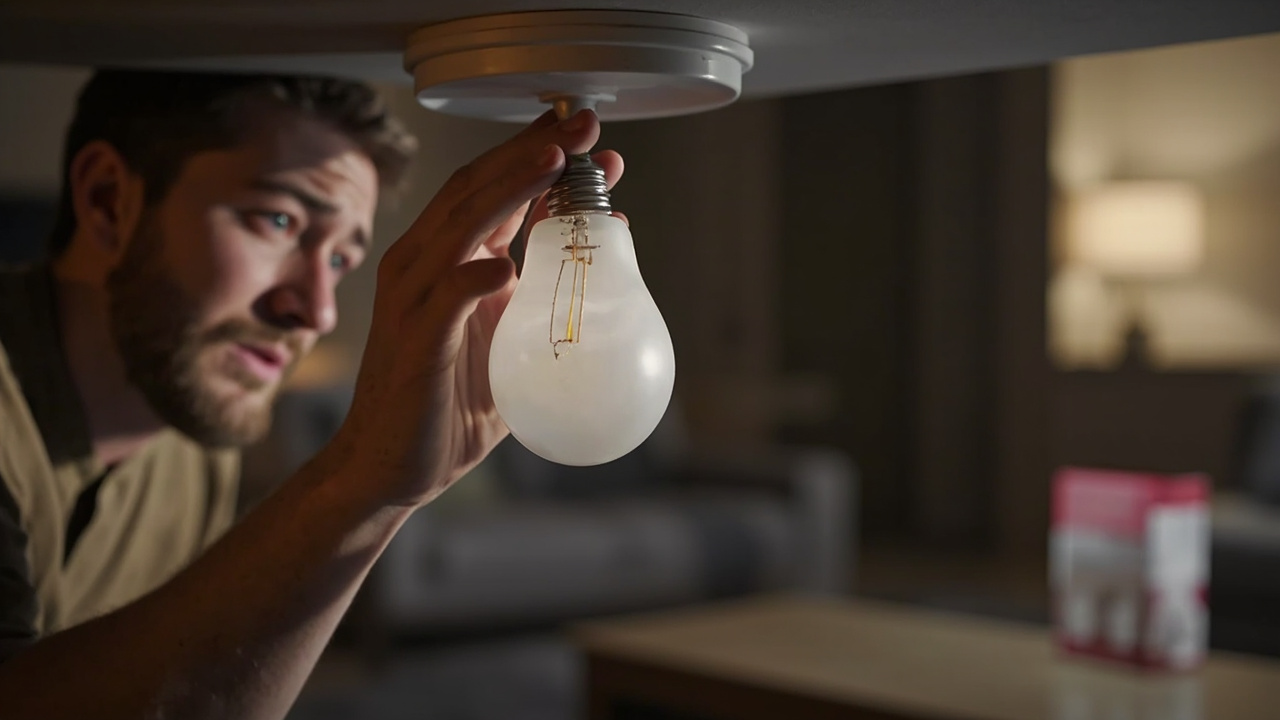
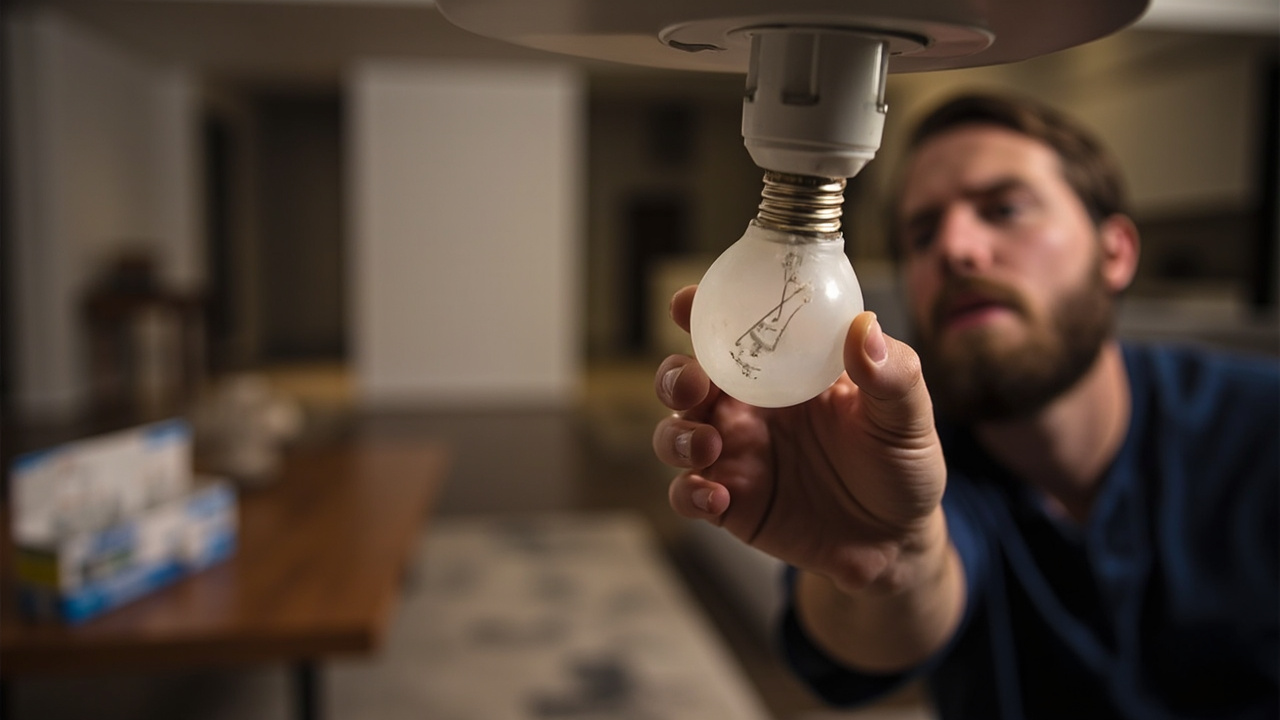
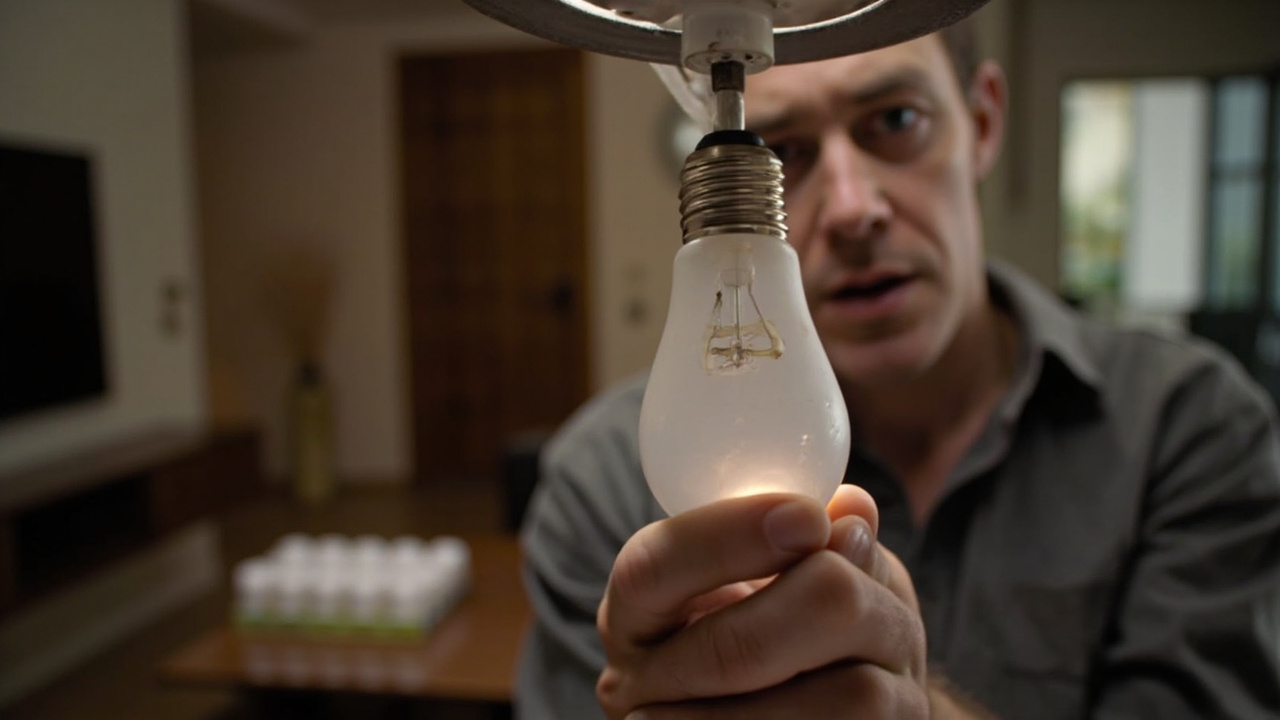
You replace a bulb. Three weeks later, it burns out. You switch brands. Same problem. Light bulbs dying fast is not normal, and it is not the bulb's fault.

Houston's extreme heat and voltage fluctuations create the perfect storm for premature light bulb failure. When outdoor temperatures hit 95 degrees, attic spaces can reach 150 degrees. That heat radiates into your ceiling fixtures. Add the electrical stress from the city's aging grid infrastructure, and your bulbs face constant pressure. Every brownout, every surge from summer storms, every minor voltage spike chips away at filament integrity and LED driver circuits.

Light bulbs blowing repeatedly points to deeper electrical issues. Loose connections create resistance. Resistance generates heat. Heat accelerates failure. Poor wiring in older Houston neighborhoods compounds the problem. Homes built in the 1960s and 1970s often have aluminum wiring or outdated junction boxes that cannot handle modern electrical loads.

Recessed can lights in your ceiling trap heat. Dimmer switches not rated for LED bulbs send inconsistent power. Overloaded circuits force your lighting to compete with air conditioners and refrigerators. Each of these factors shortens bulb lifespan from years to weeks.

Light bulbs burning out frequently is your electrical system sending a warning. Ignoring it risks more than inconvenience. Overheating fixtures can damage insulation. Loose connections can arc. What starts as a nuisance can escalate into a fire hazard. You deserve answers, not guesswork.

Why Your Light Bulbs Keep Failing in Houston Homes
How We Stop Short Light Bulb Lifespan at the Source

How We Stop Short Light Bulb Lifespan at the Source

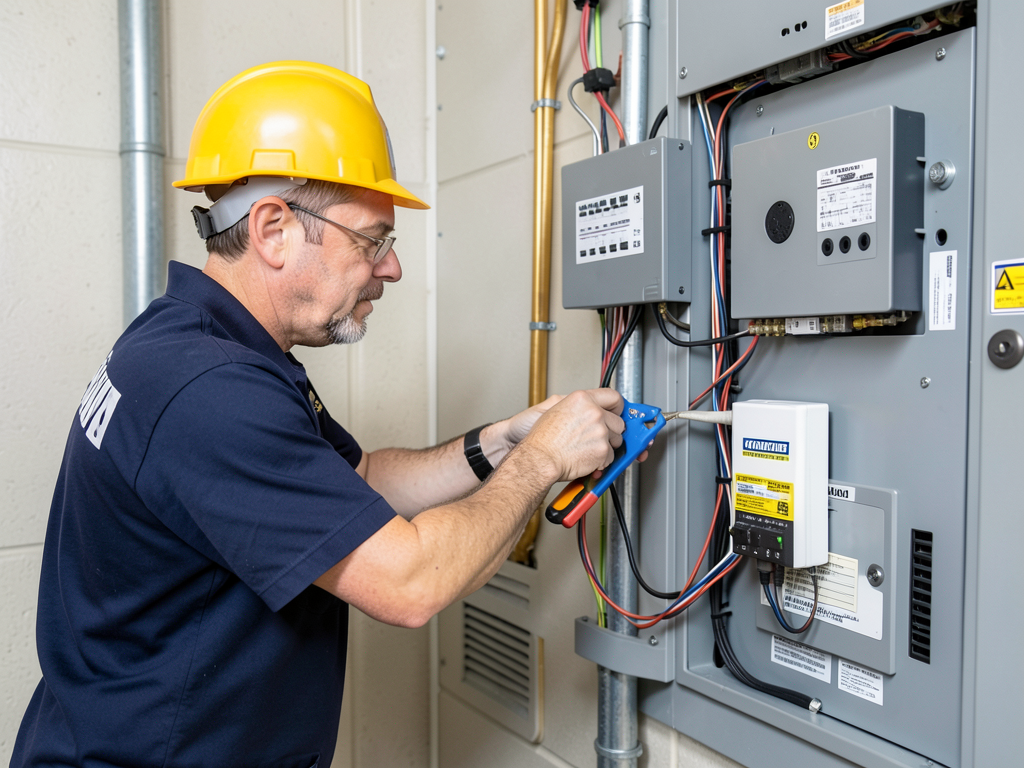
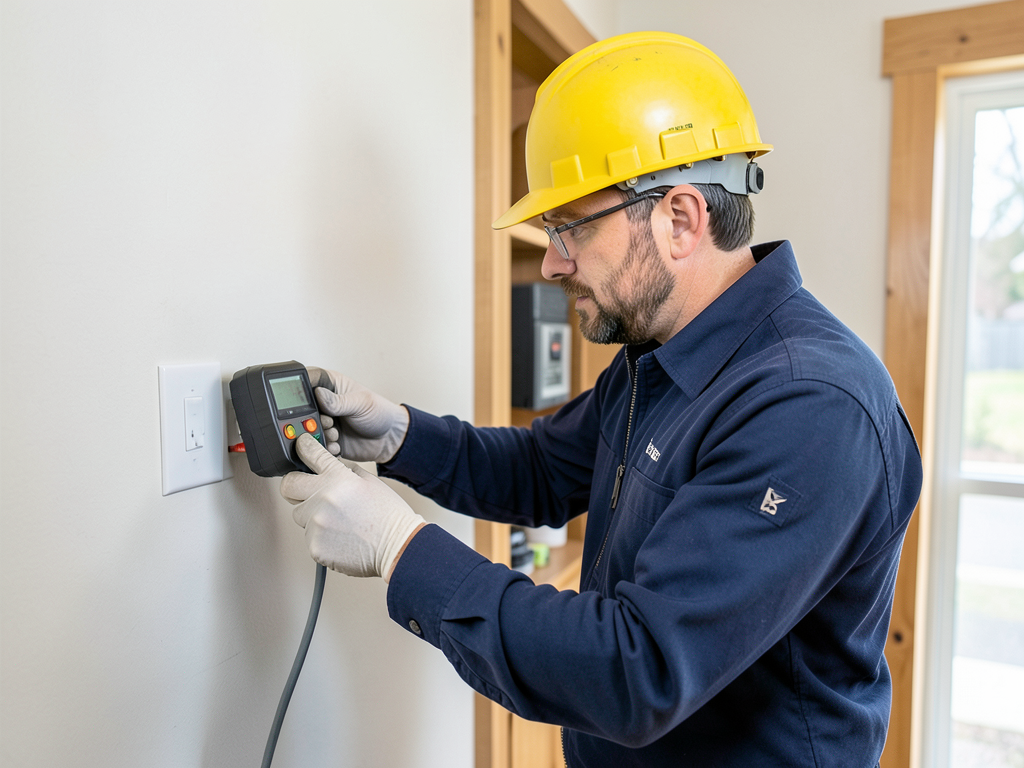
We do not just screw in new bulbs and leave. That approach ignores the problem. Our electricians use diagnostic tools to measure what you cannot see.

First, we test voltage at the fixture using a multimeter. Voltage should sit between 115 and 125 volts. Readings above 130 volts or below 110 volts indicate supply problems. We check for loose neutrals at the panel, corroded connections in junction boxes, and backstabbed wires that create high resistance.

Next, we inspect your fixture type. Recessed cans without IC ratings trap heat and cook bulbs. We verify clearances and airflow. If your fixture cannot dissipate heat properly, we recommend thermal protectors or fixture upgrades that meet current NEC guidelines.

We analyze your dimmer switches. Older rotary dimmers designed for incandescent bulbs send choppy waveforms to LEDs. That electrical noise damages driver circuits. We install TRIAC or ELV dimmers engineered for low-voltage LED compatibility.

We also examine your electrical panel. Circuit breakers lose tension over time. Weak breakers allow voltage sags and surges. We measure amperage draw on each circuit to identify overloads. If your lighting shares a circuit with high-demand appliances, we recommend dedicated circuits to isolate sensitive loads.

Houston's summer storms cause frequent power fluctuations. We assess your home's grounding system and install whole-house surge protection when needed. A quality surge protector clamps transient voltage spikes before they reach your fixtures.

Finally, we verify bulb compatibility. Enclosed fixtures require bulbs rated for enclosed spaces. High-humidity bathrooms need damp-rated fixtures. We match bulb specs to your environment and usage patterns. When we finish, your bulbs last as long as the manufacturer promised.

What Happens During Your Bulb Failure Inspection

Bulbs Burning Out Quickly in Houston – Expert Diagnosis and Permanent Electrical Solutions
01

Electrical System Assessment

We start by testing voltage and current at your problem fixtures using calibrated meters. You show us which bulbs fail repeatedly, and we document the pattern. We check your electrical panel for loose connections, measure circuit loads, and inspect wire condition. This diagnostic phase identifies whether you have a fixture issue, a circuit problem, or a whole-house electrical concern that affects multiple areas.
02

Root Cause Identification

After gathering voltage and resistance readings, we pinpoint the exact failure mechanism. We test dimmer switch compatibility with your bulb type, inspect junction box connections for corrosion or looseness, and verify your fixtures meet thermal and environmental ratings. We trace the circuit back to the breaker if needed. You receive a clear explanation of what is causing your bulbs to fail and why it keeps happening despite replacing them.
03

Permanent Repair and Verification

We implement the solution based on your specific diagnosis. This might involve tightening connections, replacing incompatible dimmers, upgrading overloaded circuits, or installing surge protection. We retest voltage and current after repairs to confirm stability. You get documentation of what we fixed and recommendations for bulb types that will perform reliably in your specific fixtures. We verify the repair eliminates the conditions that caused premature failure.

Why Houston Homeowners Trust Us with Electrical Diagnostics

Houston's electrical challenges are unique. The city's explosive growth over the past 30 years created neighborhoods where 1970s ranch homes sit next to modern builds. Electrical codes and standards evolved dramatically during that time. Many Houston homes have mix-and-match electrical systems from multiple decades.

We work in these homes daily. We know which neighborhoods have aluminum wiring. We understand how Houston's clay soil shifts foundations and stresses conduit runs. We have seen what happens when humidity corrodes connections in coastal areas near Galveston Bay. This local experience matters when diagnosing intermittent problems like bulbs burning out quickly.

National chain electricians follow scripts. They see a burned-out bulb and recommend panel upgrades or rewiring. Those solutions might be necessary, but often they are not. We take the time to diagnose accurately. We have the test equipment and training to measure what is actually happening in your circuits. You get honest answers, not sales pitches.

Houston's summer heat stresses electrical systems harder than moderate climates. Air conditioners run constantly. Refrigerators work overtime. Your electrical panel operates near capacity for months straight. We factor in those seasonal stresses when evaluating your system. A circuit that works fine in February might overload in August.

We also understand Houston's code requirements. The city adopted the 2020 NEC with local amendments. Permit inspectors in Harris County have specific expectations for workmanship and materials. When we repair electrical problems, we do it to code. You will not face inspection failures or insurance complications down the road.

You need someone who understands the difference between a quick fix and a lasting solution. We deliver the second option because our reputation depends on solving problems, not creating return visits.

What You Can Expect When You Call Us

Fast Response Times

We schedule diagnostic appointments within 24 to 48 hours for most Houston service areas. If you have urgent electrical concerns like flickering lights or warm outlets accompanying your bulb failures, we prioritize your call. Our electricians arrive on time with the diagnostic tools needed to measure voltage, current, and resistance. Most diagnostic visits take 60 to 90 minutes, depending on how many fixtures are affected and whether we need to trace circuits back to your panel.

Thorough Electrical Testing

Our electricians perform comprehensive circuit analysis using commercial-grade test equipment. We measure voltage under load, test for voltage drop across connections, and verify your panel's neutral and ground integrity. You receive clear explanations during the testing process. We show you meter readings and explain what they mean. If we find code violations or safety hazards, we document them and explain your options. You make informed decisions based on facts, not fear.

Reliable Repairs That Last

When we repair electrical connections, we use code-compliant methods and quality materials. We replace backstabbed connections with proper wire nuts or Wago lever connectors. We install dimmers and switches rated for your specific bulb types. If your problem requires circuit upgrades or panel modifications, we pull permits and schedule inspections. You get work that meets NEC standards and protects your home's value. We do not cut corners because electrical problems do not forgive shortcuts.

Follow-Up and Prevention Guidance

After we complete repairs, we provide written documentation of what we fixed and why. You receive bulb recommendations specific to your fixtures and usage patterns. We explain how to recognize warning signs of future electrical problems. If we identified other electrical concerns during our inspection, we prioritize them by urgency and safety risk. You get a roadmap for maintaining your electrical system, not just a temporary fix. We are available if questions arise after the repair.

Frequently Asked Questions

You Have Questions,
We Have Answers

What causes light bulbs to burn out fast? +

Bulbs burn out fast due to voltage fluctuations, loose connections, or poor quality bulbs. In Houston, frequent power surges from summer storms stress filaments and shorten lifespan. Overheating is another culprit. If your fixture traps heat or you use a bulb with too high wattage, the filament degrades faster. Vibration from ceiling fans or frequent on-off cycles also damages bulbs. Check your electrical panel for voltage issues and ensure connections are tight. If bulbs burn out in the same fixture repeatedly, you likely have a wiring problem that needs professional diagnosis.

What does it mean when light bulbs keep blowing out? +

When bulbs keep blowing out, it signals an electrical problem. Voltage spikes from the grid or loose wiring cause excessive current to hit the filament, burning it instantly. In older Houston homes, outdated wiring or corroded connections create resistance that generates heat and shortages. A failing ballast in fluorescent fixtures also causes repeated bulb failure. If multiple bulbs blow in the same fixture within weeks, do not ignore it. The issue will not fix itself and poses a fire risk. An electrician can test voltage, inspect connections, and identify the root cause.

How do I know if it's the ballast or bulb? +

If a fluorescent fixture flickers, dims, or takes time to light, suspect the ballast. Bulbs that work in other fixtures but fail in one specific fixture point to ballast failure. Buzzing or humming sounds also indicate ballast problems. To test, swap the bulb with a known good one. If the new bulb fails immediately or exhibits the same symptoms, the ballast is the issue. In Houston's heat, ballasts degrade faster due to thermal stress. A multimeter test can confirm ballast output, but most homeowners should call an electrician for accurate diagnosis and replacement.

Do LED bulbs get hot enough to start a fire? +

LED bulbs run much cooler than incandescent bulbs and rarely get hot enough to ignite materials. However, poor quality LEDs with inadequate heat sinks can overheat and fail. The real fire risk comes from using LEDs in enclosed fixtures not rated for them. Heat builds up with no ventilation, damaging the driver circuit and potentially causing electrical failure. In Houston's heat, enclosed outdoor fixtures compound this problem. Always check fixture compatibility and use LEDs rated for enclosed spaces. If an LED bulb feels excessively hot or smells like burning plastic, remove it immediately and inspect the fixture.

How long are light bulbs supposed to last? +

Incandescent bulbs last roughly 1,000 hours. CFLs last 8,000 to 15,000 hours. LEDs last 25,000 to 50,000 hours under normal conditions. If your bulbs fail sooner, something is wrong. Voltage fluctuations, heat buildup, and poor quality shorten lifespan dramatically. In Houston, power surges from summer storms and grid stress during peak cooling demand accelerate burnout. Frequent switching also reduces bulb life. If you replace bulbs monthly, stop buying cheap bulbs and start investigating your electrical system. The problem is not the bulb. It is your wiring, voltage, or fixture compatibility.

What happens if I put a 100W LED bulb in a 60W socket? +

Putting a 100W equivalent LED in a 60W socket is safe because LEDs draw far less actual wattage. A 100W equivalent LED only uses 15 to 20 watts. The wattage rating on sockets refers to heat generation, not electrical draw. LEDs produce minimal heat, so they will not overload the socket or fixture. However, check that the fixture is rated for the LED's actual wattage and that it allows adequate ventilation. Enclosed fixtures in Houston's heat can still cause LEDs to overheat and fail early, even if wattage is technically safe. Always verify fixture compatibility.

How to fix a light fixture that keeps burning out bulbs? +

First, turn off power at the breaker. Inspect the socket for corrosion, burn marks, or loose contacts. Replace damaged sockets. Check the fixture for loose wiring at connection points. Tighten all wire nuts and ensure ground wires are secure. If the fixture is enclosed, verify it is rated for the bulb type you are using. In Houston, heat buildup in outdoor or attic fixtures accelerates failure. Test voltage at the fixture with a multimeter. If voltage exceeds 125 volts, call an electrician to check your panel and service. Persistent problems indicate deeper wiring issues.

Can a faulty light bulb cause a fire? +

Yes, a faulty bulb can cause a fire, though it is uncommon. A bulb with damaged insulation or a cracked base can arc and ignite nearby materials. More often, the fire risk comes from overheating due to incorrect wattage, poor fixture ventilation, or loose connections that create resistance and heat. In Houston's older homes, outdated wiring compounds the risk. If a bulb burns out with a loud pop, emits smoke, or leaves scorch marks on the fixture, do not reuse that socket. Shut off power and call an electrician to inspect for damage.

How do I stop my bulbs from blowing? +

Stop bulbs from blowing by addressing voltage issues first. Install a whole-home surge protector to buffer power spikes common in Houston during storm season. Use quality bulbs rated for your fixture type and ensure wattage matches socket ratings. Tighten loose bulbs and check socket contacts for corrosion. Avoid frequent on-off cycles, which stress filaments. If bulbs blow in one fixture, replace the socket or inspect wiring for loose connections. For persistent problems, call an electrician to test voltage at your panel and inspect branch circuits. Bulb failure is a symptom of electrical problems.

Do I need an electrician to change a ballast? +

Yes, hire an electrician to change a ballast. Ballast replacement involves working with live electrical connections and high voltage components. Incorrect wiring can damage the new ballast, cause fixture failure, or create a shock hazard. In Houston, many commercial and residential fluorescent fixtures are decades old with brittle wiring that crumbles when touched. An electrician will test voltage, ensure proper grounding, and confirm compatibility between the ballast and bulbs. For DIYers comfortable with electrical work, it is doable, but most homeowners should call a professional to avoid costly mistakes and safety risks.

How Houston's Grid Stress Accelerates Bulb Failure in Residential Homes

Houston's electrical grid serves over 2.3 million people across a sprawling metro area. Summer demand peaks stress transmission infrastructure built decades ago. When the grid operates near capacity, voltage can fluctuate by several percentage points throughout the day. Your home might receive 118 volts in the morning and 124 volts during afternoon AC load peaks. LED bulbs tolerate these variations better than incandescent filaments, but even small voltage swings stress driver circuits and reduce lifespan. Coastal humidity compounds the problem by corroding connections that create resistance hotspots. If you live in older Houston neighborhoods like Montrose, Heights, or Bellaire, your home likely has electrical systems installed before modern voltage regulation standards existed.

Choosing a Houston electrician who understands local grid conditions and building practices matters when diagnosing bulb failure patterns. We work throughout Harris County and surrounding areas daily. We know which neighborhoods have undersized service panels, which subdivisions used aluminum wiring, and how Houston's clay soil movement affects conduit and junction box stability. National companies follow generic troubleshooting checklists. We apply local knowledge to solve problems faster and more accurately. When you call Titan Electricians Houston, you get technicians who have seen your specific electrical issue dozens of times in similar homes across the metro area.
Electrical Services in The Houston Area

Looking for reliable electricians near you? Titan Electricians Houston proudly serves homeowners and businesses across the greater Houston area with expert electrical repairs, panel upgrades, lighting installations, wiring services, and 24/7 emergency support. From The Woodlands to Pearland, our licensed electricians are ready to deliver safe, efficient, and code-compliant solutions. Use the map below to explore our service coverage and find fast, trusted electrical help in your neighborhood.

Address:
TitanElectriciansHouston, 2500 Summer St, Houston, TX, 77007

Additional Services We Offer

Our news updates

Latest Articles & News from The Blogs

Lorem ipsum dolor sit amet. Aut expedita quaerat quo eligendi numquam et laudantium perspiciatis qui minima expedita rem consequatur ducimus.…

Test Blog 4

Lorem ipsum dolor sit amet. Aut expedita quaerat quo eligendi numquam et laudantium perspiciatis qui minima expedita rem consequatur ducimus.…

Test Blog 3

Lorem ipsum dolor sit amet. Aut expedita quaerat quo eligendi numquam et laudantium perspiciatis qui minima expedita rem consequatur ducimus.…

Test Blog 2

Lorem ipsum dolor sit amet. Aut expedita quaerat quo eligendi numquam et laudantium perspiciatis qui minima expedita rem consequatur ducimus.…

Contact Us

Call Titan Electricians Houston at (281) 552-7811 today. We will diagnose why your bulbs keep burning out and fix it permanently. No more wasted money on bulbs that fail in weeks.