




Menu

Smart Home Automation in Houston – Full-Scale Connected Home Solutions from Panel to Protocol

Titan Electricians Houston designs, installs, and integrates intelligent home control systems that work with your electrical infrastructure, not against it, delivering safe, scalable smart house technology across the greater Houston metro.

Slider Image 1
Slider Image 2
Slider Image 3
Slider Image 4
Slider Image 5
Slider Image 7
Slider Image 8
Slider Image 9
Slider Image 10
Slider Image 11

Why Houston Homes Need Electrical-First Smart Home Automation

You want voice control, automated lighting, smart thermostats, and remote security monitoring. But most home automation systems fail because the installer treated your electrical panel like an afterthought.

Houston homes built before 2010 run on 100-amp or 150-amp panels that were never designed to handle the continuous load of connected home solutions. Add in the power surges common during summer storm season, when afternoon thunderstorms roll through Bellaire, the Heights, and Katy, and you get devices that drop offline, breakers that nuisance-trip, and smart hubs that reboot randomly.

Worse, older aluminum wiring in properties near Memorial Park or older sections of Montrose creates voltage inconsistencies that confuse low-voltage smart devices. You install a smart doorbell, and your porch light flickers. You add a Nest thermostat, and your upstairs outlets stop working.

Real residential automation starts at the electrical foundation. You need dedicated circuits for high-draw devices, proper grounding for low-voltage control wiring, whole-home surge protection rated for Texas lightning strikes, and panel capacity planning that accounts for future expansion. Intelligent home control only works when the power feeding it is clean, stable, and code-compliant.

If your current system feels unreliable or your electrician installed smart switches without checking your panel load, you are sitting on a cascading failure point.

Why Houston Homes Need Electrical-First Smart Home Automation
How Titan Electricians Houston Delivers Safe, Scalable Smart House Technology

How Titan Electricians Houston Delivers Safe, Scalable Smart House Technology

We do not bolt a smart hub to your wall and call it automation. We audit your electrical infrastructure first.

Every connected home solution starts with a panel load calculation. We measure existing circuit demand, identify shared neutral issues common in Houston split-level homes, and calculate headroom for additional smart devices. If your panel is undersized, we recommend a service upgrade to 200 amps before we install a single smart switch.

Next, we map your control architecture. Centralized systems like Control4 or Crestron require low-voltage data cabling and a dedicated equipment rack with clean power and network redundancy. Decentralized systems like Lutron Caseta or Z-Wave mesh networks need strong RF signal paths and strategic repeater placement to cover two-story homes with metal ductwork that blocks wireless signals.

We install whole-home surge protection at the panel and point-of-use suppressors at sensitive equipment locations. Houston sees an average of 62 thunderstorm days per year. Your smart home will take a direct or indirect lightning strike. Proper suppression keeps your investment alive.

We wire dedicated 20-amp circuits for always-on devices like network switches, NAS drives, and central controllers. We separate smart lighting circuits from legacy circuits to prevent backfeeding issues. We label everything at the panel so future service calls do not turn into archaeological digs.

Titan Electricians Houston treats home automation systems as permanent electrical infrastructure, not temporary tech accessories.

How We Build Your Connected Home Solution

Smart Home Automation in Houston – Full-Scale Connected Home Solutions from Panel to Protocol
01

Electrical System Assessment

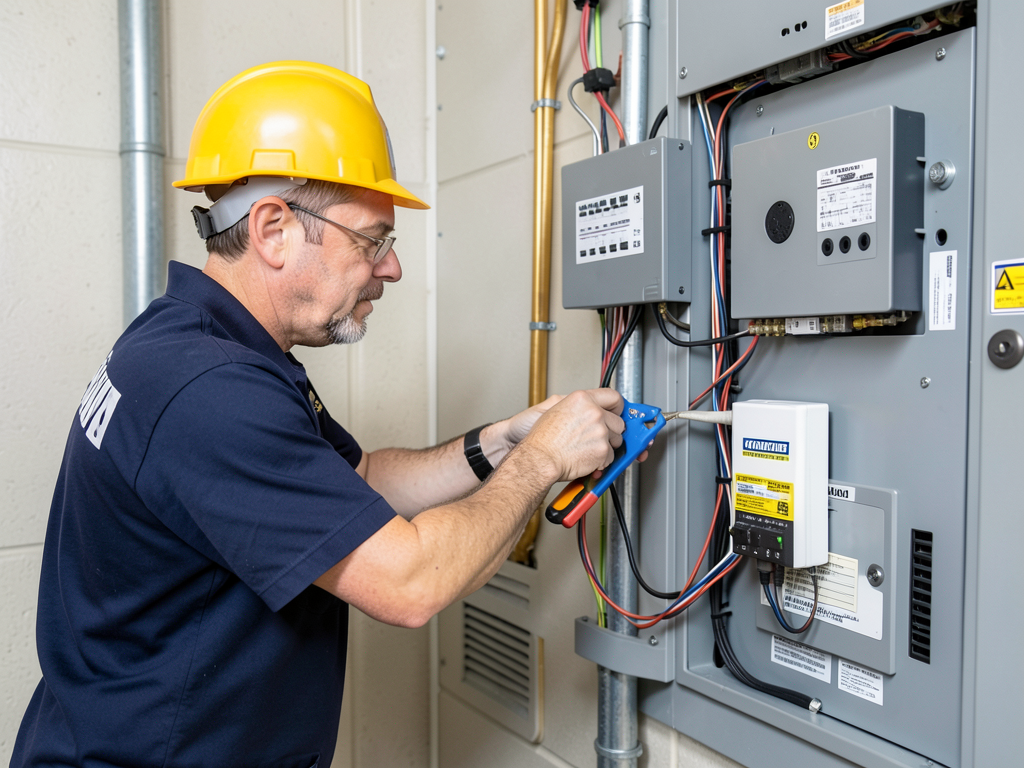
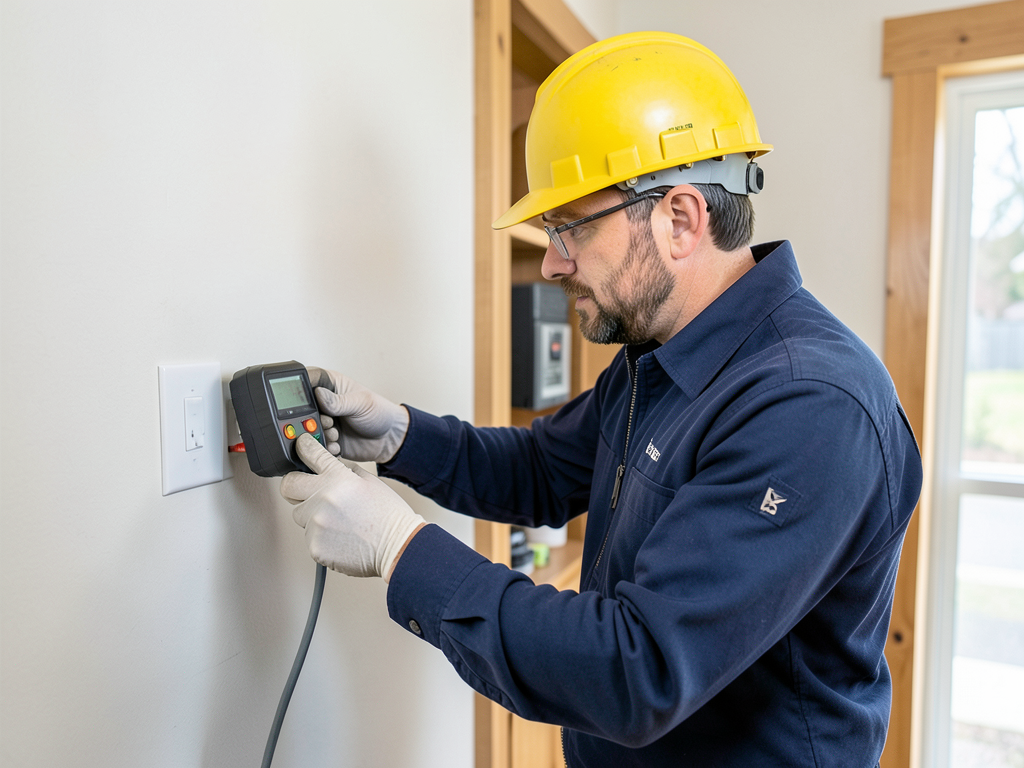
We start with a full electrical audit. We open your panel, photograph the breaker layout, measure voltage stability at critical circuits, and test grounding integrity. We check for backstabbed outlets, shared neutrals, and aluminum wiring that will interfere with smart device performance. You get a written report showing current load, available capacity, and required upgrades before we install a single automation component.
02

System Design and Integration

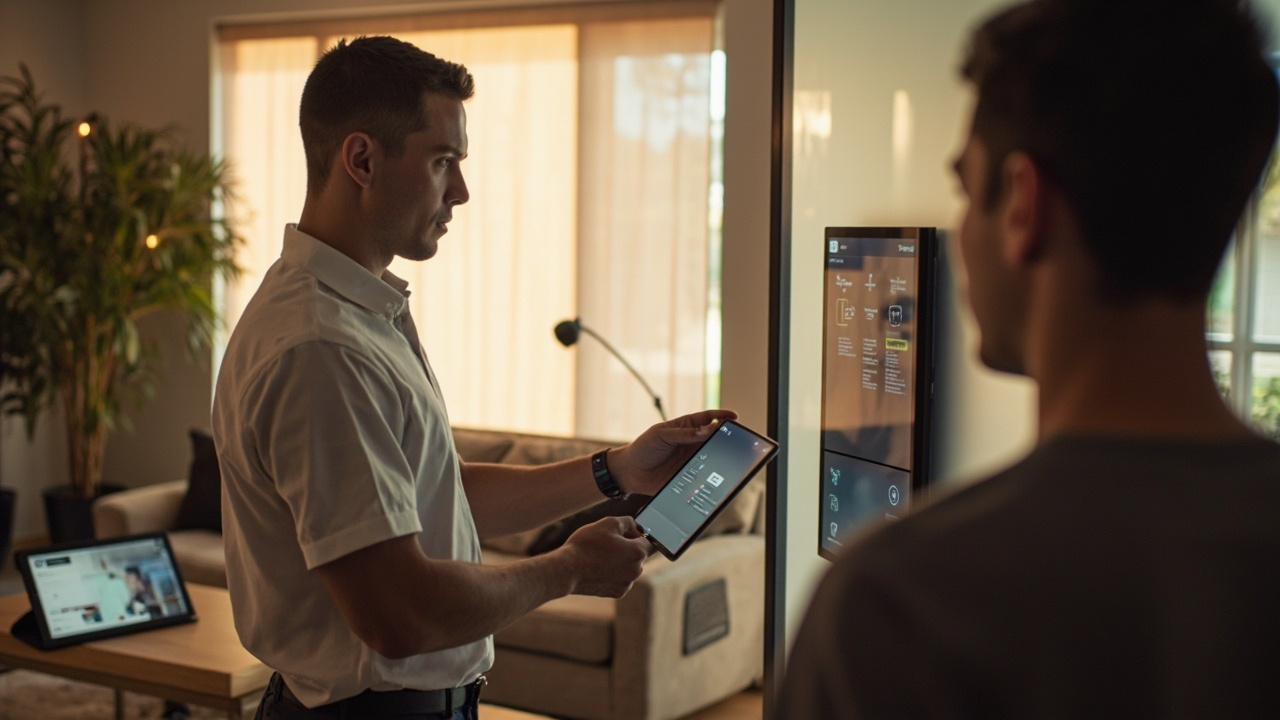
We design your control topology based on how you actually use your home. We map lighting zones, HVAC integration points, security camera locations, and network access points. We spec the correct smart switches, dimmers, sensors, and hubs. We design low-voltage wiring runs that avoid interference from high-voltage lines. We plan for future expansion so adding devices later does not require panel rework or firmware conflicts.
03

Installation and Programming

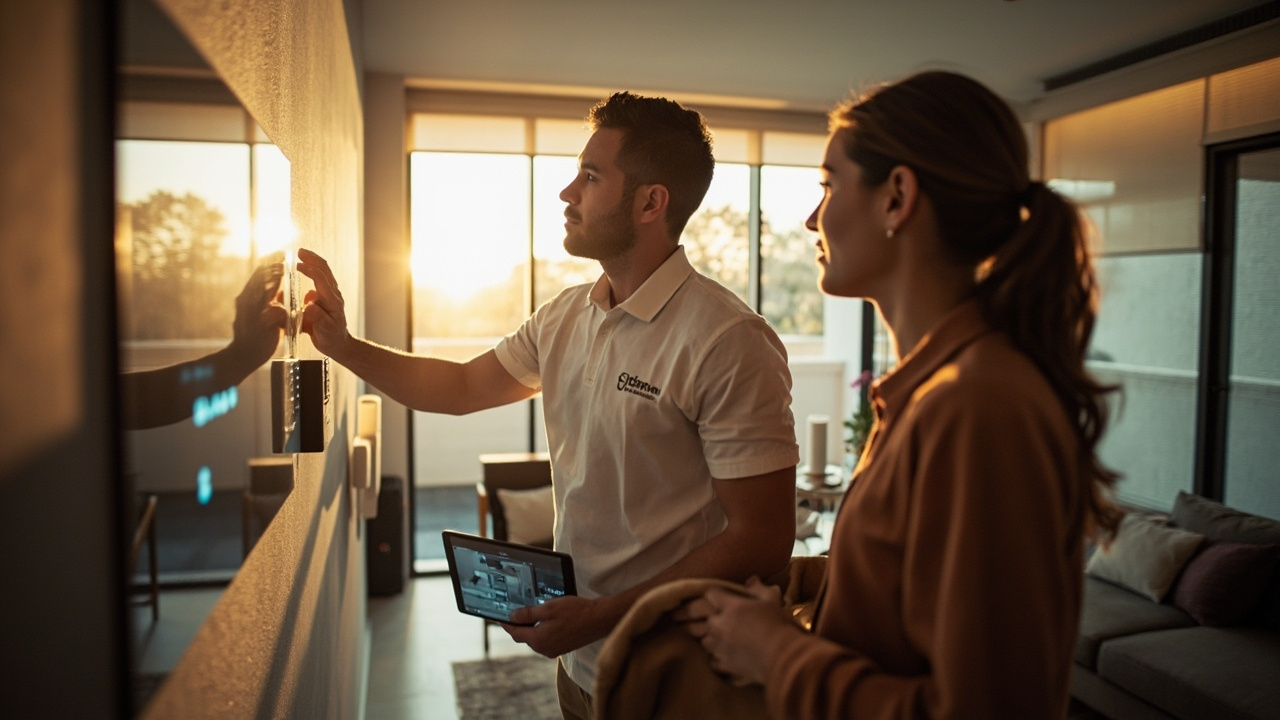
We install all electrical and low-voltage infrastructure to NEC code. We terminate every connection with proper crimps and wire nuts, not push-in connectors. We program your automation scenes, test every device under load, and verify network stability. We walk you through the control interface and leave you with documentation. You get a system that works the day we leave and keeps working through Houston summer storms.

Why Houston Homeowners Trust Titan Electricians for Intelligent Home Control

Most smart home installers are IT professionals who think electricity is plug-and-play. They mount a touchscreen, pair some devices, and leave you with a system that stops working the first time your panel gets hit with a voltage spike.

Titan Electricians Houston approaches residential automation as a licensed electrical contractor. We understand load balancing, circuit isolation, grounding planes, and surge suppression. We know that Houston's clay soil causes foundation settling that stresses electrical conduit and loosens neutral connections. We know that homes in Meyerland and Friendswood flood, and we install automation gear above projected flood lines.

We work with every major smart home platform. Lutron, Control4, Savant, Crestron, Google Home, Amazon Alexa, Apple HomeKit, and DIY systems like Home Assistant. We do not lock you into a proprietary ecosystem that costs twice as much and stops getting updates in three years.

We follow the 2020 National Electrical Code and Houston's local amendments. We pull permits for panel upgrades and new circuits. We coordinate inspections. We do not hide work behind drywall and hope the inspector does not show up.

We also understand that home automation systems grow over time. You start with smart lighting and add security cameras six months later. You add motorized shades a year after that. We design every installation with expansion capacity so future upgrades do not require expensive rework.

You get a licensed electrician who understands both the technology and the electrical foundation it runs on.

What You Get with Titan Electricians Houston Smart Home Automation

Fast, Scheduled Installation with Minimal Disruption

Most residential automation installs take one to three days depending on system complexity. Simple smart lighting retrofits happen in a single visit. Whole-home systems with centralized control, motorized shades, and integrated HVAC take longer but follow a clear timeline. We schedule work around your availability. We protect floors and furniture. We contain drywall dust when running new low-voltage wire. We test every device before we leave so you are not troubleshooting configuration issues at midnight. You get a system that works immediately.

Complete Electrical and Network Assessment Before Installation

You get a full electrical audit before we recommend any equipment. We measure panel capacity, test circuit integrity, check grounding, and verify your home network can handle the additional connected devices. We identify voltage drop issues, shared neutral problems, and outdated wiring that will cause device failures. We give you a written scope of work showing exactly what electrical upgrades are required and what automation components will be installed. No surprises. No hidden costs. No equipment that arrives and cannot be installed because your panel is full.

Fully Integrated, Tested, and Documented System

You receive a connected home solution that is programmed, tested, and ready to use. We configure every automation scene, verify all devices communicate correctly, and stress-test the system under real-world load conditions. We walk you through the control interface and answer every question. You get documentation showing device locations, network topology, panel circuit assignments, and admin credentials. If you ever need service or want to expand the system, everything is clearly labeled and accessible. You are not locked into a black box you cannot troubleshoot.

Ongoing Support and System Expansion Planning

Smart house technology evolves fast. Firmware updates break integrations. New devices launch with better features. We provide ongoing support to keep your system current. We handle software updates, troubleshoot connectivity issues, and add new devices as your needs change. If you want to expand from basic lighting control to full home integration, we already know your electrical layout and can design the next phase without ripping out existing work. You get a long-term partner who understands your system from the ground up.

Frequently Asked Questions

You Have Questions,
We Have Answers

What is smart home automation? +

Smart home automation uses connected devices and systems to control lighting, climate, security, and appliances from your phone or voice commands. In Houston, automation helps manage high cooling costs during brutal summers by scheduling thermostats and shades. You control locks, cameras, and garage doors remotely. Systems integrate through central hubs or platforms like Alexa, Google Home, or Apple HomeKit. Automation creates schedules, triggers actions based on conditions, and learns your habits. For Houston homes dealing with humidity and storm threats, automation offers real-time alerts and remote monitoring. The technology reduces energy waste and adds convenience to daily routines.

What is the best automation system for home? +

Control4, Crestron, and Savant lead professional installations for whole-home integration. For DIY builds, Amazon Alexa, Google Home, and Apple HomeKit offer flexible platforms. Houston homeowners often choose systems that prioritize climate control and storm monitoring. Control4 excels in custom programming for large properties. Savant offers intuitive interfaces for luxury builds. For budget-conscious setups, SmartThings or Home Assistant provide strong customization. The best system matches your home size, budget, and comfort with technology. Professional systems integrate seamlessly but cost more. DIY platforms offer flexibility but require more hands-on management. Consider local support availability in the greater Houston metro.

Is smart home automation worth it? +

Smart home automation pays off in Houston through lower energy bills and convenience. Automated thermostats cut cooling costs by 10-23 percent during scorching summers. Remote monitoring protects homes during hurricane season when you evacuate. Automated lighting deters break-ins in neighborhoods like Bellaire or The Heights. Leak sensors catch plumbing failures before Houston's clay soil causes foundation damage. The technology adds resale value and appeals to tech-savvy buyers. Initial costs range from a few hundred to several thousand dollars. For homes in Houston's climate with high cooling demands and weather risks, automation delivers measurable returns through efficiency and protection.

What are the 4 types of automation systems? +

The four automation types are fixed, programmable, flexible, and integrated systems. Fixed automation runs single, repetitive tasks like timed lighting. Programmable automation allows you to create schedules and rules, like adjusting thermostats when you leave. Flexible automation adapts to conditions, using sensors to trigger actions based on temperature, motion, or time. Integrated automation connects multiple systems through a central hub, letting lighting, security, climate, and entertainment work together. Houston homes benefit most from integrated systems that respond to humidity levels, storm warnings, and energy pricing. Each type offers different complexity and cost. Most homeowners start with programmable systems and expand toward integration.

What are the downsides of smart homes? +

Smart homes create dependency on internet connectivity and power. When Houston storms knock out electricity or broadband, some systems stop working. Privacy concerns arise when cameras and microphones connect to cloud servers. Devices from different brands often fail to communicate without workarounds. Subscription fees add up for cloud storage and premium features. Technology changes fast, leaving older devices unsupported. Installation complexity frustrates less tech-savvy homeowners. Security vulnerabilities exist when devices lack proper encryption. Initial costs deter budget-conscious buyers. Systems require ongoing maintenance and updates. For Houston residents, power outages during hurricanes expose the weakness of cloud-dependent systems without local backup control.

How much does smart home automation cost? +

Basic smart home setups start around 500 to 1,500 dollars for DIY installations with smart thermostats, locks, and lights. Mid-range systems with professional programming cost 5,000 to 15,000 dollars. Whole-home automation with integrated lighting, climate, security, and entertainment runs 15,000 to 50,000 dollars or more for large Houston properties. Costs depend on home size, number of devices, and complexity. Professional installation adds labor fees. Retrofit installations in older Houston homes cost more than new construction integration. Lighting control, motorized shades, and multi-room audio drive costs up. Monthly monitoring or cloud subscription fees add ongoing expenses. Quality equipment and proper installation prevent future troubleshooting costs.

Is there a monthly fee for smart homes? +

Many smart devices work without monthly fees, but premium features require subscriptions. Smart thermostats, lights, and switches operate locally without charges. Security cameras often need cloud storage subscriptions for video history, ranging from 3 to 30 dollars monthly per camera. Professional monitoring for alarm systems costs 15 to 60 dollars monthly. Voice assistants like Alexa and Google Home work free but offer premium tiers. Control4 and Crestron charge for remote access features. Houston homeowners avoid fees by choosing local storage cameras and self-monitoring systems. Subscriptions add convenience but increase lifetime costs. Evaluate whether cloud features justify ongoing payments for your household.

What is the #1 product that users wish to control with home automation? +

Thermostats and climate control top the list of desired automation features. Houston homeowners prioritize cooling control because air conditioning drives most energy bills during humid, 95-degree summers. Smart thermostats like Nest and Ecobat learn schedules, adjust humidity levels, and provide remote access. Automated climate control cuts costs and maintains comfort when you return home. Lighting comes second, followed by security cameras and locks. In Houston's climate, controlling temperature remotely prevents returning to a sweltering house and reduces strain on HVAC systems. Climate automation delivers immediate, measurable savings and comfort, making it the number one priority for most users adopting smart home technology.

Can smart devices work without internet? +

Some smart devices function offline, but most lose features without internet. Devices using Zigbee, Z-Wave, or local hubs like Hubitat control lights, locks, and sensors without cloud access. Voice commands through Alexa or Google Home require internet connectivity. Smart thermostats maintain schedules locally but lose remote access and weather-based adjustments. Cameras with local storage continue recording but disable phone notifications. During Houston storms that knock out broadband, locally controlled systems keep working while cloud-dependent devices go dark. Hybrid systems with local processing and optional cloud features offer the best resilience. For reliability during hurricane season, choose devices with strong local control capabilities.

What are 10 disadvantages of automation? +

Automation downsides include high upfront costs, internet dependency, privacy risks, compatibility issues between brands, subscription fees, security vulnerabilities, complexity for non-tech users, rapid obsolescence, power outages disabling systems, and over-reliance reducing manual skills. In Houston, storms expose cloud-dependent systems when power and internet fail. Devices collect data that could be hacked or sold. Competing standards mean your smart lock might not talk to your thermostat. Older devices lose manufacturer support within years. Renters cannot install permanent systems. Complex setups require professional help, adding costs. Automation creates convenience but introduces fragility, ongoing expenses, and privacy trade-offs you must weigh carefully.

How Houston's Power Grid Instability Affects Smart Home Reliability

Houston's electrical grid experiences frequent voltage fluctuations due to summer storm activity, high cooling demand, and aging distribution infrastructure. Homes in older neighborhoods like Sharpstown, Gulfton, and north Houston see voltage sag during peak demand and voltage spikes during grid switching events. Connected home solutions depend on stable power. A 10 percent voltage drop causes smart hubs to reboot, losing automation scenes and device pairings. A surge from a nearby lightning strike fries low-voltage control boards. Proper surge protection, voltage regulation, and panel-level power conditioning are not optional add-ons in Houston. They are required infrastructure for any intelligent home control system that needs to survive Texas weather.

Titan Electricians Houston works exclusively within the greater Houston metro. We understand local building codes, inspection requirements, and the electrical challenges specific to this region. We know which neighborhoods have aluminum wiring, which subdivisions have undersized panels, and which areas flood during heavy rain. We design home automation systems that account for these local conditions. When you hire a licensed local electrician who specializes in residential automation, you get a system engineered for Houston, not a generic install copied from a YouTube tutorial.
Electrical Services in The Houston Area

Looking for reliable electricians near you? Titan Electricians Houston proudly serves homeowners and businesses across the greater Houston area with expert electrical repairs, panel upgrades, lighting installations, wiring services, and 24/7 emergency support. From The Woodlands to Pearland, our licensed electricians are ready to deliver safe, efficient, and code-compliant solutions. Use the map below to explore our service coverage and find fast, trusted electrical help in your neighborhood.

Address:
TitanElectriciansHouston, 2500 Summer St, Houston, TX, 77007

Additional Services We Offer

Our news updates

Latest Articles & News from The Blogs

Lorem ipsum dolor sit amet. Aut expedita quaerat quo eligendi numquam et laudantium perspiciatis qui minima expedita rem consequatur ducimus.…

Test Blog 4

Lorem ipsum dolor sit amet. Aut expedita quaerat quo eligendi numquam et laudantium perspiciatis qui minima expedita rem consequatur ducimus.…

Test Blog 3

Lorem ipsum dolor sit amet. Aut expedita quaerat quo eligendi numquam et laudantium perspiciatis qui minima expedita rem consequatur ducimus.…

Test Blog 2

Lorem ipsum dolor sit amet. Aut expedita quaerat quo eligendi numquam et laudantium perspiciatis qui minima expedita rem consequatur ducimus.…

Contact Us

Ready to build a connected home that actually works? Call Titan Electricians Houston at (281) 552-7811 for a free electrical assessment and smart home consultation. We will evaluate your panel capacity, discuss your automation goals, and design a system that is safe, scalable, and built to last.